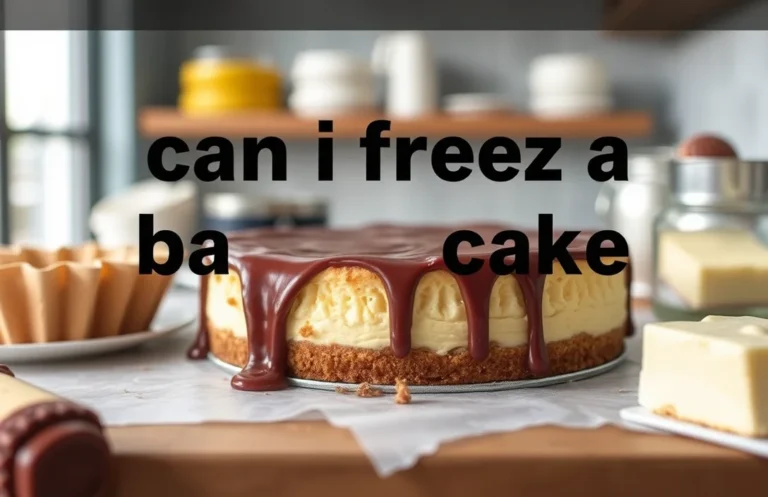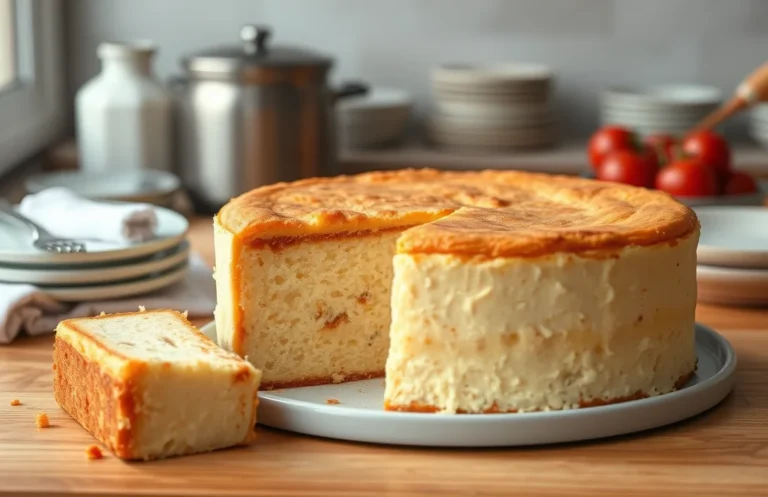
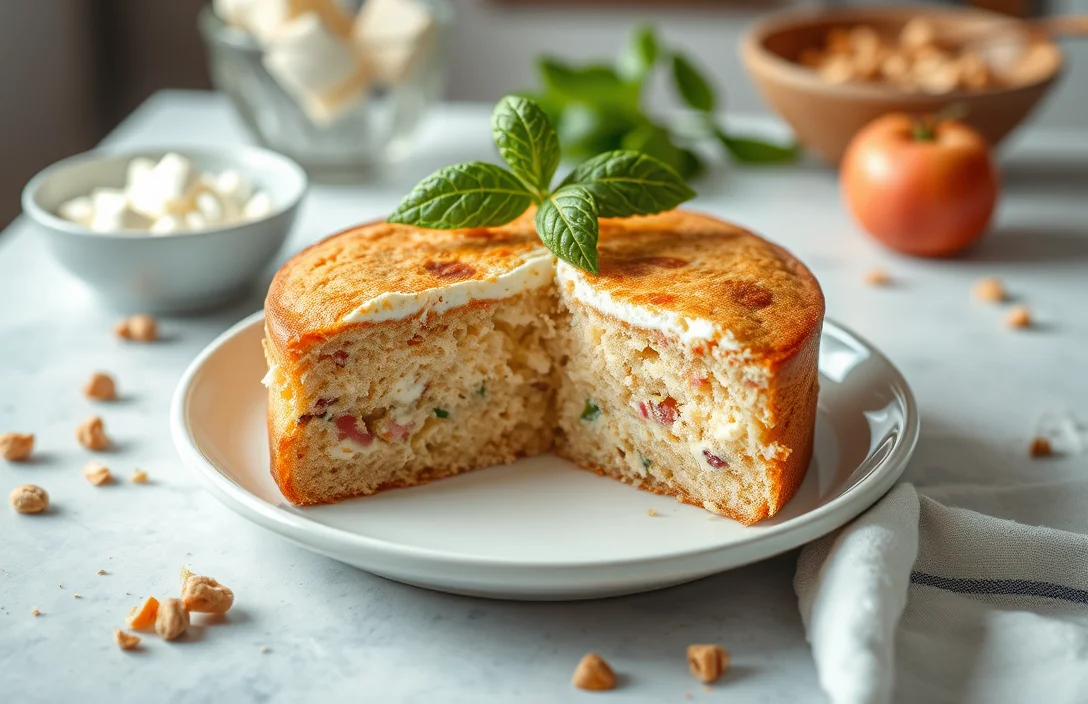
Can You Freeze Ricotta for Cakes? Tips for Texture & Flavor
If you’ve ever had a slice of ricotta cake, you know how wonderfully moist and rich it can be. This creamy cheese not only adds a delightful texture but also infuses a subtle sweetness that elevates any dessert. Imagine baking a cake that melts in your mouth, making it the highlight of your next gathering!
Can you freeze ricotta for cake later? Yes! This guide will show you how to properly freeze ricotta, thaw it without losing quality, and even share some delicious cake recipes. Total time: 30 minutes prep, 1 hour baking; Difficulty: Easy; Servings: 8.
| Prep Time | Cook Time | Total Time | Servings | Difficulty |
|---|---|---|---|---|
| 30 minutes | 1 hour | 1 hour 30 minutes | 8 | Easy |
Ricotta’s Role in Baking
Ricotta cheese is a versatile ingredient that adds moisture and richness to baked goods, particularly cakes. Understanding its unique properties is essential for any home baker looking to create delightful desserts that stand out in flavor and texture.
Origin of Ricotta
Ricotta, which means “recooked” in Italian, is traditionally made from the whey left over from cheese production. This gives it a smooth, creamy texture and a mild flavor that pairs beautifully with sweet and savory dishes alike. Its origins trace back to Italy, where it has been used for centuries in various culinary applications, including pastries like cannoli and tortas.
Why Use Ricotta in Cakes
Incorporating ricotta into cake recipes can elevate your baking in several ways:
- Moisture: Ricotta adds moisture without making the batter overly wet, creating a tender crumb.
- Flavor: Its subtle sweetness enhances the overall flavor profile, making cakes richer.
- Protein: It contributes protein, which can improve the structure of your cake.
Chef’s tip: For a decadent ricotta cake, fold in zest from one lemon or orange for an aromatic twist!
When using ricotta, be mindful of its moisture content. If your recipe calls for a specific amount of liquid, you may need to adjust accordingly. It’s also important to ensure that the ricotta is well-drained to avoid excess water in your batter.
| Ingredient | Amount |
|---|---|
| Ricotta cheese | 1 cup (240g) |
| All-purpose flour | 2 cups (240g) |
| Sugar | 1 cup (200g) |
Understanding the role of ricotta in baking will allow you to experiment with various cake recipes effectively. In the next section, we will address whether you can freeze ricotta for later use in your baking endeavors.
Can You Freeze Ricotta?
Freezing ricotta can be a practical solution for home bakers looking to keep this versatile ingredient on hand for future cake recipes. Understanding the feasibility of freezing ricotta and best practices for doing so is crucial to maintaining its quality and usability in your baking endeavors.
Freezing Feasibility
Yes, you can freeze ricotta cheese, and it can be quite handy for later use in cakes. However, it’s important to note that freezing may alter the texture slightly, making it a bit grainy upon thawing. This change typically doesn’t affect the flavor, and with the right techniques, you can still achieve delicious results in your baked goods.
Best Practices for Freezing Ricotta
- Use Fresh Ricotta: Start with fresh, high-quality ricotta cheese to ensure the best results after freezing.
- Portion Wisely: Divide ricotta into 1-cup (240ml) portions before freezing. This makes it easier to thaw only what you need later.
- Wrap Properly: Place ricotta in airtight containers or freezer bags. Press out any excess air before sealing to prevent freezer burn.
- Label and Date: Always label your containers with the date and amount, so you can keep track of what you have.
Chef’s tip: When you thaw the ricotta, stir it well to recombine any separated moisture before using it in your cake batter.
By following these guidelines, you can successfully freeze ricotta and ensure it remains a reliable ingredient for your cake recipes down the line.
How to Freeze Ricotta
Freezing ricotta is a practical way to ensure you have this creamy cheese on hand for your future cake recipes. By following the right steps, you can maintain its quality and flavor, making it a convenient ingredient for your baking needs later on.
- Choose the Right Ricotta: Start with fresh ricotta cheese, ideally within a week of its sell-by date. Avoid ricotta that has been opened for a while, as the texture and flavor may already be compromised.
- Portion the Ricotta: If you plan to use ricotta in specific amounts later, divide it into portions. Use an ice cream scoop or measuring cups to create 1-cup servings, which is a common quantity for cake recipes. This makes thawing easier and prevents waste.
- Prepare for Freezing: Place each portion in a freezer-safe container or a resealable plastic bag. If using bags, squeeze out as much air as possible to prevent freezer burn. Label the containers or bags with the date and amount for easy identification later on.
- Freeze: Lay the bags flat in the freezer for easier stacking and quicker freezing. Ricotta can be safely frozen for up to 3 months without significant loss of quality. After this time, it may still be safe to eat, but the texture could change.
- Check for Quality: Before freezing, inspect the ricotta for any off smells or unusual textures. It should be moist and creamy, with a mild, slightly sweet flavor. If it smells sour or has changed color, it’s best to discard it.
Thawing Frozen Ricotta
Thawing frozen ricotta properly is crucial to maintaining its texture and flavor for your cake recipes. Understanding the best methods and timing will ensure that the ricotta is ready to use without compromising your baked goods.
- Refrigerator Thawing: The best method to thaw frozen ricotta is by placing it in the refrigerator for 6-8 hours, or overnight. This slow thawing process helps retain the texture and prevents the ricotta from becoming watery. You’ll know it’s ready when it feels soft and creamy to the touch.
- Cold Water Thawing: If you’re short on time, you can thaw ricotta more quickly by placing the sealed container in a bowl of cold water for about 1-2 hours. Make sure to change the water every 30 minutes to keep it cold. Once thawed, the ricotta should be soft and easily scoopable.
- Microwave Thawing: For an even faster option, use the microwave. Transfer the ricotta to a microwave-safe bowl and heat in 15-30 second intervals at 50% power, stirring between intervals until thawed. Be cautious, as overheating can alter the texture, making it grainy.
- Check Consistency: After thawing, inspect the ricotta for any excess liquid. If you notice a watery layer, drain it off gently before using. The ricotta should appear smooth and creamy, perfect for folding into your cake batter.
Texture and Flavor Changes
Understanding the texture and flavor changes of ricotta after freezing is essential for home bakers. These changes can affect the final outcome of your cake, influencing both the taste and consistency of your batter.
Impact on Texture
When you freeze ricotta, the moisture within it can form ice crystals, which may alter its creamy texture. Upon thawing, you might notice:
- Separation: The ricotta may become grainy or slightly watery. This is due to the breakdown of the protein structure.
- Adjustments: To restore its original texture, whisk the ricotta vigorously after thawing. This will help re-emulsify the moisture and give it a smoother consistency.
Impact on Flavor
The flavor of ricotta generally remains intact after freezing. However, it’s crucial to consider the following:
- Freshness: Freezing may slightly dull the fresh, milky taste of ricotta. Using it in baked goods, where other flavors come into play, often masks this change.
- Usage: If you plan to use thawed ricotta in a sweet cake, consider adding a touch of vanilla extract or a sprinkle of sugar to enhance its flavor.
Chef’s tip: To ensure the best flavor and texture, use ricotta that has been frozen for no longer than 2-3 months.
Ricotta Cake Recipes
In this section, we’ll explore delicious ricotta cake recipes that can easily incorporate frozen ricotta. Understanding how to properly use frozen ricotta in baking is essential for achieving the right texture and flavor in your cakes. Here are three delightful recipes to try!
Lemon Ricotta Cake
- 1 ½ cups ricotta cheese (360g)
- 1 cup granulated sugar (200g)
- ½ cup unsalted butter, softened (115g)
- 3 large eggs
- 2 cups all-purpose flour (240g)
- 2 teaspoons baking powder
- 1 teaspoon vanilla extract
- Zest of 1 lemon
- ¼ cup fresh lemon juice (60ml)
- Preheat your oven to 350°F (175°C). Grease and flour a 9-inch round cake pan. The pan should feel slightly sticky when you touch the greased surface.
- In a large bowl, whisk the softened butter and sugar together until light and fluffy, about 3-4 minutes. The mixture should look pale and creamy.
- Add in the eggs one at a time, mixing well after each addition. Fold in the ricotta cheese, lemon zest, and lemon juice until fully combined.
- In another bowl, combine the flour and baking powder. Gradually fold the dry ingredients into the wet mixture until just combined. Be careful not to overmix.
- Pour the batter into the prepared pan and bake for 35-40 minutes. The cake is done when a toothpick inserted in the center comes out clean.
Chocolate Ricotta Cake
- 1 cup ricotta cheese (240g)
- 1 cup granulated sugar (200g)
- ½ cup unsweetened cocoa powder (50g)
- ½ cup unsalted butter, melted (115g)
- 3 large eggs
- 1 teaspoon vanilla extract
- 1 cup all-purpose flour (120g)
- 1 teaspoon baking powder
- Preheat your oven to 350°F (175°C) and prepare an 8-inch square baking pan by greasing it well.
- In a large bowl, mix the melted butter and sugar until smooth. This mixture should feel silky to the touch.
- Add the eggs one at a time, then stir in the ricotta, cocoa powder, and vanilla extract until well blended.
- In a separate bowl, whisk together the flour and baking powder. Gradually incorporate the dry ingredients into the wet mixture, stirring gently.
- Transfer the batter to the baking pan and bake for 30-35 minutes. Check for doneness with a toothpick—if it comes out clean, your cake is ready!
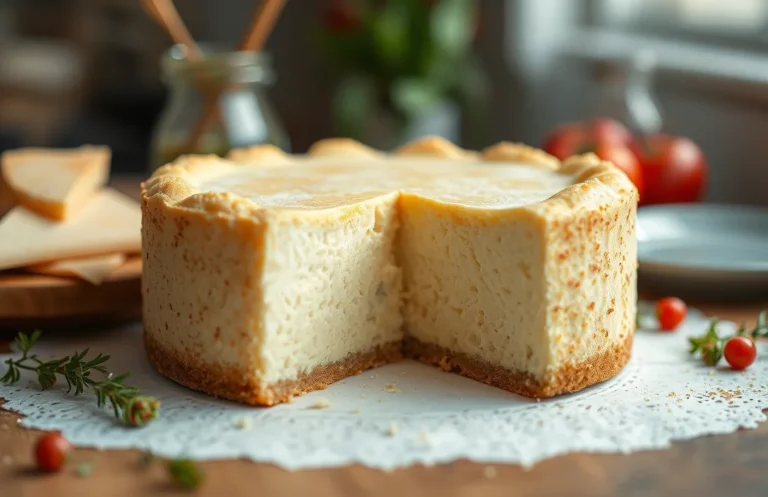
Ricotta Cheesecake
- 2 cups ricotta cheese (480g)
- 1 cup granulated sugar (200g)
- 3 large eggs
- 1 teaspoon vanilla extract
- 2 tablespoons all-purpose flour (15g)
- 1 tablespoon lemon juice (15ml)
Tips for Using Frozen Ricotta
Incorporating frozen ricotta into your cake recipes can be a breeze with the right techniques. Understanding how to mix and adjust quantities will help ensure your cake turns out perfectly fluffy and delicious, just as you envisioned.
Mixing Techniques
- Thaw Completely: Before mixing, ensure your ricotta is fully thawed in the refrigerator for at least 8 hours or overnight. This helps restore its creamy texture, allowing for even distribution in your batter.
- Drain Excess Liquid: After thawing, you may notice some water separation. Pour off any excess liquid to prevent your cake from becoming too moist, which could affect the texture.
- Whisk for Smoothness: Use a whisk to blend the ricotta until it’s smooth and creamy before adding it to your other ingredients. This step helps eliminate any lumps that can result from freezing.
Quantity Adjustments
- Measure Accurately: If your recipe calls for 1 cup of ricotta, use the same amount after thawing. Frozen ricotta tends to have a slightly denser texture, so precise measurements ensure balanced moisture in your cake.
- Consider Adding Liquid: If your batter appears too thick after incorporating frozen ricotta, add a tablespoon of milk or water at a time until you reach the desired consistency. This helps maintain a light texture.
- Experiment with Ratios: If you’re adapting a recipe, start with using ¾ cup of ricotta for every 1 cup of flour. This ratio can yield a moist and tender cake without overwhelming the other flavors.
Serving and Pairing Ideas
After you’ve successfully frozen and later used ricotta in your cake, it’s time to think about serving and pairing ideas that will elevate your dessert. Ricotta-based cakes have a wonderfully creamy texture and a slight tang that pairs beautifully with various garnishes and beverages.
Garnishing Tips
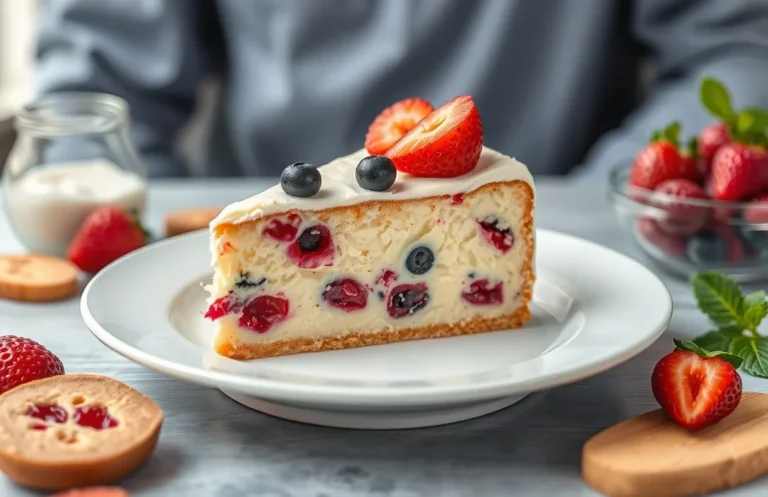
- Fresh Berries: Top with a mix of strawberries, blueberries, and raspberries for a vibrant and fresh contrast. Aim for about 1 cup of mixed berries for a 9-inch cake.
- Powdered Sugar: Dust the top with 2 tablespoons of powdered sugar for a simple yet elegant finish.
- Citrus Zest: Grate some lemon or orange zest (about 1 teaspoon) over the top to enhance the flavors and add brightness.
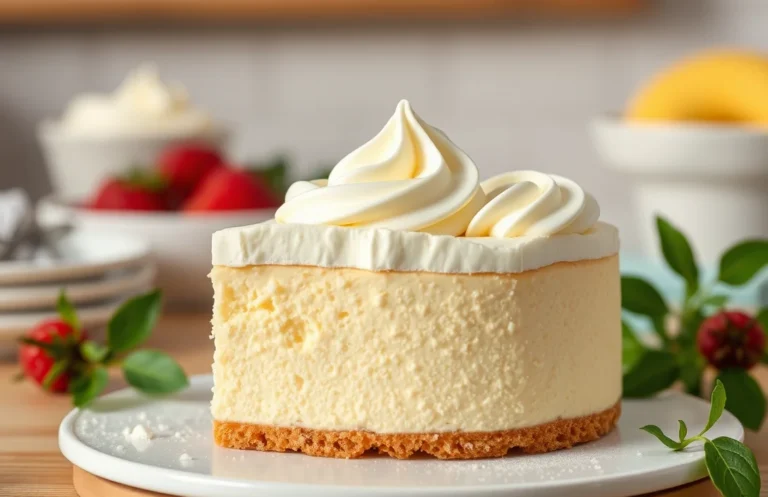
- Whipped Cream: Serve with a dollop of freshly whipped cream (1 cup heavy cream whipped with 2 tablespoons sugar) for added richness.
Beverage Pairings
Choosing the right beverage can complement your ricotta cake beautifully. Here are some delightful options:
| Beverage | Description |
|---|---|
| Sweet Wine | A glass of Moscato or a late-harvest Riesling balances the cake’s richness. |
| Coffee | The bitterness of a strong espresso or coffee pairs nicely with the creamy sweetness of the cake. |
| Herbal Tea | A light chamomile or green tea adds a soothing touch to the dessert experience. |
Chef’s tip: Serve the cake at room temperature for the best flavor and texture.
Quick Summary
| Prep Time | 10 minutes |
|---|---|
| Cook Time | 0 minutes |
| Total Time | 10 minutes |
| Servings | Varies |
- Check consistency: Ensure ricotta is creamy before freezing to maintain texture.
- Portion wisely: Freeze in 1-cup portions for easy use in recipes later.
- Label containers: Write the date on the freezer bag to track freshness.
- Thaw properly: Always thaw in the refrigerator to preserve quality.
- Mix before use: Stir thawed ricotta to restore its creamy consistency.
Frequently Asked Questions
Can I make this ahead of time? How to store and reheat?
You can absolutely make your cake ahead of time! Store it in an airtight container in the fridge for up to 3 days, or freeze it for up to 3 months; just thaw in the fridge overnight before serving.
What can I substitute for ricotta?
If you don’t have ricotta, you can use cottage cheese blended until smooth or even cream cheese for a richer texture, but the flavor will vary slightly.
How do I know when it’s done?
Your cake is done when it’s golden brown on top and a toothpick inserted into the center comes out clean or with just a few moist crumbs.
Can I freeze this? How long does it last?
You can freeze ricotta for later use in your cake, and it will last up to 3 months in the freezer; just be sure to store it in an airtight container to prevent freezer burn.
What if I don’t have a mixer to blend the ricotta?
If you don’t have a mixer, you can use a whisk or a fork to blend the ricotta until it’s smooth; it just requires a bit more elbow grease!

- Decadent Peanut Butter No-Bake Cheesecake: Easy Recipe to Indulge - April 3, 2026
- Delicious Mango No-Bake Cheesecake: Step-by-Step Recipe - April 3, 2026
- Decadent Raspberry No-Bake Cheesecake: Easy Step-by-Step Recipe - April 3, 2026