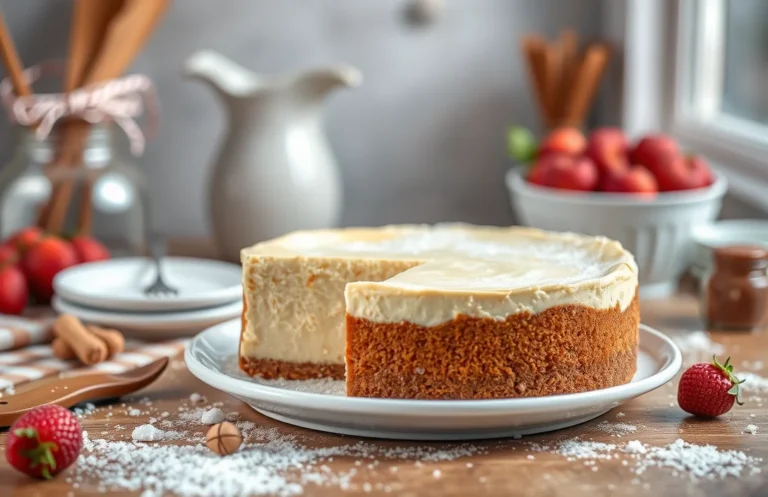
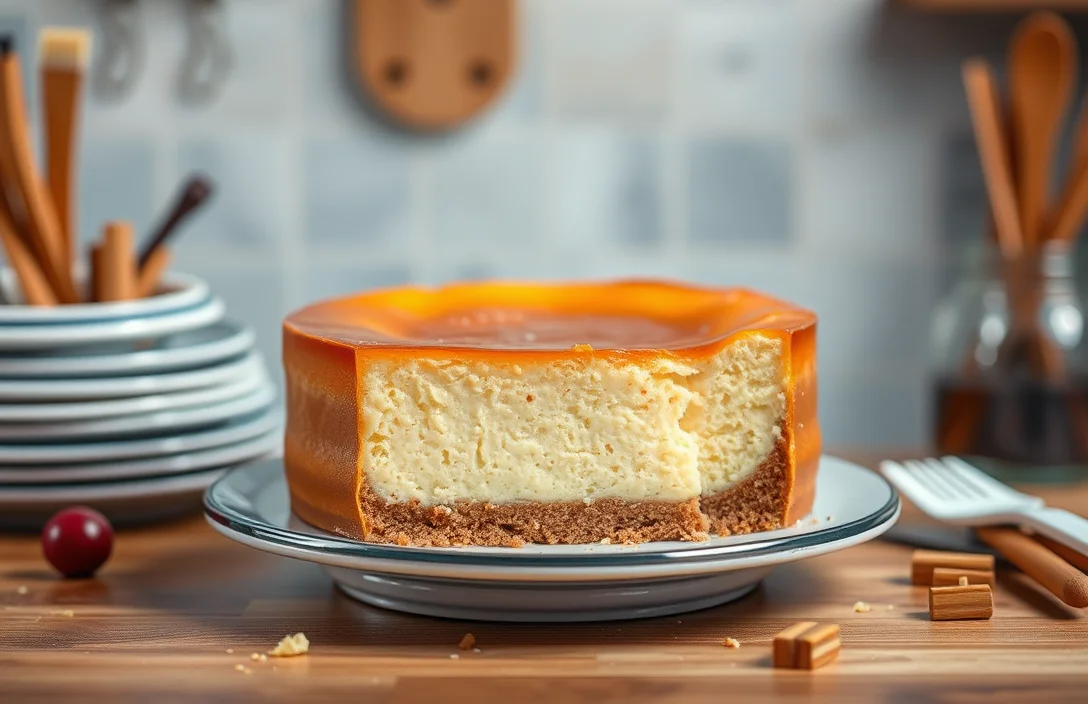
Is Cheesecake Safe Left Out Overnight? Tips for Proper Storage
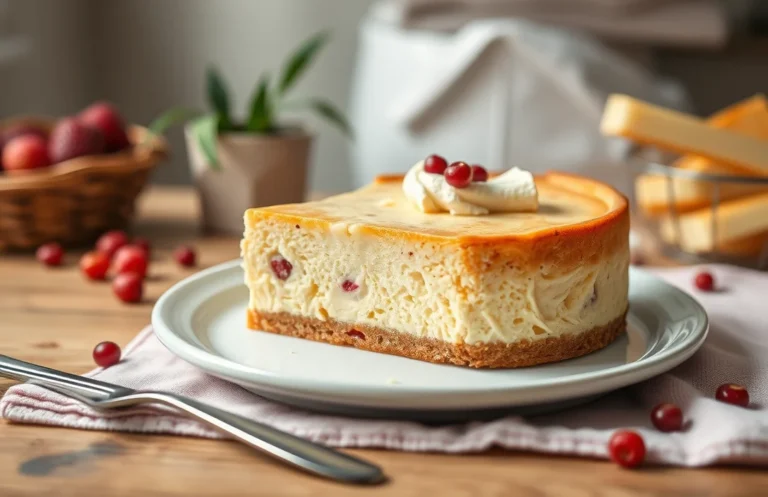
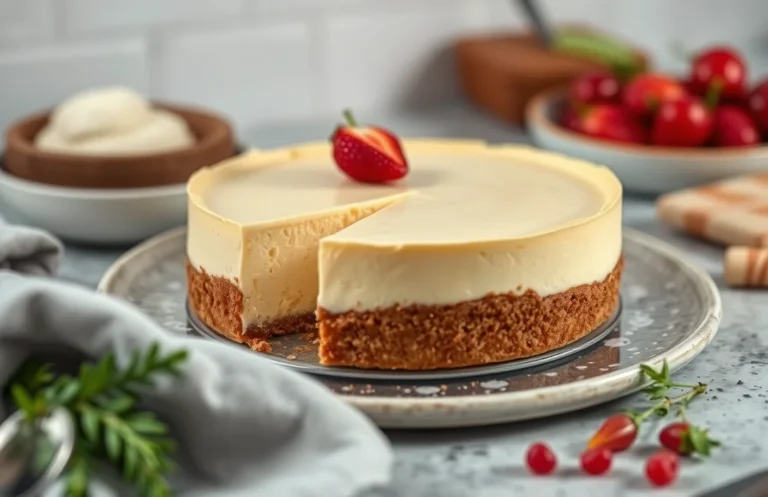
Cheesecake is the ultimate dessert that turns any gathering into a celebration. Its creamy, velvety texture paired with a buttery graham cracker crust is a match made in heaven. Whether it’s a birthday, holiday, or just because, this delightful treat never fails to impress and satisfy every sweet tooth in the room.
Wondering if you can leave cheesecake out overnight? You’ll find out the safe duration for unrefrigerated cheesecake, storage tips, and signs of spoilage. This guide will keep your cheesecake delicious and safe!
| Prep Time | 15 minutes |
|---|---|
| Cook Time | 60 minutes |
| Total Time | 1 hour 15 minutes |
| Servings | 8 slices |
| Difficulty | Moderate |
Cheesecake Background
Cheesecake has a rich history that dates back to ancient Greece, where it was enjoyed as a dessert and energy food for athletes. Over the centuries, this delightful treat has evolved, becoming a staple in various cultures, especially during celebrations and holidays, making its way into the hearts (and stomachs) of people around the world.
- Historical Roots: The earliest known cheesecake recipe was found in a Greek physician’s writings around 230 AD. The Romans later adapted it, leading to various regional versions that we see today.
- Modern Variations: From classic New York-style to fruity and chocolate-infused versions, cheesecake has transformed into numerous forms, each with its unique flavor profile. Ingredients like cream cheese, ricotta, and mascarpone have become staples in contemporary recipes.
- Occasions for Serving: Cheesecake is often served at birthdays, weddings, and holiday gatherings, symbolizing indulgence and celebration. Its creamy texture and rich flavor make it a favorite dessert choice for many.
- Importance of Storage: Given its dairy primary ingredients, proper storage of cheesecake is crucial to maintain its flavor and texture. Understanding how to store cheesecake correctly can help you avoid food safety issues, especially when considering leaving it out overnight.
Safety of Leaving Cheesecake Out
Understanding the safety of leaving cheesecake out overnight is crucial for both your health and the quality of your dessert. Cheesecake is a dairy-based dessert that can be susceptible to bacterial growth if left unrefrigerated for too long. Knowing the guidelines can help you enjoy your cheesecake without worry.
Generally, it is not safe to leave cheesecake out at room temperature for more than 2 hours. After this time, the risk of harmful bacteria multiplying increases significantly. Here are some important points to consider:
- Cheesecake contains dairy ingredients like cream cheese, sour cream, and eggs, which need to be kept chilled.
- Room temperature is typically around 68°F to 72°F (20°C to 22°C), which is a prime environment for bacteria.
- Leaving cheesecake out overnight (8 hours or more) can lead to foodborne illnesses.
To properly store leftover cheesecake, follow these tips:
- Cover the cheesecake tightly with plastic wrap or aluminum foil to prevent it from drying out.
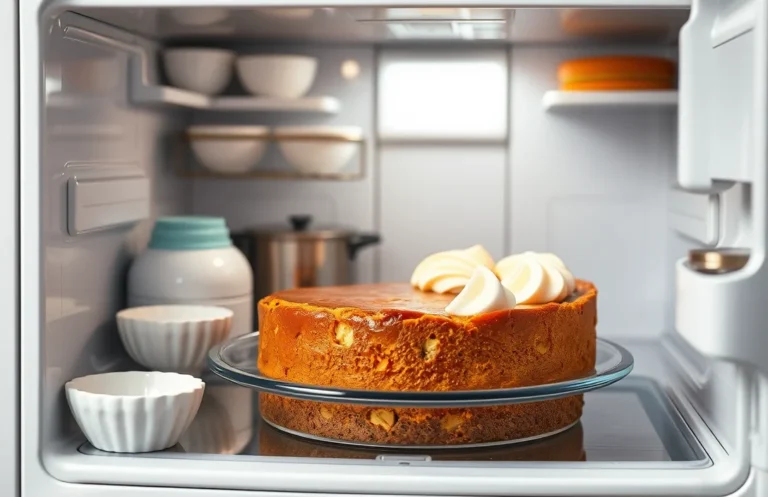
- Store it in the refrigerator immediately after serving.
- If there’s a chance it’s been left out for more than 2 hours, it’s best to discard it.
Chef’s tip: If you plan to serve cheesecake at a gathering, consider cutting it into slices and only leaving out what will be consumed within 2 hours.
Bacteria Growth Explained
Understanding how bacteria grow in cheesecake is crucial for ensuring food safety. Cheesecake, like many dairy-based desserts, can be a breeding ground for bacteria if not stored properly. Here’s what you need to know about the growth conditions and potential risks associated with leaving cheesecake out overnight.
- Temperature Matters: Bacteria thrive in temperatures between 40°F (4°C) and 140°F (60°C), known as the “danger zone.” When cheesecake is left out at room temperature, it quickly enters this danger zone, allowing harmful bacteria to multiply rapidly.
- Moisture Content: Cheesecake has a high moisture content due to ingredients like cream cheese, eggs, and sour cream. This moisture not only contributes to its creamy texture but also provides an ideal environment for bacteria to grow. If cheesecake is left unrefrigerated, it can become unsafe to eat within a few hours.
- Common Bacteria: The most concerning bacteria in dairy products include Salmonella and Listeria. These pathogens can cause foodborne illnesses with symptoms like nausea, vomiting, and diarrhea. In some cases, they can lead to more severe health issues, especially for vulnerable populations like pregnant women, the elderly, and those with weakened immune systems.
- Signs of Spoilage: If cheesecake has been left out, look for signs such as an off smell, a change in texture, or visible mold. Even if it appears fine, it may still harbor harmful bacteria. Always err on the side of caution and avoid consuming cheesecake that has been unrefrigerated for more than two hours.
Safe Time Limits
Understanding how long cheesecake can safely remain unrefrigerated is crucial for both food safety and maintaining its delicious texture and flavor. Cheesecake, due to its dairy content, is particularly sensitive to prolonged exposure at room temperature.
- Cheesecake should not be left out for more than 2 hours at room temperature. This limit is critical to prevent the growth of harmful bacteria. If the temperature is above 90°F (32°C), this time reduces to just 1 hour.
- If you accidentally left your cheesecake out overnight, it’s best to discard it. Even if it looks fine, bacteria may have multiplied to unsafe levels, putting you at risk for foodborne illnesses.
- For optimal freshness, always refrigerate cheesecake as soon as it has cooled to room temperature after baking. Wrap it tightly in plastic wrap or store it in an airtight container to keep it moist and prevent it from absorbing odors from the fridge.
- Should you need to transport cheesecake, use an insulated cooler with ice packs to keep it chilled, especially during warm weather. This will help maintain a safe temperature for a longer period.
Chef’s tip: If you’re unsure about the safety of your cheesecake, it’s better to err on the side of caution and not take the risk of consuming it after it’s been left out too long.
Proper Cheesecake Storage
Understanding how to store cheesecake properly is crucial for maintaining its freshness and preventing spoilage. Leaving cheesecake out overnight is not safe, and knowing how to store it correctly can help you enjoy your delicious dessert for days to come.
- Refrigerate Immediately: After baking your cheesecake, allow it to cool at room temperature for about 1 hour. Once it reaches a lukewarm temperature, wrap it tightly with plastic wrap or transfer it to an airtight container. This prevents the cheesecake from absorbing any odors from the fridge and keeps it moist.
- Use the Right Temperature: Cheesecake should be stored in the refrigerator at a temperature of 40°F (4°C) or below. This helps inhibit the growth of harmful bacteria. Always check your refrigerator’s temperature setting to ensure it’s functioning properly.
- Freeze for Longer Storage: If you need to store your cheesecake for a longer period, freezing is a great option. Wrap the cooled cheesecake in several layers of plastic wrap, then place it in a freezer-safe container. It can be frozen for up to 2-3 months. To thaw, transfer it to the fridge for 24 hours before serving.
- Check Before Serving: If you accidentally leave your cheesecake out overnight, it’s essential to assess its condition. Look for any signs of spoilage and consider the temperature of your kitchen. If it was above 70°F (21°C) for more than 2 hours, it’s safer to discard it.
Signs of Spoilage
Understanding the signs of spoilage in cheesecake is crucial, especially if it has been left out overnight. Cheesecake is a dairy-based dessert that can quickly become unsafe to eat when not stored properly. Here are the key indicators that your cheesecake may have spoiled.
- Off Odor: If your cheesecake has developed a sour or unusual smell, it’s a strong sign that bacteria may have taken hold. Fresh cheesecake should have a creamy, sweet aroma.
- Discoloration: Look for any changes in color on the surface of the cheesecake. If you see spots of mold or an unusual yellowing, it’s best to discard it.
- Texture Changes: A fresh cheesecake should have a smooth, creamy texture. If it feels gritty or overly watery, this indicates spoilage. The filling should not separate from the crust.
- Excessive Softness: If the cheesecake appears too soft or has a runny consistency, it may have begun to spoil. It should hold its shape when sliced, not ooze or collapse.
- Presence of Mold: Any visible mold, whether white, green, or fuzzy, is a clear sign that the cheesecake is no longer safe to eat. Even if you cut off the molded section, the entire cheesecake should be discarded.
If you notice any of these signs, it’s best to err on the side of caution and not consume the cheesecake. Proper storage is key to maintaining its quality and safety.
Quick Summary
| Prep Time | Cook Time | Total Time | Servings |
|---|---|---|---|
| 15 mins | 60 mins | 75 mins | 8 |
- Cool Completely: Allow cheesecake to cool at room temperature for at least 1 hour after baking.
- Refrigerate Promptly: Chill cheesecake in the refrigerator within 2 hours to prevent bacterial growth.
- Check for Spoilage: If left out overnight, inspect for any signs of spoilage before consuming.
- Use a Water Bath: Bake in a water bath to prevent cracking and retain moisture.
- Perfect Texture: Ensure the cream cheese is at room temperature for smooth mixing.
- Key Tip: Cheesecake is best kept refrigerated; never leave out for more than 2 hours.
- Storage Tip: Store leftovers in an airtight container to maintain freshness.
Frequently Asked Questions
Can I make this cheesecake ahead of time? How to store and reheat?
You can definitely make cheesecake ahead of time; it’s best to refrigerate it for up to 5 days wrapped tightly. Reheat by letting it sit at room temperature for about 30 minutes before serving.
What can I substitute for cream cheese?
If you don’t have cream cheese, you can use mascarpone cheese or a blend of ricotta and sour cream as substitutes. Just keep in mind that the texture and flavor may vary slightly.
How do I know when my cheesecake is done?
Your cheesecake is done when the edges are set but the center still has a slight jiggle to it. It will continue to firm up as it cools, so don’t overbake it!
Can I freeze cheesecake? How long does it last?
You can freeze cheesecake for up to 3 months if properly wrapped to prevent freezer burn. Thaw it in the refrigerator overnight before serving for the best texture.
What if I don’t have a springform pan?
If you don’t have a springform pan, you can use a regular 9-inch round cake pan, but be sure to line the bottom with parchment paper for easy removal. Just run a knife around the edges before inverting it onto a plate!

- Decadent Peanut Butter No-Bake Cheesecake: Easy Recipe to Indulge - April 3, 2026
- Delicious Mango No-Bake Cheesecake: Step-by-Step Recipe - April 3, 2026
- Decadent Raspberry No-Bake Cheesecake: Easy Step-by-Step Recipe - April 3, 2026