Does Cheesecake Have Gluten? Find Gluten-Free Recipes Here!
Cheesecake is one of those desserts that feels like a hug on a plate — creamy, rich, and utterly indulgent. Whether it’s for a special occasion or a cozy weeknight treat, this dessert never fails to impress. Imagine a velvety filling nestled in a buttery crust, ready to be devoured!
Wondering if cheesecake contains gluten? You’ll find that traditional cheesecake often does, thanks to the crust. But don’t worry! I’m sharing three delicious gluten-free cheesecake recipes that anyone can whip up, complete with exact measurements, cooking times, and tips to ensure your success.
| Prep Time | 20 minutes |
|---|---|
| Cook Time | 50 minutes |
| Total Time | 1 hour 10 minutes |
| Servings | 8 servings |
| Difficulty | Easy |
Origin of Cheesecake
The history of cheesecake is rich and varied, tracing back thousands of years to ancient civilizations. Understanding its origins not only deepens our appreciation for this beloved dessert but also sheds light on its traditional ingredients and potential gluten content.
- Ancient Greece: The earliest known cheesecake dates back to 2000 B.C. in Greece, where it was made with simple ingredients like cheese and honey. The Greeks considered cheesecake a source of energy for athletes during the Olympic Games.
- Roman Influence: As the Romans conquered Greece, they adopted and adapted the cheesecake recipe, incorporating their own ingredients. They used fresh cheese and added eggs, creating a richer dessert that would evolve over centuries.
- Medieval Europe: In the Middle Ages, cheesecake recipes began appearing in cookbooks across Europe. Ingredients such as cream and sugar were added, but the crust typically featured breadcrumbs or crushed cookies, which often contained gluten.
- American Adaptation: The modern cheesecake we know today took shape in America in the late 19th century, with cream cheese becoming a key ingredient. Many traditional recipes still rely on a crust made with graham crackers, which are made from wheat flour and contain gluten.
As we explore the evolution of cheesecake, it becomes clear that while traditional recipes often contain gluten, there are plenty of gluten-free alternatives available today, ensuring everyone can enjoy this timeless dessert.
Does Cheesecake Contain Gluten?
Understanding whether cheesecake contains gluten is essential for those with gluten sensitivities or celiac disease. Traditional cheesecake recipes often include a crust made from graham crackers or flour, both of which contain gluten. However, gluten-free alternatives are readily available for those looking to enjoy this creamy dessert without the gluten.
- Traditional Cheesecake Crust: Most cheesecake recipes feature a crust made with graham cracker crumbs (which typically contain gluten), butter, and sugar.
- Gluten-Free Options: You can easily substitute the graham crackers with gluten-free alternatives, such as almond flour or gluten-free cookie crumbs.
- Filling Ingredients: The main filling of cheesecake—cream cheese, sugar, eggs, and vanilla extract—is naturally gluten-free.
Pro tip: Always check labels for any packaged ingredients, as some may contain hidden gluten.
| Ingredient | Contains Gluten? |
|---|---|
| Graham Crackers | Yes |
| Almond Flour | No |
| Flour (all-purpose) | Yes |
| Cream Cheese | No |
Gluten can be a hidden ingredient in many processed foods, so always opt for certified gluten-free products when preparing a gluten-free cheesecake. This way, you can enjoy a delicious dessert without any worries!
Ingredients for Gluten-Free Cheesecake
Creating a gluten-free cheesecake doesn’t mean sacrificing flavor or texture. In this section, you’ll find the precise measurements and ingredients needed to whip up a deliciously creamy cheesecake that everyone can enjoy, regardless of dietary restrictions.
| Item | Amount/Specification | Notes |
|---|---|---|
| Gluten-free graham cracker crumbs | 1 ½ cups (150g) | Ensure they are certified gluten-free. |
| Unsalted butter | ½ cup (115g) | Melted, for the crust. |
| Granulated sugar | 1 cup (200g) | Divided between crust and filling. |
| Cream cheese | 4 (8-ounce) packages (900g) | Softened to room temperature. |
| Sour cream | 1 cup (240ml) | For a creamy texture. |
| Vanilla extract | 2 teaspoons | Pure extract preferred. |
| Large eggs | 4 | Room temperature, helps with mixing. |
- For a nut-free version, substitute the graham cracker crumbs with a gluten-free cookie variety.
- Make sure to check all labels for gluten-free certification, especially for processed ingredients.
- If you’re dairy-free, consider using vegan cream cheese and a dairy-free sour cream alternative.
Essential Kitchen Equipment
To create a delicious gluten-free cheesecake, having the right kitchen tools is essential. The following equipment will help ensure your cheesecake comes out perfectly, with a smooth texture and rich flavor. Here’s what you’ll need to get started.
| Item | Amount/Specification | Notes |
|---|---|---|
| Springform Pan | 9-inch | Ideal for easy removal after baking |
| Mixing Bowls | 3 medium-sized | For mixing crust, filling, and toppings |
| Electric Mixer | Hand or stand | For achieving a smooth filling |
| Rubber Spatula | 1 | For folding ingredients and scraping bowls |
| Measuring Cups | 1 set | For precise ingredient measurements |
| Measuring Spoons | 1 set | For accurate small quantities |
| Baking Sheet | 1 | To catch any drips from the springform pan |
| Food Processor | Optional | For finely grinding gluten-free crust ingredients |
- Tip: Always line the bottom of the springform pan with parchment paper for easier removal.
- Ensure your cream cheese is at room temperature for a smoother filling.
- Check that your mixing bowls and utensils are completely dry to avoid any unwanted moisture in the batter.
Step-by-Step Instructions
This section will guide you through the process of making a traditional cheesecake and provide gluten-free alternatives. Understanding the steps ensures that you create a delicious and safe dessert for everyone, especially for those who are gluten-sensitive.
- Ingredients for Traditional Cheesecake:
- 1 ½ cups graham cracker crumbs (150g)
- ½ cup unsalted butter, melted (115g)
- 2 cups cream cheese, softened (450g)
- 1 cup granulated sugar (200g)
- 1 teaspoon vanilla extract
- 3 large eggs
- 1 cup sour cream (240g)
- Ingredients for Gluten-Free Cheesecake:
- 1 ½ cups gluten-free graham cracker crumbs (150g)
- ½ cup unsalted butter, melted (115g)
- 2 cups cream cheese, softened (450g)
- 1 cup granulated sugar (200g)
- 1 teaspoon gluten-free vanilla extract
- 3 large eggs
- 1 cup sour cream (240g)
- Prepare the crust: Preheat your oven to 350°F (175°C). In a medium bowl, mix the graham cracker crumbs and melted butter until well combined. It should feel like wet sand. Press this mixture firmly into the bottom of a 9-inch springform pan and bake for 10 minutes until slightly golden. This sets the crust.
- Create the filling: In a large mixing bowl, beat the softened cream cheese with an electric mixer on medium speed until smooth and creamy, about 2-3 minutes. Add the sugar and vanilla, mixing until combined. The mixture should be light and fluffy.
- Add the eggs: One at a time, add the eggs to the cream cheese mixture, beating well after each addition. Ensure that no lumps remain, and the mixture is well blended. It should be smooth and glossy.
- Incorporate the sour cream: Gently fold in the sour cream until just combined. Be careful not to overmix as this can incorporate too much air, which may cause cracks in the cheesecake.
- Bake the cheesecake: Pour the filling onto the baked crust and smooth the top with a spatula. Bake in the preheated oven for 55-60 minutes, or until the edges are set but the center is still slightly jiggly. The top should look lightly golden.
- Cool and chill: Turn off the oven and crack the door open, letting the cheesecake cool slowly for about 1 hour. This helps prevent cracking. Once cooled, refrigerate for at least 4 hours, preferably overnight, before serving for the best texture.
Chef’s tip: For a smoother texture, ensure all ingredients are at room temperature before mixing.
Pro Tips for Perfect Cheesecake
Understanding whether cheesecake contains gluten is essential for those with dietary restrictions. Traditional cheesecake recipes often include a crust made from graham crackers, which typically contain gluten. Here are some tips to ensure your cheesecake is gluten-free while still being delicious.
- Choose gluten-free crust options: Instead of using graham crackers, opt for gluten-free cookies like almond flour cookies or gluten-free digestive biscuits. Crush them finely and mix with 5 tablespoons of melted butter for a tasty crust.
- Check labels: Always read the packaging of ingredients like cream cheese and sour cream. Some brands may add gluten-containing additives, so look for certified gluten-free products whenever possible.
- Use gluten-free flour substitutes: If you’re making a cheesecake that requires flour in the filling, consider using almond flour or coconut flour as a substitute. These options provide a different flavor and texture but are naturally gluten-free.
- Keep your work area clean: Cross-contamination is a common issue. Make sure to thoroughly clean all surfaces and utensils that have come into contact with gluten-containing foods before you start making your cheesecake.
- Adjust baking times: Gluten-free cheesecakes might bake a bit differently. Keep an eye on your cheesecake as it cooks; it should be set around the edges but still slightly jiggly in the center when it’s done, which usually takes about 50-60 minutes at 325°F (160°C).
Gluten-Free Variations and Substitutions
For those with gluten sensitivities or celiac disease, enjoying traditional cheesecake can be challenging due to the common use of gluten-containing ingredients. However, with a few simple substitutions, you can create a delicious gluten-free cheesecake that doesn’t compromise on flavor or texture.
Gluten-Free Crust Options
- 1 ½ cups gluten-free graham cracker crumbs (about 150g)
- ½ cup unsalted butter, melted (115g)
- ¼ cup granulated sugar (50g)
Mix the gluten-free graham cracker crumbs with melted butter and sugar until well combined. The mixture should feel moist and crumbly. Press it firmly into the bottom of your springform pan, and bake at 350°F (175°C) for 10 minutes until slightly golden. Allow it to cool before adding the filling.
Cheesecake Filling Ingredients
- 24 oz cream cheese, softened (680g)
- 1 cup granulated sugar (200g)
- 3 large eggs
- 1 teaspoon vanilla extract
- 2 tablespoons cornstarch (16g) for thickening
Beat the cream cheese until smooth, then add sugar and mix until fluffy. Incorporate eggs one at a time, ensuring each is fully blended before adding the next. The mixture should be creamy with no lumps. Fold in vanilla and cornstarch gently.
Chef’s tip: For a richer flavor, consider adding 1 tablespoon of lemon juice or zest to the filling.
Common Mistakes to Avoid
- Do not overmix the filling as it can create air bubbles, leading to cracks in the cheesecake.
- Ensure all ingredients are at room temperature for better incorporation and texture.
- Do not skip the water bath while baking; it helps to maintain moisture and prevents cracking.
| Ingredient | Amount |
|---|---|
| Gluten-Free Graham Cracker Crumbs | 1 ½ cups (150g) |
| Unsalted Butter | ½ cup (115g) |
| Granulated Sugar (Crust) | ¼ cup (50g) |
| Cream Cheese | 24 oz (680g) |
| Granulated Sugar (Filling) | 1 cup (200g) |
| Large Eggs | 3 |
| Vanilla Extract | 1 teaspoon |
| Cornstarch | 2 tablespoons (16g) |
Serving and Plating Ideas
Presenting your cheesecake beautifully can elevate the dessert experience, whether you’re serving a traditional gluten-filled version or a delightful gluten-free alternative. Here are some creative serving and plating ideas that will impress your guests and enhance the visual appeal of your cheesecake.
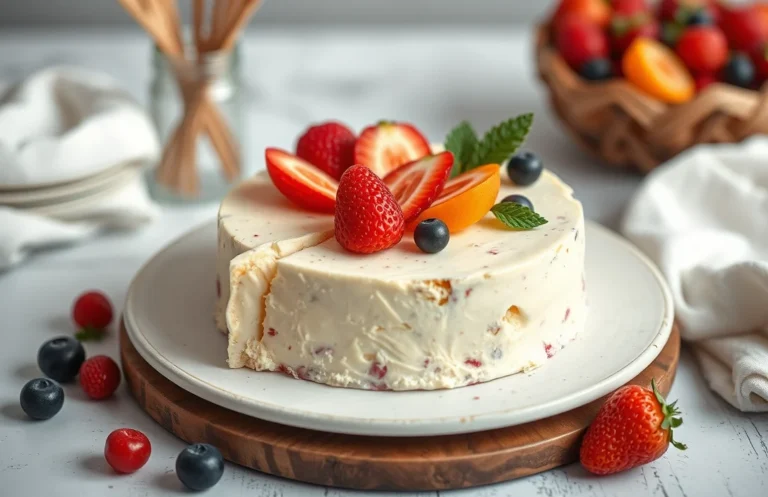
- Garnish with Fresh Berries: Add a handful of fresh strawberries, raspberries, or blueberries on top of your cheesecake. The vibrant colors contrast beautifully against the creamy filling.
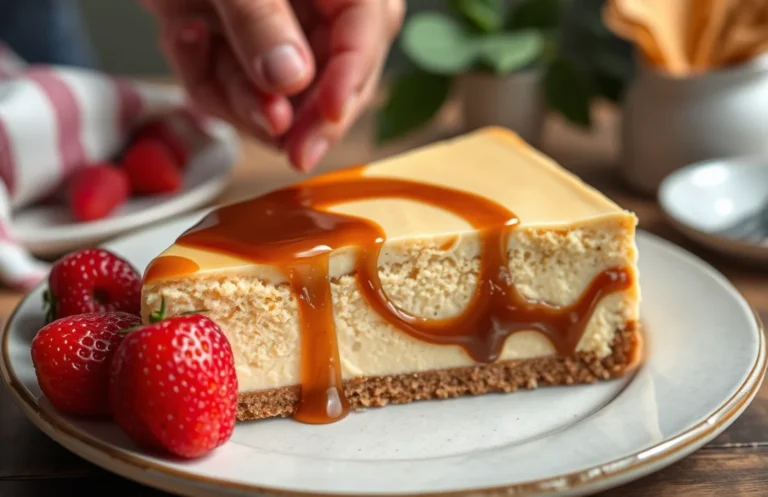
- Drizzle with Sauce: A drizzle of chocolate or caramel sauce adds richness. Use a squirt bottle for precision and artistic flair.
- Whipped Cream: Top each slice with a dollop of freshly whipped cream. For a touch of elegance, pipe the cream using a star tip.
- Mint Leaves: A sprig of fresh mint can add a pop of color and freshness, making your cheesecake look even more inviting.
Chef’s tip: Chill your cheesecake for at least 4 hours (or overnight) before serving to ensure it holds its shape when sliced.
Plating Techniques
When it comes to plating, think beyond the plate. Here are a few techniques to enhance your cheesecake presentation:
- Layered Presentation: Serve individual portions in clear dessert cups, layering cheesecake with fruit or sauce for a striking effect.
- Serve with a Side: Pair each slice with a scoop of gluten-free ice cream or sorbet on the side for a delightful contrast in texture.
- Use Cake Stencils: Dust the top of the cheesecake with powdered sugar using a stencil for a decorative touch.
| Serving Ideas | Description |
|---|---|
| Fresh Berries | Adds color and freshness |
| Sauces | Enhances flavor and visual appeal |
| Whipped Cream | Classic topping for added creaminess |
| Mint Leaves | Fresh touch and garnish |
By incorporating these serving and plating ideas, your gluten-containing or gluten-free cheesecake will look as good as it tastes, making it the star of any gathering!
Quick Summary
| Prep Time | Cook Time | Total Time | Servings |
|---|---|---|---|
| 20 minutes | 60 minutes | 80 minutes | 8 |
- Preheat oven to 325°F (163°C) before starting.
- Prepare crust using gluten-free graham crackers or almond flour.
- Mix cream cheese until smooth to prevent lumps.
- Bake in a water bath for even cooking and moisture.
- Chill for 4 hours before serving to set properly.
- Tip: Use room temperature ingredients for a smoother batter.
- Tip: Avoid overmixing to prevent cracks on the surface.
Frequently Asked Questions
Can I make this ahead of time? How to store and reheat?
You can absolutely make cheesecake ahead of time; in fact, it often tastes better after chilling overnight. Store it in the refrigerator, covered, for up to 5 days, and avoid reheating as it’s best served cold.
What can I substitute for gluten in the crust?
If you’re looking for a gluten-free option, you can substitute traditional graham crackers with gluten-free graham crackers or almond flour. Just make sure to adjust the quantity to maintain the right texture.
How do I know when it’s done?
Your cheesecake is done when the edges are set but the center still has a slight jiggle, which should take about 50-60 minutes at 325°F (163°C). It will firm up as it cools, so don’t overbake!
Can I freeze this? How long does it last?
Yes, you can freeze cheesecake for up to 3 months if properly wrapped in plastic wrap and aluminum foil. Thaw it in the refrigerator overnight before serving for the best texture.
What if I don’t have a springform pan?
If you don’t have a springform pan, you can use a regular cake pan lined with parchment paper, but be careful when removing it. Just ensure the edges are well greased to help with release after baking.

- Decadent Peanut Butter No-Bake Cheesecake: Easy Recipe to Indulge - April 3, 2026
- Delicious Mango No-Bake Cheesecake: Step-by-Step Recipe - April 3, 2026
- Decadent Raspberry No-Bake Cheesecake: Easy Step-by-Step Recipe - April 3, 2026