Delicious Gluten-Free Cheesecake Recipes: Easy to Make at Home
Cheesecake is one of those desserts that can instantly transform any occasion into something special. The creamy, velvety texture paired with a hint of sweetness makes it a beloved comfort food. Whether it’s a cozy weeknight treat or the star of a festive gathering, a gluten-free cheesecake hits the spot every time!
With total time of 1 hour 30 minutes, easy difficulty, and serves 8, this recipe guide will give you everything you need to whip up delicious gluten-free cheesecakes that everyone will love.
| Prep Time | Cook Time | Total Time | Servings | Difficulty |
|---|---|---|---|---|
| 20 minutes | 50 minutes | 1 hour 30 minutes | 8 | Easy |
Cheesecake History and Appeal
Cheesecake has a rich history that traces back to ancient Greece and Rome, making it one of the oldest desserts known to man. Its evolution over centuries has led to various regional adaptations, but one of its most appealing aspects today is its naturally gluten-free profile, allowing more people to enjoy this delightful treat.
Origin of Cheesecake
- Ancient Beginnings: Cheesecake’s roots date back to ancient Greece, where it was served to athletes during the first Olympic Games in 776 B.C. Made with simple ingredients like cheese, honey, and flour, it was a nutritious snack for those in training.
- Roman Influence: The Romans adapted the Greek cheesecake by adding eggs, which contributed to its richer texture. This version spread throughout Europe, evolving into various forms, including the creamy cheesecakes we know today.
- American Variation: The New York-style cheesecake, characterized by its dense and creamy texture, emerged in the 19th century. Made primarily with cream cheese, it set the standard for cheesecakes in the United States.
Why Gluten-Free Cheesecake?
- Natural Ingredients: Traditional cheesecake recipes often use cream cheese, sugar, and eggs as their base, which are naturally gluten-free. This makes cheesecake an excellent option for those with gluten sensitivities.
- Simple Crust Alternatives: For the crust, classic recipes may call for graham crackers, which contain gluten. However, gluten-free alternatives like almond flour, gluten-free cookies, or crushed nuts can be used to create a delicious crust without compromising flavor.
- Inclusive Dessert: Offering a gluten-free cheesecake option ensures that everyone can indulge in this creamy delight, making it a popular choice for gatherings and celebrations.
Ingredients for Gluten-Free Cheesecake
This section outlines the essential ingredients needed to create a delicious gluten-free cheesecake. Understanding the right types of cheese and sweeteners is crucial, as they not only contribute to the flavor and texture but also ensure the dessert remains gluten-free.
| Item | Amount/Specification | Notes |
|---|---|---|
| Cream cheese | 16 ounces (450g) | Softened, full-fat for best texture |
| Sour cream | 1 cup (240ml) | Adds tanginess and creaminess |
| Granulated sugar | 1 cup (200g) | Can substitute with coconut sugar for a lower glycemic index |
| Eggs | 3 large | Room temperature for easier mixing |
| Vanilla extract | 1 teaspoon (5ml) | Enhances overall flavor |
| Gluten-free graham cracker crumbs | 1 ½ cups (150g) | Choose certified gluten-free brands |
| Unsalted butter | ½ cup (113g) | Melted, for crust binding |
- For a richer flavor, use a mixture of cream cheese and mascarpone cheese.
- Ensure all ingredients are at room temperature to avoid lumps in your batter.
- Watch for the consistency of the batter; it should be smooth and creamy before baking.
- If you want to make it dairy-free, try using dairy-free cream cheese and coconut yogurt.
Essential Kitchen Equipment
To create a delicious gluten-free cheesecake, having the right kitchen equipment is crucial. This section will guide you through the essential tools needed to make your cheesecake with ease and efficiency, ensuring perfect results every time.
- Springform Pan (9-inch): A springform pan is essential for cheesecakes as it allows for easy removal without damaging the delicate crust and filling. Look for a sturdy one that locks tightly to prevent leaks.
- Mixing Bowls: Use at least two mixing bowls—one for the crust and another for the filling. A large bowl for the filling should be big enough to accommodate all the ingredients without spilling, ideally around 3 quarts (2.8 liters).
- Electric Mixer: A stand mixer or hand mixer will help you achieve a smooth filling without lumps. Beat the cream cheese until it’s creamy and fluffy, which takes about 2-3 minutes on medium speed.
- Rubber Spatula: This tool is perfect for folding ingredients together and scraping down the sides of your mixing bowls. It ensures that every bit of cream cheese is incorporated smoothly into your mixture.
- Measuring Cups and Spoons: Precision is key in baking, so have a set of dry measuring cups and spoons ready. You’ll need them for measuring ingredients like sugar, gluten-free flour, and butter accurately.
- Food Processor: If you’re making a homemade crust, a food processor will quickly blend together the gluten-free cookies or nuts needed for the base. Pulse until you achieve a fine crumb consistency.
- Offset Spatula: This tool is great for spreading the cheesecake batter evenly in the pan. It allows you to reach corners and create a smooth top, making for an attractive finished product.
Chef’s tip: Make sure all your ingredients are at room temperature for an even texture and easier mixing.
Step-by-Step Baking Instructions
This section will guide you through the preparation and baking process for a gluten-free cheesecake. Each step is designed to ensure your cheesecake comes out perfectly creamy and delicious, highlighting why this dessert can be gluten-free.
Preparation Steps
- Preheat your oven to 325°F (163°C). This temperature is ideal for baking a cheesecake, allowing it to set properly without cracking.
- Gather your ingredients: 1 ½ cups gluten-free graham cracker crumbs, ½ cup unsalted butter (melted), 2 cups cream cheese (softened), 1 cup granulated sugar, 3 large eggs, 1 teaspoon vanilla extract, and ½ cup sour cream. Make sure all ingredients are at room temperature for the best texture.
- In a medium bowl, combine the gluten-free graham cracker crumbs and melted butter. Mix until the crumbs are evenly coated and resemble wet sand. Press this mixture firmly into the bottom of a 9-inch springform pan to form a crust.
Baking Process
- In a large mixing bowl, beat the softened cream cheese with an electric mixer on medium speed until smooth and creamy, about 2-3 minutes. Scrape down the sides of the bowl to ensure everything is well combined.
- Gradually add the granulated sugar while mixing, followed by the eggs one at a time, mixing just until combined. Be careful not to overmix; you want to keep the air bubbles minimal to avoid cracking.
- Stir in the vanilla extract and sour cream until just combined. The mixture should be smooth and creamy, with a slight sheen.
- Pour the cheesecake filling over the crust in the springform pan. Use a spatula to spread it evenly. Tap the pan gently on the counter to release any air bubbles.
- Bake in the preheated oven for 50-60 minutes. The edges should be set, but the center will still be slightly wobbly. Do not open the oven door during the first 40 minutes to prevent deflating.
- Once baked, turn off the oven and crack the oven door open slightly. Let the cheesecake cool in the oven for 1 hour. This gradual cooling helps prevent cracks.
- Remove the cheesecake from the oven, cool to room temperature, and refrigerate for at least 4 hours or overnight before serving. This allows the flavors to meld and the texture to firm up.
Pro Tips for Gluten-Free Success
Creating a gluten-free cheesecake can be a delightful endeavor, but there are some nuances to keep in mind to ensure your dessert turns out perfectly. This section will guide you through the best practices for avoiding cracks and achieving a creamy texture, while also highlighting common pitfalls to steer clear of.
Avoiding Cracks
- Use a water bath: Baking your cheesecake in a water bath helps regulate the temperature and prevents the top from baking too quickly, which can cause cracks. Wrap the outside of your springform pan with aluminum foil to prevent water from seeping in, and place it in a larger pan filled with hot water before baking.
- Don’t overmix: Overmixing the batter can incorporate too much air, leading to cracks as the cheesecake cools. Mix the ingredients just until combined, and stop once you see no dry spots.
- Let it cool gradually: After baking, turn off the oven and crack the door open, allowing the cheesecake to cool slowly inside. This will help prevent sudden temperature changes that could lead to cracks.
Texture Tips
- Room temperature ingredients: Ensure your cream cheese, eggs, and sour cream are at room temperature before mixing. This promotes a smoother batter and a creamier texture.
- Use the right sweeteners: If you’re substituting sugar for a gluten-free sweetener, choose one that is granulated for the best consistency. Avoid liquid sweeteners, which can alter the texture of your cheesecake.
- Don’t skip the chilling time: After baking, allow your cheesecake to chill in the refrigerator for at least 4-6 hours, preferably overnight. This helps the flavors meld and gives you that perfect, dense cheesecake texture.
Variations and Substitutions
When it comes to gluten-free cheesecake, there are plenty of ways to customize the recipe to suit different dietary preferences or flavor profiles. Whether you’re looking for a vegan option or want to try a different flavor, these variations will keep your cheesecake exciting and inclusive!
Vegan Options
| Item | Amount/Specification | Notes |
|---|---|---|
| Cashews (soaked) | 1 ½ cups (225g) | Soak in water for 4 hours for creaminess |
| Coconut cream | 1 cup (240ml) | Adds a rich, creamy texture |
| Maple syrup | ½ cup (120ml) | For sweetness; adjust to taste |
| Vegan butter | ½ cup (115g) | Use for crust instead of regular butter |
Flavor Variations
| Flavor | Amount/Specification | Notes |
|---|---|---|
| Chocolate | ½ cup (50g) cocoa powder | Add to the filling for a chocolate cheesecake |
| Fruit | 1 cup (150g) pureed fruit (e.g., strawberries, blueberries) | Swirl into the filling or use as a topping |
| Citrus | 2 tablespoons lemon or lime juice | Add zest for extra flavor |
- For a nut-free vegan cheesecake, substitute cashews with silken tofu for a different texture.
- Experiment with spices like cinnamon or nutmeg to enhance flavor.
- To avoid common mistakes, ensure that your cheesecake is fully set before removing it from the oven; it should be slightly jiggly in the center.
Serving and Plating Suggestions
Presenting your gluten-free cheesecake beautifully can enhance its appeal and make it an unforgettable treat. Here are some creative garnishing ideas and pairing recommendations to elevate your cheesecake experience.
Garnishing Ideas
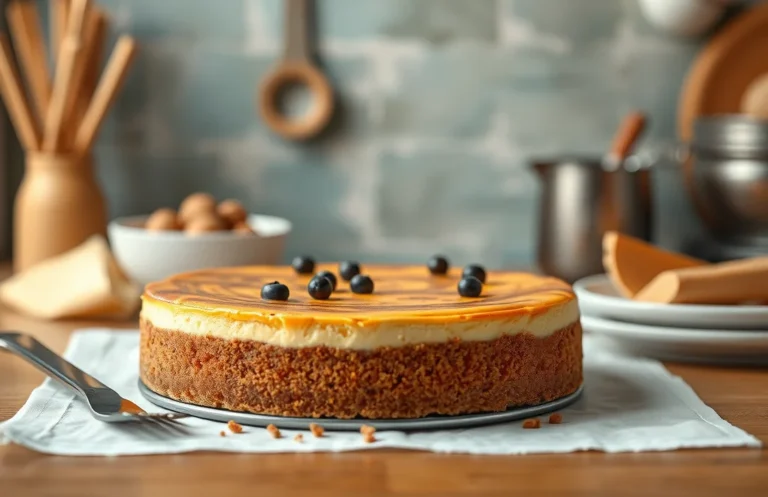
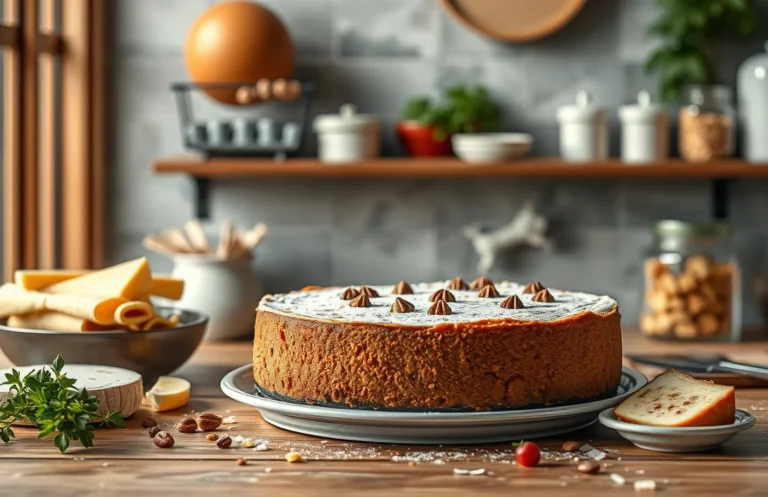
- Dust the top of the cheesecake with powdered sugar using a fine sieve for a delicate finish. This not only adds a touch of elegance but also a sweet complement to the creamy texture.
- Top with fresh berries such as strawberries, blueberries, or raspberries. Arrange them in a circular pattern around the edge, or create a berry compote by simmering 1 cup of mixed berries with 2 tablespoons of honey until slightly thickened.
- Drizzle a sauce made from melted chocolate or caramel over the cheesecake. For chocolate sauce, melt ½ cup of dark chocolate with 2 tablespoons of heavy cream until smooth and glossy.
Pairing Recommendations
- Serve with a dollop of freshly whipped cream. Whip 1 cup of heavy cream with 2 tablespoons of sugar until soft peaks form, then spoon onto each slice before serving.
- Complement the richness of the cheesecake with a side of coffee or a light herbal tea, which can balance the flavors and cleanse the palate.
- For a unique twist, pair with a scoop of gluten-free vanilla ice cream or sorbet for a delightful contrast in temperature and texture.
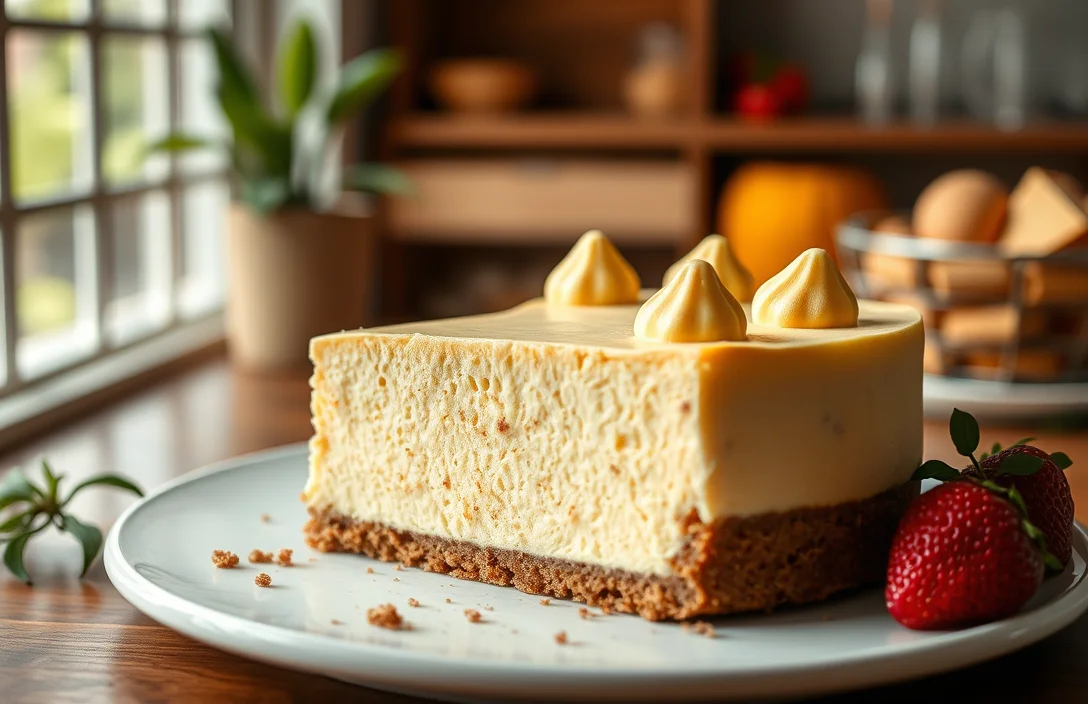
Keep in mind that presentation matters. Use a sharp knife to cut clean slices for a polished look, and serve on a beautiful plate to make your gluten-free cheesecake the star of the dessert table!
Quick Summary
| Prep Time | Cook Time | Total Time | Servings |
|---|---|---|---|
| 20 minutes | 60 minutes | 1 hour 20 minutes | 8 servings |
- Use gluten-free crust: Opt for almond flour or gluten-free cookies.
- Bake in a water bath: Prevents cracking and keeps it moist.
- Room temperature ingredients: Ensures a smooth, creamy texture.
- Cool gradually: Let it cool in the oven with the door ajar to avoid cracks.
- Chill before serving: Refrigerate for at least 4 hours for best flavor.
- Key Tip: Avoid overmixing to prevent air bubbles.
- Key Tip: Use a high-quality cream cheese for rich flavor.
Frequently Asked Questions
Can I make this cheesecake ahead of time? How to store and reheat?
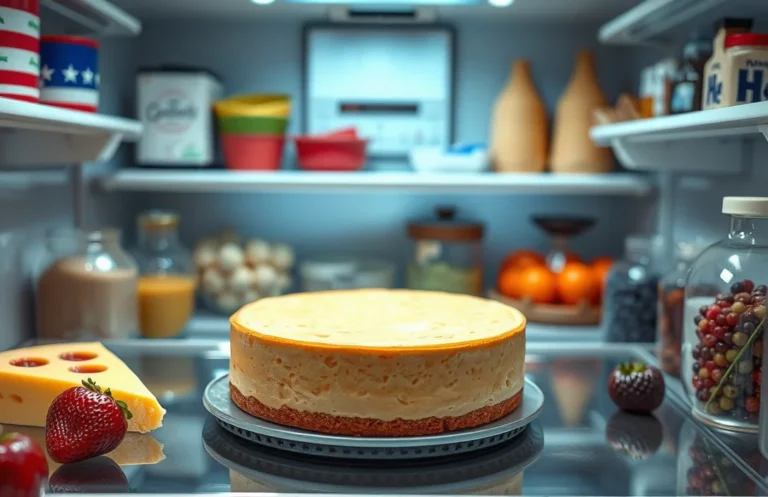
You can absolutely make this cheesecake up to 2 days in advance. Store it in the refrigerator, covered tightly with plastic wrap, and simply serve it cold; no reheating needed!
What can I substitute for the cream cheese?
If you’re looking for a lighter alternative, you can use ricotta cheese or a vegan cream cheese for a dairy-free option, keeping the texture and flavor in mind.
How do I know when the cheesecake is done?
Your cheesecake is done when the edges are set, but the center still has a slight jiggle—around 50-60 minutes at 325°F (163°C) should do the trick.
Can I freeze this cheesecake? How long does it last?
Yes, you can freeze your cheesecake for up to 3 months. Just wrap it tightly in plastic wrap and then in aluminum foil to prevent freezer burn.
What if I don’t have a springform pan?
If you don’t have a springform pan, you can use a regular 9-inch cake pan lined with parchment paper, although it might be a bit trickier to remove the cheesecake once set.

- Top 10 2nd Hand Espresso Machine 2026 - July 29, 2026
- Top 10 Water Filter For Espresso Machine 2026 - July 29, 2026
- Top 10 Rotary Pump Espresso Machine 2026 - July 29, 2026