Cheesecake Slice Calories: Discover Low-Calorie Options & Tips
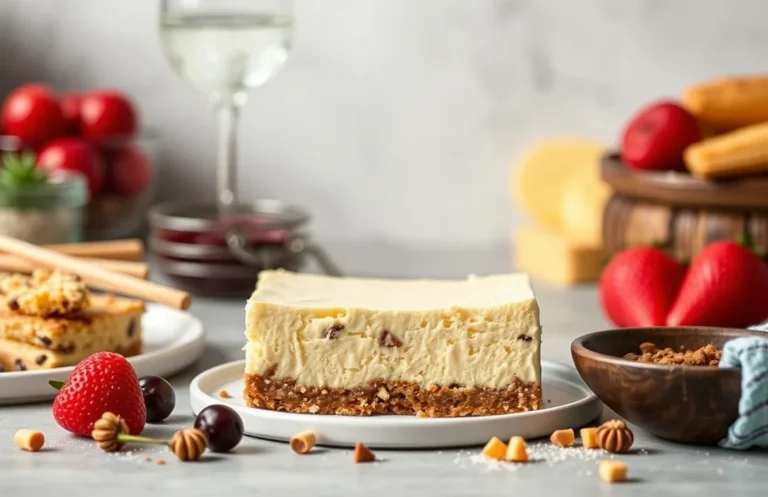
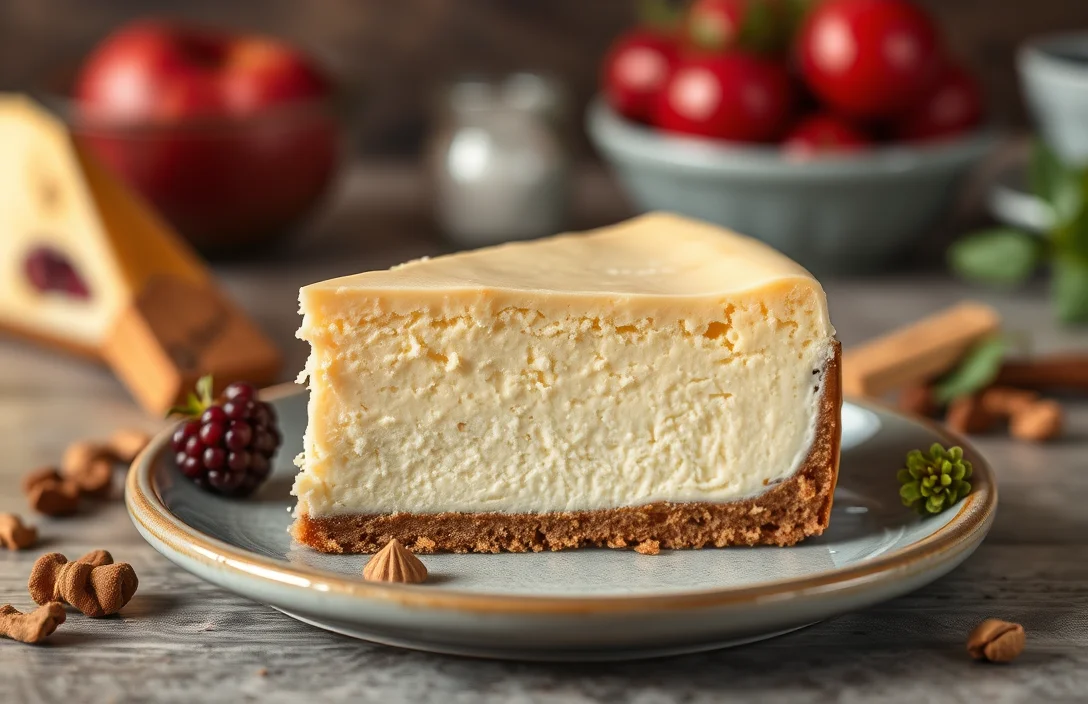
If you’re looking for a dessert that’s always a hit, cheesecake is your go-to. Rich, creamy, and satisfying, each slice melts in your mouth, making it the ultimate comfort food for gatherings or a special weeknight treat. Once you try it, you’ll understand why everyone loves it!
In this guide, you’ll find out the calories in a standard slice of cheesecake, variations with different calorie counts, and tips for lower-calorie options. You’ll also get a detailed breakdown of fat and sugar content, ensuring you have all the info you need.
| Prep Time | Cook Time | Total Time | Servings | Difficulty |
|---|---|---|---|---|
| 20 minutes | 60 minutes | 1 hour 20 minutes | 8 slices | Medium |
Cheesecake Origins
Understanding the origins of cheesecake not only enriches your appreciation for this beloved dessert but also sheds light on its calorie content and variations. Cheesecake has a fascinating history that intertwines with cultural significance, making it a dish cherished across generations.
Historical Background
Cheesecake dates back to ancient Greece, where it was served to athletes during the first Olympic Games in 776 B.C. It was made from simple ingredients like cheese, flour, and honey, showcasing the natural flavors of the region. The Romans later adopted this recipe, spreading it throughout their empire, and it evolved into various forms.
Cultural Significance
With its rich history, cheesecake has become a staple in many cultures. In the United States, it is especially popular as a celebratory dessert, often gracing tables at birthdays and holidays. Different regions have their own spins on the classic recipe:
- New York Style: Known for its dense, creamy texture, often made with cream cheese.
- Italian Ricotta: Lighter and fluffier, typically made with ricotta cheese.
- Japanese Soufflé: Fluffy and airy, resembling a cake more than a traditional cheesecake.
Chef’s tip: The thickness and ingredients of your cheesecake will significantly affect the calorie count of each slice.
| Style of Cheesecake | Calories per Slice |
|---|---|
| New York Style | 400-600 calories |
| Italian Ricotta | 300-500 calories |
| Japanese Soufflé | 200-400 calories |
The calorie count in cheesecake can vary widely depending on the ingredients and serving size. Knowing its origins helps you understand the variations you might encounter, guiding your choices for healthier options while appreciating this delightful dessert.
Ingredients for Cheesecake
This section outlines the essential ingredients needed to create a delicious cheesecake and their respective measurements. Understanding these ingredients is crucial as they not only contribute to the taste and texture of the cheesecake but also significantly impact the calorie count per slice.
| Item | Amount/Specification | Notes |
|---|---|---|
| Cream Cheese | 16 ounces (450g) | Softened, full-fat for richness |
| Sugar | 1 cup (200g) | Granulated, can be adjusted for sweetness |
| Eggs | 3 large | Room temperature for better mixing |
| Vanilla Extract | 1 teaspoon (5ml) | Pure vanilla extract enhances flavor |
| Graham Cracker Crumbs | 1 ½ cups (150g) | For crust, can substitute with almond flour for gluten-free |
| Unsalted Butter | ½ cup (115g) | Melted for crust binding |
- Tip: For a lower-calorie option, consider using reduced-fat cream cheese or Greek yogurt.
- Tip: Make sure to soften the cream cheese completely; this prevents lumps in your filling.
- Tip: When mixing, avoid overbeating to prevent excess air and cracks during baking.
Kitchen Tools Needed
To create a delicious cheesecake while keeping an eye on the calories, you’ll need specific kitchen equipment to ensure everything comes together perfectly. Having the right tools at hand not only makes the process smoother but also contributes to achieving the desired texture and flavor in your cheesecake.
- Mixing Equipment: You’ll need a large mixing bowl and an electric mixer or a whisk. The electric mixer will help you achieve a smooth and creamy filling by beating the cream cheese and sugar until fluffy. If using a whisk, be prepared for a good workout, but it can still produce great results if you whisk vigorously for about 5-7 minutes.
- Baking Pan: A 9-inch (23 cm) springform pan is ideal for baking cheesecake. This type of pan allows you to easily remove the cheesecake without damaging its delicate structure. Before pouring in your batter, make sure to line the bottom with parchment paper for easy release.
- Cooling Rack: A wire cooling rack is essential for letting your cheesecake cool properly after baking. This prevents it from becoming soggy by allowing air to circulate around it. Let it cool in the pan for about 10-15 minutes, then remove the sides of the springform pan to cool completely on the rack.
Cooking Instructions
This section will guide you through the essential steps to prepare a delicious cheesecake, ensuring you keep an eye on the calorie content of each slice. Following these instructions closely will help you achieve the perfect balance of flavor and texture, while also considering healthier options if desired.
- Prepare the Crust: Preheat your oven to 350°F (175°C). In a medium bowl, combine 1 ½ cups graham cracker crumbs (150g) with ⅓ cup granulated sugar (67g) and ½ cup unsalted butter, melted (113g). Mix until well combined, and the texture resembles wet sand. Press the mixture firmly into the bottom of a 9-inch springform pan, creating an even layer. Bake for 8-10 minutes until lightly golden and fragrant, then remove from the oven and let it cool slightly.
- Mix the Filling: In a large mixing bowl, beat 24 ounces (680g) of cream cheese at room temperature until smooth, about 2-3 minutes. Gradually add 1 cup (200g) granulated sugar and 1 teaspoon vanilla extract, mixing until well combined. Add 3 large eggs, one at a time, mixing gently after each addition. The mixture should be creamy and slightly thick. Avoid overmixing to prevent air bubbles, which can cause cracks later on.
- Bake and Cool: Pour the filling over the cooled crust and smooth the top with a spatula. Bake in the preheated oven for 50-60 minutes. The edges should be set, but the center will still have a slight jiggle. Turn off the oven and crack the door open, allowing the cheesecake to cool for 1 hour inside. This helps prevent cracking. Once cool, refrigerate for at least 4 hours or overnight for best results. A well-chilled cheesecake will slice cleanly and hold its shape.
Chef’s tip: For a lower-calorie cheesecake, consider using reduced-fat cream cheese and substituting half of the sugar with a sugar alternative.
Expert Tips for Cheesecake
Creating the perfect cheesecake goes beyond just following the recipe; it’s about mastering the little details that can make or break your dessert. Here are some essential tips to avoid common pitfalls and achieve a creamy texture while keeping an eye on those cheesecake slice calories.
- Avoiding Cracks: To prevent cracks on the surface of your cheesecake, always bake it in a water bath. Place your springform pan inside a larger pan filled with hot water during baking. This method ensures even heat distribution and keeps the cheesecake moist. Remember to cover the outer pan with foil to prevent water from seeping in.
- Perfecting the Texture: For a silky-smooth cheesecake, make sure all your ingredients are at room temperature before mixing. Cold ingredients can create lumps, affecting the final texture. When mixing, use a low speed to avoid incorporating too much air, which can lead to cracks and a fluffy texture rather than a dense one.
- Calorie Conscious Choices: If you’re looking to lower the calories in your cheesecake, consider using low-fat cream cheese or Greek yogurt as substitutes. These alternatives can significantly reduce the calorie count while still providing a creamy texture. Also, using a nut-based crust instead of traditional graham crackers can add healthy fats and flavor without extra calories.
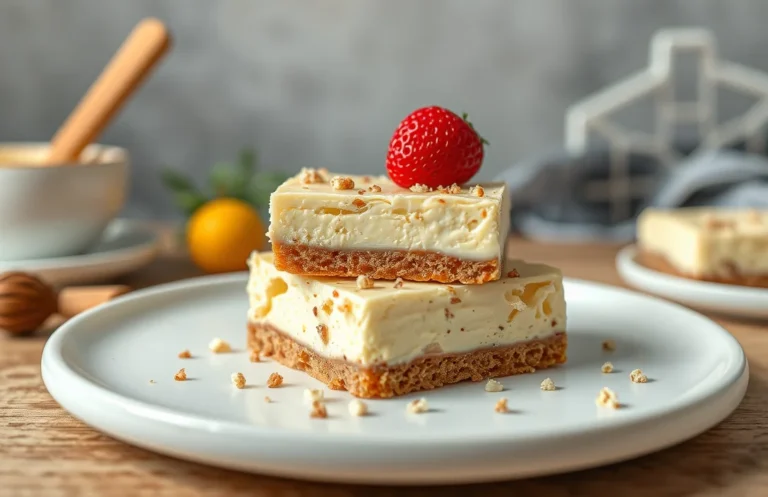
- Portion Control: A standard slice of cheesecake typically ranges from 250 to 400 calories, depending on the ingredients used. To keep your slice satisfying yet lower in calories, aim for smaller portions, or cut your cheesecake into mini squares for a bite-sized treat.
Cheesecake Variations
Exploring different cheesecake variations can be a delightful way to enjoy this classic dessert while being mindful of calorie content. By adjusting ingredients or flavors, you can create a cheesecake that suits various dietary needs without compromising on taste.
Flavor Variations
Cheesecakes can be made with various flavors, each altering the calorie count slightly based on the ingredients. Here are some popular variations:
- Classic New York Cheesecake: Approximately 250 calories per slice (1/12 of a 9-inch cheesecake).
- Chocolate Cheesecake: Around 350 calories per slice, thanks to added cocoa and chocolate.
- Fruit-Topped Cheesecake: Adds about 50 calories per slice, depending on the type of fruit used.
- Pumpkin Cheesecake: Approximately 300 calories per slice due to pumpkin puree and spices.
Dietary Options
For those seeking lower-calorie or dietary-friendly options, consider these substitutions:
| Ingredient | Substitution | Calories Saved |
|---|---|---|
| Full-fat cream cheese (8 oz) | Neufchâtel cheese (8 oz) | Approximately 100 calories |
| Sour cream (1 cup) | Greek yogurt (1 cup) | Approximately 100 calories |
| Granulated sugar (1 cup) | Stevia (1/2 cup) | Approximately 775 calories |
Chef’s tip: If you’re making a gluten-free cheesecake, use almond flour for the crust instead of traditional graham crackers to maintain texture while cutting down on calories.
By experimenting with these variations and substitutions, you can enjoy cheesecake that fits your dietary preferences while keeping calorie counts in check!
Serving Cheesecake
When it comes to serving cheesecake, presentation and pairings can elevate the experience. Not only does how you plate your cheesecake matter, but the right accompaniments can enhance flavors and provide a delightful contrast, all while being mindful of calorie content.
Garnishing Ideas
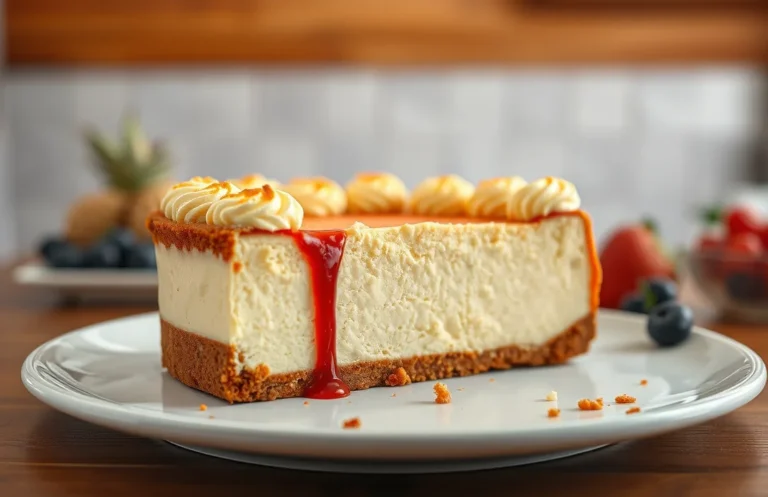
- Fresh Berries: Top each slice with a handful of fresh raspberries, blueberries, or strawberries. Not only do they add a pop of color, but they also contribute a refreshing tartness that balances the sweetness of the cheesecake. A ½ cup of mixed berries adds approximately 40 calories.
- Whipped Cream: A dollop of light whipped cream can enhance the creamy texture. Use about 2 tablespoons for a light touch, which adds around 30 calories. For a lower-calorie option, try using a whipped topping made from coconut cream.
- Chocolate Shavings: If you want to indulge, sprinkle a few dark chocolate shavings on top. Just 1 tablespoon of finely shaved dark chocolate adds about 50 calories, and provides a rich flavor contrast.
Beverage Pairings
- Coffee: A robust cup of coffee pairs beautifully with cheesecake. Opt for a black coffee to keep calories low, or enjoy it with a splash of almond milk (about 5 calories per tablespoon).
- Tea: A soothing herbal tea, such as chamomile or mint, complements the richness of cheesecake without adding calories. Brew a cup and enjoy the calming aroma as you savor your dessert.
- Light Dessert Wine: If you prefer something a bit more indulgent, a glass of light dessert wine can enhance the flavors. Keep in mind, a 5-ounce serving typically adds around 120 calories.
Calorie Count Breakdown
Understanding the calorie content of different cheesecake variations can help you make informed choices while indulging in this delicious dessert. This section provides a breakdown of standard slice calories and highlights lighter alternatives for those looking to enjoy cheesecake with fewer calories.
Standard Slice Calories
A typical slice of classic cheesecake (about 1/12 of a 9-inch cheesecake) contains approximately 250-400 calories. The variance depends on the recipe and ingredients used. Here’s a quick reference for standard cheesecake varieties:
- New York Style Cheesecake: 350 calories
- Chocolate Cheesecake: 400 calories
- Fruit Topped Cheesecake: 300 calories
Light Variations
If you’re looking to satisfy your cheesecake cravings with fewer calories, consider these lighter options:
- Low-Fat Cheesecake: Approximately 200 calories per slice by using low-fat cream cheese and Greek yogurt.
- Crustless Cheesecake: About 180 calories, omitting the crust reduces carbs and fat.
- Vegan Cheesecake: Ranges from 150-250 calories, often made with cashews or tofu instead of cream cheese.
Chef’s tip: To lower the calorie count, consider using a sugar substitute like stevia or monk fruit in your cheesecake recipes.
| Cheesecake Type | Calories per Slice |
|---|---|
| New York Style | 350 |
| Chocolate | 400 |
| Fruit Topped | 300 |
| Low-Fat | 200 |
| Crustless | 180 |
| Vegan | 150-250 |
Quick Summary
| Prep Time | Cook Time | Total Time | Servings |
|---|---|---|---|
| 15 minutes | 60 minutes | 1 hour 15 minutes | 8 slices |
- Preheat oven to 325°F (160°C) for even baking.
- Use room temperature cream cheese for a smooth mixture.
- Beat ingredients gently to avoid adding too much air.
- Bake in a water bath to prevent cracking.
- Chill for at least 4 hours before slicing for best flavor.
- Tip: Use a springform pan for easy release.
- Tip: Avoid overbaking to keep it creamy and moist.
Frequently Asked Questions
Can I make this ahead of time? How to store and reheat?
You can make cheesecake slices up to 2 days in advance. Store them in an airtight container in the fridge, and they don’t require reheating — just enjoy them cold!
What can I substitute for cream cheese?
You can substitute cream cheese with an equal amount of ricotta cheese or a dairy-free cream cheese alternative for a lighter cheesecake. Just note that the texture and flavor may vary slightly.
How do I know when it’s done?
Your cheesecake is done when the edges are set but the center still has a slight jiggle, usually around 45-50 minutes at 325°F (160°C). It will firm up as it cools, so don’t worry if it looks a bit wobbly!
Can I freeze this? How long does it last?
You can absolutely freeze cheesecake slices for up to 3 months if wrapped tightly in plastic wrap and aluminum foil. Thaw them in the fridge overnight before serving for the best texture.
Why did my cheesecake turn out too dense?
If your cheesecake is too dense, it may be due to overmixing the batter or baking it at too high a temperature. Make sure to mix just until combined and bake at the recommended temperature for best results.

- Decadent Peanut Butter No-Bake Cheesecake: Easy Recipe to Indulge - April 3, 2026
- Delicious Mango No-Bake Cheesecake: Step-by-Step Recipe - April 3, 2026
- Decadent Raspberry No-Bake Cheesecake: Easy Step-by-Step Recipe - April 3, 2026