The Rich History of Cheesecake: Recipes and Cultural Variations
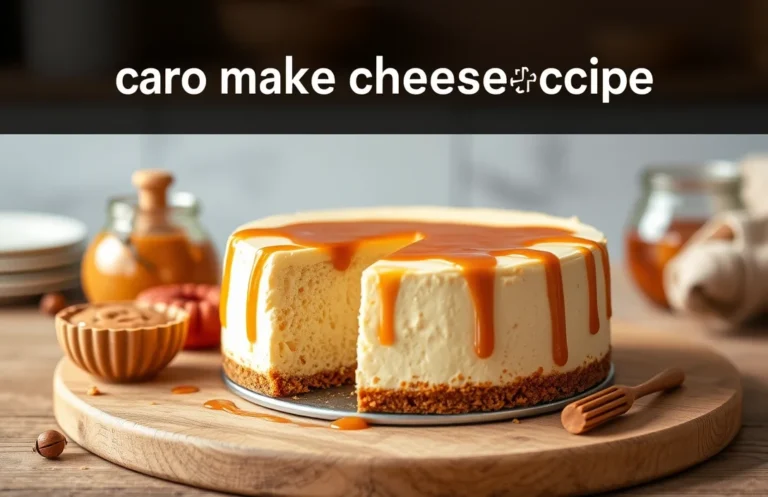
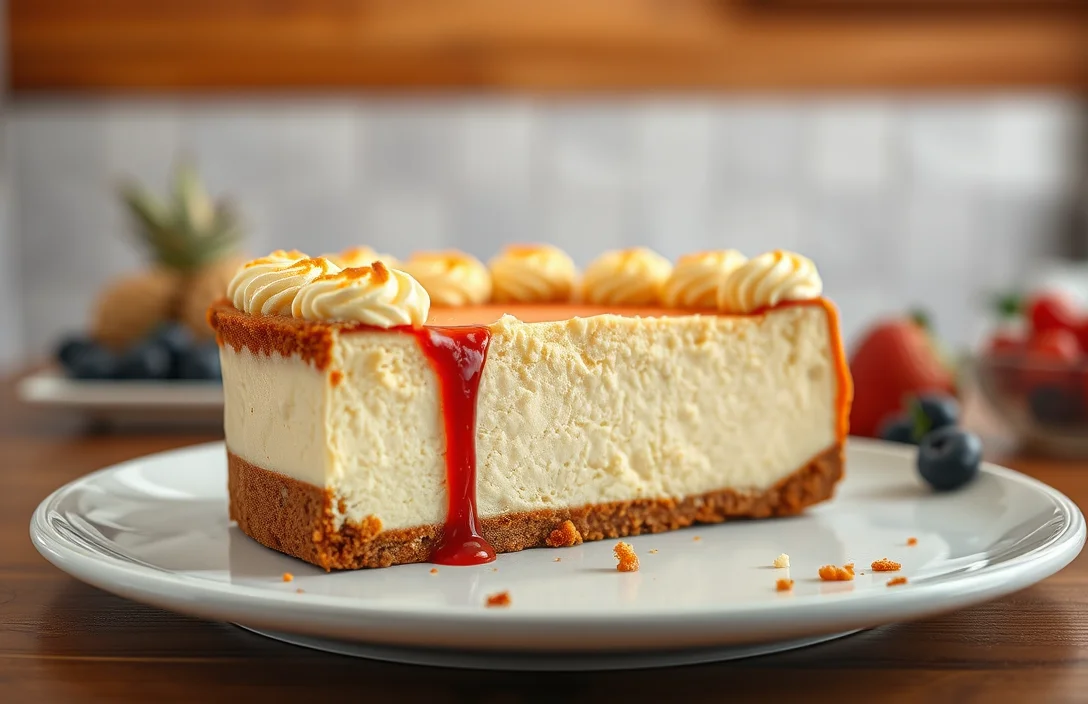
Cheesecake is one of those desserts that can turn any occasion into a celebration. Its creamy, rich texture paired with a crumbly crust makes it a favorite for gatherings, birthdays, or simply a cozy night in. You can almost taste the love and tradition that goes into every slice!
This cheesecake recipe takes about 1 hour and 30 minutes to make, with a medium difficulty level, and yields 8 servings. You’ll find precise measurements and step-by-step instructions, so you can confidently create a delicious dessert.
| Prep Time | Cook Time | Total Time | Servings | Difficulty |
|---|---|---|---|---|
| 30 minutes | 1 hour | 1 hour 30 minutes | 8 | Medium |
Cheesecake’s Historical Roots
Cheesecake has a rich and fascinating history that traces back to ancient civilizations. Understanding its origins helps us appreciate the evolution of this beloved dessert and its cultural significance throughout the ages.
Ancient Greece
- First References: The earliest known cheesecake dates back to ancient Greece, where it was served to athletes during the first Olympic Games in 776 B.C. It was made with simple ingredients like cheese, honey, and flour.
- Cultural Significance: The Greeks considered cheesecake a source of energy and nourishment, often serving it at weddings and festivals, highlighting its importance in social traditions.
Roman Influence
- Adoption and Adaptation: The Romans adopted the Greek cheesecake recipe and began to experiment with it, adding new flavors and ingredients. They introduced the use of fresh eggs and cream, making it richer.
- Spread Across Europe: As the Roman Empire expanded, so did the cheesecake. The dessert made its way to different regions, each adapting it to local tastes and ingredients, laying the groundwork for the variations we see today.
Key Ingredients for Cheesecake
Understanding the key ingredients of cheesecake is essential not only for replicating its rich flavor and texture but also for appreciating its historical roots. The primary components—cream cheese and crust ingredients—have evolved through various cultures, influencing the styles we enjoy today.
| Item | Amount/Specification | Notes |
|---|---|---|
| Cream Cheese | 24 ounces (680g) | Room temperature for easy mixing; essential for classic cheesecake texture. |
| Sugar | 1 cup (200g) | Granulated sugar is typical; adjust for sweetness preference. |
| Sour Cream | 1 cup (240ml) | Adds creaminess and a slight tang; can substitute with Greek yogurt. |
| Vanilla Extract | 2 teaspoons | Use pure vanilla extract for the best flavor. |
| Eggs | 4 large | Room temperature; provides structure and stability. |
| Graham Cracker Crumbs | 1 ½ cups (150g) | For the crust; can use gluten-free crumbs for allergies. |
| Butter | ½ cup (115g) | Melted; binds the crust together; use dairy-free alternative if needed. |
- Tip: Ensure cream cheese is fully softened to avoid lumps in the batter.
- Warning: Overmixing the batter can introduce too much air, leading to cracks during baking.
- For a flavored variation, consider adding lemon zest or almond extract.
Essential Kitchen Tools
When preparing cheesecake, having the right kitchen tools can make all the difference in achieving that perfect, creamy texture. This section highlights the essential equipment you’ll need to craft a delightful cheesecake, along with tips on how to use them effectively.
| Item | Amount/Specification | Notes |
|---|---|---|
| Mixing Bowls | 2 large, heat-resistant | Use one for the crust and one for the filling. |
| Springform Pan | 9-inch (23cm) | Allows easy removal of the cheesecake; ensure it seals properly to avoid leaks. |
- Mixing Bowls: Choose bowls with a wide base for easier mixing. Glass or stainless steel is preferred as they withstand heat.
- Springform Pan: Grease the sides with butter or line with parchment paper for easier release.
- For a classic New York-style cheesecake, a sturdy springform pan is crucial to achieving the right height and texture.
- Consider using an electric mixer for the filling to ensure a smooth consistency without lumps.
Step-by-Step Cheesecake Recipe
This section will guide you through the essential steps to prepare the crust and mix the filling for your cheesecake. Each step is designed to ensure you achieve a deliciously creamy and perfectly set cheesecake that reflects its rich origins.
Preparing the Crust
- Preheat your oven to 350°F (175°C). This temperature is crucial for creating a firm crust that holds everything together.
- In a mixing bowl, combine 1 ½ cups (150g) of graham cracker crumbs, ½ cup (100g) of granulated sugar, and ½ cup (115g) of melted unsalted butter. Mix until the crumbs are evenly moistened and resemble wet sand.
- Press the mixture firmly into the bottom of a 9-inch (23cm) springform pan. Use a flat-bottomed measuring cup to ensure an even layer. Bake for 10 minutes, until lightly golden and fragrant. Let it cool while you prepare the filling.
Mixing the Filling
- In a large mixing bowl, beat 4 (8-ounce) packages of cream cheese at room temperature with an electric mixer on medium speed until smooth and creamy, about 2-3 minutes. Scrape down the sides of the bowl to ensure even mixing.
- Add 1 cup (200g) of granulated sugar, 1 teaspoon of vanilla extract, and 4 large eggs, one at a time. Beat on low speed until fully combined, about 1 minute. The filling should be smooth and slightly thickened.
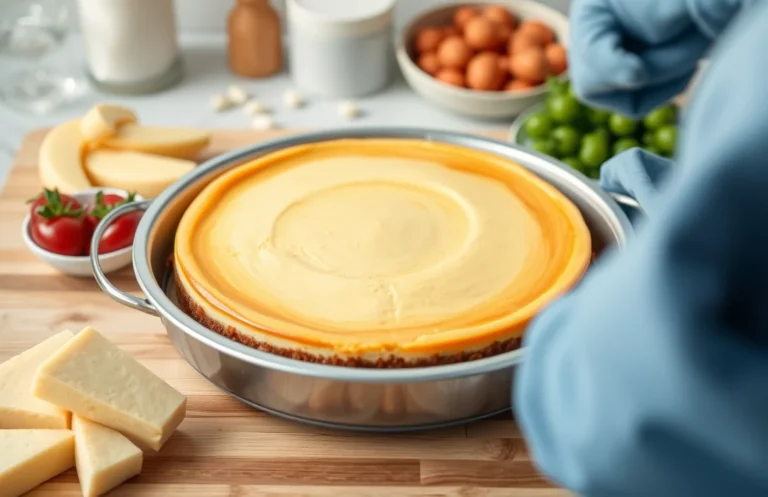
- Pour the filling over the cooled crust, spreading it evenly. Tap the pan gently on the counter to remove any air bubbles. The surface should look smooth and glossy. Your cheesecake is now ready for baking!
Expert Tips for Cheesecake Success
Creating a perfect cheesecake is an art that requires attention to detail. In this section, we’ll discuss how to prevent cracks and the best cooling techniques to ensure your cheesecake is as smooth and creamy as its origins intended.
Preventing Cracks
- Use Room Temperature Ingredients: Make sure your cream cheese, eggs, and sour cream are at room temperature before mixing. This helps create a smooth batter and prevents air bubbles that can lead to cracks.
- Mix Gently: When combining ingredients, use a low speed on your mixer. Overmixing introduces too much air, which can cause the cheesecake to rise and crack as it bakes.
- Water Bath Method: Baking your cheesecake in a water bath (bain-marie) by placing it in a larger pan filled with hot water can help regulate the temperature and provide moisture, which reduces the chance of cracks.
- Don’t Overbake: Keep an eye on your cheesecake towards the end of the baking time. It should be set around the edges but slightly jiggly in the center. Remove it from the oven at this point to avoid overcooking.
Cooling Techniques
- Cool Gradually: After baking, turn off the oven and crack the door open, letting the cheesecake cool slowly. This helps prevent sudden temperature changes that can cause cracks.
- Chill in the Fridge: Once cooled to room temperature, refrigerate your cheesecake for at least 4 hours, preferably overnight. This allows it to set properly and enhances the flavor.
- Cover Loosely: When refrigerating, cover the cheesecake loosely with plastic wrap to avoid condensation dripping onto the surface, which could create a soggy texture.
Cultural Cheesecake Variations
This section highlights the distinct regional styles of cheesecake, showcasing how different cultures have influenced the beloved dessert. Understanding these variations not only adds depth to your cheesecake-making experience but also connects you to the rich history and traditions behind each style.
New York-Style Cheesecake
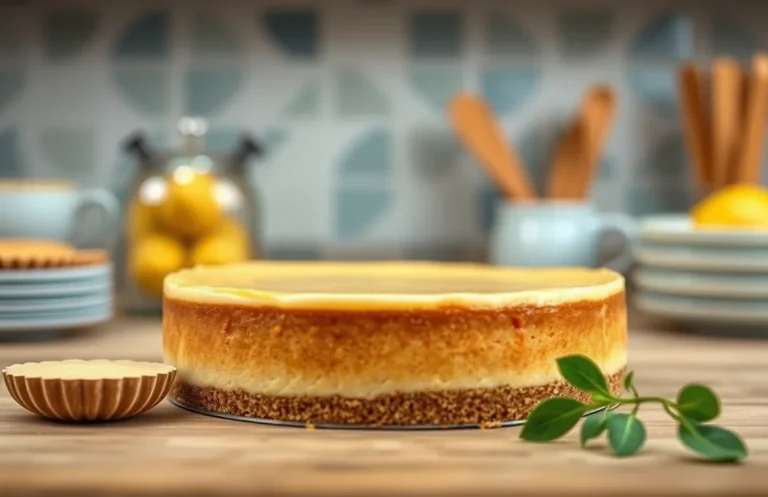
New York-style cheesecake is famous for its dense, creamy texture and rich flavor. Made primarily with cream cheese, this version often includes sour cream or heavy cream for added richness. The crust is usually made from graham crackers, providing a sweet and crunchy contrast to the smooth filling.
- 2 cups graham cracker crumbs
- ½ cup unsalted butter, melted
- 4 (8-ounce) packages cream cheese, softened
- 1 cup granulated sugar
- 1 teaspoon vanilla extract
- 4 large eggs
- 1 cup sour cream
To prepare, preheat your oven to 350°F (175°C). In a medium bowl, mix the graham cracker crumbs and melted butter until well combined. Press this mixture into the bottom of a 9-inch springform pan. Bake for 10 minutes, then let it cool.
Chef’s tip: Ensure your cream cheese is at room temperature for a smooth batter.
- In a large mixing bowl, beat the softened cream cheese with an electric mixer until creamy, about 2 minutes.
- Gradually add the sugar and vanilla, beating until combined.
- Add the eggs, one at a time, mixing on low speed until just incorporated.
- Finally, fold in the sour cream until smooth. Pour the filling into the cooled crust.
- Bake for 50-60 minutes, or until the center is set but still slightly jiggly. Turn off the oven and let the cheesecake cool inside for 1 hour.
Italian Ricotta Cheesecake
Italian ricotta cheesecake is lighter and less dense than its New York counterpart. Made primarily with ricotta cheese, this version often incorporates citrus flavors, such as lemon or orange zest, providing a refreshing twist.
- 1 ½ cups ricotta cheese
- 1 cup granulated sugar
- 3 large eggs
- 1 teaspoon vanilla extract
- 1 tablespoon lemon zest
- 1 cup almond flour
Start by preheating your oven to 325°F (160°C). In a bowl, combine ricotta cheese, sugar, and lemon zest, mixing until smooth. Beat in the eggs, one at a time, then stir in the almond flour.
Common mistake: Avoid overmixing to prevent a tough texture.
- Pour the mixture into a greased 9-inch springform pan.
- Bake for 45-50 minutes, until the edges are golden and the center is set.
- Let it cool in the pan for 30 minutes before transferring to the fridge for at least 4 hours to chill.
Both styles of cheesecake reflect the cultural heritage and unique ingredients of their origins, making them beloved desserts around the world. Enjoy experimenting with these variations in your own kitchen!
Serving and Pairing Suggestions
Cheesecake is not just a dessert; it’s a delightful experience that can be enhanced with thoughtful garnishing and beverage pairings. By choosing the right accompaniments, you can elevate your cheesecake from delicious to extraordinary, making it perfect for any occasion.
Garnishing Options
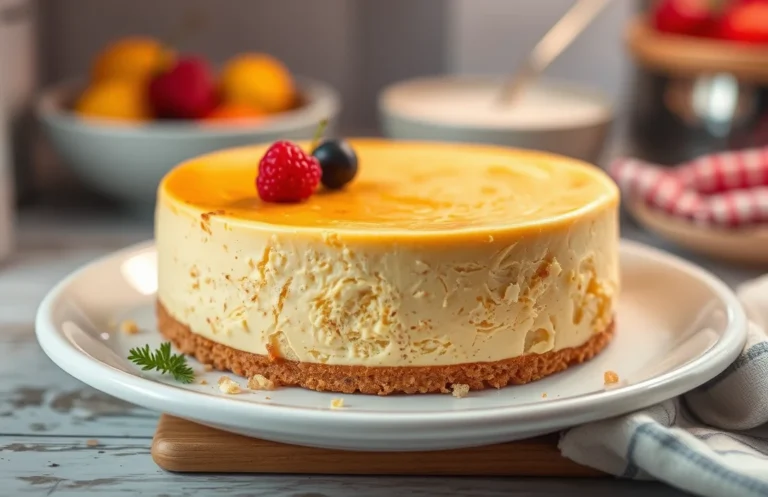
- Fresh Fruit: Strawberries, raspberries, or blueberries add a burst of flavor and color. For a classic New York-style cheesecake, top it with a layer of fresh strawberries or a mixed berry compote.
- Chocolate Drizzle: Melt ½ cup of semi-sweet chocolate and drizzle it over the cheesecake for a rich addition.
- Whipped Cream: Whip 1 cup of heavy cream with 2 tablespoons of sugar until soft peaks form. Pipe it around the edge for a beautiful presentation.
- Nuts: Toasted pecans or almonds can add a crunchy texture. Sprinkle them on top or mix them into the crust for added depth.
Beverage Pairings
| Beverage | Why It Pairs Well |
|---|---|
| Coffee | The bitterness balances the sweetness of the cheesecake. |
| Red Wine | A light-bodied red, like Pinot Noir, complements the creamy texture. |
| Tea | Herbal teas, such as chamomile or mint, offer a refreshing contrast. |
| Milk | A classic choice that enhances the cheesecake’s creamy nature. |
Chef’s tip: For an elegant touch, serve cheesecake slices on chilled plates to keep them firm and enhance the overall presentation.
Quick Summary
| Prep Time | 20 minutes |
|---|---|
| Cook Time | 60 minutes |
| Total Time | 1 hour 20 minutes |
| Servings | 8 |
- Use room temperature ingredients: Ensure cream cheese and eggs are at room temperature for a smooth batter.
- Pre-bake the crust: Bake the graham cracker crust for 10 minutes to prevent sogginess.
- Bake in a water bath: This helps to maintain moisture and prevents cracking.
- Cool slowly: Turn off the oven and let the cheesecake cool inside to avoid sudden temperature changes.
- Chill before serving: Refrigerate for at least 4 hours, preferably overnight, for best texture.
Frequently Asked Questions
Can I make cheesecake ahead of time? How to store and reheat?
You can definitely make cheesecake ahead of time and it actually tastes better after chilling! Store it in an airtight container in the refrigerator for up to 5 days and enjoy it cold, as reheating isn’t recommended.
What can I substitute for cream cheese?
If you need a substitute for cream cheese, you can use mascarpone cheese for a similar texture and flavor, or Greek yogurt for a lighter option. Just keep in mind that the flavor may slightly change.
How do I know when my cheesecake is done?
Your cheesecake is done when the edges are set but the center still has a slight jiggle, which usually takes about 50-60 minutes at 325°F (163°C). It will firm up as it cools, so don’t worry if it looks a bit undercooked.
Can I freeze cheesecake? How long does it last?
You can freeze cheesecake, and it will last for up to 3 months in the freezer. Make sure to wrap it tightly in plastic wrap and then in aluminum foil to prevent freezer burn.
Why did my cheesecake crack on top?
Your cheesecake might crack if it was cooked at too high of a temperature or if it was overmixed. To prevent this, bake at a lower temperature and avoid mixing too vigorously; a gentle fold is best.

- 10 Best Air Fryer For Grilled Chicken 2026 (Reviewed) - October 6, 2026
- 10 Best Air Fryer For Fried Chicken 2026 (Reviewed) - October 6, 2026
- 10 Best Air Fryer For Chicken Breast 2026 (Reviewed) - October 6, 2026