Cheesecake 101: Types, Ingredients, and Easy Recipes to Try
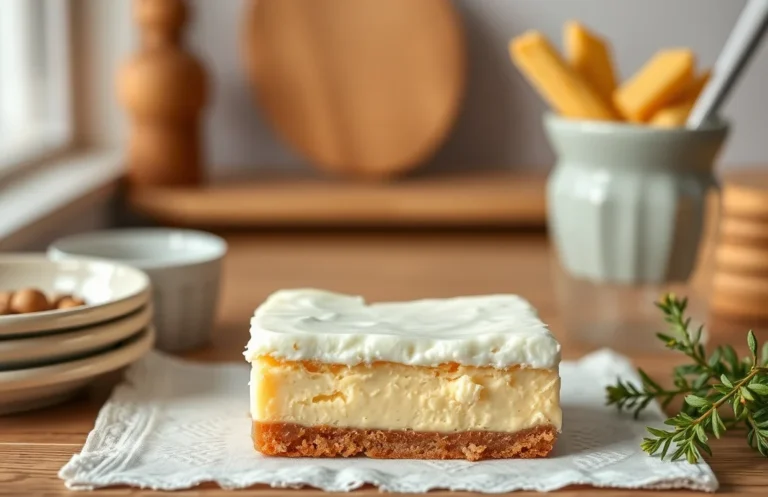
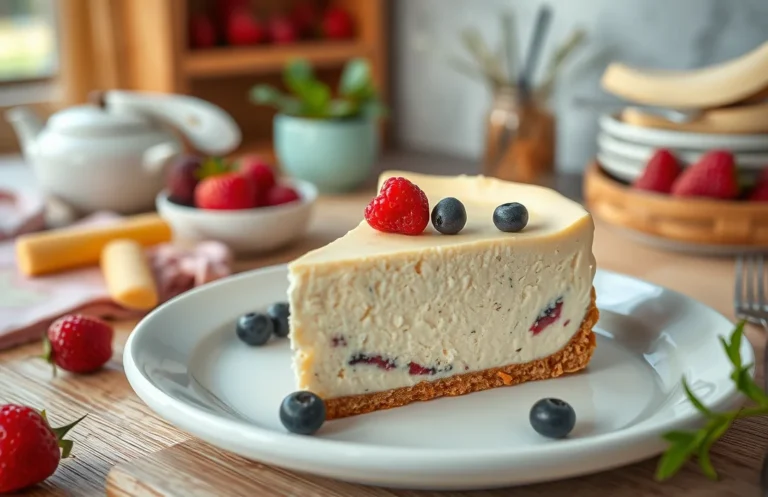
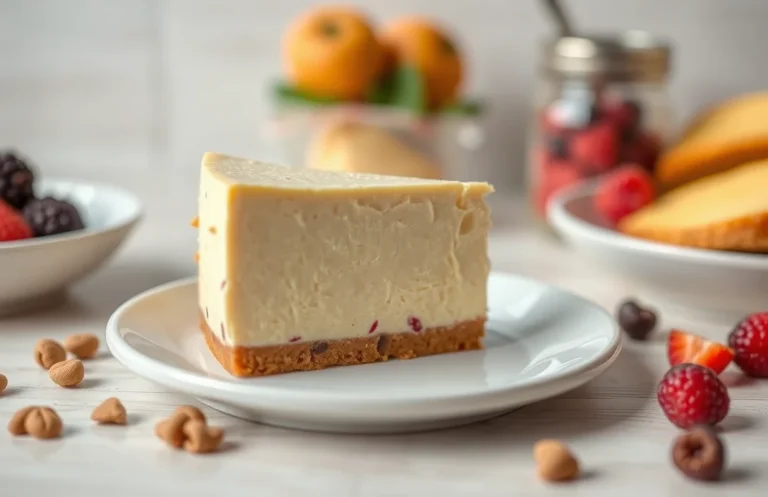
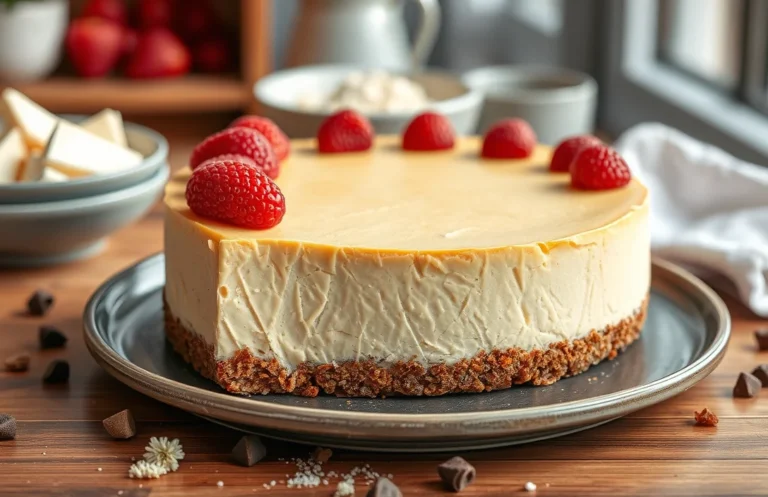
Cheesecake is that delightful dessert that feels both indulgent and comforting, perfect for cozy evenings or special occasions. With its creamy texture and rich flavor, it’s no wonder this classic treat has stolen many hearts. Imagine slicing into a perfectly chilled cheesecake, the smooth filling melting in your mouth while a buttery crust crumbles beneath your fork.
Here’s what you can expect: A simple cheesecake recipe that takes about 15 minutes to prepare, needs to bake for 60 minutes, and cool down for 4 hours. This recipe serves 8 people and is rated easy.
| Prep Time | Cook Time | Total Time | Servings | Difficulty |
|---|---|---|---|---|
| 15 minutes | 60 minutes | 4 hours 15 minutes | 8 | Easy |
Cheesecake Origins
Cheesecake has a rich history that spans centuries and cultures, reflecting its evolution from ancient times to the delightful dessert we enjoy today. Understanding its origins not only enhances our appreciation of this treat but also highlights the diverse variations that have emerged over time.
- Ancient Roots: The earliest known cheesecake dates back to ancient Greece around 2000 BC, where it was made with simple ingredients like cheese, flour, and honey. The Romans later adopted and adapted the recipe, often serving it at weddings and other celebrations.
- Cultural Variations: Across different regions, variations of cheesecake have developed. For instance, Italian cheesecake often incorporates ricotta cheese, while Japanese cheesecake features a fluffier, souffle-like texture. Each culture adds its unique twist, creating a beautiful variety of flavors and textures.
- Modern Popularity: In the 20th century, cheesecake gained immense popularity, especially in the United States. The introduction of cream cheese by Philadelphia in 1872 helped solidify the classic New York-style cheesecake, which is dense and creamy, becoming a staple in bakeries and restaurants worldwide.
Key Ingredients
Understanding the key ingredients of cheesecake is crucial for crafting the perfect dessert, as each component contributes to its rich and creamy texture. In this section, we’ll detail the essential ingredients along with their specific measurements so you can recreate this classic treat with confidence.
| Item | Amount/Specification | Notes |
|---|---|---|
| Cream Cheese | 16 ounces (450g) | Softened to room temperature for easy mixing |
| Sugar | 1 cup (200g) | Granulated sugar works best for sweetness |
| Eggs | 3 large | At room temperature for better incorporation |
| Sour Cream | 1 cup (240g) | Adds tanginess and creaminess |
| Vanilla Extract | 1 teaspoon (5ml) | For flavor enhancement |
| Crust Ingredients (Graham Cracker Crumbs) | 1 ½ cups (150g) | For a classic cheesecake crust |
| Butter | ½ cup (113g) | Melted, to bind the crust |
- For gluten-free options: Substitute graham cracker crumbs with crushed gluten-free cookies.
- For a lighter option: Use reduced-fat cream cheese or Greek yogurt instead of sour cream.
- Make sure to soften the cream cheese properly; it should easily blend without lumps.
Essential Kitchen Tools
To create a perfect cheesecake, having the right kitchen tools is essential. These tools not only streamline the process but also ensure that your cheesecake turns out smooth, creamy, and delicious. Here’s a list of must-have equipment to get you started.
- Springform Pan: A springform pan is crucial for cheesecake as it allows for easy removal without damaging the delicate crust and filling. Choose a standard 9-inch (23 cm) pan with a tight seal to prevent leaks. Before pouring in the batter, lightly grease the sides and bottom for easier release.
- Mixer: A stand mixer or hand mixer is ideal for achieving a creamy cheesecake filling. Use the paddle attachment for blending cream cheese and sugar until smooth, which should take about 3-4 minutes on medium speed. Be sure to scrape down the sides of the bowl periodically to ensure even mixing.
- Oven Preheating: Preheat your oven to 325°F (160°C) before baking your cheesecake. Proper preheating is key to ensuring even cooking and preventing cracks. Allow the oven to reach the desired temperature for at least 15 minutes before placing your cheesecake inside.
Chef’s tip: Avoid overmixing your filling, as this can incorporate too much air, leading to cracks during baking.
Step-by-Step Recipe
This section provides a detailed guide on how to make a classic cheesecake, from preparing the crust to mixing the filling, baking, and chilling. Following these steps will ensure a smooth, creamy texture and delicious flavor in your cheesecake.
For the Crust
- Preheat your oven to 350°F (175°C). In a mixing bowl, combine 1 ½ cups (150g) of graham cracker crumbs, ½ cup (100g) of granulated sugar, and ½ cup (115g) of melted unsalted butter. Mix until the crumbs are evenly coated and resemble wet sand.
- Press the mixture firmly into the bottom of a 9-inch (23cm) springform pan, making sure it’s even and compact. Bake for 10 minutes until lightly golden and fragrant. Let it cool while you prepare the filling.
For the Filling
- In a large bowl, beat 3 (8-ounce) packages of cream cheese at room temperature with an electric mixer until smooth and creamy, about 2-3 minutes. Scrape down the sides of the bowl to ensure even mixing.
- Gradually add 1 cup (200g) of granulated sugar and beat until well combined. Then, add 1 teaspoon of vanilla extract, 3 large eggs (one at a time), and 1 cup (240ml) of sour cream, mixing after each addition until smooth. The mixture should be thick and glossy.
For Baking and Chilling
- Pour the filling over the cooled crust and smooth the top with a spatula. Bake the cheesecake in the preheated oven for 50-60 minutes. The edges should be set, while the center may still be slightly jiggly.
- Turn off the oven and crack the door, allowing the cheesecake to cool gradually for 1 hour. This helps prevent cracks. Afterward, refrigerate for at least 4 hours, preferably overnight, until fully chilled and firm.
Expert Tips
Making a perfect cheesecake can be a delightful yet challenging endeavor. Here are some essential tips to help you avoid common pitfalls and ensure your cheesecake turns out creamy and delicious every time.
Avoiding Cracks
- Choose the right pan: A springform pan is ideal for cheesecakes as it allows for easy removal without disturbing the delicate crust. Make sure it’s well greased to prevent sticking.
- Don’t overmix: When mixing the batter, avoid overbeating to prevent incorporating too much air, which can lead to cracks. Mix until just combined for a smooth texture.
- Water bath method: Using a water bath (bain-marie) helps maintain even heat and moisture, which minimizes cracking. Wrap the outside of your springform pan in aluminum foil and place it in a larger baking dish filled with hot water.
Temperature Control
- Room temperature ingredients: Bring your cream cheese, eggs, and other dairy ingredients to room temperature before mixing. This helps create a smooth batter that bakes evenly.
- Oven temperature: Preheat your oven to 325°F (160°C) for a gentle bake that prevents the cheesecake from puffing up and cracking. An oven thermometer can help ensure accuracy.
- Don’t rush cooling: After baking, turn off the oven and crack the door for about 1 hour to let the cheesecake cool slowly. This gradual temperature change helps avoid cracks.
Cooling Tips
- Chill properly: Once cooled to room temperature, refrigerate your cheesecake for at least 4 hours, preferably overnight. This allows the flavors to meld and the texture to set.
- Use a knife: Before removing the cheesecake from the pan, run a knife around the edges to help it release easily and prevent cracking when slicing.
Cheesecake Variations
Cheesecake is a versatile dessert that can be tailored in countless ways to suit your taste. Understanding the different variations can elevate your baking experience and help you create a cheesecake that’s uniquely yours. Here are some popular styles and modifications to consider.
New York Style Cheesecake
This classic version is rich and dense, made with cream cheese, sour cream, and eggs. The key to its signature texture is baking it at a higher temperature and then cooling it gradually to prevent cracking. Here’s what you need:
- 2 pounds cream cheese, softened
- 1 cup granulated sugar (200g)
- 1 cup sour cream (240ml)
- 4 large eggs
- 1 teaspoon vanilla extract
Chef’s tip: Beat the cream cheese until smooth and fluffy before adding other ingredients to prevent lumps.
No-Bake Options
No-bake cheesecakes are a fantastic alternative for those who want a quick and easy dessert. They typically use whipped cream or whipped topping to create a light and airy filling. Here’s a basic setup:
- 8 ounces cream cheese, softened
- 1 cup powdered sugar (120g)
- 1 cup heavy whipping cream (240ml)
- 1 teaspoon lemon juice
- In a bowl, beat the cream cheese and powdered sugar until smooth.
- In a separate bowl, whip the heavy cream until stiff peaks form.
- Gently fold the whipped cream into the cream cheese mixture, then add lemon juice.
Fruit Toppings
Fruit toppings can add freshness and vibrant flavor to any cheesecake. You can either use fresh fruits or make a quick fruit compote. Here’s how to prepare a simple berry sauce:
- 2 cups mixed berries (strawberries, blueberries, raspberries)
- ¼ cup granulated sugar (50g)
- 1 tablespoon lemon juice
- In a saucepan, combine the berries, sugar, and lemon juice over medium heat.
- Cook for 5-7 minutes until the mixture is bubbly and slightly thickened.
Let it cool before pouring it over your cheesecake for a delightful finish!
Serving Suggestions
Serving cheesecake can elevate your dessert experience, making it not only delicious but also visually appealing. Here, we’ll explore some delightful garnishes, beverage pairings, and creative plating ideas that will impress your guests and enhance the flavors of this rich dessert.
Garnishes
- Fresh Berries: Top your cheesecake with a medley of fresh strawberries, blueberries, and raspberries for a vibrant touch.
- Chocolate Drizzle: Melt ½ cup of semi-sweet chocolate and drizzle it over the cheesecake for a rich, decadent finish.
- Caramel Sauce: A warm drizzle of homemade or store-bought caramel can add a sweet contrast.
- Whipped Cream: Pipe or dollop 1 cup of freshly whipped cream on top for a light and airy texture.
Beverage Pairings
Choosing the right beverage can enhance the cheesecake experience:
- Coffee: A rich espresso or cappuccino complements the creaminess of cheesecake beautifully.
- Tea: Herbal or chai tea can provide a soothing contrast to the dessert’s sweetness.
- Wine: Pair with a sweet dessert wine, such as Sauternes or a fruity Moscato, to balance the flavors.
Plating Ideas
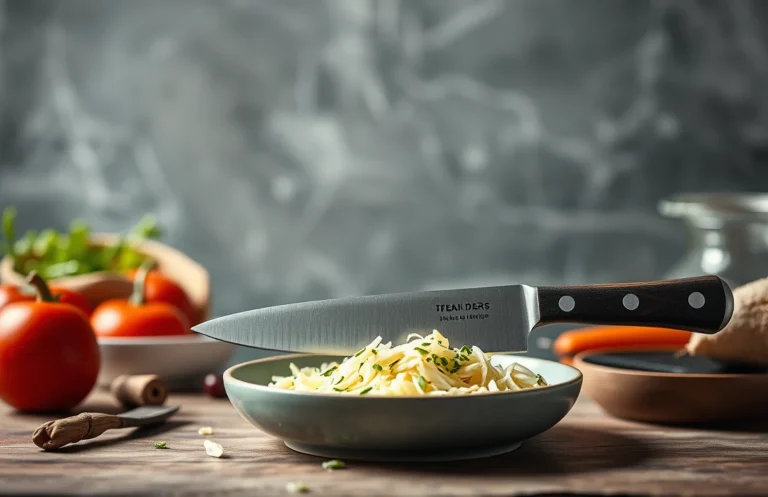
Chef’s tip: Use a warm knife to slice your cheesecake for clean edges. Dip the knife in hot water, wipe it dry, and cut!
For an elegant presentation, consider these plating ideas:
- Layering: Serve individual slices on plates with a layer of berry compote beneath.
- Garnish with Mint: Add a sprig of fresh mint for a pop of color and freshness.
- Use Decorative Plates: Choose plates with unique designs to make each serving stand out.
Quick Recipe Summary
This section offers a concise overview of cheesecake, highlighting essential ingredients, basic steps, and cooking times. Understanding these elements will help you create a delicious cheesecake with confidence and clarity.
Ingredients Overview
- 1 ½ cups graham cracker crumbs (150g)
- ⅓ cup granulated sugar (67g)
- ½ cup unsalted butter, melted (115g)
- 4 (8 oz) packages cream cheese, softened (900g)
- 1 cup granulated sugar (200g)
- 1 teaspoon vanilla extract (5ml)
- 4 large eggs
- 1 cup sour cream (240ml)
Basic Steps
- Preheat your oven to 325°F (160°C). Prepare a 9-inch springform pan by greasing it lightly.
- In a mixing bowl, combine the graham cracker crumbs, ⅓ cup sugar, and melted butter. Mix until crumbly, then press firmly into the bottom of the pan. Bake for 10 minutes, until golden and fragrant.
- In another bowl, beat the softened cream cheese with 1 cup sugar and vanilla extract until smooth and creamy, about 3-4 minutes.
- Incorporate the eggs one at a time, mixing well after each addition. Then fold in the sour cream until fully blended.
- Pour the filling over the crust and smooth the top. Bake for 50-60 minutes until the edges are set, but the center is slightly jiggly. The cheesecake will firm up as it cools.
- Turn off the oven and let the cheesecake cool inside for 1 hour to prevent cracking. Then refrigerate for at least 4 hours before serving.
Chef’s tip: For a creamy texture, ensure all ingredients are at room temperature before mixing.
Cooking Times
| Task | Time |
|---|---|
| Preheat Oven | 10 minutes |
| Bake Crust | 10 minutes |
| Bake Cheesecake | 50-60 minutes |
| Cool in Oven | 1 hour |
| Chill in Refrigerator | 4 hours (or overnight) |
Common Mistake: Avoid overmixing the batter to prevent air bubbles which can lead to cracks in your cheesecake.
Quick Summary
| Prep Time | 20 minutes |
|---|---|
| Cook Time | 1 hour |
| Total Time | 1 hour 20 minutes |
| Servings | 8 |
- Prepare the crust: Combine 1 ½ cups crushed graham crackers with ½ cup melted butter and press into the bottom of a springform pan.
- Mix the filling: Beat 2 packages (16 oz) cream cheese with ¾ cup sugar until smooth, then add 3 eggs one at a time.
- Bake: Pour filling over crust and bake at 325°F for 60 minutes or until set.
- Cool: Allow cheesecake to cool completely before refrigerating for at least 4 hours.
- Serve: Top with your favorite fruit or sauce before slicing.
- Tip: Use room temperature cream cheese for a smoother batter.
- Tip: Avoid overmixing after adding eggs to prevent cracks.
Frequently Asked Questions
Can I make this cheesecake ahead of time? How to store and reheat?
You can absolutely make cheesecake up to 2 days in advance. Store it in the fridge, tightly covered, and it will stay fresh; there’s no need to reheat, just serve it chilled!
What can I substitute for cream cheese?
If you’re looking for a substitute, you can use mascarpone cheese or a blend of ricotta and sour cream in equal parts for a similar texture. Just keep in mind that it may slightly alter the taste.
How do I know when my cheesecake is done?
Your cheesecake is done when the edges are set but the center still has a slight jiggle, which usually takes about 55-70 minutes at 325°F (160°C). It will continue to firm up as it cools, so don’t overbake!
Can I freeze cheesecake? How long does it last?
Yes, you can freeze cheesecake for up to 2-3 months. Just wrap it tightly in plastic wrap and then in aluminum foil to prevent freezer burn.
Why did my cheesecake crack on top?
A common reason for cracks is overmixing the batter or baking it at too high a temperature. Try mixing on low speed and bake at a lower temperature next time to prevent this issue!

- 10 Best Air Fryer Oven With Digital Controls 2026 (Reviewed) - October 22, 2026
- 10 Best Air Fryer Oven For Large Families 2026 (Reviewed) - October 22, 2026
- 10 Best Air Fryer Oven For Countertops 2026 (Reviewed) - October 22, 2026