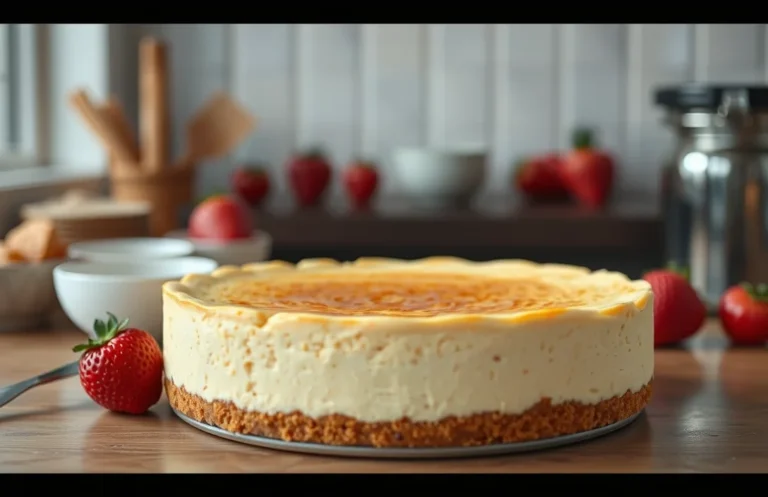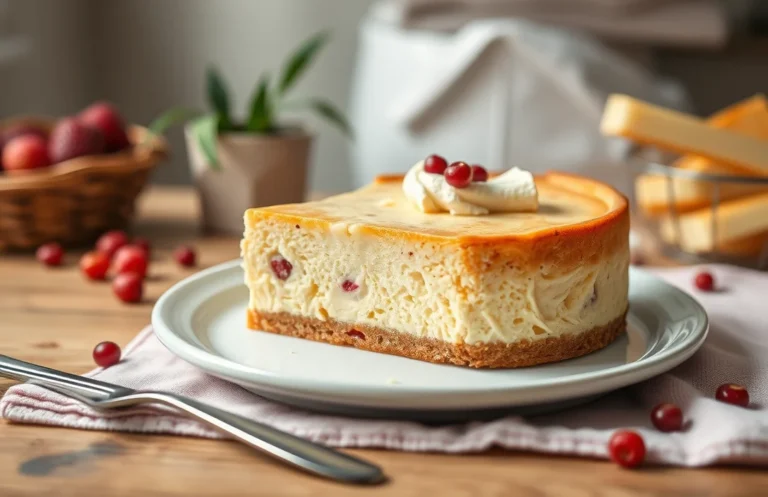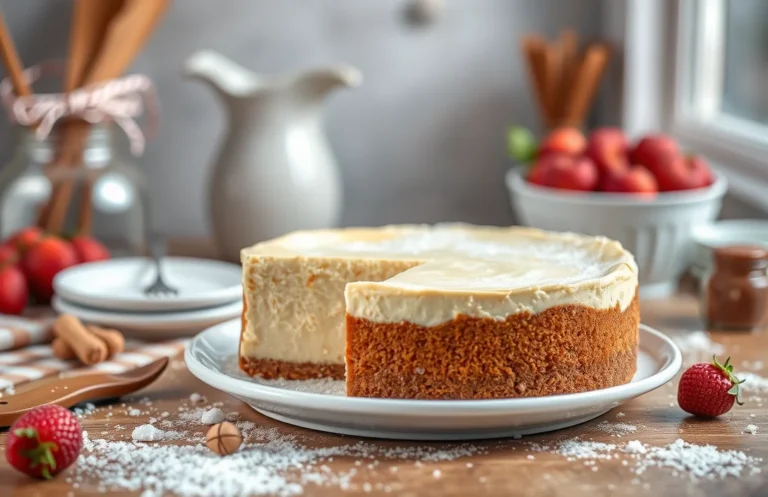
Custard Pie vs. Cheesecake: Discover Recipes and Key Differences
Custard pie and cheesecake both bring a sense of warmth and nostalgia to the table, making them perfect for family gatherings or cozy weeknight dinners. Their creamy textures and sweet flavors can turn any day into a special occasion, and each bite feels like a hug from the inside.
Here, you’ll find two delicious recipes — one for custard pie and one for cheesecake. Each recipe includes exact measurements, timing, and temperature details to ensure your success in the kitchen.
| Prep Time | Cook Time | Total Time | Servings | Difficulty |
|---|---|---|---|---|
| 15 minutes | 45 minutes | 1 hour | 8 servings | Easy |
History of Custard Pie
This section delves into the origins of custard pie, its unique features, and the occasions on which it is typically served. Understanding the history of this dessert helps to appreciate its similarities and differences with cheesecake.
Origin of Custard Pie
The custard pie has roots that trace back to medieval Europe, where sweet and savory custards became popular in various forms. The combination of eggs, milk, and sugar baked into a pastry shell made custard pies a staple in many households. Over the centuries, regional variations emerged, influenced by local ingredients and cultural preferences. Notably, custard pies found a special place in American cuisine during the 18th and 19th centuries, often served during holidays and gatherings.
Special Features
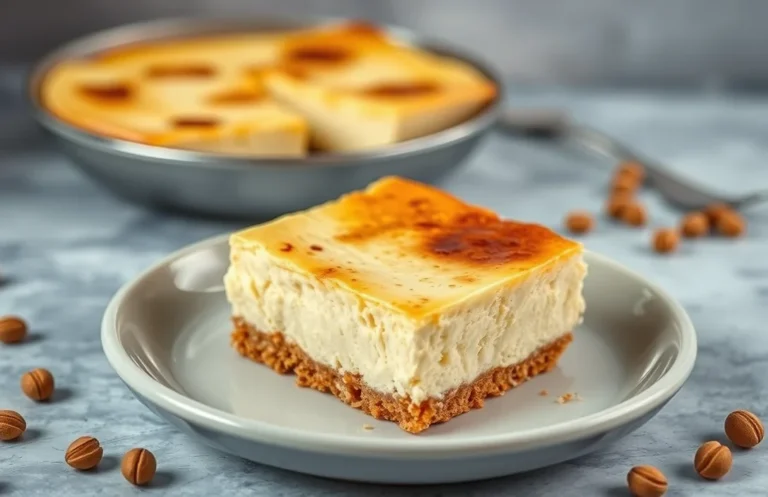
- Texture: Custard pies are known for their creamy, smooth filling that contrasts beautifully with the flaky crust. The filling should jiggle slightly but not be runny when fully baked.
- Flavor Variations: Vanilla, nutmeg, and cinnamon are commonly used to flavor custard, giving it a rich, comforting taste.
- Serving Temperature: Custard pies can be enjoyed warm or chilled, making them versatile for any occasion.
When to Serve
Custard pie is perfect for various occasions, including:
- Family gatherings and potlucks
- Holidays like Thanksgiving and Christmas
- Summer picnics and barbecues
Chef’s tip: Pair your custard pie with a dollop of whipped cream or a scoop of vanilla ice cream for an extra indulgent treat!
History of Cheesecake
The history of cheesecake is rich and reflects its evolution from ancient times to the modern dessert we know today. Understanding its background helps to appreciate the similarities and differences between cheesecake and custard pie, both beloved desserts with unique characteristics.
- Origin of Cheesecake: Cheesecake dates back to ancient Greece, where it was made with simple ingredients such as cheese, flour, and honey. The Romans later adopted and adapted the recipe, spreading it throughout Europe.
- Cultural Importance: In various cultures, cheesecake holds significance during celebrations and gatherings. For instance, the New York-style cheesecake, known for its dense and creamy texture, has become a staple in American cuisine, often served at birthdays and holidays.
- When to Serve: Traditionally, cheesecake is enjoyed as a dessert after a meal, but its versatility allows it to be served at brunch or as a sweet snack. It’s often paired with fruits, chocolate, or caramel sauces, making it suitable for different occasions.
While custard pie and cheesecake share creamy textures and sweet flavors, their origins and cultural significance vary, creating distinct experiences for dessert lovers. Appreciating these differences enhances your culinary repertoire and allows for creative variations on both desserts.
Ingredients for Custard Pie
In this section, we will cover the essential ingredients needed to make a delicious custard pie. Understanding these ingredients is crucial because they contribute to the overall flavor and texture, making your pie comparable to a cheesecake in richness and satisfaction.
| Item | Amount/Specification | Notes |
|---|---|---|
| All-purpose flour | 1 ½ cups (180g) | For the crust. You can substitute with gluten-free flour. |
| Granulated sugar | ¾ cup (150g) | Adjust sweetness to taste. |
| Unsalted butter | ½ cup (113g) | Melted for crust and filling. |
| Large eggs | 3 | Should be at room temperature for better mixing. |
| Milk | 2 cups (480ml) | Whole milk is best for creaminess. |
| Vanilla extract | 1 teaspoon | For flavor; can substitute with almond extract. |
| Nutmeg | ½ teaspoon | Optional, but adds a lovely warmth. |
- Tip: Ensure all your ingredients are at room temperature for a smoother batter.
- Pro tip: If you prefer a smoother texture, consider straining the custard mixture before pouring it into the crust.
- Watch for browning: If the edges of the custard start to darken too quickly while baking, tent with foil to prevent over-browning.
Ingredients for Cheesecake
In this section, we’ll detail the specific ingredients needed to create a delicious cheesecake. Understanding these components is crucial as they directly impact the texture and flavor, making your cheesecake rich and creamy, much like a custard pie.
| Item | Amount/Specification | Notes |
|---|---|---|
| Graham cracker crumbs | 1 ½ cups (150g) | For the crust; finely crushed |
| Sugar | ⅓ cup (67g) | For crust and filling |
| Unsalted butter | 6 tablespoons (85g) | Melted, for crust |
| Cream cheese | 24 ounces (680g) | Softened, for filling |
| Sour cream | 1 cup (240ml) | For creaminess |
| Sugar | 1 cup (200g) | For filling |
| Vanilla extract | 1 teaspoon | For flavor |
| Eggs | 4 large | At room temperature |
- For a gluten-free option, substitute graham cracker crumbs with almond flour or gluten-free cookie crumbs.
- If you prefer a lighter cheesecake, you can use Neufchâtel cheese instead of cream cheese.
- Ensure your cream cheese is softened to room temperature for easier mixing — this helps avoid lumps.
Equipment and Prep for Both
Understanding the right equipment and prep steps for both custard pie and cheesecake is key to achieving delicious results. While both desserts have some overlapping tools, a few distinctions can make a difference in the final texture and flavor.
- Essential Tools: For both custard pie and cheesecake, you’ll need a 9-inch pie pan or springform pan. The springform is particularly useful for cheesecake, allowing for easy removal without damaging the sides. A mixing bowl, whisk, and rubber spatula are essential for combining ingredients smoothly.
- Measuring Cups and Spoons: Accurate measurements are crucial for baking. Use dry measuring cups for flour and sugar, and liquid measuring cups for milk and cream. A digital kitchen scale can also help ensure precision, especially for ingredients like cream cheese in cheesecakes.
- Cooling Rack: After baking, both desserts benefit from cooling on a wire rack. This helps prevent sogginess and allows air to circulate around the pie or cake, maintaining its texture.
- Preparation Steps: Start by preheating your oven to 350°F (175°C) for both recipes. For the custard pie, prepare the pie crust as directed, ensuring it’s chilled before filling. For cheesecake, beat the cream cheese until smooth before adding other ingredients to avoid lumps.
- Ingredient Prep: Always ensure your eggs and cream cheese are at room temperature for better incorporation. This will make your mixture smooth and creamy, essential for both desserts. If you’re using a graham cracker crust, crush the crackers finely for an even texture.
Step-by-Step Custard Pie Recipe
This section will guide you through the precise steps to make a delicious custard pie, highlighting its similarities to cheesecake. With clear instructions, you’ll find that the process is straightforward and rewarding, whether you’re a novice or a seasoned baker.
Ingredients
- 1 pre-made pie crust (9-inch)
- 4 large eggs
- 1 cup granulated sugar (200g)
- 2 cups whole milk (480ml)
- 1 tablespoon vanilla extract
- 1/4 teaspoon salt
- 1/4 teaspoon ground nutmeg (optional)
Preheat Oven
- Start by preheating your oven to 350°F (175°C). This temperature is crucial for achieving that perfect, creamy custard texture—too hot, and the custard will curdle.
Mixing Ingredients
- In a large mixing bowl, crack the 4 eggs and whisk them until they are frothy, about 2 minutes. You want to incorporate air for a light custard.
- Add in the 1 cup of granulated sugar and continue whisking until the mixture is well combined and slightly thickened, around 2-3 minutes.
- Pour in the 2 cups of whole milk, 1 tablespoon of vanilla extract, and 1/4 teaspoon of salt. Whisk until smooth. If using nutmeg, add it now for a hint of spice.
Baking Instructions
- Carefully pour the custard mixture into the pre-baked pie crust. Place the pie on a baking sheet to catch any spills in the oven.
- Bake in the preheated oven for 45-50 minutes, or until the custard is set around the edges but slightly jiggly in the center. A knife inserted should come out clean.
- Once baked, remove the pie from the oven and let it cool at room temperature for about 1 hour before refrigerating for at least 2 hours. This cooling time allows the flavors to meld beautifully.
Chef’s tip: To check doneness, gently shake the pie; the center should have a slight wobble but not be liquidy.
Now that you’ve followed the steps to make your custard pie, you’ll see how closely it relates to cheesecake in texture and flavor, while still being its unique delight. Enjoy your delicious creation!
Step-by-Step Cheesecake Recipe
This section provides a detailed guide on how to make a classic cheesecake, emphasizing its similarities to custard pie. Understanding the precise steps and measurements will ensure your cheesecake comes out creamy and delicious.
Ingredients
- 1 ½ cups graham cracker crumbs (150g)
- ⅓ cup granulated sugar (67g)
- ½ cup unsalted butter, melted (113g)
- 4 (8-ounce) packages cream cheese, softened (900g)
- 1 cup granulated sugar (200g)
- 1 teaspoon vanilla extract
- 4 large eggs
- 1 cup sour cream (240g)
- 1 tablespoon all-purpose flour (8g)
Preparation and Baking Instructions
- Preheat the Oven: Set your oven to 325°F (160°C). This temperature is ideal for a slow bake, allowing the cheesecake to set properly without cracking.
- Prepare the Crust: In a medium bowl, combine 1 ½ cups of graham cracker crumbs, ⅓ cup of sugar, and ½ cup of melted butter. Mix until the crumbs are evenly coated and resemble wet sand. Press the mixture firmly into the bottom of a 9-inch springform pan to create an even base.
- Mix the Filling: In a large mixing bowl, beat 4 packages of softened cream cheese with an electric mixer on medium speed until smooth, about 2 minutes. Gradually add 1 cup of sugar and continue mixing until well incorporated. Add 1 teaspoon of vanilla extract and mix again.
- Add Eggs and Sour Cream: Beat in the eggs one at a time, mixing well after each addition. Finally, fold in 1 cup of sour cream and 1 tablespoon of flour until smooth. The batter should be creamy and slightly thick.
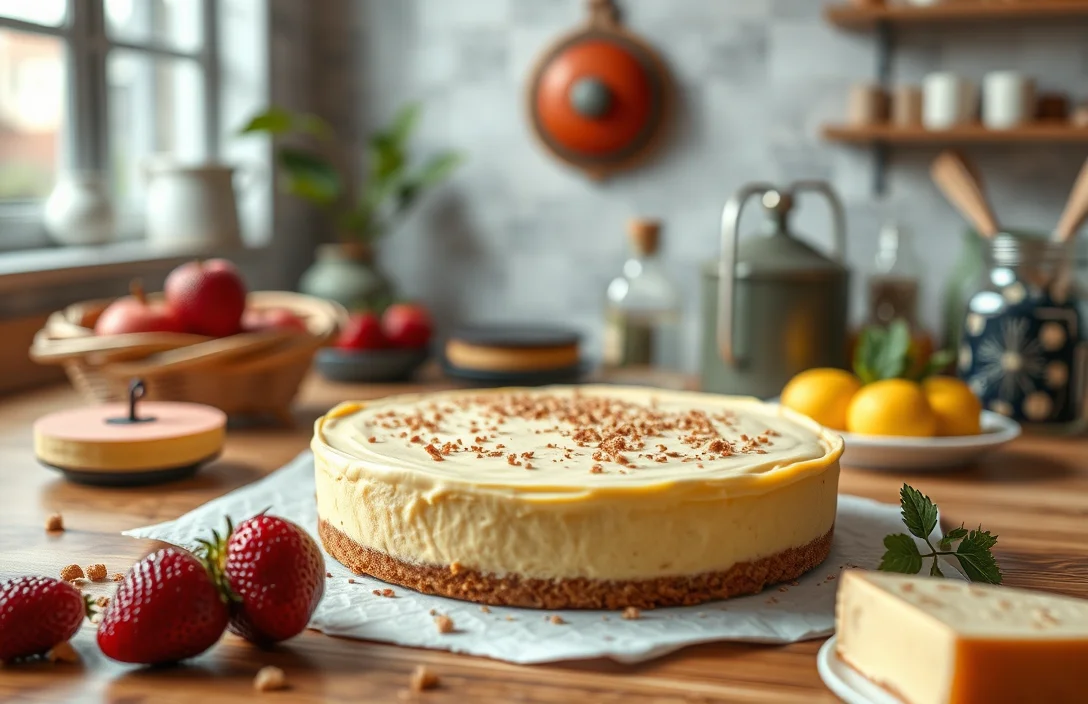
- Bake the Cheesecake: Pour the filling over the crust in the springform pan. Bake in the preheated oven for 55-65 minutes, or until the edges are set but the center still slightly jiggles. It should look golden and smell heavenly!
- Cool the Cheesecake: Turn off the oven and crack the door, allowing the cheesecake to cool gradually for 1 hour. This prevents cracks. Once cooled, refrigerate for at least 4 hours or overnight before serving.
Chef’s tip: To avoid cracks, don’t open the oven door during the first 30 minutes of baking.
Tips and Common Mistakes
Understanding the nuances between custard pie and cheesecake can significantly enhance your baking experience. Both desserts have their unique characteristics and challenges, so here are some professional tips and common pitfalls to help you achieve perfect results every time.
Pro Tips for Custard Pie
- Use fresh eggs: Fresh eggs contribute to a smoother texture and better flavor. Aim for large eggs and ensure they are at room temperature for easier mixing.
- Don’t overbake: Custard should be set but still slightly jiggly in the center when you take it out. Bake at 350°F (175°C) for about 40-50 minutes, checking for doneness with a knife — it should come out clean but moist.
- Cool gradually: After baking, allow the pie to cool on the counter. Sudden temperature changes can cause cracking. Let it rest for at least 2 hours before slicing.
Pro Tips for Cheesecake
- Water bath method: Baking your cheesecake in a water bath helps prevent cracks. Wrap your springform pan in aluminum foil and place it in a larger pan filled with hot water while baking at 325°F (160°C) for about 60-70 minutes.
- Chill overnight: For the best texture and flavor, refrigerate your cheesecake for at least 8 hours or overnight. This allows the flavors to meld beautifully and the cheesecake to set properly.
- Room temperature ingredients: Ensure your cream cheese and eggs are at room temperature to avoid lumps and achieve a creamy filling. This is crucial for a smooth and velvety cheesecake.
Serving Suggestions for Both
When it comes to serving custard pie and cheesecake, presentation and pairing can elevate these delicious desserts to a whole new level. Here are some tips on how to plate each dessert beautifully and what to serve alongside them for the perfect treat.
- Plating Custard Pie: Slice the custard pie into even wedges and serve on a chilled plate. Top each slice with a dollop of lightly whipped cream (1 cup heavy cream, whipped until soft peaks form) for an elegant touch. A sprinkle of nutmeg or cinnamon on top enhances the aroma and flavor, making it visually appealing.
- Plating Cheesecake: For cheesecake, use a spatula to carefully lift each slice from the pan. Consider drizzling a fruit compote (made from 1 cup mixed berries and 2 tablespoons sugar, cooked until thick) over the top for a burst of color and flavor. Garnish with a mint leaf for an added fresh touch.
- Pairing with Beverages: Custard pie pairs wonderfully with a cup of Earl Grey tea or a glass of sweet dessert wine, enhancing its creamy texture. Cheesecake, on the other hand, complements coffee or a rich espresso, balancing the sweetness with a robust flavor.
- Complementary Sides: Serve custard pie with fresh fruit, such as berries or sliced peaches, to add brightness and acidity that cuts through the richness. For cheesecake, consider a side of dark chocolate shavings or a scoop of vanilla ice cream to create a decadent experience.
Quick Summary
| Prep Time | Cook Time | Total Time | Servings |
|---|---|---|---|
| 15 minutes | 50 minutes | 1 hour 5 minutes | 8 servings |
- Preheat oven to 350°F (175°C) for even baking.
- Whisk eggs and sugar until frothy for a light texture.
- Combine dairy (cream cheese and heavy cream) for richness.
- Bake in a water bath to prevent cracking.
- Cool completely before slicing to enhance flavors.
- Tip: Use room temperature ingredients for a smoother mix.
- Tip: Don’t overbake; the center should slightly jiggle.
- Tip: Chill overnight for the best flavor and texture.
Frequently Asked Questions
Can I make this ahead of time? How to store and reheat?
You can absolutely make custard pie ahead of time; just store it covered in the refrigerator for up to 3 days. To reheat, warm it gently in a 300°F (150°C) oven for about 10-15 minutes until it’s slightly warmed through.
What can I substitute for cream cheese in a cheesecake-style custard pie?
You can substitute cream cheese with an equal amount of mascarpone cheese for a similar texture and richness. Alternatively, use 1 cup of ricotta cheese blended until smooth for a lighter option.
How do I know when it’s done?
Your custard pie is done when the edges are set, but the center still has a slight jiggle, which usually takes about 40-50 minutes at 350°F (175°C). It will continue to set as it cools, so don’t overbake!
Can I freeze this? How long does it last?
You can freeze custard pie for up to 2 months; just wrap it tightly in plastic wrap and then foil to prevent freezer burn. Thaw it in the refrigerator overnight before serving for the best texture.
Why did my custard pie turn out runny?
Your custard pie may be runny if it wasn’t baked long enough or if the eggs weren’t fully incorporated; make sure to bake until just set and mix thoroughly. Always check for that slight jiggle in the center before removing it from the oven!

- Decadent Peanut Butter No-Bake Cheesecake: Easy Recipe to Indulge - April 3, 2026
- Delicious Mango No-Bake Cheesecake: Step-by-Step Recipe - April 3, 2026
- Decadent Raspberry No-Bake Cheesecake: Easy Step-by-Step Recipe - April 3, 2026