Baked Cheesecake Recipe: Easy Steps for Creamy Perfection
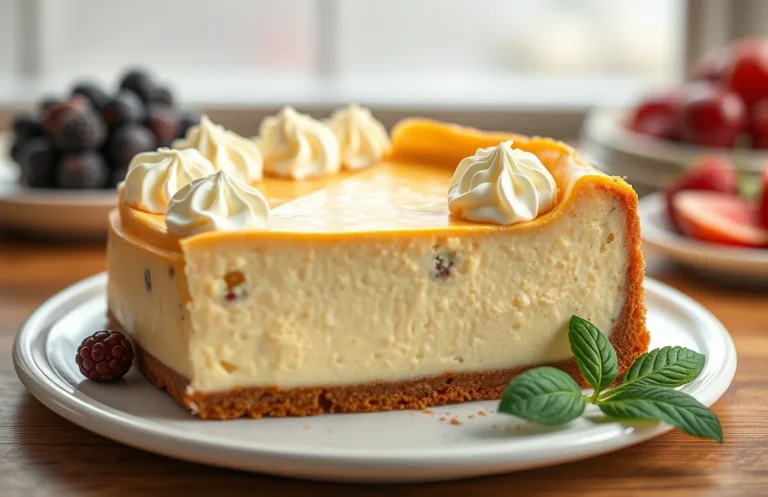
If you’ve ever tasted a perfectly baked cheesecake, you know it’s a slice of heaven. Its creamy texture and subtle sweetness make it a go-to dessert for celebrations, cozy dinners, or just because you deserve something special. Trust me, this baked cheesecake will leave your guests asking for seconds!
Ready to bake? You’ll find exact measurements, clear step-by-step instructions, and handy tips for troubleshooting. This recipe takes about 1 hour and 15 minutes total, serves 8 people, and is of medium difficulty.
| Prep Time | Cook Time | Total Time | Servings | Difficulty |
|---|---|---|---|---|
| 20 minutes | 55 minutes | 1 hour 15 minutes | 8 | Medium |
History of Cheesecake
Cheesecake has a rich history that dates back thousands of years, evolving across cultures and becoming a beloved dessert worldwide. Understanding its origins not only highlights its significance but also sheds light on whether cheesecakes are typically baked or not.
- Origin of Cheesecake: The earliest known cheesecake dates back to ancient Greece, where it was served to athletes during the Olympic Games. It was made from a mixture of cheese and honey, showcasing the simplicity of ingredients and techniques used at the time.
- Cultural Variations: Different cultures have their own versions of cheesecake. For instance, the New York-style cheesecake is rich and dense, often baked, while Italian ricotta cheesecake is lighter and can be made without baking. These variations reflect regional preferences and ingredient availability.
- Special Occasions: Cheesecake has become a staple dessert for celebrations and special occasions, from birthdays to holidays. The act of baking a cheesecake often signifies care and thoughtfulness, making it a popular choice for gatherings.
In summary, the history of cheesecake reveals its evolution from ancient Greece to modern variations, highlighting the importance of baking in certain recipes, especially in the creamy, dense New York-style cheesecake that many have come to love.
Ingredients for Baked Cheesecake
To create a luscious baked cheesecake, you need to gather the right ingredients that will ensure a creamy texture and rich flavor. Each component plays a vital role, from the creamy base to the sweet crust, and having exact measurements will help you achieve the perfect balance.
| Item | Amount/Specification | Notes |
|---|---|---|
| Cream Cheese | 24 ounces (680g) | Softened to room temperature for easy mixing |
| Sugar | 1 cup (200g) | Granulated sugar for sweetness |
| Eggs | 3 large | At room temperature for better incorporation |
| Sour Cream | 1 cup (240g) | Adds creaminess and tanginess |
| Vanilla Extract | 1 teaspoon | Pure extract enhances flavor |
| Graham Cracker Crust | 1 ½ cups (150g) crushed | For the base, can substitute with digestive biscuits |
| Butter | ½ cup (115g) | Melted for binding the crust |
- For a gluten-free option, use gluten-free cookies for the crust.
- Make sure cream cheese is fully softened to avoid lumps in your batter.
- If using large eggs, consider reducing to two for a denser texture.
- To prevent cracks, bake the cheesecake in a water bath.
Essential Kitchen Equipment
Preparing a baked cheesecake requires some essential tools to ensure everything goes smoothly. Having the right equipment makes the process easier and enhances your baking experience. Below is a list of the key items you’ll need.
- Mixing Bowls: You’ll need at least two mixing bowls — one for the crust and one for the cheesecake filling. A 9-inch or larger bowl is ideal for mixing the filling to prevent spills. Use a glass or stainless-steel bowl, as they are non-reactive and easy to clean.
- Springform Pan: A 9-inch springform pan is essential for baked cheesecake. This pan allows you to easily remove the cheesecake without damaging the sides. Ensure that the pan is tightly sealed to avoid any water seeping in during the baking process.
- Electric Mixer: An electric mixer (stand or hand) is crucial for achieving a smooth, creamy texture in your cheesecake filling. Mix on medium speed to prevent incorporating too much air, which can lead to cracks in the finished product. If you don’t have a mixer, a whisk can work, but it will require more effort and time.
- Oven Preparation: Preheat your oven to 325°F (160°C). Use an oven thermometer to ensure accurate temperature, as an oven that is too hot can cause the cheesecake to crack. Prepare a water bath by placing a larger baking dish filled with hot water on the lower rack to maintain moisture during baking.
Step-by-Step Baking Instructions
This section outlines the detailed steps to bake a cheesecake, ensuring it turns out creamy and delicious. Each phase is crucial, from preparing the crust to cooling the cheesecake before serving, making this guide essential for a successful bake.
- Prepare the Crust: Preheat your oven to 350°F (175°C). In a mixing bowl, combine 1 ½ cups (150g) of graham cracker crumbs, ⅓ cup (70g) of granulated sugar, and ½ cup (115g) of melted unsalted butter. Mix until the crumbs are evenly coated and resemble wet sand. Press the mixture firmly into the bottom of a 9-inch (23 cm) springform pan to create an even layer. Bake for 10 minutes until lightly golden and fragrant, then allow it to cool while you prepare the filling.
- Mix the Filling: In a large mixing bowl, beat 24 oz (680g) of softened cream cheese with an electric mixer on medium speed until smooth, about 2-3 minutes. Gradually add 1 cup (200g) of granulated sugar and mix until fully incorporated. Add 3 large eggs, one at a time, blending well after each addition. Finally, mix in 1 teaspoon of vanilla extract and ½ cup (120ml) of sour cream until combined. The mixture should be creamy and free of lumps.
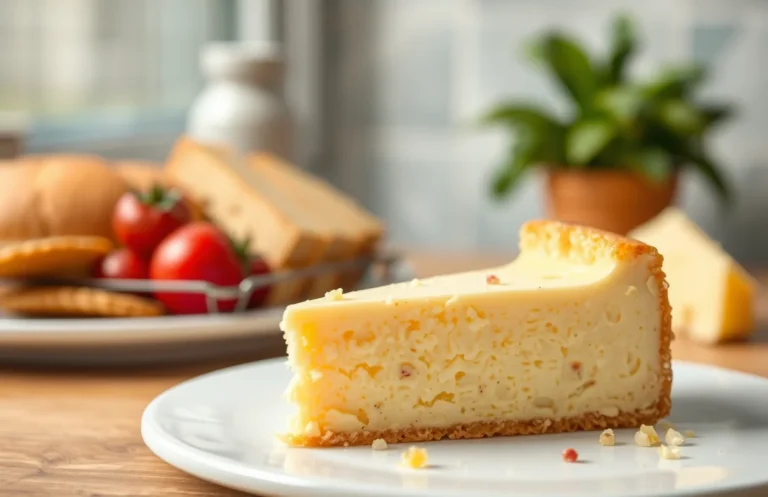
- Bake the Cheesecake: Pour the filling over the cooled crust in the springform pan, smoothing the top with a spatula. Place the pan in the center of the oven and bake for 50-60 minutes, or until the edges are set, and the center is slightly jiggly. Do not open the oven door during the first 40 minutes to prevent cracks. When done, the cheesecake should be lightly browned and have a slight sheen.
- Cool and Serve: Once baked, turn off the oven and crack the door open, letting the cheesecake cool in the oven for 1 hour. This gradual cooling process helps prevent cracks. Afterward, remove it from the oven and refrigerate for at least 4 hours, preferably overnight. Before serving, carefully run a knife around the edges to loosen the cheesecake, then remove the sides of the springform pan. The cheesecake should be firm yet creamy and ready to enjoy!
Pro Tips for Success
Achieving the perfect baked cheesecake involves more than just following a recipe; it requires attention to detail and a little know-how. Here are some essential tips to help you prevent cracks, use proper cooling techniques, and ensure your ingredients are at the right temperature.
Preventing Cracks
- Always mix your cheesecake batter on low speed to avoid incorporating too much air.
- Add 1 tablespoon of cornstarch to the batter; this helps stabilize the mixture and reduces the likelihood of cracks.
- Use a water bath (bain-marie) during baking: wrap your springform pan with aluminum foil to prevent water from leaking in. Place it in a larger pan filled with hot water, which provides gentle heat and moisture.
Do not open the oven door during the first 30 minutes of baking to maintain a consistent temperature.
Cooling Techniques
Cooling your cheesecake properly is crucial to prevent cracks and ensure the right texture:
- Turn off the oven and crack the door open, allowing the cheesecake to cool gradually inside for about 1 hour.
- After removing it from the oven, let it cool at room temperature for an additional hour before transferring it to the refrigerator.
Ingredient Temperature
Using ingredients at room temperature can greatly affect the texture of your cheesecake:
- Bring your cream cheese, eggs, and sour cream to room temperature (about 70°F/21°C) for at least 30 minutes before mixing.
- This helps prevent lumps and creates a smoother batter.
Chef’s tip: If your cheesecake does crack, don’t worry! A layer of fruit topping or whipped cream can cover it beautifully.
Cheesecake Variations
Exploring different flavors and dietary modifications can elevate your baked cheesecake experience. Whether you want to add a twist to the classic recipe or adapt it to fit dietary needs, these variations will provide you with delicious options.
Flavor Additions
Experimenting with flavors can make your cheesecake uniquely yours. Here are some delightful additions:
- Chocolate Swirl: Fold in ½ cup melted chocolate into the cheesecake batter before pouring it into the crust.
- Fruit Puree: Mix ½ cup of fruit puree (like raspberry or strawberry) into the batter or drizzle on top before serving.
- Spices: Add 1 teaspoon of vanilla extract or ½ teaspoon of cinnamon for a warm hint of flavor.
Gluten-Free Options
If you’re looking for a gluten-free cheesecake, simply substitute the crust. Here’s how:
- Crust: Use 1 ½ cups of ground almond flour or gluten-free graham cracker crumbs combined with ½ cup melted butter.
Vegan Alternatives
To make a vegan cheesecake, you can replace dairy ingredients with plant-based options:
- Cheese Substitute: Use 2 cups of soaked cashews blended with ½ cup coconut cream and ½ cup maple syrup.
- Egg Substitute: Replace eggs with ½ cup of unsweetened applesauce or 2 tablespoons of ground flaxseed mixed with 6 tablespoons of water.
Chef’s tip: For a creamy texture, ensure all ingredients are at room temperature before mixing.
Serving and Plating Ideas
Presenting your baked cheesecake beautifully can enhance the overall experience of this delicious dessert. With the right garnishes, sauces, and beverage pairings, you can elevate your cheesecake from a simple treat to a show-stopping centerpiece at any gathering.
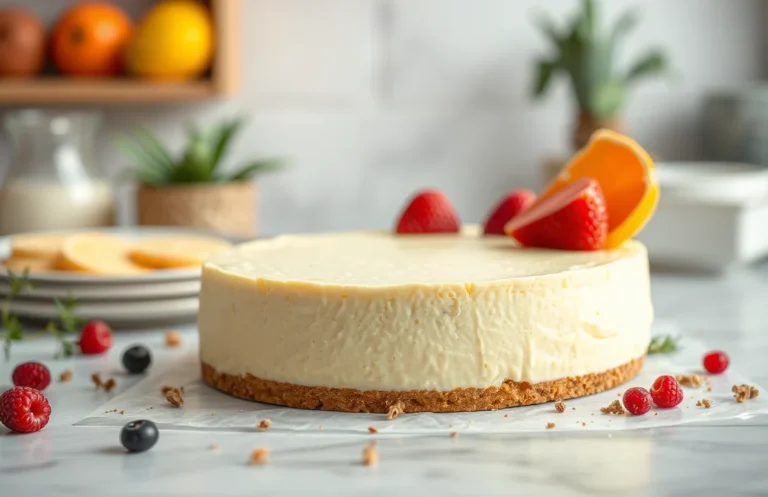
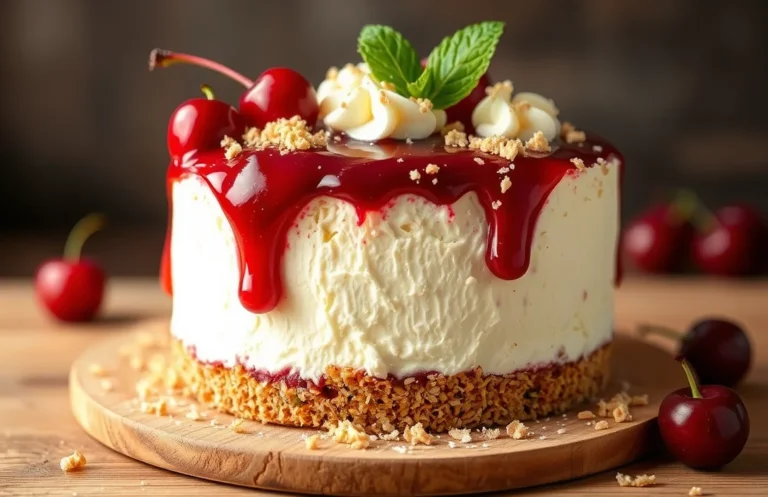
- Choose Your Garnishes: Fresh fruit is a classic choice for cheesecake. Consider topping your cheesecake with sliced strawberries, blueberries, or raspberries for a pop of color and freshness. You can also sprinkle some grated lemon or lime zest on top for a zesty contrast.
- Prepare Serving Sauces: A drizzle of homemade berry coulis or chocolate sauce can add an extra layer of flavor. To make a simple berry coulis, blend 1 cup of mixed berries with 2 tablespoons of sugar until smooth, then strain to remove seeds. Serve it on the side or drizzle it over each slice for a beautiful presentation.
- Consider Whipped Cream: Lightly sweetened whipped cream is a delightful addition. Whip 1 cup of heavy cream with 2 tablespoons of powdered sugar until soft peaks form. Pipe it around the cheesecake or serve it in a small bowl alongside for guests to add as they like.
- Pair with Beverages: For an ideal beverage pairing, consider serving your cheesecake with a glass of dessert wine, coffee, or herbal tea. A sweet Riesling or a rich espresso can complement the creamy texture beautifully.
Pro tip: Allow your cheesecake to chill in the fridge for at least 4 hours before serving. This will enhance its texture and make it easier to cut clean slices.
Quick Summary
| Prep Time | Cook Time | Total Time | Servings |
|---|---|---|---|
| 20 minutes | 60 minutes | 1 hour 20 minutes | 8 |
- Preheat oven to 325°F (160°C) before starting the batter.
- Prepare crust by mixing 1 ½ cups of graham cracker crumbs with ½ cup of melted butter.
- Beat cream cheese until smooth, then gradually add 1 cup of sugar and mix well.
- Add eggs one at a time, mixing just until combined to avoid overmixing.
- Bake in a water bath to prevent cracking, for about 60 minutes.
- Cool slowly in the oven with the door ajar for 1 hour before chilling.
- Tip: Use room temperature ingredients for a smoother batter.
- Tip: Don’t rush cooling; it helps prevent cracks.
Frequently Asked Questions
Can I make this ahead of time? How to store and reheat?
You can definitely make cheesecake a day or two ahead of time. Store it in the refrigerator, covered with plastic wrap, and reheat in the oven at 300°F for about 10-15 minutes if you prefer it warm.
What can I substitute for cream cheese?
If you need a substitute, you can use mascarpone cheese or a mix of ricotta and sour cream in equal proportions. Just keep in mind that the texture and flavor may vary slightly.
How do I know when it’s done?
Your cheesecake is done when the edges are set and the center is slightly jiggly, taking about 50-60 minutes at 325°F. It will firm up as it cools, so don’t overbake!
Can I freeze this? How long does it last?
You can freeze cheesecake for up to 3 months if wrapped tightly in plastic wrap and aluminum foil. Thaw it in the refrigerator overnight before serving for the best texture.
Why did my cheesecake crack?
Your cheesecake might crack if it was baked at too high a temperature or if it was overmixed. To prevent this, bake at a lower temperature and avoid beating air into the batter.

- Decadent Peanut Butter No-Bake Cheesecake: Easy Recipe to Indulge - April 3, 2026
- Delicious Mango No-Bake Cheesecake: Step-by-Step Recipe - April 3, 2026
- Decadent Raspberry No-Bake Cheesecake: Easy Step-by-Step Recipe - April 3, 2026