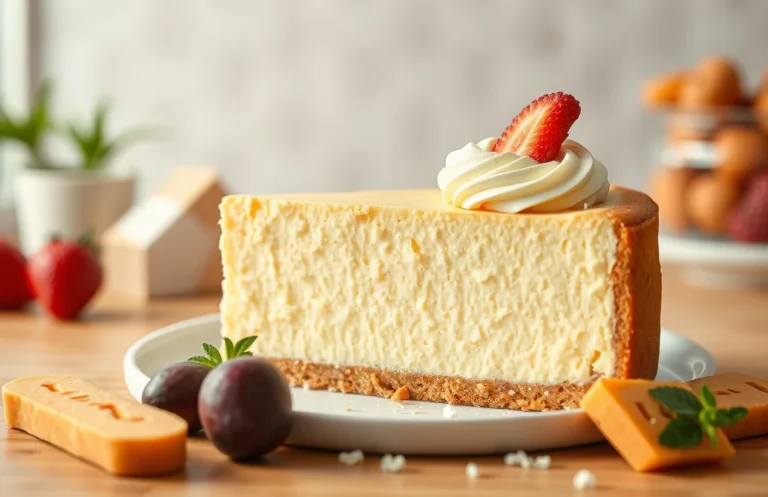
Do Cheesecakes Need Eggs? Discover the Best Recipes and Tips!
Cheesecake is one of those dreamy desserts that can instantly elevate any occasion, whether it’s a cozy weeknight treat or a show-stopping dessert at a gathering. The creamy, rich texture paired with a buttery crust makes it truly irresistible, leaving everyone craving just one more slice.
You’ll discover whether cheesecake contains eggs and how they contribute to the texture and flavor. With a total time of 1 hour 30 minutes, this recipe is rated easy and serves 8 people.
| Prep Time | 20 minutes |
|---|---|
| Cook Time | 50 minutes |
| Total Time | 1 hour 30 minutes |
| Servings | 8 |
| Difficulty | Easy |
Cheesecake Origins and Significance
The history of cheesecake is rich and varied, reflecting cultural traditions from ancient times to modern kitchens. Understanding its origins helps to appreciate the role of eggs in this beloved dessert, which can vary significantly depending on the recipe and region.
- Ancient Greece: Cheesecake is believed to have originated in ancient Greece, where it was made with simple ingredients like cheese, flour, and honey. Early recipes did not typically include eggs, focusing instead on the natural flavors of cheese.
- Roman Influence: The Romans adopted and modified Greek cheesecake recipes, adding more elaborate ingredients and methods. While eggs began to appear in some versions, they were not universally used, leading to the diversity we see today.
- New York Style: In the 19th century, the New York style cheesecake emerged, characterized by its creamy texture and use of cream cheese. This style generally includes eggs, which provide structure and stability to the filling, creating the dense yet smooth texture we love.
- Variations Worldwide: Different cultures have their own takes on cheesecake. For example, Italian ricotta cheesecake often relies on ricotta cheese and might use fewer eggs, while Japanese cheesecake is light and fluffy, incorporating whipped egg whites for aeration.
Eggs play a crucial role in many cheesecake recipes, contributing to the texture and flavor, but they are not a mandatory ingredient in all variations. Understanding these nuances can help you choose the right recipe for your taste and dietary preferences.
Essential Ingredients for Cheesecake
Understanding the essential ingredients for cheesecake is crucial to determining whether eggs are included in your recipe. While traditional cheesecakes often call for eggs to achieve that creamy, rich texture, there are variations that can be made without them. Here’s a complete list of ingredients you’ll need for a classic cheesecake, along with their specific measurements.
| Item | Amount/Specification | Notes |
|---|---|---|
| Cream Cheese | 16 oz (450g) | Softened, full-fat for best flavor |
| Sugar | 1 cup (200g) | Granulated sugar, adjust to taste |
| Eggs | 3 large eggs | Room temperature for even mixing |
| Vanilla Extract | 1 teaspoon (5ml) | Pure extract for best results |
| Graham Cracker Crust | 1 ½ cups (150g) | Crushed, for bottom layer |
| Unsalted Butter | ¼ cup (56g) | Melted, to bind the crust |
- Substitution Tip: For a no-egg cheesecake, you can replace eggs with 1 cup of sour cream or ½ cup of Greek yogurt to maintain creaminess.
- Common Mistake: Make sure your cream cheese is softened before mixing to avoid lumps.
- For a gluten-free crust, consider using almond flour or gluten-free cookies.
Required Kitchen Equipment
Making cheesecake is both a science and an art, and having the right kitchen tools can make all the difference. In this section, we will cover essential equipment to ensure your cheesecake turns out perfectly creamy and delicious, especially when deciding whether to include eggs in your recipe.
- Mixing Bowls: You’ll need at least two mixing bowls for your cheesecake. A large mixing bowl (at least 4 quarts) is ideal for combining the cream cheese and sugar, while a medium bowl (about 2 quarts) is perfect for mixing any egg components. Ensure the bowls are heat-resistant if you plan to mix ingredients that require warming.
- Springform Pan: A 9-inch springform pan is the best choice for cheesecakes. This type of pan allows for easy removal of the cheesecake once it’s set. Make sure to line the bottom with parchment paper to prevent sticking, and always check that the clasp is tight to avoid leaks during baking.
- Electric Mixer: A stand mixer or handheld electric mixer will save you time and ensure a smooth batter. Use the paddle attachment for mixing the cream cheese until it’s silky, which typically takes about 2-3 minutes on medium speed. If you don’t have a mixer, a whisk can work, but be prepared to put in some elbow grease!
Step-by-Step Cheesecake Preparation
Preparing a cheesecake is a rewarding process that requires attention to detail, especially when it comes to the use of eggs. Eggs not only provide structure but also contribute to the creamy texture. In this section, we’ll go through each essential step in making a delicious cheesecake, focusing on how to incorporate eggs effectively.
- Preheat the Oven: Begin by preheating your oven to 325°F (163°C). This temperature is ideal for baking cheesecakes, ensuring they cook evenly without cracking. Allow the oven to reach the desired temperature before placing your cheesecake inside.
- Prepare the Crust: In a mixing bowl, combine 1 ½ cups (150g) of graham cracker crumbs, ½ cup (100g) of granulated sugar, and ½ cup (113g) of melted unsalted butter. Mix until the crumbs are evenly coated and resemble wet sand. Press this mixture firmly into the bottom of a 9-inch (23cm) springform pan, making sure it is even and compact. Bake the crust in the preheated oven for 10 minutes until lightly golden.
- Mix the Filling: In a large mixing bowl, beat 24 ounces (680g) of cream cheese at room temperature until smooth. Gradually add 1 cup (200g) of granulated sugar and mix until combined. Incorporate 3 large eggs, one at a time, ensuring each egg is fully blended before adding the next. The mixture should be creamy and free of lumps. Add 1 teaspoon of vanilla extract and mix just until combined.
- Bake and Cool: Pour the filling over the pre-baked crust and smooth the top with a spatula. Bake in the 325°F (163°C) oven for 55-65 minutes, or until the edges are set but the center still has a slight jiggle. Do not open the oven door during the first 30 minutes to prevent cracking. Once done, turn off the oven, crack the door, and let the cheesecake cool gradually for 1 hour before refrigerating for at least 4 hours or overnight.
Pro Tips and Common Pitfalls
Understanding the role of eggs in cheesecake is crucial for achieving the perfect texture and flavor. This section offers essential tips to avoid common mistakes, ensuring your cheesecake turns out creamy and delicious every time.
Avoid Overmixing
When incorporating eggs into your cheesecake batter, be gentle. Overmixing can lead to air bubbles, causing cracks during baking.
- Mix the cream cheese until smooth, then add sugar and mix briefly.
- Gently whisk in the eggs one at a time, just until combined. The batter should be smooth and slightly thick.
Chef’s tip: Use a rubber spatula to fold the mixture for better texture.
Check for Doneness
Knowing when your cheesecake is done is key to avoiding a soggy or overcooked center. A perfectly baked cheesecake will have a slight jiggle in the center.
- Bake your cheesecake at 325°F (160°C) for about 55-65 minutes.
- Check for doneness by gently shaking the pan; the outer edges should be set, while the center remains soft.
Do not open the oven door during the first 40 minutes to prevent temperature fluctuations.
Cooling Tips
Cooling your cheesecake properly helps prevent cracking and ensures a smooth texture.
- Turn off the oven and crack the door, allowing the cheesecake to cool gradually for 1 hour.
- Transfer to a wire rack and cool at room temperature for another hour before refrigerating.
| Stage | Temperature | Time |
|---|---|---|
| Bake | 325°F (160°C) | 55-65 minutes |
| Cool in Oven | Off | 1 hour |
| Room Temperature Cooling | Room Temp | 1 hour |
Cheesecake Variations and Substitutions
Cheesecake recipes can vary widely based on ingredients, dietary preferences, and flavor profiles. Understanding whether eggs are necessary for your cheesecake and what alternatives exist can help you customize your dessert to suit different needs and tastes.
Vegan Cheesecake
If you’re looking to create a vegan cheesecake, eggs can be easily replaced with several alternatives. Here are some popular options:
- 1 cup silken tofu, blended until smooth
- 1/4 cup unsweetened applesauce
- 1 tablespoon ground flaxseed mixed with 2.5 tablespoons water (let it sit for 5 minutes to thicken)
These substitutes provide the creaminess and structure needed for a delicious vegan cheesecake. Bake at 350°F (175°C) for 45-50 minutes, until the edges are firm and the center slightly jiggles.
Gluten-Free Options
For those avoiding gluten, simply swap the traditional graham cracker crust with a gluten-free alternative. Here’s a quick recipe:
- 1 ½ cups gluten-free cookie crumbs
- 1/4 cup melted coconut oil
Mix the crumbs and oil, press into the bottom of your pan, and bake at 350°F (175°C) for 10 minutes. Allow to cool before adding your filling.
Flavor Variations
Cheesecakes can be easily flavored without eggs. Consider these delicious options:
- 1/4 cup lemon juice for a citrus twist
- 1/2 cup melted chocolate for a rich dessert
- 1 teaspoon vanilla extract for a classic touch
Chef’s tip: Always taste your filling before baking; it should be sweet and flavorful.
Serving and Pairing Suggestions
Serving your cheesecake beautifully can elevate the entire dessert experience. Whether your cheesecake includes eggs or is made egg-free, thoughtful garnishes and beverage pairings can enhance its rich flavors and creamy texture. Here are some ideas to help you present and enjoy your cheesecake to the fullest.
Garnishing Ideas
- Fresh Berries: Top with a handful of mixed berries such as strawberries, blueberries, and raspberries for a burst of color and freshness.
- Chocolate Drizzle: Melt ½ cup dark chocolate and drizzle over the cheesecake for an indulgent touch.
- Whipped Cream: A dollop of freshly whipped cream can add a light, airy contrast to the dense cheesecake.
- Citrus Zest: Grate some lemon or orange zest on top for a bright, zesty kick.
Beverage Pairings
| Beverage | Notes |
|---|---|
| Coffee | The richness of coffee complements the creaminess of cheesecake. |
| Sweet Riesling | A chilled sweet Riesling enhances fruity flavors in your cheesecake. |
| Herbal Tea | Chamomile or mint tea can provide a soothing balance to the dessert’s richness. |
Chef’s tip: If you’re serving a fruit-topped cheesecake, consider pairing it with a berry-infused drink for a cohesive flavor profile.
For presentation, slice your cheesecake using a hot knife for clean edges. Wipe the knife with a damp cloth between cuts to maintain that pristine look. Serve each slice on a chilled plate to keep it firm and appealing. Enjoy your cheesecake creation with these thoughtful serving suggestions!
Quick Summary
| Prep Time | 15 minutes |
|---|---|
| Cook Time | 60 minutes |
| Total Time | 1 hour 15 minutes |
| Servings | 8 |
- Ingredient Check: Traditional cheesecakes often include eggs for structure.
- Mixing Method: Beat cream cheese until smooth before adding eggs.
- Temperature Control: Bake at 325°F (163°C) for even cooking.
- Bake Time: Check for a slight jiggle in the center after 60 minutes.
- Cooling Time: Cool in the oven with the door ajar to prevent cracks.
- Tip: Use room temperature ingredients for smoother batter.
- Tip: Avoid overmixing after adding eggs to prevent air bubbles.
Frequently Asked Questions
Does a cheesecake have egg?
Yes, traditional cheesecake recipes often include eggs, which help to set the filling and create a creamy texture. However, you can find eggless versions that use alternatives like silken tofu or cornstarch.
Can I make cheesecake ahead of time? How to store and reheat?
You can absolutely make cheesecake ahead of time; it actually tastes better after chilling for at least 4 hours, or preferably overnight. Store it covered in the refrigerator for up to 5 days, and avoid reheating as it’s best served chilled.
What can I substitute for cream cheese?
If you’re looking to substitute cream cheese, you can use mascarpone or a blend of ricotta and sour cream for a similar texture. Just keep in mind that this may slightly alter the flavor and consistency.
How do I know when my cheesecake is done?
Your cheesecake is done when the edges are set but the center still has a slight jiggle, which usually takes about 60-70 minutes at 325°F (163°C). It will continue to firm up as it cools, so don’t overbake!
What if my cheesecake cracks during baking?
Cracks can occur if the cheesecake is overbaked or if it cools too quickly, so try baking it in a water bath and avoid opening the oven door too often. If cracks do appear, you can cover them with a layer of whipped cream or fruit topping for a pretty fix!

- Decadent Peanut Butter No-Bake Cheesecake: Easy Recipe to Indulge - April 3, 2026
- Delicious Mango No-Bake Cheesecake: Step-by-Step Recipe - April 3, 2026
- Decadent Raspberry No-Bake Cheesecake: Easy Step-by-Step Recipe - April 3, 2026