Does Cheesecake Need Eggs? Learn Texture Tips and Eggless Recipes
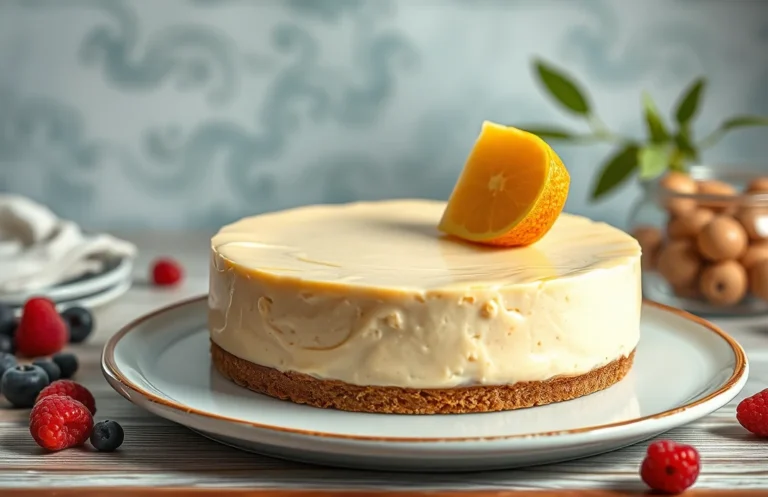
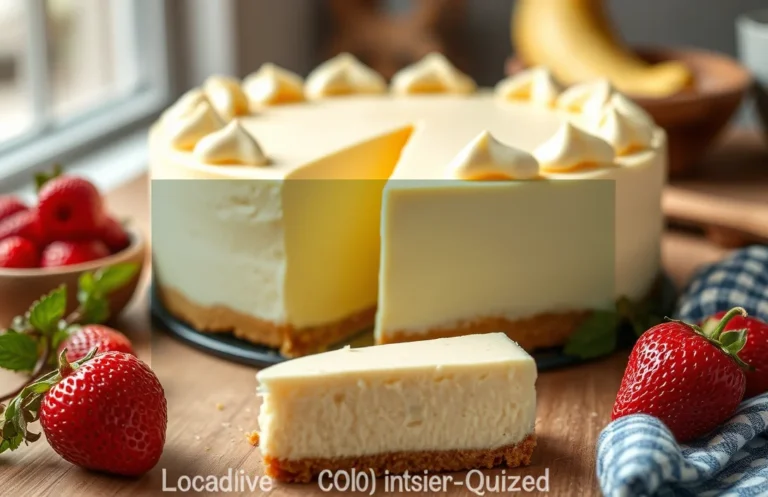
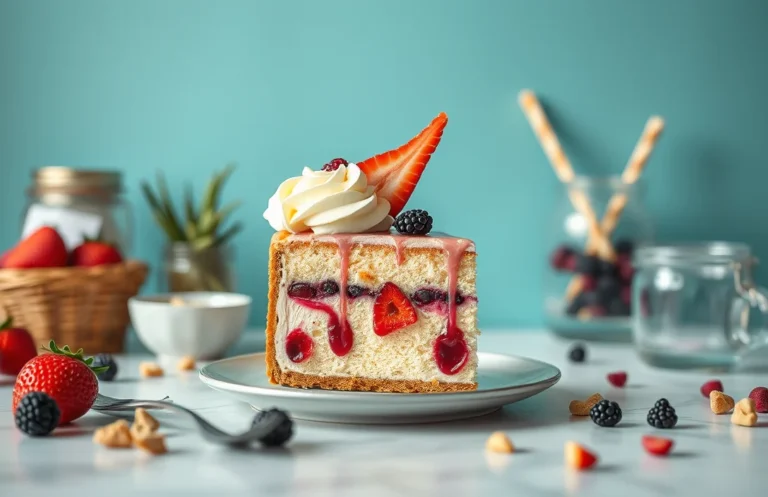
Cheesecake is one of those desserts that feels like a warm hug, creamy and rich, perfect for any occasion. Imagine slicing through a velvety, smooth cheesecake topped with fresh berries or a drizzle of chocolate—pure bliss! It’s a crowd-pleaser that never fails to impress, whether it’s a celebration or simply a cozy night in.
Are you curious if cheesecakes have eggs? You’re in the right place! This guide will clarify how eggs impact texture and flavor, featuring both traditional recipes with eggs and delightful eggless variations. Expect prep time of 20 minutes, cook time of 50 minutes, and servings for 8 people, all with easy-to-follow instructions.
| Prep Time | Cook Time | Total Time | Servings | Difficulty |
|---|---|---|---|---|
| 20 minutes | 50 minutes | 1 hour 10 minutes | 8 | Moderate |
Cheesecake Origins and Tradition
This section delves into the rich history of cheesecake and its cultural significance, particularly regarding the use of eggs in traditional recipes. Understanding these origins can enhance your appreciation for this beloved dessert and its variations across different cultures.
Historical Background
- Ancient Roots: Cheesecake dates back to ancient Greece, where it was made with simple ingredients like cheese, honey, and flour. The earliest known cheesecake recipe was found on the island of Samos around 2000 B.C.
- Roman Influence: The Romans adapted the Greek recipe, introducing more refined techniques and ingredients. They often included eggs, which contributed to a creamier texture and richer flavor, setting the stage for modern variations.
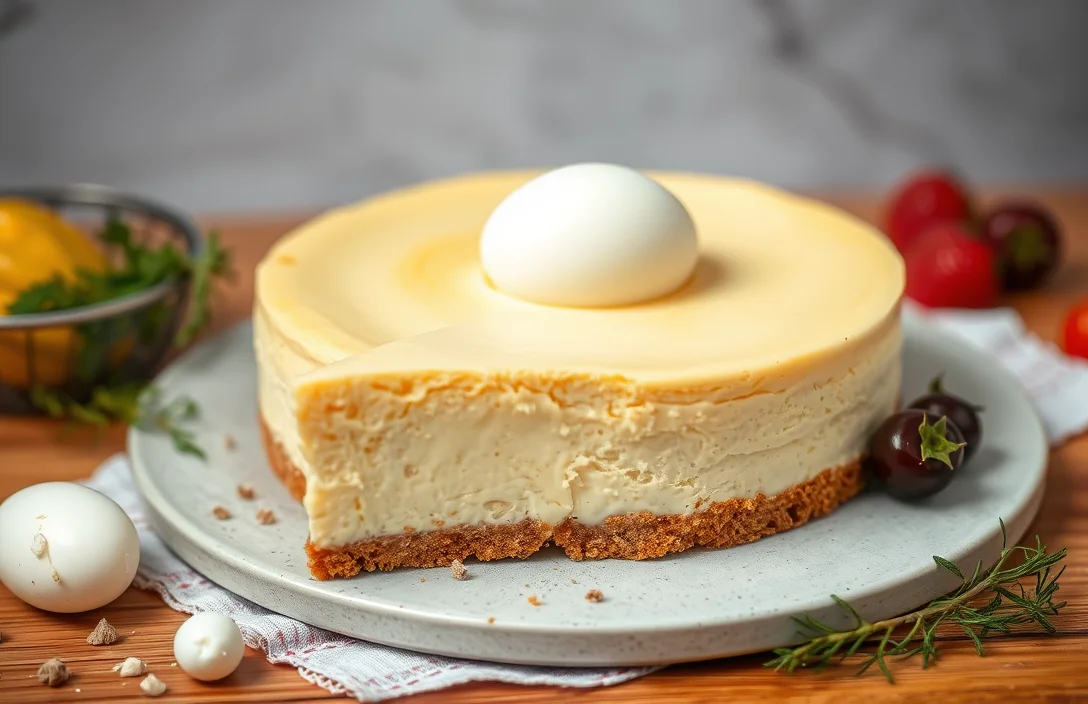
- New York Style: The iconic New York cheesecake that many enjoy today typically contains eggs, creating a dense and creamy texture that has become synonymous with the dessert.
Cultural Variations
- Japanese Cheesecake: This version is lighter and fluffier than traditional cheesecakes and often uses whipped egg whites to achieve its airy texture, making it distinctively different.
- Italian Ricotta Cheesecake: Made with ricotta cheese, this variation can be made without eggs or with fewer eggs, leading to a lighter, more textured cake.
- Dairy-Free Options: Many cultures have adapted cheesecake recipes to cater to dietary restrictions, using alternatives like silken tofu or cashews instead of eggs, proving that cheesecake can still be delicious without traditional ingredients.
Ingredients for Cheesecake
This section outlines the essential ingredients for a traditional cheesecake, particularly focusing on the inclusion of eggs. Eggs play a crucial role in achieving the creamy texture and rich flavor that make cheesecakes so beloved. Understanding these ingredients can help you make informed choices, especially if you’re considering variations for dietary needs.
| Item | Amount/Specification | Notes |
|---|---|---|
| Cream Cheese | 16 ounces (450g) | Softened, for a smooth filling |
| Sugar | 1 cup (200g) | Granulated for sweetness |
| Eggs | 3 large | Room temperature; helps bind and leaven |
| Sour Cream | ½ cup (120g) | Adds tanginess and creaminess |
| Vanilla Extract | 1 teaspoon | Enhances flavor |
| Graham Cracker Crust | 1 ½ cups (150g) crushed | For a classic base |
| Butter | ½ cup (115g) | Melted, to bind the crust |
- Substitution for Eggs: If you’re looking for an eggless version, you can substitute each egg with ¼ cup of unsweetened applesauce or ¼ cup of silken tofu blended until smooth.
- Texture Tips: Ensure cream cheese is at room temperature to prevent lumps in the batter. A smooth batter is key for a silky cheesecake.
- Common Mistake: Avoid overmixing the batter once the eggs are added, as this can introduce too much air and lead to cracks during baking.
Essential Kitchen Tools
To create a delicious cheesecake, having the right kitchen tools is essential. Each tool plays a role in achieving the perfect texture and flavor, especially if you’re considering whether to include eggs in your recipe. Below is a list of necessary equipment along with preparation details to ensure your cheesecake turns out just right.
| Item | Amount/Specification | Notes |
|---|---|---|
| Springform Pan | 9-inch (23 cm) | Essential for easy removal of the cheesecake. |
| Electric Mixer | 1 | For blending cream cheese and other ingredients smoothly. |
| Mixing Bowls | 2-3 | Use for mixing crust and filling separately. |
| Rubber Spatula | 1 | Helps to fold ingredients without deflating the mixture. |
| Measuring Cups | 1 set | For precise measurements of ingredients. |
| Measuring Spoons | 1 set | For accurate measurement of smaller quantities. |
| Oven Thermometer | 1 | Ensures your oven is at the correct temperature. |
- Ensure your ingredients are at room temperature for better mixing.
- Line the bottom of the springform pan with parchment paper for easier removal.
- Don’t skip preheating your oven; a consistent temperature is crucial for baking.
- Use a water bath for baking to prevent cracking if you’re using eggs in your cheesecake.
Step-by-Step Cheesecake Instructions
In this section, we will break down the steps for making a classic cheesecake, focusing on the role of eggs in the recipe. Eggs are crucial for achieving a creamy texture and helping the cheesecake set properly, but there are also egg-free variations for those with dietary restrictions.
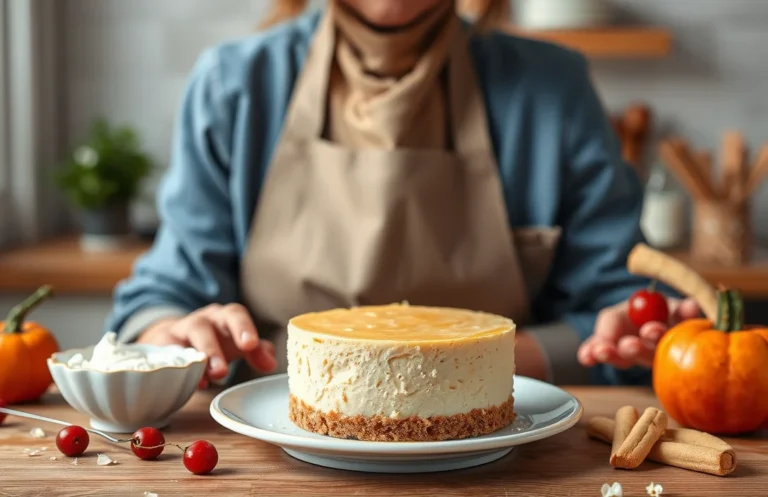
- Prepare the crust: Preheat your oven to 350°F (175°C). In a mixing bowl, combine 1 ½ cups (150g) of graham cracker crumbs, ¼ cup (50g) of granulated sugar, and ½ cup (115g) of melted unsalted butter. Mix until the crumbs are evenly coated and the mixture resembles wet sand. Press this mixture firmly into the bottom of a 9-inch springform pan, creating an even layer.
- Make the filling: In a large mixing bowl, beat together 16 ounces (450g) of cream cheese and 1 cup (200g) of granulated sugar until smooth and creamy, about 3-4 minutes. Scrape down the sides of the bowl to ensure everything is well combined. Add in 3 large eggs, one at a time, beating well after each addition until fully incorporated. The mixture should be velvety and slightly fluffy.
- Add flavorings: Mix in 1 teaspoon of vanilla extract and 1 tablespoon of lemon juice to enhance the flavor of the cheesecake. Ensure these are well blended into the creamy filling. You can also substitute the eggs with 1 cup of silken tofu for a vegan option, blending until smooth.
- Bake the cheesecake: Pour the cheesecake filling over the prepared crust. Bake in the preheated oven for 50-60 minutes, or until the edges are set and the center has a slight jiggle. The top should be lightly golden and may crack slightly, which is normal.
- Cool and chill: Once baked, turn off the oven and leave the cheesecake inside with the door slightly ajar for 1 hour to cool gradually. This helps prevent cracking. After cooling, refrigerate the cheesecake for at least 4 hours or overnight for the best texture.
Chef’s tip: If you notice your cheesecake has cracks, don’t worry! They can be covered with a layer of fruit topping or whipped cream before serving.
Expert Tips for Perfect Cheesecake
Understanding the role of eggs in cheesecake is crucial for achieving the perfect texture and flavor. Eggs not only help to bind the ingredients together but also contribute to the creamy, rich consistency that makes cheesecake so delightful. Here are some pro tips to ensure your cheesecake turns out beautifully, whether it contains eggs or not.
- Use room temperature eggs: Cold eggs can lead to a lumpy batter. Let your eggs sit at room temperature for about 30 minutes before mixing them in. This helps create a smoother texture.
- Don’t overbeat the mixture: While you want to incorporate air into the batter for a light texture, overbeating can lead to cracks during baking. Mix until just combined and creamy.
- Check for doneness carefully: The center should still have a slight jiggle when you remove it from the oven. It will continue to set as it cools. A fully set center can lead to dryness.
- Use a water bath: Baking your cheesecake in a water bath can help regulate the temperature, preventing the top from cracking. Wrap the outside of the springform pan in foil to prevent water from seeping in.
- Let it cool gradually: After baking, turn off the oven and crack the door open. Allow the cheesecake to cool slowly for at least one hour to avoid sudden temperature changes that can cause cracks.
Chef’s tip: If your cheesecake does crack, don’t worry! A sour cream topping or fresh fruit can easily cover any imperfections.
Eggless Cheesecake Options
If you’re looking to enjoy cheesecake without eggs due to dietary restrictions or preferences, there are plenty of delicious eggless variations to try. These recipes maintain the creamy texture and rich flavor of traditional cheesecakes while accommodating different needs.
Eggless Recipe 1: No-Bake Creamy Cheesecake
This no-bake cheesecake is a fantastic option that uses cream cheese and whipped cream for a light yet indulgent dessert. It requires minimal effort and no baking, making it perfect for warm weather!
- 1½ cups graham cracker crumbs (150g)
- ½ cup unsalted butter, melted (113g)
- 16 oz cream cheese, softened (450g)
- 1 cup powdered sugar (120g)
- 1 teaspoon vanilla extract
- 1 cup heavy whipping cream (240ml)
- In a mixing bowl, combine the graham cracker crumbs and melted butter. The mixture should feel like wet sand when mixed. Press it into the bottom of a 9-inch (23cm) springform pan to form the crust.
- In another bowl, beat the cream cheese until smooth, then add powdered sugar and vanilla extract. Mix until well combined and creamy.
- In a separate bowl, whip the heavy cream until stiff peaks form, then gently fold it into the cream cheese mixture. Be sure to fold carefully to maintain the airiness.
- Pour the filling over the crust, smoothing the top with a spatula. Cover and refrigerate for at least 4 hours, or until set. You’ll know it’s ready when it feels firm to the touch.
Chef’s tip: Use full-fat cream cheese for the best flavor and texture.
Eggless Recipe 2: Baked Vegan Cheesecake
This baked vegan cheesecake uses cashews and coconut milk for a rich and creamy filling, all while being completely egg-free!
- 1½ cups raw cashews, soaked for 4 hours (225g)
- ½ cup coconut milk (120ml)
- ½ cup maple syrup (120ml)
- 1 tablespoon lemon juice
- 1 teaspoon vanilla extract
- ½ cup almond flour (50g)
- ¼ cup coconut oil, melted (60ml)
- Preheat your oven to 350°F (175°C). In a blender, combine soaked cashews, coconut milk, maple syrup, lemon juice, and vanilla extract. Blend until completely smooth and creamy.
- In a bowl, mix almond flour and melted coconut oil to form a crumbly texture. Press this mixture into the bottom of a greased 9-inch (23cm) pie pan.
- Pour the cashew filling over the crust and smooth the top with a spatula. Bake for 30-35 minutes until the edges are firm and the center is slightly jiggly.
- Allow it to cool at room temperature, then refrigerate for at least 4 hours before slicing. The cheesecake should feel firm but creamy when you cut into it.
Common mistake: Make sure to soak the cashews to ensure a smooth texture; dry cashews will result in a gritty filling.
| Ingredient | Amount |
|---|
Serving and Plating Ideas
When it comes to serving cheesecake, presentation is key to enhancing the overall experience. Whether your cheesecake is made with eggs or is eggless, thoughtful plating and pairing can elevate its deliciousness and visual appeal.
Plating Tips
For a beautiful presentation, consider these plating ideas:
- Slice the cheesecake into even pieces, about 1 inch thick, for a tidy look.
- Use a sharp knife dipped in hot water to ensure clean cuts, wiping the blade between slices.
- Place each slice on a decorative dessert plate, optionally garnishing with a dusting of powdered sugar for a touch of elegance.
For added flair, drizzle a sauce around the cheesecake. Chocolate, caramel, or fruit coulis are excellent choices. You can also add a dollop of whipped cream on top for a creamy contrast.
Pairing Suggestions
Cheesecake pairs wonderfully with various accompaniments that can enhance its flavors:
- Fruits: Fresh berries like strawberries, raspberries, or blueberries add a burst of freshness.
- Nuts: Chopped pecans or almonds can provide a delightful crunch.
- Chocolate: Serve with chocolate shavings or a side of chocolate sauce for indulgence.
Chef’s tip: Serve your cheesecake chilled, as this enhances its creamy texture and flavor. Let it sit at room temperature for 15 minutes before serving for the best taste.
By considering these plating tips and pairing suggestions, you can create a visually stunning and delicious cheesecake experience that will impress your family and friends!
Quick Summary
| Prep Time | 20 minutes |
|---|---|
| Cook Time | 60 minutes |
| Total Time | 1 hour 20 minutes |
| Servings | 8 |
- Cheesecake base: Use cream cheese for a rich texture.
- Egg incorporation: Eggs are essential for a creamy, stable structure.
- Bake temperature: Preheat oven to 325°F (160°C) for even cooking.
- Water bath: Use a water bath to prevent cracks on the surface.
- Cooling time: Let cool in the oven to avoid sudden temperature changes.
- Tip: Use room temperature ingredients for a smooth batter.
- Tip: Don’t overmix to prevent incorporating too much air.
Frequently Asked Questions
Can I make this cheesecake ahead of time? How to store and reheat?
You can make this cheesecake up to 2 days in advance and store it covered in the fridge. Just let it come to room temperature before serving, or gently reheat it in a low oven (around 200°F) for about 10 minutes.
What can I substitute for eggs in this cheesecake?
If you’re looking for an egg substitute, you can use 1/4 cup of unsweetened applesauce or 1/4 cup of silken tofu for each egg. Just keep in mind that this may slightly alter the texture.
How do I know when my cheesecake is done?
Your cheesecake is done when the edges are set and the center has a slight <strong jiggle—it will firm up as it cools. This usually takes about 50-60 minutes at 325°F.
Can I freeze this cheesecake? How long does it last?
Yes, you can freeze cheesecake for up to 2 months. Wrap it tightly in plastic wrap and aluminum foil to prevent freezer burn and maintain flavor.
What if I don’t have a springform pan?
If you don’t have a springform pan, you can use a 9-inch round cake pan lined with parchment paper on the bottom and sides. Just make sure to cool it completely before attempting to remove it, as it may be a bit trickier.

- Decadent Peanut Butter No-Bake Cheesecake: Easy Recipe to Indulge - April 3, 2026
- Delicious Mango No-Bake Cheesecake: Step-by-Step Recipe - April 3, 2026
- Decadent Raspberry No-Bake Cheesecake: Easy Step-by-Step Recipe - April 3, 2026