Is Cheesecake Gluten-Free? Tips for Delicious Gluten-Free Recipes
Cheesecake is the ultimate indulgence, a creamy, dreamy dessert that wraps you in a warm hug with every bite. Whether it’s a luscious New York style or a fruity variation, it’s the kind of treat that turns an ordinary weeknight into a celebration. Trust me, your taste buds will be begging for more!
To satisfy your curiosity, we’ll clarify whether traditional cheesecake contains gluten and provide you with three delicious gluten-free cheesecake recipes. Expect prep times under 30 minutes, cook times around an hour, and servings for 8.
| Prep Time | Cook Time | Total Time | Servings | Difficulty |
|---|---|---|---|---|
| 30 minutes | 60 minutes | 90 minutes | 8 | Moderate |
Cheesecake Origins
Understanding the origins of cheesecake is essential to appreciate its diverse forms and whether they contain gluten. This delightful dessert has a rich history that ties into various cultures, often being associated with special occasions and celebrations.
- Ancient Beginnings: The earliest known cheesecake dates back to ancient Greece, where it was served to athletes during the first Olympic games in 776 BC. Made with simple ingredients like cheese and honey, it laid the groundwork for what would evolve into modern cheesecake.
- Roman Influence: The Romans adopted and adapted the Greek cheesecake, introducing new ingredients such as eggs. This version spread throughout Europe, becoming a staple in many cultures, each adding their unique twist.
- Regional Variations: Different cultures have developed their own interpretations of cheesecake. For example, the Italian ricotta cheesecake is a beloved dessert during holidays, while the New York-style cheesecake, characterized by its dense and creamy texture, has become iconic in American cuisine.
- Special Occasions: Cheesecake often graces tables during celebrations such as weddings, birthdays, and holidays. Its rich flavor and creamy texture make it a favorite for many, symbolizing indulgence and festivity.
With its historical roots spanning centuries and cultures, cheesecake remains a beloved dessert. As we explore whether traditional cheesecake contains gluten, we can appreciate how its evolution has allowed for the creation of gluten-free options that maintain its delicious essence.
Ingredients with Gluten
This section focuses on the traditional ingredients commonly used in cheesecake recipes and identifies which of these may contain gluten. Understanding these ingredients is essential for anyone concerned about gluten in their diet, especially if you’re looking to make a gluten-free cheesecake.
| Item | Amount/Specification | Notes |
|---|---|---|
| Graham cracker crumbs | 1 ½ cups (150g) | Commonly used for the crust; contains gluten. |
| All-purpose flour | 2 tablespoons (15g) | Sometimes added for texture; contains gluten. |
| Butter | ½ cup (113g) | Usually gluten-free, check for cross-contamination. |
| Sugar | 1 cup (200g) | Gluten-free. |
| Cream cheese | 16 ounces (450g) | Gluten-free. |
| Eggs | 3 large | Gluten-free. |
| Vanilla extract | 1 teaspoon (5ml) | Gluten-free, but check labels. |
- For a gluten-free crust, substitute graham cracker crumbs with crushed gluten-free cookies or almond flour.
- Always check labels for processed ingredients, as they can sometimes contain hidden gluten.
- If you’re unsure about an ingredient, opt for certified gluten-free products.
Essential Kitchen Tools
To create a delicious cheesecake, whether traditional or gluten-free, having the right kitchen tools is crucial. This section outlines the essential equipment you’ll need to prepare your cheesecake successfully, ensuring a smooth and enjoyable baking experience.
- Springform Pan: A 9-inch springform pan is ideal for cheesecakes as it allows for easy removal without damaging the delicate crust. Make sure to grease the bottom and sides with a bit of butter or cooking spray to prevent sticking.
- Food Processor: A food processor is perfect for crushing graham crackers or gluten-free cookies into fine crumbs for your crust. Pulse the cookies until they resemble sand, which should take about 30 seconds. For a smooth filling, you can also use the processor to blend the cream cheese until creamy.
- Mixing Bowls: Use a large mixing bowl for combining ingredients. Opt for glass or stainless steel bowls, as they won’t react with acidic ingredients like cream cheese. A smaller bowl is handy for mixing your crust ingredients separately.
- Hand Mixer or Stand Mixer: A hand mixer will make it easy to beat the cream cheese until smooth, which should take about 2-3 minutes on medium speed. If you have a stand mixer, use the paddle attachment for best results.
- Rubber Spatula: A rubber spatula is essential for scraping down the sides of your mixing bowl and folding in ingredients gently. This ensures a well-combined filling without overmixing, which can lead to cracks in your cheesecake.
- Oven Thermometer: An oven thermometer helps ensure that your oven is at the correct temperature, 325°F (160°C) for baking your cheesecake. This is particularly important for preventing overbaking or underbaking.
Step-by-Step Recipe
This section will guide you through the preparation and baking times necessary to create a delicious cheesecake. Understanding how long each step takes is crucial for achieving the perfect texture and flavor, especially when considering gluten-free options.
Preparation Time
- Gather all your ingredients. For a basic cheesecake, you’ll need 2 cups of gluten-free graham cracker crumbs, ½ cup of unsalted butter (melted), 1 cup of granulated sugar, 4 packages (8 oz each) of cream cheese (softened), and 4 large eggs. Make sure everything is at room temperature to ensure a smooth batter.
- Preheat your oven to 325°F (160°C). This temperature is ideal for baking the cheesecake evenly without cracking. Remember, a sudden temperature change can lead to an undesired texture, so keep your oven at a consistent heat.
Baking Time
- Once your oven is preheated, pour the prepared cream cheese mixture into the crust. Smooth the top with a spatula. You’ll want to bake it for about 55-60 minutes. The edges should be set while the center remains slightly jiggly, which will firm up as it cools.
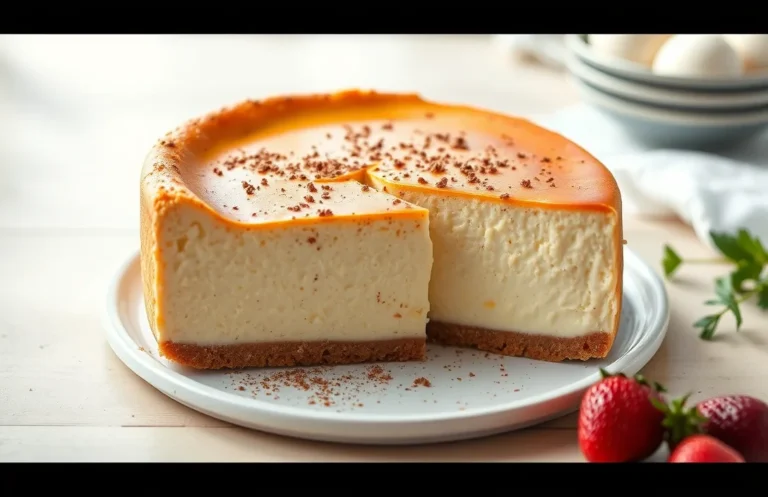
- After baking, turn off the oven and crack the door open. Let the cheesecake cool in the oven for an additional hour. This step helps prevent cracks from forming. The top should look slightly puffed and may have a light golden color.
- Once cooled, refrigerate the cheesecake for at least 4 hours, ideally overnight. This chilling time is crucial for the flavors to meld and for the cheesecake to set properly. The texture should feel smooth and creamy when you cut into it.
Chef’s tip: If you want to avoid cracks, consider baking your cheesecake in a water bath, which helps maintain even heat.
Pro Tips for Success
This section provides expert tips and highlights common mistakes to avoid when determining if cheesecake contains gluten. Knowing these can help ensure your cheesecake is both delicious and suitable for gluten-sensitive individuals.
- Check your crust ingredients: Traditional cheesecake often uses graham crackers, which contain gluten. Opt for gluten-free graham crackers or almond flour for a suitable crust alternative.
- Read labels carefully: Many pre-packaged ingredients can contain hidden gluten. Always check for certified gluten-free labels on cream cheese, sour cream, and flavorings like vanilla extract.
- Use gluten-free thickening agents: If your recipe calls for flour to stabilize the filling, substitute with cornstarch (1 tablespoon of cornstarch can replace 2 tablespoons of flour) or arrowroot powder, which are both gluten-free.
- Avoid cross-contamination: Ensure that all utensils, mixing bowls, and baking pans are thoroughly cleaned and have not been in contact with gluten-containing products to keep your cheesecake safe for those with gluten sensitivities.
- Test your cheesecake for doneness: The cheesecake should be set around the edges but slightly jiggly in the center. It will firm up as it cools. If it cracks, it may have been overcooked, so keep an eye on the timing.
Gluten-Free Variations
Creating a gluten-free cheesecake is not only possible but can be incredibly delicious with the right ingredients. Whether you have gluten sensitivities or dietary restrictions, these variations ensure everyone can enjoy a slice of cheesecake without worry.
Gluten-Free Ingredients
To make a gluten-free cheesecake, focus on using gluten-free crust options and alternative ingredients. Here are some substitutions you can use:
- Crust: Use 1 ½ cups gluten-free graham cracker crumbs or almond flour mixed with ½ cup unsalted butter, melted.
- Sweetener: Stick with regular granulated sugar or substitute with coconut sugar for a lower glycemic index.
- Cheese: Philadelphia cream cheese is gluten-free, but always check the label for any potential cross-contamination.
- Thickening Agent: Instead of regular flour, use 1 tablespoon cornstarch or arrowroot powder to help set your cheesecake.
Vegan Options
If you’re looking for a dairy-free option, consider using plant-based ingredients:
- Crust: Substitute with 1 ½ cups of crushed gluten-free oats or dates blended with ½ cup coconut oil.
- Filling: Blend 2 cups of soaked cashews, ½ cup coconut milk, ½ cup maple syrup, and 1 tablespoon of lemon juice until smooth.
Chef’s tip: For the perfect texture, refrigerate your cheesecake overnight to allow it to set properly.
| Ingredient | Amount |
|---|---|
| Gluten-Free Crust | 1 ½ cups |
| Dairy-Free Filling | 2 cups |
| Coconut Milk | ½ cup |
By using these gluten-free and vegan variations, you can enjoy a cheesecake that fits within your dietary needs without sacrificing flavor or texture.
Serving and Pairing Suggestions
When it comes to serving cheesecake, presentation and complementary flavors can elevate your dessert experience, especially for those mindful of gluten content. Whether you’re indulging in a traditional or gluten-free version, these suggestions will enhance your cheesecake and make it a memorable treat.
Plating Tips
- Use a clean, sharp knife to slice your cheesecake. Wipe the knife with a damp cloth between cuts for even slices.
- For added flair, drizzle a fruit coulis (like raspberry or strawberry) on the plate before placing the cheesecake on top.
- Garnish with whipped cream or a dollop of Greek yogurt for a creamy touch.
- Top with fresh berries or edible flowers for a pop of color and freshness.
Beverage Pairings
Choosing the right beverage can enhance the flavors of your cheesecake. Here are some delightful pairings:
| Beverage | Notes |
|---|---|
| Coffee | Rich, bold coffee complements the creamy texture of cheesecake. |
| Tea | A light chamomile or green tea can provide a refreshing contrast. |
| Sweet Wine | Pair with a dessert wine like Moscato to highlight the sweetness. |
| Fruit-Infused Sparkling Water | A bubbly option that cleanses the palate between bites. |
Chef’s tip: If serving a gluten-free cheesecake, be sure to double-check all ingredients, including crust and toppings, to maintain gluten-free integrity.
Quick Summary
| Prep Time | Cook Time | Total Time | Servings |
|---|---|---|---|
| 15 minutes | 60 minutes | 75 minutes | 8 |
- Check crust ingredients: Use gluten-free graham crackers or almond flour for a gluten-free option.
- Preheat oven: Set to 325°F (163°C) for even baking.
- Beat cream cheese: Ensure it’s at room temperature for a smooth texture.
- Prepare water bath: Prevent cracks by placing the cheesecake in a water bath while baking.
- Cool gradually: Let the cheesecake cool in the oven with the door ajar to maintain moisture.
- Tip: Always use fresh ingredients for the best flavor.
- Tip: Avoid overmixing to keep the cheesecake dense and creamy.
Frequently Asked Questions
Can I make this cheesecake ahead of time? How to store and reheat?
You can absolutely make this cheesecake ahead of time! Store it covered in the refrigerator for up to 5 days, and reheat individual slices in the microwave for about 10-15 seconds.
What can I substitute for the graham cracker crust?
If you’re looking for a gluten-free option, you can substitute the graham crackers with gluten-free cookie crumbs or crushed nuts mixed with a bit of melted butter. These alternatives will still give you a delicious crust!
How do I know when the cheesecake is done?
The cheesecake is done when the edges are set, but the center should still have a slight jiggle, indicating it’s creamy. It will firm up as it cools, so don’t overbake!
Can I freeze this cheesecake? How long does it last?
Yes, you can freeze cheesecake for up to 3 months. Make sure to wrap it tightly in plastic wrap and then aluminum foil to prevent freezer burn.
What if I don’t have a springform pan?
If you don’t have a springform pan, you can use a regular round cake pan lined with parchment paper for easy removal. Just be careful when slicing, as it may not hold its shape as well as a springform does.

- Decadent Peanut Butter No-Bake Cheesecake: Easy Recipe to Indulge - April 3, 2026
- Delicious Mango No-Bake Cheesecake: Step-by-Step Recipe - April 3, 2026
- Decadent Raspberry No-Bake Cheesecake: Easy Step-by-Step Recipe - April 3, 2026