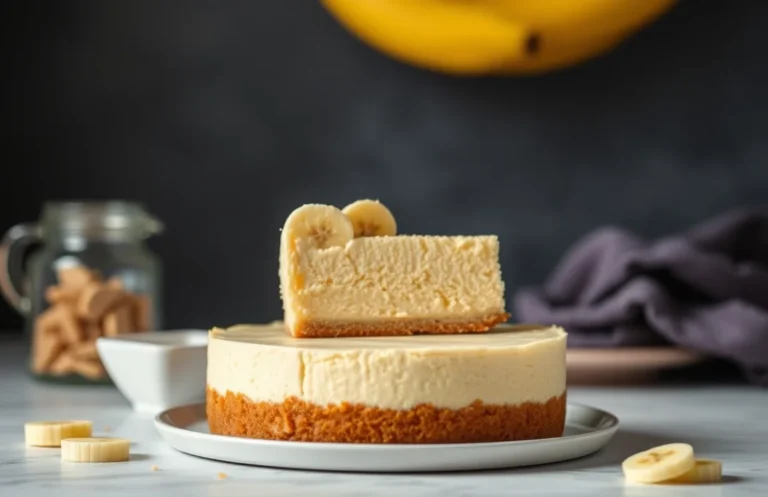
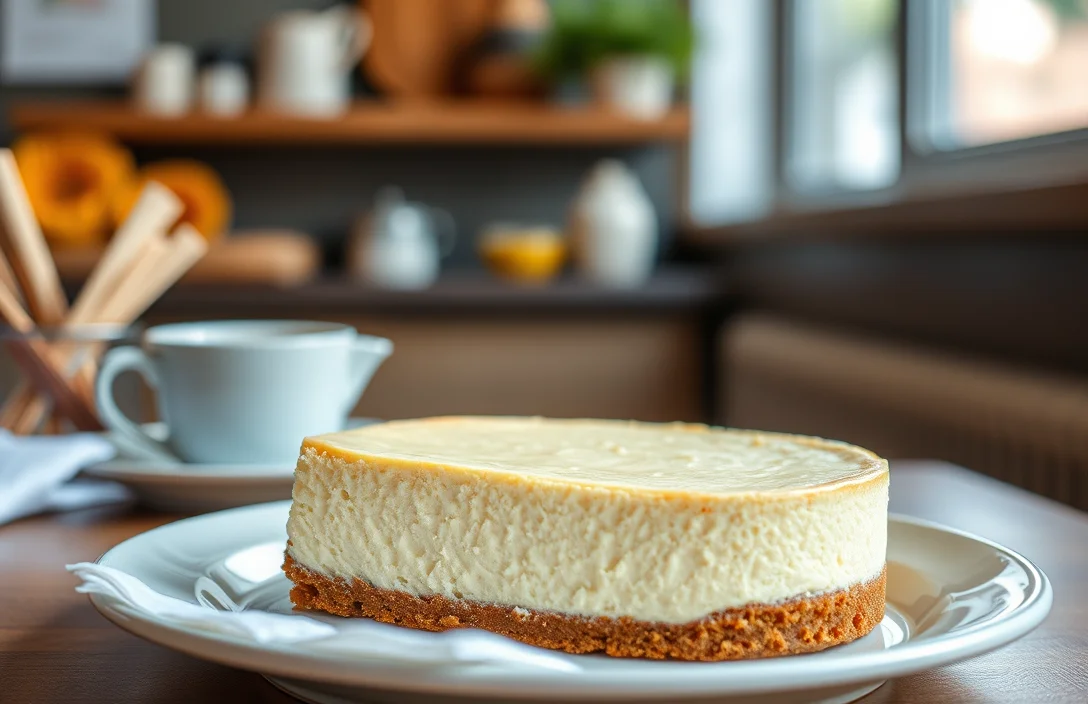
Is Cheesecake Gluten-Free? Discover Recipes and Tips for All!
Cheesecake is the ultimate indulgence — creamy, rich, and utterly satisfying, it’s the dessert that turns any occasion into a celebration. Whether you’re treating yourself after a long week or impressing guests at a dinner party, a slice of velvety cheesecake is pure bliss, especially when you know it’s made with love and care.
Curious about gluten in cheesecake? You’re in the right place! Discover if traditional cheesecake contains gluten and explore three delicious gluten-free cheesecake recipes that everyone will love. Total time is around 1 hour 30 minutes, with a medium difficulty level for 8 servings.
| Prep Time | Cook Time | Total Time | Servings | Difficulty |
|---|---|---|---|---|
| 20 minutes | 1 hour | 1 hour 30 minutes | 8 | Medium |
History of Cheesecake
Understanding the history of cheesecake offers insight into its cultural significance and how it has evolved over time. Cheesecake, in its various forms, has traversed many cultures and has significant roots that inform its ingredients, including whether it traditionally contains gluten.
Cultural Origins
- An ancient delight: The earliest known cheesecake dates back to ancient Greece, where it was made with simple ingredients like cheese, honey, and flour. This indicates that gluten was present in the very first iterations of the dessert.
- Roman influence: The Romans adopted the Greek version and began to modify it, incorporating different flavors and techniques. The use of flour was common, further solidifying the gluten presence in early recipes.
- Regional variations: Over centuries, cheesecake recipes have evolved across Europe, with notable variations in Italy and Germany. Each region brought its own twist, often including flour in crusts, reinforcing traditional gluten content.
Modern Variations
- Shift to gluten-free: As awareness of gluten intolerance and celiac disease has grown, many modern recipes now offer gluten-free options. Substitutes like almond flour or gluten-free graham crackers have become popular.
- Cheesecake in America: The New York-style cheesecake, famous for its rich and creamy texture, typically uses a graham cracker crust, which contains gluten. However, gluten-free crusts are now commonly available and easily made.
- Global adaptations: Countries like Japan have their own unique takes on cheesecake, often focusing on lighter, fluffier versions that may or may not use gluten. This adaptability shows the dessert’s versatility across different dietary preferences.
Cheesecake Ingredients Breakdown
Understanding the common ingredients in traditional cheesecake is key to determining whether it contains gluten. The crust is often the main culprit for gluten, while the filling is typically gluten-free. Let’s break down the ingredients to see where gluten might sneak in and discuss options for gluten-free alternatives.
| Item | Amount/Specification | Notes |
|---|---|---|
| Graham cracker crumbs | 1 ½ cups (150g) | Traditional crust; contains gluten |
| Unsalted butter | ½ cup (115g) | Melts into crust; gluten-free |
| Granulated sugar | ½ cup (100g) | Sweetens filling; gluten-free |
| Cream cheese | 16 oz (450g) | Main filling; gluten-free |
| Sour cream | ½ cup (120g) | Enhances creaminess; gluten-free |
| Eggs | 3 large | Bind filling; gluten-free |
| Vanilla extract | 1 teaspoon | Flavor enhancer; gluten-free |
- For a gluten-free crust, substitute graham cracker crumbs with crushed gluten-free cookies or almond flour.
- Always check labels to ensure ingredients are certified gluten-free, especially for processed items like vanilla extract.
- Common mistake: Don’t assume all cookie brands are gluten-free; verify before using.
Essential Kitchen Tools
To make a delicious cheesecake, having the right tools in your kitchen is essential for achieving the perfect texture and flavor. Whether you’re using traditional ingredients or opting for gluten-free alternatives, the right equipment ensures that your cheesecake turns out beautifully every time.
| Item | Amount/Specification | Notes |
|---|---|---|
| Mixing Bowl | 1 large (at least 4-quart) | Glass or stainless steel preferred for even mixing. |
| Hand Mixer or Stand Mixer | 1 | A stand mixer can make the process easier for creaming the cheese. |
| Rubber Spatula | 1 | Ideal for folding ingredients together gently. |
| Springform Pan | 9-inch (23cm) | Essential for easy release of the cheesecake. |
| Measuring Cups | 1 set | For accurate measurements of ingredients. |
| Measuring Spoons | 1 set | For precise amounts of smaller ingredients. |
| Oven Thermometer | 1 | Ensures your oven’s actual temperature matches the setting. |
- Pro Tip: Always preheat your oven to 325°F (163°C) before baking your cheesecake to ensure even cooking.
- Make sure your cream cheese is at room temperature for easy mixing.
- If you’re making a gluten-free cheesecake, use a gluten-free graham cracker alternative for the crust.
Step-by-Step Cheesecake Instructions
This section provides detailed cooking instructions for preparing a delicious cheesecake, focusing on the crust and filling and the baking process. A well-made cheesecake can be gluten-free, and I’ll guide you through the steps to ensure you enjoy a creamy dessert without gluten.
Preparing the Crust
- Preheat your oven to 350°F (175°C). This temperature is crucial for achieving the perfect crust texture. You’ll want a solid base that complements the creamy filling.
- In a medium bowl, combine 1 ½ cups (150g) gluten-free graham cracker crumbs, ¼ cup (50g) granulated sugar, and ½ cup (115g) melted unsalted butter. Stir until the mixture resembles wet sand.
- Press the mixture firmly into the bottom of a 9-inch (23cm) springform pan. Use the back of a measuring cup to ensure it’s even. Bake in the preheated oven for 10 minutes until golden brown and fragrant. Allow it to cool on a wire rack.
Making the Filling
- In a large mixing bowl, beat 24 oz (680g) of softened cream cheese with an electric mixer on medium speed until smooth and creamy, about 2-3 minutes. Scrape down the sides of the bowl to ensure even mixing.
- Gradually add 1 cup (200g) granulated sugar and continue to beat for another 2 minutes until well combined. The mixture should be light and fluffy, with no lumps.
- Add 3 large eggs, one at a time, mixing on low speed after each addition until just combined. Overmixing can lead to cracks in your cheesecake, so mix gently. Finally, fold in 1 teaspoon vanilla extract.
Baking Process
- Pour the cream cheese mixture over the cooled crust, smoothing the top with a spatula. This ensures an even bake and a beautiful finish.
- Bake in the preheated oven for 50-60 minutes. The edges should be set, while the center remains slightly jiggly. A toothpick inserted should come out mostly clean but with a few moist crumbs.
- Once done, turn off the oven and crack the door open, allowing the cheesecake to cool in the oven for 1 hour. This helps prevent cracks from sudden temperature changes.
Chef’s tip: For a gluten-free option, make sure to use certified gluten-free graham crackers or substitute with almond flour or gluten-free cookie crumbs.
Pro Tips for Perfect Cheesecake
Creating the perfect cheesecake involves mastering the delicate balance between texture and flavor, particularly when considering gluten-free options. With careful attention to detail, you can avoid common pitfalls like cracks and achieve that rich creaminess that makes cheesecake irresistible.
Avoiding Cracks
Cracks in your cheesecake can be disheartening, but with these tips, you can achieve a smooth surface:
- Don’t overmix: Mix the batter just until combined. Overmixing can incorporate too much air, leading to cracks as the cheesecake bakes.
- Use a water bath: Place your cheesecake pan inside a larger pan filled with hot water. This helps maintain a consistent temperature and moisture level.
- Cool gradually: After baking, turn off the oven and crack the door open. Allow the cheesecake to cool in the oven for 1 hour before transferring it to the refrigerator.
Achieving Creaminess
The texture of your cheesecake is crucial, especially for gluten-free versions. Here are ways to ensure a creamy result:
- Room temperature ingredients: Ensure your cream cheese, sour cream, and eggs are at room temperature (about 70°F or 21°C) before mixing. This helps create a smooth, lump-free batter.
- Don’t skip the sour cream: Adding ½ cup (120g) of sour cream not only adds tang but also enhances creaminess.
- Use cornstarch for gluten-free: If you’re making gluten-free cheesecake, substitute 2 tablespoons of all-purpose flour with cornstarch to help stabilize the batter without gluten.
Chef’s tip: Always run a knife around the edge of the cheesecake immediately after baking to help it release from the pan and prevent cracking.
Gluten-Free Cheesecake Options
For those who are gluten-sensitive or simply looking for gluten-free alternatives, there are plenty of delicious options to enjoy cheesecake without the worry of gluten. This section will provide you with gluten-free crust ideas and alternative fillings that maintain the rich, creamy texture and flavor we love in traditional cheesecake.
Gluten-Free Crust Ideas
| Item | Amount/Specification | Notes |
|---|---|---|
| Almond flour | 1 ½ cups (150g) | Use for a nutty flavor |
| Gluten-free graham cracker crumbs | 1 ½ cups (150g) | Available at most grocery stores |
| Coconut flour | ½ cup (50g) | Mix with almond flour for a different texture |
| Butter (or coconut oil) | ½ cup (115g) | Melted, for binding |
| Granulated sugar | 2 tablespoons | Optional, for sweetness |
Alternative Fillings
- Cashew cream: Soak 1 ½ cups (200g) of raw cashews overnight, then blend with ½ cup (120ml) of coconut milk, ⅓ cup (75g) of maple syrup, and 1 teaspoon of vanilla extract until smooth.
- Silken tofu: Blend 1 ½ cups (350g) of silken tofu with ½ cup (120ml) of lemon juice, ⅓ cup (75g) of sugar, and 1 teaspoon of vanilla extract for a dairy-free option.
Chef’s tip: Always check labels to ensure ingredients are certified gluten-free, especially if you have severe allergies.
With these crust and filling options, you can create a gluten-free cheesecake that everyone will enjoy. Happy baking!
Serving and Pairing Suggestions
When it comes to serving cheesecake, presentation and complementary flavors are key to enhancing the overall experience. Whether your cheesecake is traditional or gluten-free, these serving and pairing suggestions will elevate your dessert game and delight your guests.
Garnishing Tips
- To add a pop of color and flavor, consider topping your cheesecake with a fresh fruit coulis. Combine 1 cup of mixed berries (like strawberries, raspberries, and blueberries) with 2 tablespoons of sugar, and simmer over medium heat for 5-7 minutes until the berries break down and the mixture thickens slightly. Strain to remove seeds if desired.
- For a crunch factor, sprinkle a handful of gluten-free granola or crushed gluten-free cookies over the cheesecake just before serving. This adds texture and a delightful contrast to the creamy filling.
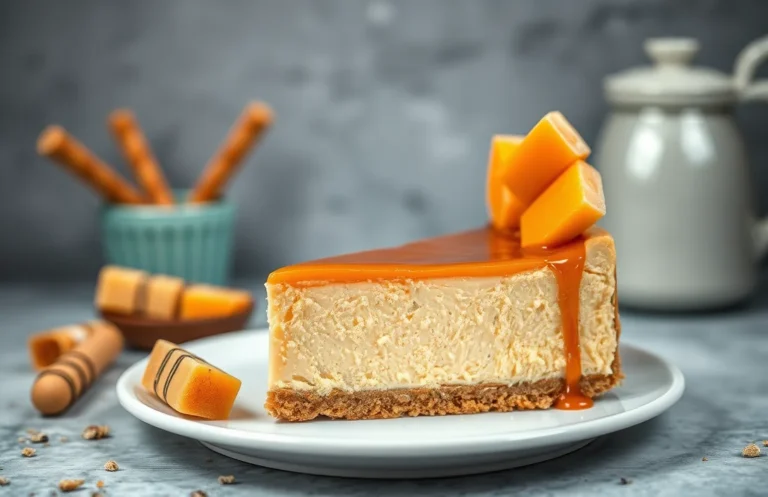
- Drizzle a homemade caramel or chocolate sauce over the top. To make chocolate sauce, heat ½ cup of heavy cream in a saucepan until just simmering, then remove from heat and whisk in 1 cup of semi-sweet chocolate chips until smooth.
Beverage Pairings
- Pair your cheesecake with a dessert wine, such as a late-harvest Riesling or a Moscato. These sweet wines complement the rich flavors of the cheesecake beautifully.
- If you prefer a non-alcoholic option, serve with a chilled herbal tea like chamomile or mint. The refreshing notes of the tea will balance the sweetness of the cheesecake.
- Coffee lovers can enjoy their cheesecake with a rich espresso or cappuccino, enhancing the flavors and providing a delightful contrast to the creamy dessert.
Quick Summary
| Prep Time | 20 minutes |
|---|---|
| Cook Time | 60 minutes |
| Total Time | 1 hour 20 minutes |
| Servings | 8 |
- Choose gluten-free crust: Use crushed gluten-free cookies or almond flour.
- Bake in water bath: Prevents cracking and ensures even cooking.
- Cool gradually: After baking, leave the cheesecake in the oven with the door ajar.
- Use room temperature ingredients: Ensures a smooth batter without lumps.
- Chill before serving: Refrigerate for at least 4 hours for the best texture.
- Check labels: Always verify ingredient labels for hidden gluten.
- Don’t overmix: Mix just until combined to avoid a dense texture.
Frequently Asked Questions
Can I make this ahead of time? How to store and reheat?
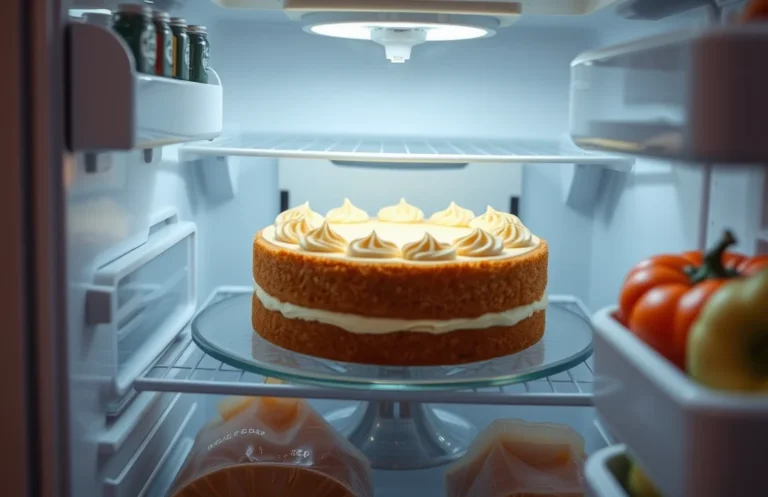
You can definitely make cheesecake ahead of time; it actually tastes better after chilling for at least 4 hours or overnight. Store it in the refrigerator, covered tightly with plastic wrap, and avoid reheating as it’s best served cold.
What can I substitute for graham cracker crust?
If you want a gluten-free option, you can substitute the graham crackers with gluten-free cookies or almond flour mixed with melted butter. Just ensure your alternative is certified gluten-free to keep the cheesecake safe for those with gluten sensitivities.
How do I know when it’s done?
Your cheesecake is done when the edges are set, but the center still has a slight jiggle; it will firm up as it cools. The internal temperature should reach around 150°F (65°C) for the perfect texture.
Can I freeze this? How long does it last?
Yes, you can freeze cheesecake for up to 3 months. Make sure to wrap it tightly in plastic wrap and foil to prevent freezer burn, and thaw it in the refrigerator before serving.
What if I don’t have a springform pan?
If you don’t have a springform pan, you can use a regular round cake pan lined with parchment paper. Just make sure to let it cool completely before attempting to remove it from the pan.

- Decadent Peanut Butter No-Bake Cheesecake: Easy Recipe to Indulge - April 3, 2026
- Delicious Mango No-Bake Cheesecake: Step-by-Step Recipe - April 3, 2026
- Decadent Raspberry No-Bake Cheesecake: Easy Step-by-Step Recipe - April 3, 2026