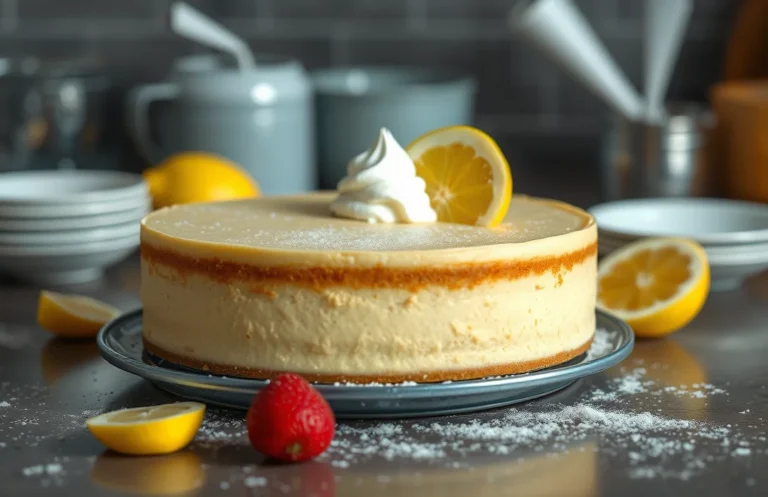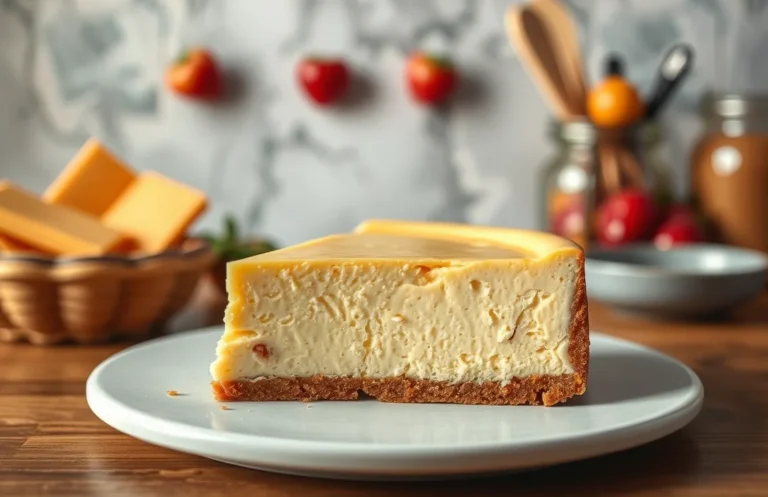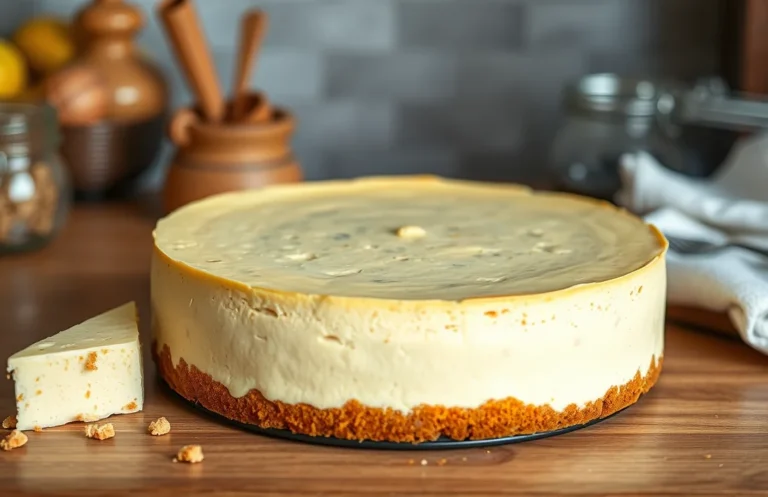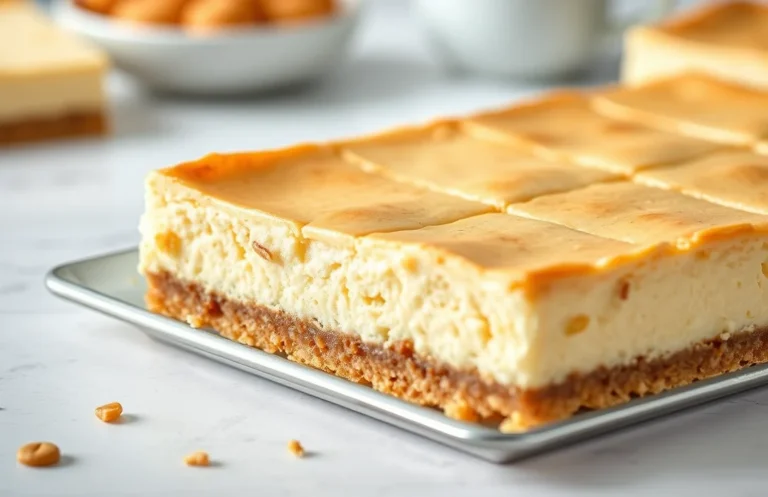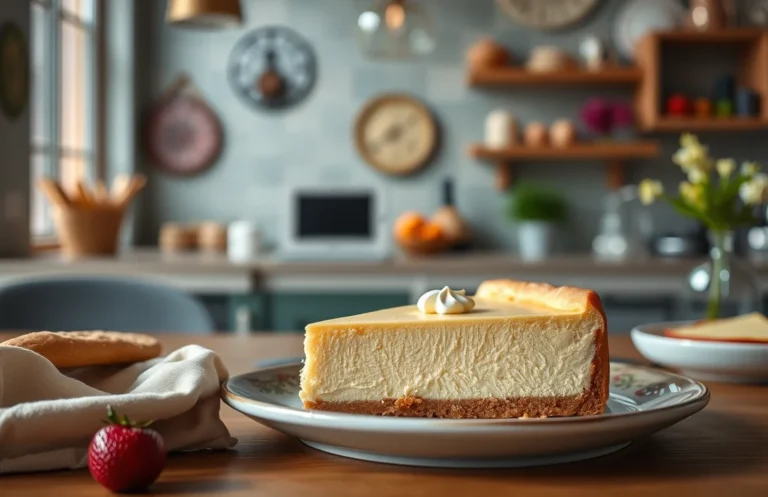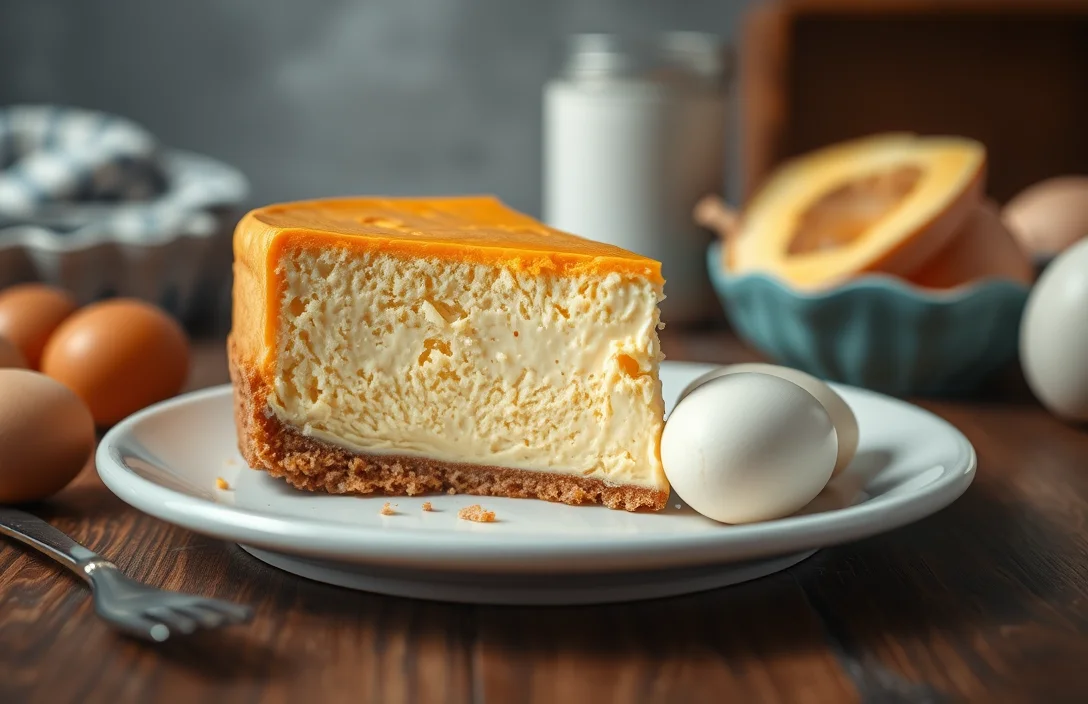
Does Cheesecake Need Eggs? Recipes & Substitutions Explored
There’s something undeniably comforting about a creamy, dreamy cheesecake that melts in your mouth. Whether it’s for a weeknight treat or a special celebration, cheesecake is a crowd-pleaser that never fails to impress. The addition of eggs gives it that rich, velvety texture that makes every bite irresistible.
In this guide, you’ll learn everything about cheesecakes with eggs including 3 tested recipes with exact measurements, cook times, and tips for perfecting that smooth texture. Plus, we’ll cover eggless options and substitutions for those who prefer to skip the eggs.
| Prep Time | Cook Time | Total Time | Servings | Difficulty |
|---|---|---|---|---|
| 20 minutes | 60 minutes | 80 minutes | 8 servings | Medium |
History of Cheesecake
Understanding the origins of cheesecake, particularly those made with eggs, provides insight into the dish’s cultural significance and evolution. Many traditional recipes rely on eggs to create a rich, creamy texture that has become a hallmark of cheesecake.
- Origin of Cheesecake: The earliest known cheesecake dates back to ancient Greece, where it was enjoyed as a delicacy. Greeks used a mixture of cheese, honey, and flour to create a cake-like dessert, often using eggs to bind the ingredients together. This method laid the foundation for egg-based cheesecakes we know today.
- Cultural Variations: Across different cultures, cheesecake has evolved, but the use of eggs remains prevalent. For instance, Italian ricotta cheesecake incorporates eggs for a light, airy texture, while New York-style cheesecake uses cream cheese and eggs to achieve a dense, creamy consistency. These variations highlight how eggs contribute to the unique characteristics of each cheesecake type.
- Modern Adaptations: While traditional recipes often include eggs, there are egg-free alternatives for those with allergies or dietary restrictions. Ingredients like silken tofu or cashew cream can create a similar creamy texture without eggs, broadening the appeal of cheesecake across various dietary needs.
Essential Ingredients List
This section details the essential ingredients for an egg-based cheesecake, including specific measurements for cream cheese, sugar, and eggs. Understanding these components is crucial for achieving a smooth and creamy texture, while the right balance of flavors will elevate your cheesecake to perfection.
| Item | Amount/Specification | Notes |
|---|---|---|
| Cream Cheese | 16 ounces (450g) | Softened at room temperature for easy mixing |
| Granulated Sugar | 1 cup (200g) | Adjust to taste; can substitute with coconut sugar for a lower glycemic index |
| Large Eggs | 3 | Room temperature; ensures a smoother batter |
- For a lighter version, you can use Neufchâtel cheese instead of cream cheese, which has less fat.
- If you’re allergic to eggs, consider using ½ cup of unsweetened applesauce or 1/4 cup of silken tofu per egg as a substitute.
- To prevent cracking, mix the batter until just combined and avoid overmixing.
Necessary Kitchen Tools
Before diving into making a cheesecake that contains eggs, it’s essential to gather the right kitchen tools to ensure a smooth baking experience. Having the appropriate equipment readily available will help streamline your prep work and baking process.
- Mixing Tools: You will need a large mixing bowl (preferably glass or stainless steel) for combining your ingredients. A hand mixer or a stand mixer will make whipping the cream cheese and eggs easier and faster. Be sure to have a spatula on hand for scraping down the sides of the bowl to ensure everything is well incorporated.
- Baking Pans: A 9-inch (23 cm) springform pan is ideal for cheesecake, as it allows for easy removal without damaging the crust or the filling. If you don’t have a springform pan, a regular round cake pan can work—just be cautious when removing the cheesecake from the pan after baking.
- Preheating Oven: Preheat your oven to 325°F (160°C) for a creamy cheesecake texture. Preheating is crucial as it ensures that your cheesecake bakes evenly and sets properly. While it’s preheating, you can prepare your crust and filling to save time.
Chef’s tip: Always use room temperature ingredients, especially cream cheese and eggs, to achieve a smooth and lump-free batter.
Step-by-Step Baking Guide
Making a cheesecake that contains eggs requires careful attention to detail, ensuring a creamy texture and a perfect bake. This guide will walk you through the essential steps for preparing both the crust and the filling, followed by the baking process itself.
Crust Preparation
- Preheat your oven to 350°F (175°C). This temperature is ideal for baking the crust without burning it. You want your kitchen to smell warm and inviting right from the start.
- In a medium bowl, combine 1 ½ cups (150g) of graham cracker crumbs, ½ cup (100g) granulated sugar, and ½ cup (115g) unsalted butter, melted. Mix until the crumbs are evenly coated and the mixture resembles wet sand.
- Press the mixture firmly into the bottom of a 9-inch (23 cm) springform pan. Use the bottom of a measuring cup to create an even layer. Bake for 10 minutes until slightly golden and fragrant. Allow it to cool while you prepare the filling.
Filling Preparation
- In a large mixing bowl, beat 24 ounces (680g) of cream cheese at room temperature until smooth and creamy, about 2-3 minutes. Scrape down the sides of the bowl to ensure there are no lumps.
- Gradually add 1 cup (200g) granulated sugar and ¼ cup (60ml) sour cream, mixing until fully incorporated. The mixture should be silky and smooth, with no visible sugar granules.
- Whisk in 3 large eggs, one at a time, blending well after each addition. This ensures even mixing and a rich texture. The filling should be glossy and slightly thickened.
Baking Process
- Pour the cheesecake filling into the cooled crust, smoothing the top with a spatula. Tap the pan gently on the counter to release any air bubbles trapped in the filling.
- Bake in the preheated oven for 50-60 minutes. The edges should be set, while the center may still jiggle slightly. Avoid overbaking to prevent cracks.
- Turn off the oven and crack the door open, allowing the cheesecake to cool slowly for 1 hour. This helps prevent sudden temperature changes, which can cause cracks.
Expert Tips for Cheesecake
Understanding how eggs contribute to cheesecake texture is crucial for achieving that perfect creamy consistency. In this section, I’ll share essential tips for avoiding cracks and effective cooling techniques that will help ensure your cheesecake turns out beautifully every time.
Avoiding Cracks
- Use room temperature ingredients: Cold ingredients can shock the batter, leading to cracks. Allow your cream cheese, eggs, and sour cream to sit out for about 30-60 minutes before mixing.
- Don’t overmix: Overmixing introduces too much air, which can cause the cheesecake to rise and then collapse, creating cracks. Gently mix until just combined.
- Bake in a water bath: This technique helps regulate the temperature, preventing the cheesecake from baking too quickly. Place your filled springform pan inside a larger pan filled with hot water (about halfway up the sides), and bake at 325°F (163°C) for 50-60 minutes.
Cooling Techniques
- Gradual cooling: After baking, turn off the oven and crack the door open, allowing the cheesecake to cool slowly for about an hour. This helps prevent sudden temperature changes that lead to cracks.
- Chill in the fridge: Once the cheesecake is at room temperature, cover it and refrigerate for at least 4 hours, preferably overnight. This not only firms up the texture but also enhances the flavor.
- Run a knife around the edges: Before refrigerating, gently run a knife around the edges of the cheesecake to loosen it from the pan. This helps prevent cracks as it cools.
Eggless Cheesecake Options
If you’re looking for a delightful cheesecake without the use of eggs, you’re in the right place! Eggless cheesecakes can be just as creamy and delicious as their traditional counterparts, and they offer a fantastic alternative for those with egg allergies or dietary restrictions. Below, you’ll find a classic eggless cheesecake recipe along with some variations to spice things up.
Classic Eggless Cheesecake Recipe
- 1 ½ cups graham cracker crumbs (150g)
- ½ cup unsalted butter, melted (115g)
- 2 cups cream cheese, softened (450g)
- 1 cup powdered sugar (120g)
- 1 teaspoon vanilla extract
- ⅓ cup sour cream (80g)
- 1 tablespoon lemon juice
- Prepare the crust: Preheat your oven to 350°F (175°C). In a mixing bowl, combine the graham cracker crumbs and melted butter until evenly moistened. Press the mixture into the bottom of a 9-inch (23cm) springform pan, ensuring it’s packed tightly. Bake for 10 minutes until golden and fragrant.
- Make the filling: In a large bowl, beat the softened cream cheese with an electric mixer on medium speed until smooth and creamy, about 2-3 minutes. Gradually add the powdered sugar, vanilla extract, sour cream, and lemon juice, mixing until well combined and smooth.
- Bake the cheesecake: Pour the filling over the cooled crust and smooth the top with a spatula. Bake for 50-60 minutes, or until the edges are set but the center still has a slight jiggle. The cheesecake should be lightly golden on top and smell delicious.
- Cool and serve: Turn off the oven and crack the door open, letting the cheesecake cool in the oven for 1 hour. This helps prevent cracking. Once cooled, refrigerate for at least 4 hours before serving. Slice and enjoy!
Chef’s tip: For an even creamier texture, try substituting half of the cream cheese with mascarpone cheese!
Variations for Eggless Cheesecake
Once you’ve mastered the classic version, consider these flavorful twists:
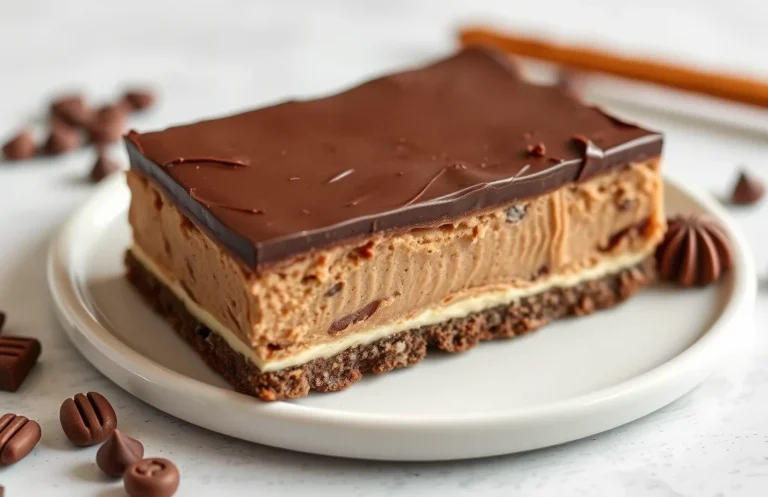
- Chocolate Eggless Cheesecake: Add ½ cup melted dark chocolate (90g) to the cream cheese mixture for a rich chocolate flavor.
- Berry Swirl Cheesecake: Fold in 1 cup of mixed berry puree (about 150g) before pouring the filling over the crust for a fruity twist.
- Matcha Cheesecake: Mix in 2 tablespoons of matcha powder with the cream cheese for a vibrant green color and unique flavor.
These variations not only enhance the taste but also add visual appeal to your cheesecake. Enjoy experimenting with flavors!
Serving and Pairing Suggestions
Serving your cheesecake with the right accompaniments can elevate the entire dessert experience. From garnishes that add texture and flavor to beverage pairings that enhance the richness of the cheesecake, these suggestions will help you impress your guests and indulge your taste buds.
Garnish Ideas
- Top your cheesecake with a glossy layer of fruit compote. Combine 1 cup of fresh berries (like strawberries or blueberries), 2 tablespoons of sugar, and 1 tablespoon of lemon juice in a saucepan. Cook over medium heat for 5-7 minutes until the berries soften and release their juices. Allow to cool before pouring over the cheesecake.
- For a chocolate twist, melt ½ cup of semi-sweet chocolate chips in a microwave-safe bowl at 30-second intervals, stirring until smooth. Drizzle the melted chocolate over the cheesecake for a rich contrast. Make sure to allow it to cool slightly before serving, as hot chocolate can melt the cheesecake surface.
- Consider adding a sprinkle of finely chopped nuts, such as pecans or walnuts, for a delightful crunch. Toast them in a dry skillet over medium heat for 3-4 minutes until fragrant, then scatter them generously over the cheesecake just before serving.
Beverage Pairings
- Pair your cheesecake with a glass of dessert wine like a late harvest Riesling or Sauternes. The sweet notes in the wine complement the creamy richness of the cheesecake perfectly.
- If you prefer a non-alcoholic option, serve a refreshing iced tea with a hint of lemon. Brew 4 cups of strong black tea, chill, and add 2 tablespoons of fresh lemon juice for a zesty finish that balances the sweetness of the cheesecake.
- Coffee lovers can enjoy their cheesecake with a rich cappuccino or espresso. The bitter notes of the coffee contrast beautifully with the sweet and creamy cheesecake, creating a delightful flavor combination.
Quick Recipe Summary
This section provides a concise overview of whether cheesecake recipes typically include eggs, along with quick references for ingredients and steps. Understanding the role of eggs in cheesecake can help you make informed choices for your baking needs.
Ingredients at a Glance
- 2 cups cream cheese (450g), softened
- ¾ cup granulated sugar (150g)
- 2 large eggs
- 1 teaspoon vanilla extract
- 1 cup sour cream (240g)
- 1 prepared graham cracker crust
Quick Steps
- Preheat your oven to 325°F (160°C). Grease your springform pan lightly to prevent sticking.
- In a large mixing bowl, beat the softened cream cheese with an electric mixer on medium speed until smooth and creamy, about 2 minutes.
- Gradually add the granulated sugar and beat until combined. Add the eggs one at a time, mixing well after each addition. The mixture should be fluffy and light.
- Fold in the vanilla extract and sour cream until just combined, ensuring not to overmix.
- Pour the batter into the prepared crust and smooth the top. Bake for 50-60 minutes, until the edges are set and the center is slightly jiggly.
- Turn off the oven and leave the cheesecake inside for 1 hour to cool gradually, which helps prevent cracking.
Chef’s tip: If you prefer an eggless cheesecake, substitute the eggs with ½ cup of silken tofu blended until smooth for a creamy texture.
| Ingredient | Amount |
|---|---|
| Cream Cheese | 2 cups (450g) |
| Sugar | ¾ cup (150g) |
| Eggs | 2 large |
| Vanilla Extract | 1 teaspoon |
| Sour Cream | 1 cup (240g) |
Common mistake: Avoid overbaking your cheesecake, as this will lead to a dry texture. The center should still be slightly wobbly when you take it out of the oven.
Common Cheesecake Questions
This section answers common queries about the role of eggs in cheesecake, including whether they are essential and what to do if you forget to include them. Understanding the function of eggs can help you achieve the perfect cheesecake texture and flavor.
Are Eggs Necessary?
Eggs are a key ingredient in most traditional cheesecake recipes. They provide structure, stability, and a creamy texture. However, there are variations that do not require eggs, making them suitable for those with egg allergies or dietary restrictions.
- Classic New York Cheesecake: Contains 4 large eggs, which contribute to its rich and dense consistency.
- No-Bake Cheesecake: Typically made without eggs, instead using whipped cream or cream cheese for a lighter texture.
- Egg-Free Alternatives: Silken tofu or a combination of cornstarch and water can substitute for eggs in recipes.
What If I Forget Eggs?
If you happen to forget the eggs while preparing your cheesecake, don’t panic! While the texture will differ, you can still salvage the situation.
Chef’s tip: If you’ve already mixed your ingredients, consider adding ½ cup of sour cream or ¼ cup of cornstarch mixed with 3 tablespoons of water for some binding.
Here’s a quick reference of substitutions:
| Substitution | Amount |
|---|---|
| Silken Tofu | ½ cup, pureed |
| Sour Cream | ½ cup |
| Cornstarch + Water | ¼ cup + 3 tbsp |
Keep in mind that if you omit eggs, your cheesecake may not rise as much and will have a different texture, but it can still be delicious! Always adjust baking times accordingly, checking for doneness when the edges are set and the center slightly jiggles.
Quick Summary
| Prep Time | Cook Time | Total Time | Servings |
|---|---|---|---|
| 20 minutes | 60 minutes | 1 hour 20 minutes | 8 |
- Preheat your oven to 325°F (163°C) before mixing ingredients.
- Beat eggs until light and fluffy to ensure a creamy texture.
- Mix cream cheese at room temperature for a smooth batter.
- Bake in a water bath to prevent cracking for 60 minutes.
- Cool the cheesecake gradually in the oven to set properly.
- Tip: Use room temperature ingredients for a lump-free batter.
- Tip: Add eggs one at a time to maintain fluffiness.
- Tip: Chill overnight for best flavor and texture.
Frequently Asked Questions
Can I make this cheesecake ahead of time? How to store and reheat?
You can absolutely make this cheesecake ahead of time! Store it in the refrigerator, covered, for up to 5 days; just serve chilled, as reheating can affect the texture.
What can I substitute for eggs in this cheesecake?
You can substitute each egg with 1/4 cup of unsweetened applesauce or 1/4 cup of silken tofu blended until smooth. Keep in mind that this may slightly change the texture, making it less rich.
How do I know when my cheesecake is done?
Your cheesecake is done when the edges are set but the center still has a slight jiggle, about 55-65 minutes at 325°F (163°C). It will firm up as it cools, so don’t overbake it!
Can I freeze this cheesecake? How long does it last?
Yes, you can freeze your cheesecake for up to 2-3 months if wrapped tightly in plastic wrap and aluminum foil. Thaw it in the refrigerator overnight before serving for the best texture.
Why did my cheesecake crack on top?
Your cheesecake might have cracked due to overbaking or a sudden temperature change, like cooling it too quickly. Make sure to bake it in a water bath and avoid opening the oven door frequently for better results.

- Decadent Peanut Butter No-Bake Cheesecake: Easy Recipe to Indulge - April 3, 2026
- Delicious Mango No-Bake Cheesecake: Step-by-Step Recipe - April 3, 2026
- Decadent Raspberry No-Bake Cheesecake: Easy Step-by-Step Recipe - April 3, 2026