Cheesecake Flavor Profiles: Discover Tasty Variations and Toppings
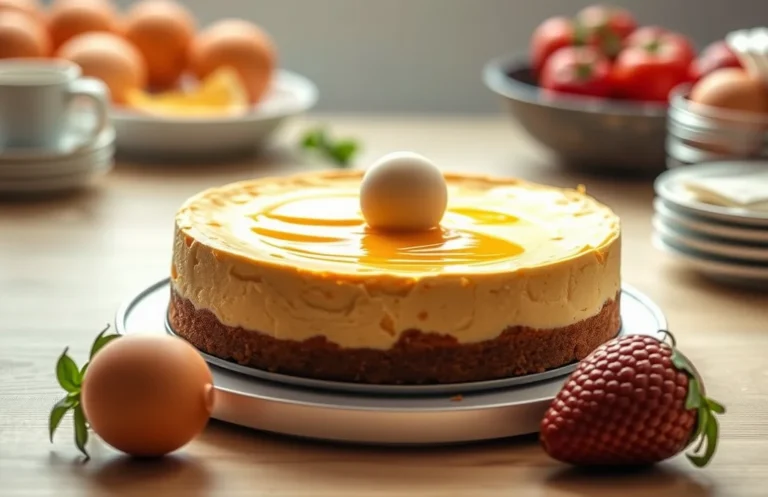
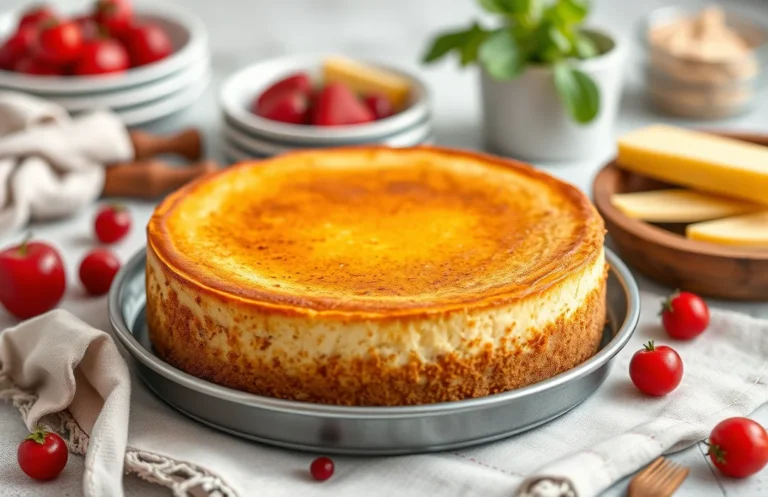
Cheesecake is one of those desserts that can instantly elevate any occasion, whether it’s a cozy weeknight dinner or a festive gathering with friends. Its creamy texture and rich flavor make it a crowd-pleaser that leaves everyone coming back for more. Just imagine slicing into a velvety piece topped with fresh berries or a drizzle of chocolate—pure bliss!
Here’s what you can expect: Prep time is 20 minutes, Cook time is 1 hour, and chill time is 4 hours. This recipe serves 8 people and is medium difficulty, perfect for home cooks ready to impress.
| Prep Time | Cook Time | Total Time | Servings | Difficulty |
|---|---|---|---|---|
| 20 minutes | 1 hour | 5 hours (including chill time) | 8 | Medium |
Cheesecake Origins
Understanding the origins of cheesecake helps appreciate its rich flavor and diverse variations. This section highlights the ancient roots, cultural differences, and modern popularity that contribute to why cheesecake tastes so good.
- Ancient Roots: Cheesecake’s history dates back to ancient Greece, where it was made from simple ingredients like cheese, honey, and flour. The Greeks served it to athletes during the first Olympic Games, showcasing its significance as a nutritious and energizing treat.
- Cultural Variations: Over the centuries, cheesecake has evolved across cultures. For example, the Italian ricotta cheesecake is lighter and fluffier, while the New York-style cheesecake is denser and creamier, often made with cream cheese. Each variation brings unique flavors and textures that cater to different palates.
- Modern Popularity: Today, cheesecake has become a beloved dessert worldwide, with countless flavor variations including chocolate, fruit, and even savory options. Its versatility allows it to be paired with various toppings like fresh berries, caramel, or chocolate sauce, enhancing its taste and making it a favorite for many.
Ingredients for Cheesecake
Understanding the ingredients that make up a cheesecake is essential to appreciating its flavor profile and ensuring a delicious result. Each component plays a crucial role in creating that creamy, rich texture and delightful taste that cheesecake lovers cherish. Here’s a detailed breakdown of what you’ll need to create a classic cheesecake.
| Item | Amount/Specification | Notes |
|---|---|---|
| Cream Cheese | 24 ounces (680g) | Softened at room temperature for easy mixing |
| Sugar | 1 cup (200g) | Granulated for sweetness; adjust for taste |
| Eggs | 3 large | Room temperature for better incorporation |
| Sour Cream | 1 cup (240g) | For a tangy flavor and creamy texture |
| Vanilla Extract | 1 teaspoon (5ml) | Pure extract for the best flavor |
| Graham Cracker Crumbs | 1 ½ cups (150g) | For the crust; can use store-bought or homemade |
| Butter | ½ cup (115g) | Melted, for binding the crust |
- Substitutions: For a gluten-free crust, use almond flour or gluten-free graham crackers.
- Ensure all dairy ingredients are at room temperature to prevent lumps.
- For a flavored cheesecake, consider adding lemon zest or chocolate chips to the filling.
- Common mistake: Don’t overmix the batter once the eggs are added; this can lead to cracks during baking.
Essential Kitchen Tools
Creating a delicious cheesecake requires some specific tools that will make the process smoother and help you achieve the best flavor and texture. Using the right equipment is crucial for mixing ingredients thoroughly and baking evenly, ensuring your cheesecake tastes amazing.
| Item | Amount/Specification | Notes |
|---|---|---|
| Mixing Bowls | 2 large, 1 medium | Glass or stainless steel is best for even mixing. |
| Springform Pan | 9-inch | Allows for easy removal of the cheesecake without damage. |
| Electric Mixer | Stand or hand mixer | Helps achieve a smooth filling without lumps. |
- Choose the right size: Ensure your springform pan is the correct size to prevent overflowing during baking.
- Use room temperature ingredients: For a smoother batter, let cream cheese and eggs sit out for about 30 minutes before mixing.
- Invest in quality tools: A sturdy mixer will save you time and effort, and a good pan ensures even baking.
Step-by-Step Cheesecake Preparation
This section will guide you through the detailed steps of preparing a delicious cheesecake, ensuring you understand how each stage contributes to its delightful flavor. By following these instructions, you’ll create a cheesecake that’s smooth, creamy, and bursting with flavor.
Prepare the Crust
- Preheat your oven to 350°F (175°C). In a medium bowl, combine 1 ½ cups (150g) of graham cracker crumbs, ¼ cup (50g) of granulated sugar, and ½ cup (115g) of melted unsalted butter. Mix until the crumbs are evenly moistened.
- Press the mixture firmly into the bottom of a 9-inch springform pan to form an even layer. Use the back of a measuring cup to help compact it tightly. Bake the crust for 10 minutes until it’s lightly golden and fragrant, then let it cool while you prepare the filling.
Mix Filling
- In a large mixing bowl, beat 4 (8-ounce) packages of cream cheese at room temperature until smooth and creamy, about 3-4 minutes. Scrape down the sides of the bowl to ensure there are no lumps.
- Add 1 cup (200g) of granulated sugar, ½ cup (120ml) of sour cream, ½ cup (120ml) of heavy cream, and 1 teaspoon of vanilla extract. Mix on low speed until everything is well combined and smooth, about 2 minutes.
Bake and Chill
- Pour the cream cheese mixture over the cooled crust, smoothing the top with a spatula. Bake in the preheated oven for 55-60 minutes, until the edges are set but the center still slightly jiggles.
- Turn off the oven and crack the door open, allowing the cheesecake to cool slowly for 1 hour. This helps prevent cracks. After cooling, chill in the refrigerator for at least 4 hours, preferably overnight, before serving.
Chef’s tip: For a creamier texture, make sure all your ingredients are at room temperature before mixing.
| Ingredient | Amount |
|---|---|
| Graham cracker crumbs | 1 ½ cups (150g) |
| Granulated sugar | 1 ¼ cups (250g) |
| Unsalted butter | ½ cup (115g) |
| Cream cheese | 4 (8-ounce) packages |
| Sour cream | ½ cup (120ml) |
| Heavy cream | ½ cup (120ml) |
| Vanilla extract | 1 teaspoon |
Pro Tips for Perfect Cheesecake
To ensure your cheesecake tastes as divine as it looks, mastering a few techniques can make all the difference. This section focuses on avoiding cracks, employing effective cooling methods, and using the right ingredient temperatures. Each tip is aimed at enhancing the flavor and texture of your cheesecake, leading to a delightful dessert experience.
Avoiding Cracks
- Mix your filling on low speed to incorporate air slowly; too much air can cause cracks during baking.
- Bake in a water bath by placing your springform pan in a larger pan filled with hot water to maintain moisture and even cooking.
- Check for doneness: the edges should be set while the center remains slightly jiggly. This usually takes about 50-60 minutes at 325°F (160°C).
Cooling Techniques
- After baking, turn off the oven and crack the door open, letting the cheesecake cool slowly for an hour. This prevents sudden temperature changes that lead to cracks.
- Once cooled, refrigerate your cheesecake for at least 4 hours, preferably overnight, to enhance the flavor and texture.
Ingredient Temperature
- Use room temperature ingredients: Allow cream cheese, sour cream, and eggs to sit out for about 30 minutes. This helps achieve a smoother batter.
- For a silkier texture, ensure your eggs are at room temperature, which prevents the batter from cooling down too much.
Chef’s tip: If your cheesecake cracks, don’t panic! You can cover it with a layer of whipped cream or fruit topping to hide imperfections.
| Ingredient | Temperature |
|---|---|
| Cream Cheese | Room Temperature |
| Sour Cream | Room Temperature |
| Eggs | Room Temperature |
Cheesecake Variations and Modifications
Cheesecake is a versatile dessert that can be tailored to suit various dietary needs and flavor preferences. Whether you’re gluten-free, vegan, or simply looking to try exciting new flavors, there are plenty of modifications that can enhance your cheesecake experience.
Gluten-Free Options
For those avoiding gluten, a simple switch in the crust can make all the difference. Instead of traditional graham crackers, try using:
- 1 ½ cups almond flour (150g) for a nutty flavor
- 1 ½ cups gluten-free cookie crumbs (150g) for a sweet crunch
Mix with 4 tablespoons melted butter (60g) and press into the bottom of your springform pan before baking. Bake at 350°F (175°C) for 10 minutes until golden and fragrant.
Vegan Substitutes
If you’re looking for a dairy-free option, you can create a delicious vegan cheesecake using the following ingredients:
- 1 ½ cups soaked cashews (200g) blended until smooth
- ½ cup coconut cream (120ml) for creaminess
- ½ cup maple syrup (120ml) for sweetness
Blend all ingredients until creamy and smooth, then pour into your prepared crust. Refrigerate for at least 4 hours until set.
Flavor Variants
Experimenting with flavors can take your cheesecake to new heights. Here are some ideas to try:
- Add 1 teaspoon vanilla extract for classic flavor
- Mix in ½ cup melted chocolate (90g) for a rich chocolate cheesecake
- Incorporate 1 cup fresh berries (150g) for a fruity twist
Chef’s tip: Always taste your cheesecake batter before pouring it into the crust. Adjust sweetness or flavoring as needed!
These modifications not only enhance the taste but also ensure that everyone can enjoy this delightful dessert. Whether you’re catering to dietary restrictions or simply seeking new flavors, there’s a cheesecake variation for every palate!
Serving and Pairing Ideas
How you serve your cheesecake and what you pair it with can greatly enhance its flavor and overall experience. Whether you’re hosting a gathering or enjoying a quiet evening, the right toppings and beverages can elevate your cheesecake from good to extraordinary.
Toppings to Enhance Flavor
- Fresh Berries: Top with 1 cup mixed strawberries, blueberries, and raspberries for a burst of freshness.
- Chocolate Ganache: Drizzle with ½ cup heated heavy cream mixed with 8 ounces of chopped dark chocolate for a rich contrast.
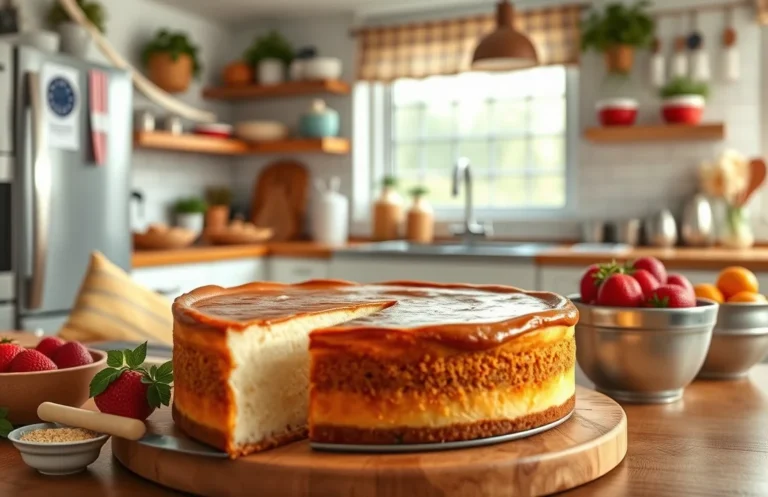
- Caramel Sauce: A drizzle of homemade caramel (1 cup sugar, ½ cup heavy cream, cook until amber) adds sweetness.
- Whipped Cream: Add 1 cup of heavy whipping cream, whipped to soft peaks, for a light, fluffy texture.
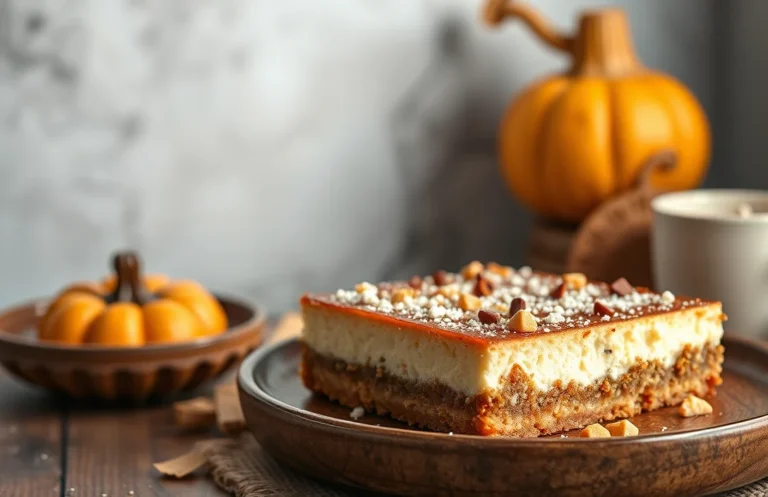
- Nuts: Sprinkle ½ cup toasted pecans or walnuts for a crunchy texture that complements the creaminess.
Beverage Pairings
Pairing your cheesecake with the right drinks can create a delightful balance.
| Beverage | Flavor Profile |
|---|---|
| Sweet Riesling | Fruity and floral, complements fruity toppings beautifully. |
| Espresso | The bitterness balances the sweetness of the cheesecake. |
| Herbal Tea | Lemon or chamomile adds a calming contrast. |
| Milkshake | Chocolate or vanilla milkshakes pair well for a nostalgic treat. |
Pro tip: Serve your cheesecake chilled for the best flavor and texture. Allow it to sit at room temperature for about 20 minutes before serving for optimal creaminess.
With these serving and pairing ideas, you can enjoy your cheesecake in a new light, enhancing its flavor and making every bite a delightful experience.
Quick Summary
| Prep Time | Cook Time | Total Time | Servings |
|---|---|---|---|
| 20 minutes | 1 hour | 1 hour 20 minutes | 8 |
- Preheat the oven to 325°F (160°C) before starting your batter.
- Mix cream cheese until smooth to avoid lumps in the batter.
- Add eggs one at a time to maintain the batter’s creamy texture.
- Bake in a water bath to prevent cracking and ensure even cooking.
- Chill for at least 4 hours before serving for the best flavor and texture.
- Tip 1: Use room temperature ingredients for a smoother batter.
- Tip 2: Don’t overmix after adding eggs to prevent a dense cake.
- Tip 3: Use a high-quality cream cheese for richer flavor.
Frequently Asked Questions
Can I make this cheesecake ahead of time? How to store and reheat?
You can absolutely make cheesecake ahead of time; it actually tastes better after a day in the fridge! Store it in an airtight container in the refrigerator for up to 5 days, and there’s no need to reheat—just serve it chilled.
What can I substitute for cream cheese?
You can substitute cream cheese with mascarpone cheese for a lighter texture or Greek yogurt for a tangy flavor, but keep in mind this might change the overall taste slightly. Use the same amount as the recipe calls for.
How do I know when my cheesecake is done?
Your cheesecake is done when the edges are set but the center still has a slight jiggle, which usually takes about 50-60 minutes at 325°F (163°C). It will continue to firm up as it cools, so don’t overbake!
Can I freeze cheesecake? How long does it last?
Yes, you can freeze cheesecake for up to 2-3 months if wrapped tightly in plastic wrap and then in aluminum foil. Thaw it in the refrigerator overnight before serving for the best texture.
What if I don’t have a springform pan?
If you don’t have a springform pan, you can use a regular round cake pan, but line the bottom with parchment paper for easy removal. Just be gentle when slicing and serving since it might not hold its shape as well!

- Decadent Peanut Butter No-Bake Cheesecake: Easy Recipe to Indulge - April 3, 2026
- Delicious Mango No-Bake Cheesecake: Step-by-Step Recipe - April 3, 2026
- Decadent Raspberry No-Bake Cheesecake: Easy Step-by-Step Recipe - April 3, 2026