Top 10 Heat Exchanger Espresso Machines 2026
Most buyers think heat exchanger espresso machines are just faster single-boiler models. That’s not quite right. These machines force you to think about temperature in a way that simpler setups don’t. If you don’t account for how the heat exchanger juggles brewing and steaming, you’ll end up with shots that taste either under-extracted or burnt. It’s less about speed and more about mastering the workflow.
Instead of just ranking machines, I’ll walk through the real questions you should ask before buying. We’ll look at how these machines actually fit into your routine, whether you’re making one espresso or a round of lattes, and what tradeoffs you’re signing up for.
Products in this guide
These are the Amazon listings we anchor to when we talk about heat exchanger espresso machines in the rest of this guide. Each card pairs a thumbnail with a short editor read on what stands out in the listing, materials, stated use case, or patterns we see in buyer feedback. They are not a substitute for your own due diligence: follow the link to verify fit, compatibility, today’s price, and the most recent verified reviews before you buy.
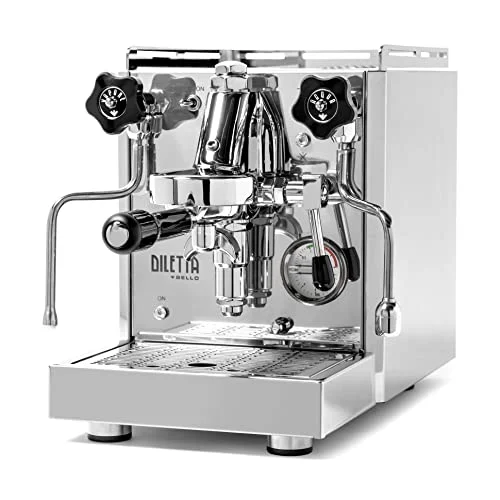
 Diletta Bello Espresso Machine | Heat Exchanger | E61 | Manual Control |
A Milan-made machine that puts you in full control of every shot, built for those who want to refine their technique.
8.8/10
|
 Diletta Bello Espresso Machine | Heat Exchanger | E61 | Manual Control |
A sleek white version of the Bello, offering the same Italian craftsmanship with a more modern look.
8.8/10
|
 Rocket Espresso Appartamento Nera Espresso Machine | E61 | Heat Exchange
A compact Rocket machine that doesn’t sacrifice performance, even in tight spaces.
8.5/10
|
 Rocket Espresso Appartamento 2.0 Espresso Machine | Heat Exchanger | 1.8
An updated Appartamento with better ergonomics and a few modern touches for a smoother experience.
8.7/10
|
 Rocket Espresso Appartamento 2.0 Espresso Machine | Heat Exchanger | 1.8
A white Appartamento 2.0 that combines upgraded features with a fresh, modern aesthetic.
8.7/10
|
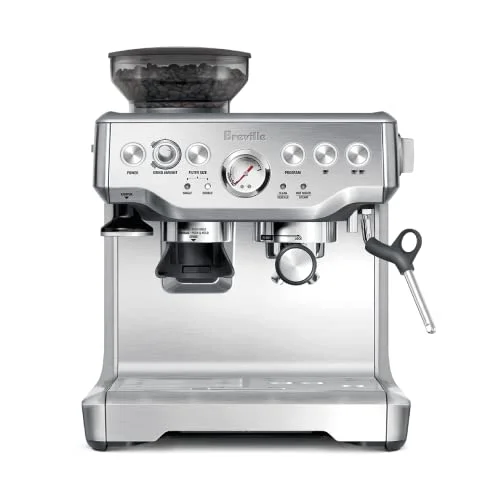
 Breville BES876BSS Barista Express Impress, Brushed Stainless Steel
A beginner-friendly machine that takes the guesswork out of tamping and dosing.
7.2/10
|
 Rocket Espresso Appartamento 2.0 Espresso Machine | Heat Exchanger | 1.8
A showstopping copper Appartamento 2.0 that doesn’t sacrifice performance for looks.
8.7/10
|
 Gemilai Owl Espresso Machine, 15 Bar Professional Semi-Automatic Espress
A tech-forward machine with dual displays and PID control for those who love data.
7.8/10
|
 Rocket Espresso Appartamento 2.0 Espresso Machine | Heat Exchanger | 1.8
A bold, two-tone Appartamento 2.0 that’s as functional as it is stylish.
8.7/10
|
 Rancilio Silvia Espresso Machine | 58mm | 2L Reservoir | 0.3L Heat Excha
A legendary machine known for its durability and no-frills performance.
7.5/10
|
How we judged each pick
These notes mirror how we evaluate listings for this guide: practical fit, credible specs, and what buyers report back, not lab claims we cannot verify.
|
The Diletta Bello stands out because it’s made by hand in Italy, with a solid stainless steel frame and boiler. Its 3-liter heat exchanger lets you brew and steam at the same time, which is great if you’re making multiple drinks. But the manual controls mean you’ll need to put in the work, there’s no automation here. If you’re serious about improving your barista skills, this machine gives you the tools to do it, but it won’t hold your hand. |
|
This white variant of the Diletta Bello keeps all the strengths of the original: a 3-liter heat exchanger for simultaneous brewing and steaming, an E61 group head, and manual controls. The powdercoat finish gives it a cleaner look, but it’s still a machine for those who want to engage with the process. It’s a solid pick if you want something that looks as good as it performs, but it’s not for anyone looking for shortcuts. |
|
The Rocket Appartamento Nera is built for small kitchens, but it doesn’t cut corners. The 1.8-liter heat exchanger lets you brew and steam at the same time, and the heated group head keeps your shots consistent. It’s a manual machine, so you’ll need to dial in your technique, but it’s a great way to get professional-level performance without taking up too much counter space. |
|
The Appartamento 2.0 takes the original design and makes it more user-friendly. The deeper drip tray and longer steam valves are small but meaningful improvements, and the RGB indicator light adds a bit of flair. The 1.8-liter heat exchanger is still the star, letting you brew and steam at the same time. If you want a machine that’s both stylish and practical, this is a strong contender. |
|
This white version of the Appartamento 2.0 keeps all the upgrades of the 2.0 series, the deeper drip tray, longer steam valves, and RGB indicator light, while giving it a cleaner look. The 1.8-liter heat exchanger is perfect for home use, balancing performance and size. It’s a great choice if you want a machine that’s as reliable as it is good-looking. |
|
The Breville Barista Express Impress is a different beast from the traditional heat exchanger machines on this list. It’s designed to make espresso easier, with assisted tamping and intelligent dosing. That’s great if you’re just starting out, but it doesn’t have the same power or flexibility as the E61 machines. If you want consistency without the learning curve, this is a solid pick, but it’s not for those who want full control. |
|
The Copper Appartamento 2.0 is a head-turner, but it’s more than just a pretty face. It has all the upgrades of the 2.0 series, the improved control board, longer steam valves, and deeper drip tray, plus the 1.8-liter heat exchanger that lets you brew and steam at the same time. If you want a machine that looks as good as it performs, this is it. |
|
The Gemilai Owl is a bit of an outlier here. It doesn’t have the traditional heat exchanger setup, but it makes up for it with features like PID temperature control and real-time pressure monitoring. The 15-bar pump and thermal balance brewing head give you a lot of control, but it’s a different experience from the Italian machines. If you’re into tweaking every variable, this could be a good fit. |
|
The Black and Copper Appartamento 2.0 is one of the most eye-catching machines in Rocket’s lineup. It has all the 2.0 upgrades, the deeper drip tray, longer steam valves, and RGB indicator light, plus the 1.8-liter heat exchanger for simultaneous brewing and steaming. It’s a great choice if you want a machine that’s both a conversation piece and a workhorse. |
|
The Rancilio Silvia has been a favorite for years, and for good reason. It’s built like a tank, with a 2L reservoir and professional-grade components. But it’s important to note that this is a single-boiler machine, not a heat exchanger. That means you can’t brew and steam at the same time, but if you’re mostly making espresso, it’s a reliable, compact option. |
List of Heat Exchanger Espresso Machines
A lot of buyers assume heat exchanger machines mean no more temperature surfing. Not true. They let you brew and steam at the same time, but you still need to preheat and flush to keep the water stable. Skip those steps, and you’ll get shots that swing between sour and bitter, which defeats the whole point.
The smarter way to shop is to match the machine to how you actually use it. If you’re mostly making milk drinks, you’ll care more about steam power and boiler size. If you’re an espresso purist, you’ll want to focus on group head stability and pre-infusion. The flashiest features or brand names won’t tell you what you really need to know.
The Selection Logic
When I look at heat exchanger espresso machines, I focus on what actually matters in day-to-day use. Temperature stability is the biggest factor, if a machine can’t keep the water consistent, nothing else matters. I also pay attention to boiler design, pump pressure, and how well the machine handles steam. Build quality is another key consideration, because these machines are an investment, and you want something that will last. It’s not about specs on paper; it’s about how the machine performs when you’re making coffee.
|
01
Identify the Real Need
First, ask yourself how you actually use your machine. If you’re making lattes or cappuccinos, you’ll want a heat exchanger that can handle simultaneous brewing and steaming. But if you’re mostly drinking espresso, a single-boiler machine might be simpler and just as effective. Also, think about how much space you have, compact machines are great for small kitchens, but they often come with smaller boilers that limit steam power.
|
02
Match the Product Type
Next, consider what kind of user you are. If you’re a home barista who wants to refine your skills, a manual machine with adjustable controls might be the way to go. If you’re running a small café, you’ll need something with commercial-grade durability and faster recovery times. The key is to match the machine to your workflow, not the other way around.
|
|
03
Check the Tradeoff
Then, weigh the pros and cons of heat exchanger vs. dual-boiler systems. Heat exchangers are faster to heat up and generally more affordable, but they can struggle with temperature drift during long sessions. Dual-boiler machines give you more control but come with a higher price tag. I’d look for a heat exchanger that minimizes these issues, like one with a well-designed group head or a larger boiler.
|
04
Choose by Real Use
Finally, think about how the machine fits into your daily routine. How quickly does it recover after steaming milk? How easy is it to dial in your shots? And what about maintenance, how often does it need descaling, and how accessible are the parts? These are the kinds of questions that separate a machine that works for you from one that just takes up space.
|
Balance Steam Power Against Shot Consistency
Heat exchanger machines let you brew and steam at the same time, but the boiler size determines how well they actually do it. A larger boiler, like the 3L in the Diletta Bello, can handle multiple milk drinks in a row, but it might overheat the brew water if you’re not careful. A smaller boiler, like the 1.8L in the Rocket Appartamento, recovers faster but can’t keep up with back-to-back lattes.
The tradeoff becomes obvious when you’re making multiple drinks. The Diletta Bello’s 3L boiler will give you strong steam for three or four lattes, but you’ll need to flush the group head to cool it down between shots. The Rocket Appartamento’s 1.8L boiler is great for one or two drinks, but after that, the steam pressure starts to drop. Neither is better, it just depends on what you’re making.
Buyers must decide which workflow they prioritize. Milk-focused users need the larger boiler’s steam reserve, while espresso purists benefit from the smaller boiler’s temperature precision. Neither approach is universally better, only context dictates the right choice.
|
Diletta Bello Espresso Machine | Heat Exchanger | E61 | Manual Control | 3 Liter | Made In Italy
A Milan-made machine that puts you in full control of every shot, built for those who want to refine their technique.
|
8.8/10 Check Price Amazon |
|
Rocket Espresso Appartamento 2.0 Espresso Machine | Heat Exchanger | 1.8L | (Black)
An updated Appartamento with better ergonomics and a few modern touches for a smoother experience.
|
8.7/10 Check Price Amazon |
How Products Differ Here
- →Diletta Bello: The 3L boiler gives you plenty of steam for milk drinks, but you’ll need to manage the temperature carefully to avoid scalding your espresso.
- →Rocket Appartamento 2.0: The 1.8L boiler keeps your shots consistent, but it can’t handle more than a couple of milk drinks without losing steam pressure.
The Diletta Bello’s 3L boiler is a powerhouse for milk drinks, but you’ll need to flush the group head to keep the brew water from getting too hot. The Rocket Appartamento’s 1.8L boiler is more stable for espresso, but if you’re making more than two lattes, you’ll notice the steam pressure dropping off.
Choose Between Manual Control and User-Friendly Adjustments
Heat exchanger machines come in two flavors: manual and assisted. Fully manual machines, like the Diletta Bello, give you complete control over every variable, grind, dose, pressure, but they require practice. If you’re new to espresso, that learning curve can be steep. Assisted machines, like the Breville Barista Express Impress, automate some of the process, like tamping and dosing, but they take away some of the hands-on experience.
Neither approach is inherently better. Manual machines reward skill and patience, while assisted machines make it easier to get consistent results. The question is, how much time are you willing to invest? If you’re serious about improving your technique, a manual machine is the way to go. If you just want good coffee without the hassle, an assisted machine might be a better fit.
The key is to be honest with yourself about your goals. If you’re not willing to put in the time to learn, a manual machine will just frustrate you. If you’re all about convenience, an assisted machine will save you a lot of headaches.
|
Diletta Bello Espresso Machine | Heat Exchanger | E61 | Manual Control | 3 Liter | Made In Italy
A Milan-made machine that puts you in full control of every shot, built for those who want to refine their technique.
|
8.8/10 Check Price Amazon |
|
Breville BES876BSS Barista Express Impress, Brushed Stainless Steel
A beginner-friendly machine that takes the guesswork out of tamping and dosing.
|
7.2/10 Check Price Amazon |
How Products Differ Here
- →Diletta Bello: Manual controls give you full control over your shots, but you’ll need to dial in your technique to get the best results.
- →Breville Barista Express Impress: Assisted tamping and dosing make it easier to get consistent results, but you lose some of the precision that manual machines offer.
The Diletta Bello’s manual controls let you tweak every aspect of your shot, which is great if you’re refining your skills. The Breville Barista Express Impress, on the other hand, automates the tricky parts, like tamping and dosing, so you can focus on the coffee. The tradeoff is that you don’t get the same level of control.
Match Machine Size to Your Kitchen Layout
Heat exchanger machines come in all sizes, from compact 9-inch-wide models to larger 15-inch machines. If you’ve got limited counter space, a smaller machine might seem like the obvious choice, but it’s not always that simple. Compact machines often have smaller boilers, which means less steam power and slower recovery times.
The Rocket Appartamento 2.0 is a great example of a compact machine that doesn’t sacrifice too much performance. Its 1.8L boiler is small, but it’s still effective for home use. The Diletta Bello, on the other hand, has a larger boiler but takes up more space. The question is, how much room do you have, and how much are you willing to compromise on performance?
Consider not just dimensions but also clearance. Side-mounted steam wands and front-access water tanks require additional space for operation. Measure your setup before choosing, what fits on paper may not work in practice.
|
Rocket Espresso Appartamento 2.0 Espresso Machine | Heat Exchanger | 1.8L | (Black)
An updated Appartamento with better ergonomics and a few modern touches for a smoother experience.
|
8.7/10 Check Price Amazon |
|
Rancilio Silvia Espresso Machine | 58mm | 2L Reservoir | 0.3L Heat Exchanger | (Sage Green)
A legendary machine known for its durability and no-frills performance.
|
7.5/10 Check Price Amazon |
How Products Differ Here
- →Rocket Appartamento 2.0: The compact 9.5x11x13-inch design fits in tight spaces, but the 1.8L boiler limits steam capacity.
- →Rancilio Silvia: Similar footprint to the Appartamento, but with a smaller 0.3L heat exchanger, making it better for espresso-only use.
The Rocket Appartamento 2.0 is a great choice if you’re short on space, but its 1.8L boiler won’t keep up if you’re making multiple milk drinks. The Rancilio Silvia has a similar footprint but uses a smaller heat exchanger, which is fine if you’re mostly making espresso.
Decide Between Italian Craftsmanship and Budget-Friendly Alternatives
Italian-made machines like the Diletta Bello and Rocket Appartamento are built to last. They use commercial-grade components, brass boilers, stainless steel frames, that can handle daily use for years. But that durability comes at a price. Budget machines, like the Gemilai Owl, cut costs with plastic internals and smaller boilers, which might not hold up as well over time.
The tradeoff is clear: pay more upfront for a machine that will last, or save money now and risk needing a replacement sooner. Italian machines also tend to hold their value better, so if you decide to upgrade later, you’ll get more of your money back. Budget machines might appeal to casual users, but if you’re serious about espresso, it’s worth investing in something that will last.
Buyers must weigh initial cost against long-term value. Italian machines hold their resale value and often include multi-year warranties. Budget models appeal to casual users but may require upgrades within 2-3 years.
|
Diletta Bello Espresso Machine | Heat Exchanger | E61 | Manual Control | 3 Liter | Made In Italy
A Milan-made machine that puts you in full control of every shot, built for those who want to refine their technique.
|
8.8/10 Check Price Amazon |
|
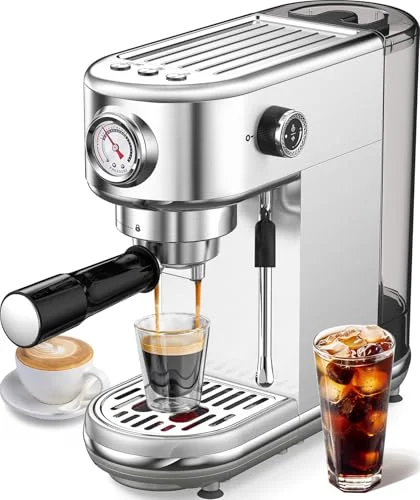
Gemilai Owl Espresso Machine, 15 Bar Professional Semi-Automatic Espresso Maker with Milk Frothe
A tech-forward machine with dual displays and PID control for those who love data.
|
7.8/10 Check Price Amazon |
How Products Differ Here
- →Diletta Bello: Handcrafted in Italy with stainless steel construction and a 3-year warranty, built to last for years.
- →Gemilai Owl G3006: Budget-friendly with PID control, but uses plastic components and a smaller boiler that may not hold up as well.
The Diletta Bello’s Italian craftsmanship means it’s built to last, with a stainless steel boiler and commercial-grade components. The Gemilai Owl, while feature-rich, uses plastic internals that might not stand up to daily use as well. If you’re investing in a machine, it’s worth considering how long it will last.
What Buyers Often Misread
Marketing for heat exchanger machines often makes it sound like ‘simultaneous brewing and steaming’ is a must-have feature. But if you’re mostly making espresso, it’s not as important as you might think. Single-boiler machines can be simpler and just as effective for solo drinkers. Don’t get sold on a feature you won’t use.
Boiler size is another area where marketing can be misleading. A 3L boiler sounds impressive, but it’s not always better. Larger boilers take longer to heat up and can overheat the brew water if you’re not careful. Smaller boilers recover faster but might not have enough steam for multiple drinks. The key is to match the boiler size to your workflow, not just go for the biggest one.
|
‘Heat exchanger’ means no temperature management is needed.
These machines still need preheating and flush cycles to keep the water stable. Skip those steps, and you’ll end up with inconsistent shots.
|
|
Bigger boilers are always better.
Larger boilers take more time and energy to heat up, and they can overheat the brew water if you’re not careful with temperature management.
|
|
Manual controls are only for experts.
Manual machines aren’t inherently harder to use, they just require more practice. If you’re not willing to put in the time, they’ll frustrate you.
|
|
All heat exchanger machines perform equally.
Boiler size, group head design, and build quality all play a big role in how a machine performs. Don’t assume all heat exchangers are the same.
|
How To Make the Final Choice
The best heat exchanger machine for you depends on what you need most. If you’re making milk drinks, focus on boiler size and steam power. If you’re an espresso purist, look for temperature stability and build quality. The right machine isn’t about the price tag, it’s about how well it fits into your routine.
, The Diletta Bello’s 3L boiler is great for milk drinks, but you’ll need to manage the temperature carefully to avoid scalding your espresso.
, The Rocket Appartamento 2.0’s 1.8L boiler and heated group head give you stable temperatures for espresso, making it a solid choice for purists.
, The Rancilio Silvia is compact and reliable, but remember it’s a single-boiler machine, so it won’t let you brew and steam at the same time.
Frequently Asked Questions
Do heat exchanger machines need a cooling flush?
Yes, you’ll need to flush the group head before pulling a shot to cool down the brew water. It’s a small step, but it makes a big difference in keeping your shots consistent, especially after steaming milk.
Can I use a heat exchanger machine for espresso only?
Absolutely. These machines are designed for simultaneous brewing and steaming, but they work just fine for espresso-only use. Just remember to preheat and flush as needed to keep the water temperature stable.
How long do heat exchanger machines last?
Italian-made machines, like the Diletta Bello or Rocket Appartamento, can last 10 years or more with proper maintenance. Budget models might need replacing within 3-5 years, depending on how often you use them.
Are heat exchanger machines harder to use than single-boiler models?
They require a bit more attention to temperature management, but they also give you more flexibility. Single-boiler machines are simpler, but they limit what you can do. It’s about what you’re willing to learn.
Do I need a PID controller for a heat exchanger machine?
Not necessarily. PID controllers help stabilize temperatures, but they’re not a must-have. Many users get great results with manual flushes and preheating routines. It depends on how much control you want.

- 10 Best Air Fryer For Frozen Fries 2026 (Reviewed) - October 6, 2026
- 10 Best Air Fryer For Frozen Foods 2026 (Reviewed) - October 6, 2026
- 10 Best Air Fryer For Reheating Food 2026 (Reviewed) - October 6, 2026