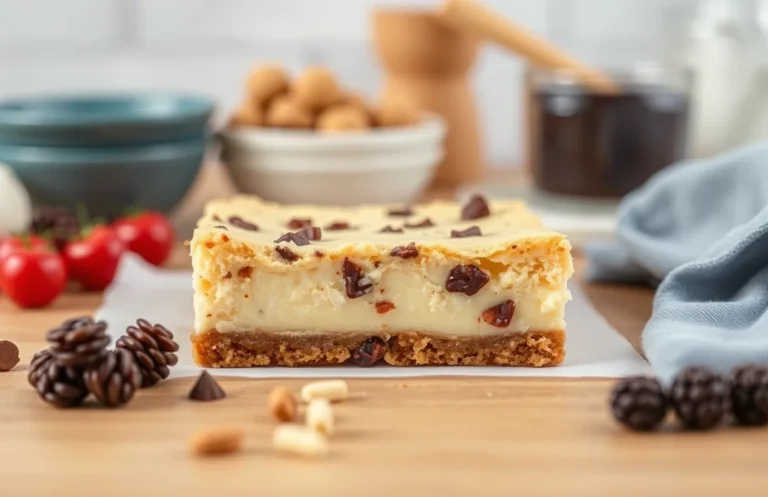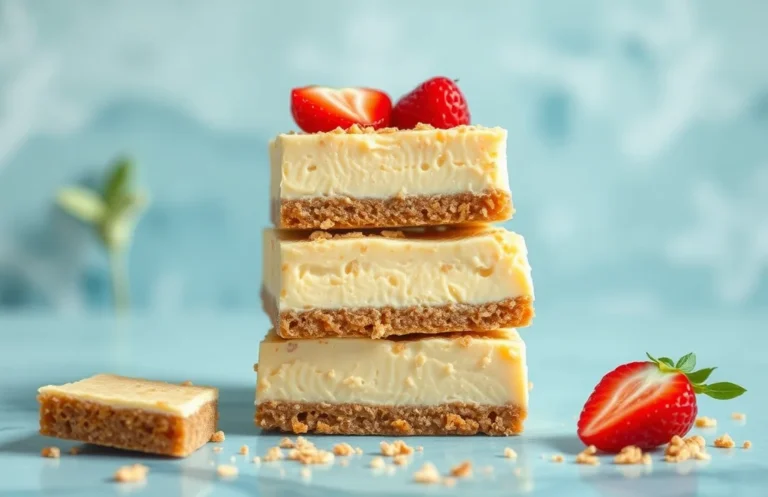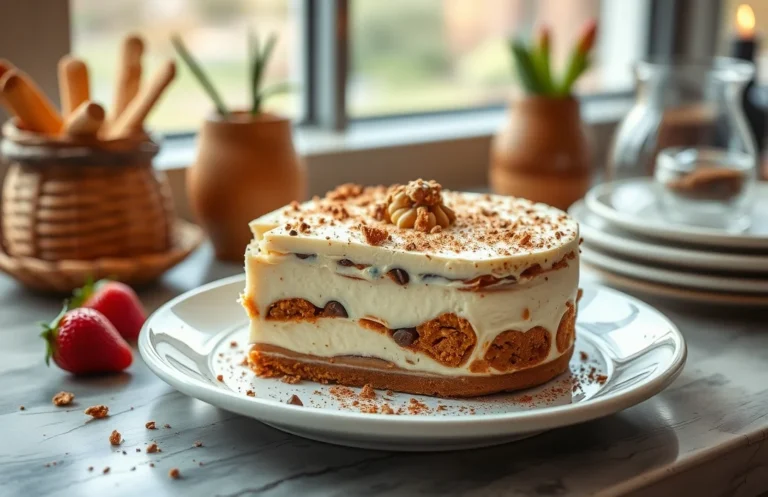
Perfect Homemade Cheesecake Crust: Tips & Variations Included
There’s something truly comforting about a homemade cheesecake, especially when it’s nestled in a buttery, crumbly crust that perfectly complements the creamy filling. Whether it’s for a special occasion or a weeknight treat, this crust elevates the dessert to a whole new level. Just imagine that first bite, the crunch giving way to smooth, rich cheesecake—pure bliss!
Get ready to make the perfect homemade cheesecake crust with this reliable recipe. It takes 15 minutes to prepare, 10 minutes to bake, and serves 8 people. The difficulty level is easy, making it accessible for any home cook!
| Prep Time | Cook Time | Total Time | Servings | Difficulty |
|---|---|---|---|---|
| 15 minutes | 10 minutes | 25 minutes | 8 | Easy |
History of Cheesecake Crust
The cheesecake crust has a rich history that reflects the evolution of culinary traditions across cultures. This section delves into its origins and the significance of the crust in the overall cheesecake experience.
Culinary Origins
- Ancient Greece: The earliest known cheesecakes date back to ancient Greece, where they were made with simple ingredients like cheese, honey, and flour. They were often served to athletes during the first Olympic Games.
- Roman Influence: The Romans adapted the Greek cheesecake recipe, incorporating various flavors and ingredients. They introduced the concept of baking the cheesecake, which laid the groundwork for modern versions.
- American Adaptation: In the United States, cream cheese became a staple ingredient in cheesecakes, leading to the creation of the popular New York-style cheesecake. The crust evolved to include graham crackers, providing a sweet and crunchy contrast to the creamy filling.
Cultural Significance
- Celebratory Desserts: Cheesecake often signifies celebration and indulgence, frequently appearing at birthdays, weddings, and holidays. The crust plays a crucial role in balancing the richness of the filling.
- Regional Variations: Different cultures have their unique takes on cheesecake crusts. For instance, Italian cheesecakes often utilize a pastry crust, while some Asian variations incorporate rice or mochi for a gluten-free option.
Ingredients for Cheesecake Crust
Creating the perfect cheesecake crust is essential for a delicious dessert experience. This section will detail the exact ingredients you’ll need, ensuring that your crust has the ideal texture and flavor to complement your cheesecake filling.
| Item | Amount/Specification | Notes |
|---|---|---|
| Graham crackers | 1 ½ cups (150g), crushed | Use plain graham crackers for a classic flavor. |
| Butter | ½ cup (115g), unsalted | Melted for easier mixing. |
| Sugar | ¼ cup (50g) | Granulated sugar enhances sweetness. |
| Salt | ¼ teaspoon | Balances sweetness and enhances flavor. |
- For a gluten-free option, substitute graham crackers with gluten-free cookies or almond flour.
- Try adding a pinch of cinnamon to the crust mixture for a warm spice note.
- Ensure your butter is fully melted but not hot to avoid cooking the other ingredients.
- For extra crunch, consider adding chopped nuts, such as pecans or almonds, to the crust mixture.
Essential Kitchen Equipment
To create a perfect homemade crust for your cheesecake, having the right tools on hand is essential. These items will help you achieve the ideal texture and flavor while making the process smooth and enjoyable.
- Mixing Bowl: A large mixing bowl is vital for combining your crust ingredients. Choose one that can hold at least 4 quarts (3.8 liters) to allow for easy mixing without spilling. A glass or stainless-steel bowl works best as they are durable and won’t retain odors.
- Food Processor: Using a food processor can greatly simplify the task of crushing graham crackers or cookies into fine crumbs. Make sure it has a capacity of at least 8 cups (1.9 liters) for efficiency. If you don’t have a food processor, you can place the crackers in a resealable bag and crush them with a rolling pin, but this method requires more effort.
- 9-Inch Springform Pan: A springform pan is essential for baking cheesecakes, as it allows for easy removal of the crust and filling once set. Look for one with a tight-sealing latch to prevent leaks during baking. Be sure to line the bottom with parchment paper for an even smoother release.
Chef’s tip: If your crust is too crumbly, add 1 tablespoon of melted butter at a time until the mixture holds together well.
Step-by-Step Crust Instructions
Making a homemade crust for your cheesecake is a vital step that lays the foundation for flavor and texture. The following instructions will guide you through the process of preheating your oven, mixing the ingredients, and baking the crust to perfection.
- Preheat the Oven: Begin by preheating your oven to 350°F (175°C). This temperature ensures that the crust cooks evenly, creating a golden and crisp texture. Allow the oven to fully preheat before placing the crust inside; an adequately heated oven is key to achieving the right consistency.
- Mix the Ingredients: In a medium mixing bowl, combine 1 ½ cups (150g) of graham cracker crumbs, ¼ cup (50g) of granulated sugar, and ½ teaspoon of salt. Stir these dry ingredients together until well blended. Next, melt ½ cup (115g) of unsalted butter and slowly pour it into the mixture. Use a fork to mix until the crumbs are evenly coated and resemble wet sand.
- Form the Crust: Using your hands or the bottom of a measuring cup, press the mixture firmly into the bottom and up the sides of a 9-inch (23cm) springform pan. Aim for an even thickness of about ¼ inch (0.6cm). This step is crucial for a sturdy crust that holds its shape during baking and slicing.
- Bake the Crust: Once the crust is formed, place it in the preheated oven. Bake for 10-12 minutes, or until the edges are golden brown and fragrant. Keep a close watch; overbaking can lead to a hard crust. Let it cool completely before adding your cheesecake filling.
Chef’s tip: If you prefer a nutty flavor, you can substitute half of the graham cracker crumbs with finely ground nuts, such as almonds or pecans.
Pro Tips for Perfect Crust
Creating a homemade crust for your cheesecake is crucial for achieving the right balance of texture and flavor. Here are some expert tips to help you avoid common pitfalls and ensure your crust turns out perfectly every time.
Preventing Sogginess
- Use a springform pan: This allows for easy removal and helps prevent moisture from seeping in. Make sure the pan is tightly sealed before adding your filling.
- Pre-bake the crust: Baking your crust at 350°F (175°C) for about 10 minutes gives it a head start and helps create a barrier against moisture. You want it to be lightly golden and fragrant.
- Cool completely: Let the crust cool before adding the cheesecake filling. A warm crust can create steam, leading to sogginess.
Achieving Even Texture
- Crush ingredients thoroughly: For a uniform texture, crush your graham crackers or cookies into fine crumbs. Use a food processor for best results, aiming for a sand-like consistency.
- Evenly distribute the mixture: Press the crust mixture firmly and evenly into the bottom of your pan. Use a flat-bottomed measuring cup or glass to ensure an even surface.
- Don’t overmix: When combining crust ingredients, mix just until combined. Overmixing can lead to a tough texture, which isn’t ideal for a cheesecake crust.
Crust Variations and Substitutions
Creating the perfect crust for your cheesecake can be tailored to meet various dietary needs and flavor preferences. Whether you’re gluten-free, vegan, or simply craving something chocolatey, these variations ensure that everyone can enjoy a slice of this delightful dessert.
Gluten-Free Options
If you’re avoiding gluten, you can easily make a delicious gluten-free crust using alternative ingredients. Here’s a simple recipe:
- 1 ½ cups gluten-free graham cracker crumbs (150g)
- ⅓ cup granulated sugar (67g)
- ½ cup unsalted butter, melted (115g)
Combine the gluten-free crumbs and sugar in a bowl. Pour in the melted butter and mix until the texture resembles wet sand. Press this mixture firmly into the bottom of a 9-inch (23 cm) springform pan and bake at 350°F (175°C) for 10 minutes. The crust should look lightly golden and smell buttery.
Vegan Alternatives
For a vegan crust, substitute traditional butter with coconut oil or vegan butter. Here’s how:
- 1 ½ cups almond flour (150g)
- ¼ cup maple syrup (60ml)
- ⅓ cup coconut oil, melted (75g)
Mix the almond flour and maple syrup in a bowl, then pour in the melted coconut oil. Stir until combined. Press firmly into the bottom of a 9-inch (23 cm) springform pan, and bake at 350°F (175°C) for 12-15 minutes until just set and fragrant.
Chocolate Crust
If you want to add a touch of decadence to your cheesecake, try a chocolate crust:
- 1 ½ cups chocolate cookie crumbs (150g)
- ⅓ cup granulated sugar (67g)
- ½ cup unsalted butter, melted (115g)
Combine cookie crumbs and sugar in a bowl, add melted butter, and mix until well combined. Press the mixture into a 9-inch (23 cm) springform pan and bake at 350°F (175°C) for 10 minutes. The crust should be firm to the touch and aromatic.
Chef’s tip: For all variations, make sure to let the crust cool completely before adding the cheesecake filling to prevent it from becoming soggy.
Serving and Pairing Suggestions
Once your cheesecake is perfectly set on its homemade crust, it’s time to think about how to serve it and what to pair it with for a delightful experience. Toppings can elevate the flavors, while beverage pairings can enhance the overall enjoyment of your cheesecake.
Toppings for Your Cheesecake
- Fresh Berries: Top your cheesecake with a medley of fresh berries like strawberries, blueberries, and raspberries. These add a vibrant color and a tart contrast to the creamy richness. Aim for about 1-2 cups of berries, washed and dried, scattered evenly over the surface.
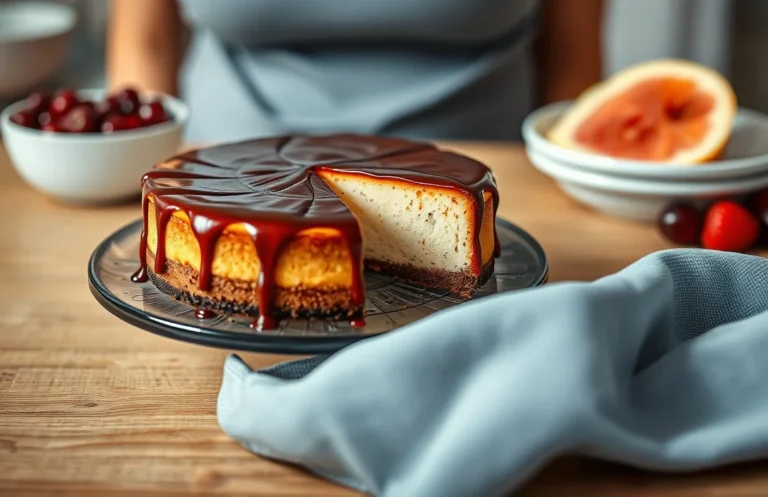
- Chocolate Ganache: For chocolate lovers, drizzle a homemade ganache made from 1 cup of heavy cream and 8 ounces of semi-sweet chocolate. Heat the cream until just simmering, then pour it over chopped chocolate and stir until smooth. Let it cool slightly before drizzling.
- Caramel Sauce: A sweet, buttery caramel sauce is another great choice. Combine 1 cup of granulated sugar with 6 tablespoons of butter and ½ cup of heavy cream in a saucepan. Cook over medium heat until the sugar dissolves and the mixture turns a golden brown, about 8-10 minutes. Drizzle over each slice before serving.
Beverage Pairings
- Coffee: A rich cup of coffee, whether brewed or espresso, complements the sweetness of the cheesecake beautifully. The bitterness of the coffee balances the creamy texture, making it a classic pairing.
- Tea: For a lighter option, serve with a cup of herbal or green tea. The floral notes in teas like chamomile or jasmine work well with fruity toppings.
- Sweet Wine: If you prefer something special, consider a sweet dessert wine such as a late harvest Riesling or a Moscato. These wines enhance the flavors without overpowering the dessert.
Quick Summary
| Prep Time | 15 minutes |
|---|---|
| Cook Time | 10 minutes |
| Total Time | 25 minutes |
| Servings | 8 |
- Crust Base: Use 1 ½ cups of graham cracker crumbs.
- Sweetener: Incorporate ⅓ cup of granulated sugar.
- Butter: Melt ½ cup of unsalted butter for binding.
- Mix Well: Combine ingredients until crumbly and moist.
- Bake: Preheat oven to 350°F and bake for 10 minutes.
- Chill the Crust: Let it cool completely before filling.
- Press Firmly: Ensure the crust is tightly packed for stability.
- Use Quality Ingredients: Fresh graham crackers enhance flavor.
Frequently Asked Questions
Can I make this ahead of time? How to store and reheat?
You can definitely make the cheesecake crust ahead of time! Store it in an airtight container in the refrigerator for up to 3 days or freeze it for up to 1 month; just let it thaw in the fridge before using.
What can I substitute for graham crackers?
If you don’t have graham crackers, you can use digestive biscuits or even crushed vanilla wafers for a similar flavor and texture.
How do I know when it’s done?
The crust is done when it’s lightly golden and firm to the touch, usually after 10-12 minutes in a preheated oven at 350°F (175°C).
Can I freeze this? How long does it last?
Yes, you can freeze the crust! It lasts in the freezer for up to 1 month; just wrap it tightly in plastic wrap and aluminum foil to prevent freezer burn.
What if I don’t have a food processor?
If you don’t have a food processor, you can place the graham crackers in a zip-top bag and crush them with a rolling pin until you get fine crumbs.

- Decadent Peanut Butter No-Bake Cheesecake: Easy Recipe to Indulge - April 3, 2026
- Delicious Mango No-Bake Cheesecake: Step-by-Step Recipe - April 3, 2026
- Decadent Raspberry No-Bake Cheesecake: Easy Step-by-Step Recipe - April 3, 2026