Perfect Cheesecake: Master Heat Settings for Ideal Texture
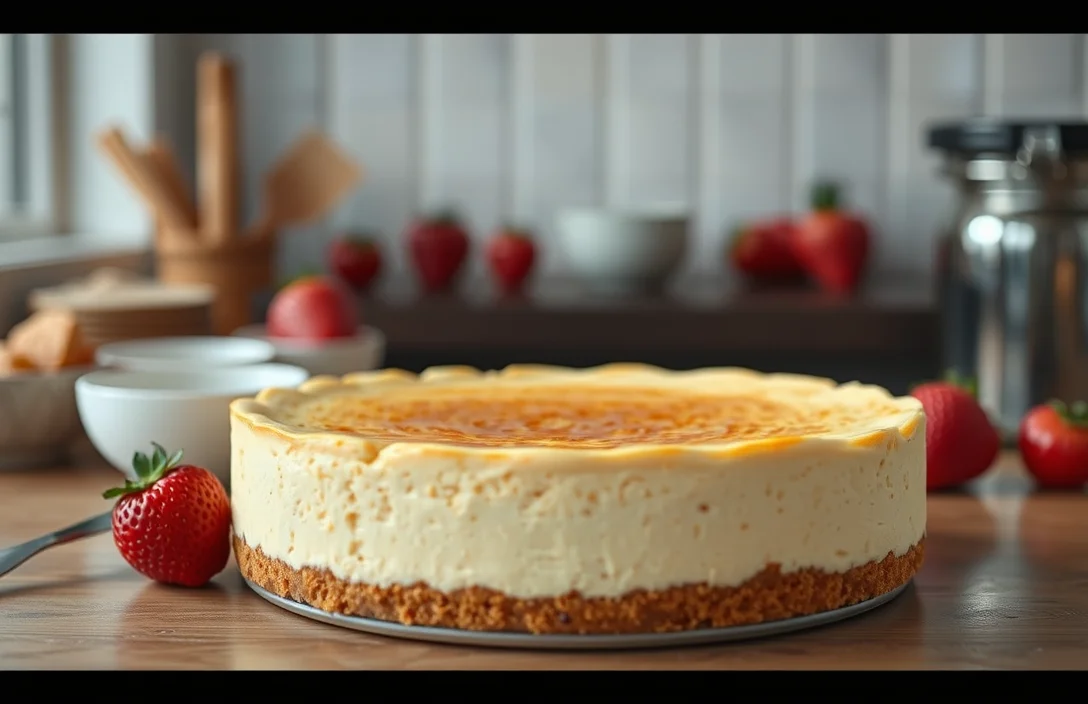
Cheesecake is the kind of dessert that turns an ordinary day into a celebration. Creamy, rich, and utterly satisfying, it’s a crowd-pleaser that brings smiles with every slice. Picture a velvety filling nestled in a buttery crust, topped with your favorite fruits or a drizzle of chocolate — pure indulgence!
In this recipe, you’ll discover how heat transforms cheesecake into a creamy delight, with baking tips, ideal temperatures of 325°F (163°C), and total time of about 1 hour and 15 minutes. Perfect for 8 servings, this recipe is easy enough for a weeknight treat but impressive enough for any gathering.
| Prep Time | Cook Time | Total Time | Servings | Difficulty |
|---|---|---|---|---|
| 20 minutes | 55 minutes | 1 hour 15 minutes | 8 | Easy |
Cheesecake Origins and Significance
Understanding the origins and cultural significance of cheesecake provides insight into why heat is vital in its preparation. This beloved dessert has a rich history that spans centuries and various cultures, influencing how we bake and savor it today.
Origin Stories
Cheesecake dates back to ancient Greece, where it was served to athletes during the first Olympic Games. Over time, it has evolved through different cultures, leading to various regional adaptations. Key points include:
- Greek cheesecake, made with simple ingredients like cheese, honey, and wheat.
- Roman adaptations introduced baking techniques that influenced texture.
- Modern American cheesecake, often made with cream cheese, is richer and denser.
Cultural Relevance
Cheesecake holds a special place in many celebrations, symbolizing indulgence and comfort. It is often served during:
- Birthdays, where it represents sweetness and joy.
- Holidays, especially in Jewish culture, where it is a staple during Shavuot.
- Weddings, as a delicious alternative to traditional cakes.
“Cheesecake is not just a dessert; it’s a celebration of tradition and flavor.”
When to Serve Cheesecake
Cheesecake can be enjoyed year-round, but its rich texture and flavor make it especially appealing during festive seasons. The perfect timing for serving includes:
- After a light meal as a satisfying conclusion.
- At gatherings where sweet treats are welcomed.
Understanding these origins and cultural elements enhances our appreciation of cheesecake, especially when mastering the heat techniques necessary for achieving the perfect bake.
Ingredients for Perfect Cheesecake
This section outlines the exact ingredients needed to create a perfect cheesecake and explains how each component interacts with heat during the baking process. Using the right measurements and understanding the role of each ingredient will help you achieve that creamy, smooth texture and rich flavor that makes cheesecake irresistible.
| Item | Amount/Specification | Notes |
|---|---|---|
| Cream Cheese | 24 ounces (680g) | Softened to room temperature for easy mixing |
| Sugar | 1 cup (200g) | Granulated sugar works best for smooth texture |
| Eggs | 3 large | Room temperature helps for even mixing and baking |
| Vanilla Extract | 2 teaspoons | For flavor enhancement |
| Crust Ingredients (Graham Crackers) | 1.5 cups (150g) crushed | Use finely crushed for a smooth crust |
| Butter | ½ cup (115g) | Melted, for binding the crust |
- Tip: Ensure the cream cheese is at room temperature; this avoids lumps and helps the batter mix smoothly.
- Tip: Whisk the eggs in a separate bowl before adding them to the mixture, which helps to incorporate them more evenly.
- Tip: To prevent cracks in your cheesecake, consider baking it in a water bath.
- Substitution: For a gluten-free crust, use almond flour or gluten-free cookies instead of graham crackers.
Essential Kitchen Tools
To create the perfect cheesecake, having the right tools is essential for controlling heat and achieving that creamy texture. Below is a list of equipment that ensures your cheesecake bakes evenly and comes out flawlessly.
| Item | Amount/Specification | Notes |
|---|---|---|
| Springform Pan | 9-inch (23 cm) | Allows easy removal of the cheesecake without damaging the edges. |
| Mixer | Stand or Hand Mixer | For smooth and creamy batter; avoid lumps for best texture. |
| Oven Thermometer | N/A | To ensure your oven is at the correct temperature (ideal is 325°F or 160°C). |
| Cooling Rack | 1 | Helps prevent sogginess by allowing air to circulate around the cheesecake. |
- Tip: If you don’t have a springform pan, you can use a regular cake pan with parchment paper lining, but the removal will be trickier.
- Make sure to preheat your oven fully before baking; this is crucial for even heat distribution.
- Check the cheesecake’s doneness with a gentle shake; the center should be slightly jiggly but not liquid.
- Investing in a good mixer can save you time and effort, leading to a better texture in your batter.
Baking Instructions for Cheesecake
This section provides a comprehensive guide on how to bake your cheesecake, detailing every step from preparing the crust to cooling it properly. Understanding how heat affects the baking process is essential for achieving that creamy, smooth texture we all love.
- Preparing the Crust: Preheat your oven to 350°F (175°C). In a mixing bowl, combine 1 ½ cups (150g) of graham cracker crumbs, ½ cup (100g) of granulated sugar, and ½ cup (115g) of melted unsalted butter. Mix until the crumbs are evenly coated and resemble wet sand. Press this mixture firmly into the bottom of a 9-inch springform pan and slightly up the sides. Bake for 10 minutes until set and golden, then let it cool.
- Mixing the Filling: In a large bowl, beat 4 (8-ounce) packages of cream cheese at room temperature until smooth and creamy, about 3-4 minutes. Gradually add 1 cup (200g) of granulated sugar and mix until fully incorporated. Add 1 teaspoon of vanilla extract and 4 large eggs, one at a time, mixing well after each addition. The mixture should be smooth and slightly fluffy.
- Baking Process: Pour the cheesecake filling into the cooled crust. To prevent cracking, place a shallow pan filled with water on the bottom rack of the oven to create steam. Bake the cheesecake in the center of the oven for 50-60 minutes. The edges should be set while the center remains slightly jiggly and looks glossy. Do not open the oven door during the first 40 minutes to maintain a stable temperature.
- Cooling: Once baking is complete, turn off the oven and crack the door open, allowing the cheesecake to cool gradually for about 1 hour. This helps to prevent cracking. After that, remove it from the oven and let it cool to room temperature for another hour before refrigerating it for at least 4 hours or overnight. The cheesecake will firm up as it cools, achieving the desired texture.
Pro Tips for Perfect Texture
Mastering the art of baking cheesecake requires attention to heat management, as it directly influences texture and stability. Here are some expert tips to help you achieve a smooth, creamy cheesecake without cracks, ensuring perfect doneness and avoiding overbaking.
- Preventing Cracks: To minimize cracks on the surface of your cheesecake, bake it in a water bath (bain-marie). The steam from the water keeps the temperature consistent and moist. Wrap the outside of your springform pan with aluminum foil to prevent water from seeping in, and use a roasting pan filled with hot water to create this environment.
- Checking Doneness: Instead of relying solely on a timer, check for doneness by gently shaking the cheesecake. The edges should appear set, while the center still has a slight jiggle. A perfectly baked cheesecake will firm up as it cools. Aim for an internal temperature of 150°F (65°C) for best results.
- Avoiding Overbaking: Overbaking is a common mistake that leads to a dry texture. Keep your oven temperature at 325°F (160°C) to ensure even cooking. Remember to turn off the oven when the cheesecake is done, and let it cool in the oven with the door ajar for about an hour to prevent sudden temperature changes, which can cause cracks.
Chef’s tip: For an ultra-smooth filling, blend your cream cheese until silky before adding other ingredients.
Variations and Substitutions
This section highlights various ways to adapt your cheesecake recipe to cater to specific dietary needs and flavor preferences. Understanding these substitutions can help you create a cheesecake that fits your lifestyle without sacrificing taste or texture.
Gluten-Free Options
If you need to make a gluten-free cheesecake, you can easily substitute the crust ingredients:
- Use 1 ½ cups gluten-free graham cracker crumbs instead of regular graham crackers.
- Replace ½ cup all-purpose flour with ½ cup almond flour for a gluten-free option that still holds well.
Vegan Substitutes
For a vegan cheesecake, consider these substitutions:
- Replace 16 ounces of cream cheese with 16 ounces of soaked cashews (soaked for at least 4 hours and drained).
- Use ½ cup coconut cream instead of sour cream to maintain creaminess.
- Substitute 1 cup sugar with ⅔ cup maple syrup for a natural sweetener.
Flavor Enhancements
You can easily enhance the flavor profile of your cheesecake:
- Add 1 teaspoon of vanilla extract for a richer taste.
- Incorporate 2 tablespoons of lemon zest for a refreshing citrus note.
- Swirl in ½ cup of melted chocolate or fruit puree before baking to create delicious marbled effects.
Chef’s tip: Always taste your filling before baking; this is your chance to adjust sweetness or flavor intensity!
| Ingredient | Standard | Gluten-Free | Vegan |
|---|---|---|---|
| Crust | 1 ½ cups graham cracker crumbs | 1 ½ cups gluten-free crumbs | N/A |
| Cream Cheese | 16 ounces | N/A | 16 ounces soaked cashews |
| Sugar | 1 cup | 1 cup | ⅔ cup maple syrup |
Serving and Plating Ideas
Presenting your cheesecake beautifully enhances the overall dining experience. The right garnishes and serving methods can elevate its appeal, making it not just a dessert but a centerpiece. Here are some ideas to make your cheesecake shine.
Garnishing Tips
- Top with fresh berries: Use 1 cup of mixed raspberries, blueberries, and strawberries for a vibrant touch. Arrange them neatly on top or in clusters around the edges.
- Drizzle with chocolate sauce: Melt ½ cup of semi-sweet chocolate chips with 2 tablespoons of heavy cream over low heat until smooth. Allow it to cool slightly before drizzling.
- Add a sprig of mint: A few fresh mint leaves can add a pop of color and a refreshing aroma.
Pairing Suggestions
To complement the rich flavor of cheesecake, consider serving it with:
- Fruit Compote: A simple compote made from 1 cup of fresh or frozen fruit, cooked down with 2 tablespoons of sugar and a squeeze of lemon juice until thickened.
- Coffee: A strong espresso or a creamy cappuccino pairs wonderfully with cheesecake.
- Ice Cream: Vanilla bean ice cream can add a creamy contrast that balances the cheesecake’s richness.
Serving Temperature
Cheesecake is best served chilled. Aim for a serving temperature of about 40°F (4°C) for optimal texture and flavor. Before serving, let it sit at room temperature for about 15-20 minutes to soften slightly, enhancing its creaminess.
Chef’s tip: Always use a hot knife to slice your cheesecake — dip it in hot water and wipe it dry for clean, smooth cuts!
Quick Recipe Summary
This section highlights the essential points of baking a perfect cheesecake, focusing on how heat impacts the process. Knowing the right temperature and baking time is crucial for achieving that creamy texture and avoiding cracks.
Essential Ingredients
- 1 ½ cups (150g) graham cracker crumbs
- ½ cup (100g) granulated sugar
- ½ cup (113g) unsalted butter, melted
- 4 (8 oz) packages cream cheese, softened
- 1 cup (200g) granulated sugar
- 4 large eggs
- 1 teaspoon vanilla extract
- 1 cup (240ml) sour cream
Baking Time and Temperature Guide
Here’s how to achieve the perfect cheesecake texture:
| Stage | Temperature | Time | Expected Appearance |
|---|---|---|---|
| Preheat Oven | 325°F (160°C) | – | – |
| Bake Cheesecake | 325°F (160°C) | 55-65 minutes | Firm edges, slightly jiggly center |
| Cool in Oven | Off | 1 hour | Gradually set, no sudden temperature changes |
| Chill Cheesecake | Refrigerator | 4 hours or overnight | Firm, creamy texture |
Tip: Do not rush the cooling process. Letting the cheesecake cool slowly in the oven helps prevent cracks.
By following these guidelines, you can ensure your cheesecake emerges smooth, luscious, and utterly delicious. Happy baking!
Quick Summary
| Prep Time | 20 minutes |
|---|---|
| Cook Time | 60 minutes |
| Total Time | 1 hour 20 minutes |
| Servings | 8 |
- Preheat your oven to 325°F (163°C) for even baking.
- Use a water bath to maintain moisture and prevent cracks.
- Beat cream cheese until smooth to avoid lumps.
- Bake until edges are set but center is slightly jiggly for the perfect texture.
- Cool gradually in the oven to prevent sudden temperature changes.
- Tip 1: Room temperature ingredients create a smoother batter.
- Tip 2: Avoid overmixing to keep the cheesecake light and fluffy.
Frequently Asked Questions
Can I make this ahead of time? How to store and reheat?
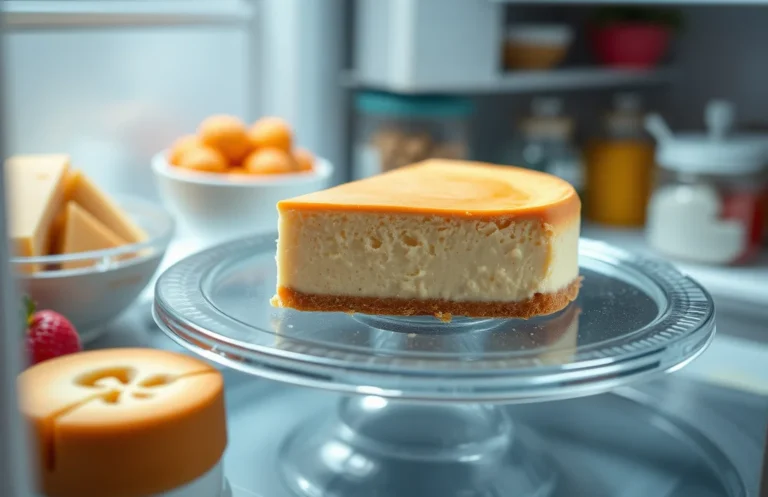
You can absolutely make cheesecake ahead of time! Store it in the refrigerator, tightly covered, for up to 5 days and reheat it gently in a low oven at 200°F (93°C) for about 15 minutes if needed.
What can I substitute for cream cheese?
If you’re looking for a substitute for cream cheese, you can use ricotta cheese blended until smooth, or a combination of mascarpone and Greek yogurt for a similar texture and flavor.
How do I know when it’s done?
Your cheesecake is done when the edges are set but the center still has a slight jiggle, about 1 hour in the oven at 325°F (163°C). It will continue to firm up as it cools, so don’t worry if it seems a bit soft!
Can I freeze this? How long does it last?
Yes, you can freeze your cheesecake for up to 3 months by wrapping it tightly in plastic wrap and then aluminum foil. Just remember to thaw it in the refrigerator overnight before serving!
Why did my cheesecake crack on top?
Your cheesecake may crack due to overmixing or baking at too high a temperature, which causes the filling to expand too quickly. Try mixing on low speed and baking at 325°F (163°C) for a gentler cook next time!

- Decadent Peanut Butter No-Bake Cheesecake: Easy Recipe to Indulge - April 3, 2026
- Delicious Mango No-Bake Cheesecake: Step-by-Step Recipe - April 3, 2026
- Decadent Raspberry No-Bake Cheesecake: Easy Step-by-Step Recipe - April 3, 2026