How Long to Freeze Cheesecake: Tips for Perfectly Thawed Slices
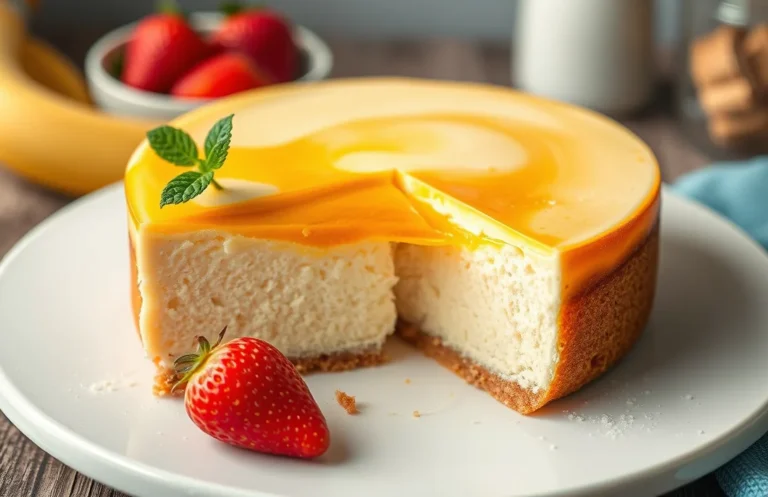
If you’re a cheesecake lover, you know there’s nothing quite like the creamy, rich texture of a perfectly baked cheesecake. Whether it’s a classic New York style or a fruity variation, this dessert is always a crowd-pleaser and makes for the ultimate comfort food. Just imagine slicing into a chilled cheesecake, the velvety filling melting in your mouth—it’s pure bliss!
Wondering how long you can freeze a cheesecake? You’ll find out exactly how to maintain its delightful flavor and texture. You’ll learn the best methods for freezing and thawing, along with tips for different types of cheesecakes. Total Time: 15 minutes prep, Difficulty: Easy, Servings: 8-10.
| Prep Time | Cook Time | Total Time | Servings | Difficulty |
|---|---|---|---|---|
| 15 minutes | 60 minutes | 75 minutes | 8-10 | Easy |
Cheesecake Origins and Specialties
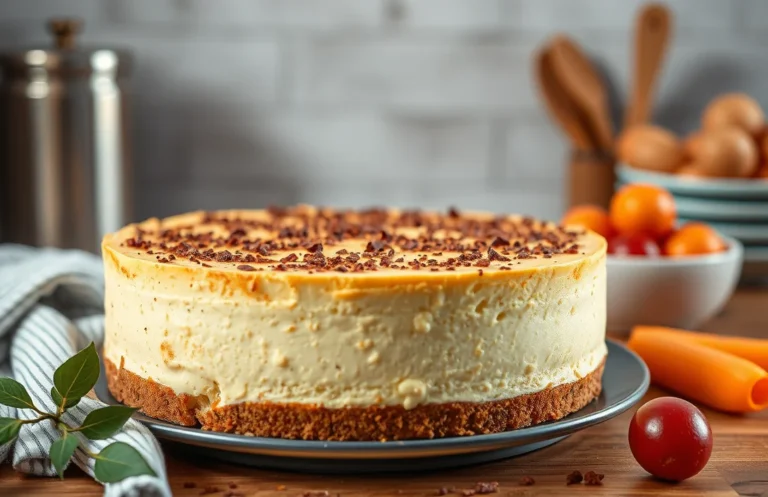
Cheesecake is a beloved dessert that boasts a rich history and diverse cultural significance. Its origins can be traced back to ancient Greece, where it was served to athletes during the first Olympic Games. Over the centuries, cheesecake has evolved into various styles, each with unique characteristics that influence how we can preserve them, including freezing.
Cultural Significance
Cheesecake holds a special place in many cultures, often associated with celebrations and gatherings. Here are a few notable variations:
- New York Style: Dense and creamy, this cheesecake is famous for its rich flavor, typically made with cream cheese and sour cream.
- Italian Ricotta Cheesecake: Lighter and fluffier, this version uses ricotta cheese, resulting in a subtly sweet taste.
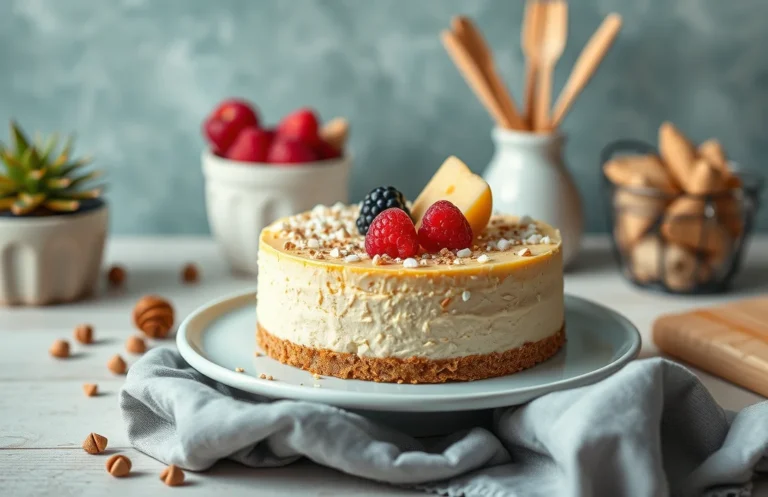
- No-Bake Cheesecake: Often made with whipped cream and gelatin, this type is chilled rather than baked, offering a quick alternative.
Types of Cheesecakes
Each type of cheesecake has its own freezing characteristics, which is crucial for home cooks who want to extend their shelf life. Here’s a quick reference:
| Type | Freezing Duration | Thawing Method |
|---|---|---|
| New York Style | Up to 3 months | Refrigerate overnight |
| Ricotta Cheesecake | Up to 2 months | Refrigerate overnight |
| No-Bake Cheesecake | Up to 1 month | Refrigerate overnight |
Chef’s tip: Always wrap your cheesecake tightly in plastic wrap and then foil before freezing to prevent freezer burn.
Understanding these origins and specialties not only enhances your appreciation for cheesecake but also guides you in preserving its delightful flavors effectively.
Ingredients for Freezing Cheesecake
Understanding the ingredients used in your cheesecake is essential, especially when you’re planning to freeze it. The right ratios and quality of ingredients will not only affect how long your cheesecake can be frozen but also its flavor and texture upon thawing. Here’s a detailed breakdown of the key components you’ll need to make a successful cheesecake for freezing.
| Item | Amount/Specification | Notes |
|---|---|---|
| Cream Cheese | 16 ounces (450g) | Full-fat for best texture; soften before mixing |
| Sugar | ¾ cup (150g) | Granulated sugar works best; adjust for sweetness preference |
| Eggs | 3 large | Room temperature for smooth incorporation |
| Vanilla Extract | 1 teaspoon (5ml) | Pure vanilla extract enhances flavor |
| Sour Cream | ½ cup (120ml) | Optional; adds creaminess and tang |
- Tip: Always ensure cream cheese is fully softened to avoid lumps.
- Substitution: For dairy-free options, use vegan cream cheese and sour cream.
- Check for freshness; expired ingredients can affect the freezing process.
- Consider flavoring variations, such as lemon zest or chocolate, but ensure they are freeze-friendly.
Essential Kitchen Tools
When it comes to freezing cheesecake, having the right tools can make a significant difference in preserving its texture and flavor. Here’s a list of essential kitchen equipment to ensure your cheesecake freezes beautifully and maintains its quality when thawed.
- Springform Pan: A springform pan is perfect for cheesecakes because it allows for easy removal without damaging the delicate crust. Choose a pan with a diameter of 9 inches for standard recipes. If you’re planning to freeze your cheesecake, use parchment paper lining at the bottom for easier release.
- Plastic Wrap: After your cheesecake has cooled completely, wrap it tightly in plastic wrap. This step is crucial to prevent freezer burn. Use at least two layers of plastic wrap, ensuring there are no gaps, to keep moisture in and air out.
- Freezer Bags: For an extra layer of protection, place the wrapped cheesecake in a freezer bag. A gallon-sized freezer bag works well. Squeeze out as much air as possible before sealing it. This method helps maintain the cheesecake’s flavor and prevents it from absorbing any odors from the freezer.
Chef’s tip: If you have leftover cheesecake pieces, you can freeze them individually in cupcake liners for easy portion control later on.
Freezing Cheesecake Steps
Freezing cheesecake properly is essential to maintaining its flavor and texture for future enjoyment. Follow these steps to ensure your cheesecake is securely wrapped and labeled, making it easy to thaw and serve later.
- Cool the Cheesecake: After baking, allow the cheesecake to cool at room temperature for about 1 hour. Then, refrigerate it for at least 4 hours or until it’s completely chilled. The cheesecake should feel firm to the touch and not jiggle when you gently shake the pan.
- Wrap Securely: Once fully chilled, remove the cheesecake from the springform pan. Wrap it tightly in plastic wrap, ensuring there are no air pockets. For added protection, wrap it again in aluminum foil. This double-wrapping helps prevent freezer burn and keeps your cheesecake fresh for up to 2-3 months.
- Label for Freezer: Use a permanent marker to label the wrapped cheesecake with the date and type of cheesecake (e.g., “New York Style Cheesecake – Frozen 10/01/2023”). This helps you keep track of how long it has been in the freezer. Remember to use it within 2-3 months for the best taste and texture.
Chef’s tip: If you plan to freeze individual slices, cut the cheesecake into portions before wrapping to make thawing easier.
Tips for Texture and Flavor
When freezing cheesecake, maintaining its creamy texture and rich flavor is essential. With the right techniques, you can prevent freezer burn and ensure your cheesecake tastes just as delicious when thawed. Here are some key tips to follow:
- Airtight Containers: Use high-quality, airtight containers or heavy-duty freezer bags to store your cheesecake. This prevents air exposure, which can lead to freezer burn and a dry texture. Make sure to press out as much air as possible before sealing.
- Wrap with Plastic Wrap: Before placing your cheesecake in a container, wrap it tightly in plastic wrap. This extra layer acts as a barrier against moisture loss and helps maintain its creamy consistency. Double wrapping is even better if you’re freezing it for an extended period.
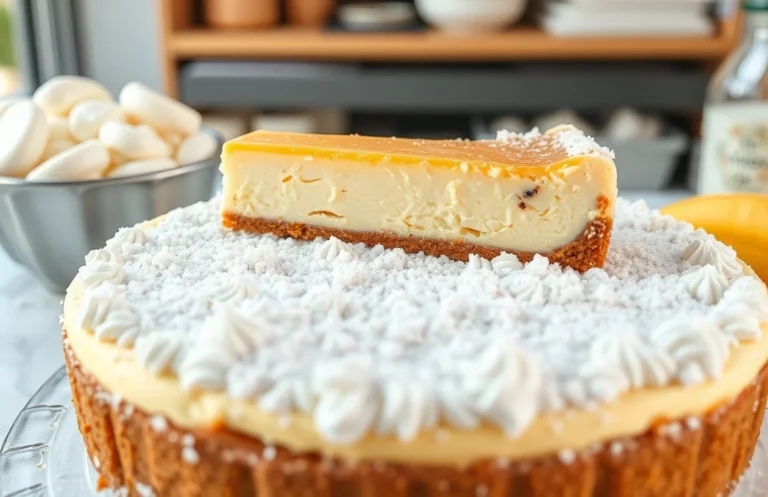
- Flash Freeze: For best results, freeze individual slices on a baking sheet for about 1-2 hours until firm, then transfer them to your airtight container. This prevents slices from sticking together and makes it easier to grab just what you need.
- Labeling: Always label your containers with the date and type of cheesecake. Most cheesecakes can be frozen for up to 2-3 months without losing quality. Keeping track helps you enjoy them at their best.
- Cooling Properly: Before freezing, ensure your cheesecake has cooled completely to room temperature. This step prevents condensation, which can lead to excess moisture in the freezer, affecting texture.
Thawing Cheesecake Correctly
Thawing cheesecake properly is crucial to maintaining its creamy texture and rich flavor after freezing. Incorrect thawing methods can lead to a soggy crust or a grainy filling, so it’s important to follow these steps for the best results.
- Refrigerator Thawing: This is the best method for thawing cheesecake. Remove the cheesecake from the freezer and take off any plastic wrap or foil. Place it in the refrigerator for about 6-8 hours or overnight. The cheesecake should feel firm but slightly soft to the touch when fully thawed, and it will taste just as delicious as when it was freshly made.
- Countertop Thawing: If you’re short on time, you can thaw cheesecake at room temperature. Remove the cheesecake from the freezer and unwrap it. Let it sit on the countertop for 1-2 hours. However, keep an eye on it—if the outer layer starts to feel too soft, it’s time to refrigerate it to prevent any texture changes.
Chef’s tip: Always thaw cheesecake in the refrigerator whenever possible to preserve its texture and flavor.
Cheesecake Variations for Freezing
Understanding how different types of cheesecakes affect freezing time is key to preserving their texture and flavor. Baked cheesecakes and no-bake varieties each have unique characteristics that influence how long they can be stored in the freezer. Additionally, fruit-topped cheesecakes can impact freezing and thawing processes as well.
- Baked Cheesecakes: These cheesecakes, made with cream cheese, eggs, and sugar, are best frozen for up to 2-3 months. Ensure that the cheesecake is completely cooled before wrapping it tightly in plastic wrap, followed by aluminum foil to prevent freezer burn. When ready to enjoy, transfer it to the refrigerator for 24 hours to thaw.
- No-Bake Cheesecakes: No-bake cheesecakes, often lighter and creamier, can be frozen for about 1-2 months. Again, be sure the cheesecake is set and chilled before wrapping it well. Thawing should also be done in the fridge to maintain texture; expect them to take about 6-8 hours to thaw completely.
- Fruit-Topped Cheesecakes: If your cheesecake has a fruit topping, freezing is best limited to 1 month. The moisture from the fruit can create ice crystals, leading to a mushy texture upon thawing. If possible, freeze the cheesecake without the topping and add fresh fruit just before serving.
Chef’s tip: Always label your cheesecakes with the date frozen and type of cheesecake to keep track of freshness!
Quick Summary
| Prep Time | 15 minutes |
|---|---|
| Cook Time | 60 minutes |
| Total Time | 1 hour 15 minutes |
| Servings | 8 servings |
- Freeze Duration: Up to 3 months for best quality.
- Thawing Method: Refrigerate overnight for safe thawing.
- Wrap Properly: Use plastic wrap and aluminum foil to prevent freezer burn.
- Avoid Freezing: Avoid freezing cheesecakes with fresh fruit toppings.
- Cool Completely: Let cheesecake cool completely before freezing.
- Tip: Slice before freezing for easy serving later.
- Tip: Label with date and type for easy identification.
Frequently Asked Questions
Can I make this ahead of time? How to store and reheat?
You can make your cheesecake ahead of time and store it in the refrigerator for up to 5 days. To reheat, let it sit at room temperature for about 30 minutes before serving.
What can I substitute for cream cheese?
You can substitute cream cheese with mascarpone cheese or a combination of cottage cheese and sour cream for a lighter option. Keep in mind that this will change the flavor and texture slightly.
How do I know when it’s done?
Your cheesecake is done when the edges are set, but the center still has a slight jiggle, typically around 45-55 minutes at 325°F (160°C). It will firm up as it cools, so don’t worry if it seems a bit underdone.
Can I freeze this? How long does it last?
You can freeze cheesecake for up to 3 months if it’s wrapped tightly in plastic wrap and aluminum foil. Just remember to thaw it in the refrigerator overnight before serving.
Why did my cheesecake crack on top?
Your cheesecake likely cracked due to overbaking or a sudden change in temperature. To prevent this, bake it in a water bath and avoid opening the oven door during baking.

- 10 Best Knife For Indian Kitchen 2026 - September 12, 2026
- 10 Best Knife For Ice Cream Cake 2026 - September 12, 2026
- 10 Best Knife For Imperial Plaid Gloves 2026 - September 12, 2026