Is Cheesecake Safe During Pregnancy? Tips & Recipes Inside!
Cheesecake is one of those desserts that feels like a warm hug on a plate. Its creamy texture and rich flavor make it a perfect treat for any occasion, whether it’s a cozy weeknight or a festive gathering. The best part? You can enjoy it with a few thoughtful adjustments to keep it safe during pregnancy!
In this guide, you’ll discover whether cheesecake is safe to eat while pregnant, including potential risks, safe ingredient substitutions, and delicious pregnancy-friendly recipes. We’ll cover everything from preparation to serving tips to ensure you can indulge without worry.
| Prep Time | 15 minutes |
|---|---|
| Cook Time | 60 minutes |
| Total Time | 1 hour 15 minutes |
| Servings | 8 servings |
| Difficulty | Moderate |
Cheesecake Origins and Significance
Understanding the origins and cultural significance of cheesecake can shed light on its place in culinary traditions and contemporary diets, especially for those navigating pregnancy. Cheesecake, with its rich textures and flavors, has evolved over centuries, reflecting various cultural influences.
Historical Background
Cheesecake has roots tracing back to ancient Greece, where it was served to athletes during the first Olympic Games. The Romans later adapted the recipe, introducing it to different regions.
- The first documented cheesecake recipe is from a Roman cookbook called “De Re Coquinaria” by Apicius.
- In the Middle Ages, cheesecake was made with fresh cheese, eggs, and sugar, becoming a popular dessert across Europe.
- American cheesecake emerged in the 19th century, with cream cheese as a key ingredient, leading to the iconic New York-style cheesecake we know today.
Cultural Variants
Cheesecake varies widely around the world, with each culture adding its unique twist:
- Italian Ricotta Cheesecake: Made with ricotta cheese, it has a lighter texture and is often flavored with citrus.
- Japanese Cotton Cheesecake: Known for its airy and fluffy texture, it uses a souffle technique for a delicate finish.
- German Käsekuchen: Typically made with quark, it has a distinct tangy flavor and is often baked with a shortcrust base.
Pro Tip: When considering cheesecake during pregnancy, be mindful of the ingredients used, especially if they contain unpasteurized cheeses or raw eggs, which could pose health risks.
Ingredients for Safe Cheesecake
When considering cheesecake during pregnancy, it’s crucial to ensure all ingredients are safe and nutritious. This section outlines the specific ingredients you’ll need for a safe cheesecake recipe, highlighting their importance and any necessary precautions to take.
| Item | Amount/Specification | Notes |
|---|---|---|
| Cream Cheese | 16 ounces (450g) | Use pasteurized cream cheese to avoid harmful bacteria. |
| Sugar | 1 cup (200g) | Granulated sugar; adjust to taste if needed. |
| Eggs | 3 large | Ensure eggs are pasteurized to reduce salmonella risk. |
| Crust Ingredients (Graham Crackers) | 1 ½ cups (150g) crushed | Check for pasteurization if using store-bought mixes. |
| Butter | ½ cup (115g) | Use unsalted butter for controlled salt levels. |
- Always choose pasteurized products: This includes cream cheese and eggs to avoid any health risks.
- If you have a gluten allergy, consider using gluten-free graham crackers or an almond flour crust.
- For a lower sugar option, you can substitute with natural sweeteners like honey or maple syrup, but adjust the amount accordingly.
- Ensure all ingredients are fresh and free from any signs of spoilage to keep the cheesecake safe to eat.
Essential Kitchen Tools
To create a delicious and safe cheesecake during pregnancy, having the right kitchen tools is crucial. The following tools will help ensure your cheesecake turns out perfectly while accommodating your needs and preferences.
- Mixing Tools: You’ll need a large mixing bowl (at least 4 quarts) to combine your ingredients comfortably. A handheld or stand mixer is ideal for achieving a smooth cream cheese mixture without lumps, which is essential for texture in your cheesecake. For mixing by hand, a sturdy whisk and rubber spatula will help scrape down the sides and fold ingredients evenly.
- Baking Equipment: A 9-inch springform pan is perfect for baking cheesecake, as it allows for easy removal without damaging the cake. Preheat your oven to 325°F (163°C) for baking. Additionally, prepare a roasting pan to create a water bath, which keeps the cheesecake moist and prevents cracking. Fill the roasting pan with hot water so it reaches halfway up the sides of the springform pan.
- Storage Containers: Once your cheesecake is cooled, you’ll need an airtight container to store it in the refrigerator. A round cake carrier works well for transport if you’re sharing with friends or family. Ensure your cheesecake is completely cooled and wrapped in plastic wrap before placing it in the container to maintain freshness.
Step-by-Step Cheesecake Instructions
This section will guide you through the precise steps to prepare a delicious cheesecake, ensuring it’s safe for pregnant individuals. Following these instructions will help you create a creamy, tasty dessert while adhering to dietary considerations during pregnancy.
Preparation Steps
- Preheat your oven to 325°F (160°C). This is the ideal temperature for baking your cheesecake, ensuring it cooks evenly without cracking.
- In a medium bowl, combine 1 ½ cups (150g) of graham cracker crumbs, ⅓ cup (70g) of granulated sugar, and ½ cup (115g) of melted unsalted butter. Mix until the crumbs are fully coated and the mixture resembles wet sand.
- Press the mixture firmly into the bottom of a 9-inch (23cm) springform pan using the back of a measuring cup. Make sure it’s compact and even to create a solid crust.
Baking Process
- In a large mixing bowl, beat 24 ounces (680g) of cream cheese at room temperature with an electric mixer on medium speed until smooth and creamy, about 2-3 minutes. Scrape down the sides to ensure all the cream cheese is mixed in.
- Add 1 cup (200g) of granulated sugar, 1 teaspoon of vanilla extract, and 3 large eggs, one at a time, mixing on low speed until just combined. Avoid overmixing, which can incorporate too much air and lead to cracks.
- Pour the cream cheese mixture over the crust in the springform pan. Smooth the top with a spatula to ensure an even surface.
- Bake in the preheated oven for 55-60 minutes. The cheesecake should be set around the edges but slightly jiggly in the center. This slight wobble will firm up as it cools.
Cooling Instructions
- Once baked, turn off the oven and crack the door open. Let the cheesecake cool in the oven for 1 hour. This gradual cooling helps prevent cracking.
- Remove the cheesecake from the oven and let it cool at room temperature for an additional hour. Then, cover and refrigerate for at least 4 hours or overnight for the best texture.
Pro Tips and Common Mistakes
Making cheesecake can be a delightful experience, especially when you know how to avoid common pitfalls and enhance flavors. This section offers expert tips on achieving the right texture, preventing cracks, and adding flavor enhancements, ensuring your cheesecake is safe and scrumptious for everyone, including pregnant individuals.
- Achieving the Right Texture: For a creamy cheesecake, use full-fat cream cheese (16 oz or 450g) at room temperature. Whisk it together with ½ cup (100g) granulated sugar until smooth, allowing air to incorporate. This will help you achieve a velvety texture.
- Preventing Cracks: To avoid cracks in your cheesecake, bake it in a water bath. Wrap the outside of your springform pan with aluminum foil, then place it in a larger baking dish filled with hot water (about 1 inch deep). Bake at 325°F (160°C) for 55-60 minutes, or until the edges are set and the center is slightly jiggly. Let it cool slowly to room temperature before refrigerating.
- Flavor Enhancements: To elevate your cheesecake, consider adding 1 teaspoon of vanilla extract or the zest of one lemon to the cream cheese mixture. These ingredients not only enhance flavor but also brighten the overall profile, making it more enjoyable. For a seasonal twist, try folding in ½ cup (120ml) of pumpkin puree with spices during the mixing stage.
Chef’s tip: If you notice your cheesecake has developed cracks, don’t panic! A dollop of whipped cream or a fruit topping can beautifully cover imperfections.
Cheesecake Variations and Substitutions
When it comes to enjoying cheesecake during pregnancy, making informed choices about ingredients is key. This section highlights gluten-free, vegan options, and flavor variations that are not only safe but also delicious, ensuring you can indulge without worry.
Gluten-Free Options
| Item | Amount/Specification | Notes |
|---|---|---|
| Gluten-free graham cracker crumbs | 1 ½ cups (150g) | Check for certified gluten-free label |
| Almond flour | ½ cup (56g) | Great for crust, adds nutty flavor |
Vegan Cheesecake
| Item | Amount/Specification | Notes |
|---|---|---|
| Cashews (soaked) | 1 ½ cups (225g) | Soak for at least 4 hours for creaminess |
| Coconut cream | 1 cup (240ml) | Use full-fat for rich texture |
| Maple syrup | ½ cup (120ml) | Sweetens naturally without refined sugar |
Flavor Variations
- Chocolate Cheesecake: Add ½ cup (50g) cocoa powder to the filling for a rich chocolate flavor.
- Fruit Swirl: Fold in 1 cup (150g) of pureed fruit like strawberries or blueberries before baking for a fruity twist.
- Spiced Variations: Incorporate 1 teaspoon of cinnamon or nutmeg for a warm, spiced flavor.
Chef’s tip: Always taste your filling before baking to adjust sweetness or flavor to your preference!
Serving and Pairing Suggestions
When it comes to enjoying cheesecake during pregnancy, presentation and pairing can enhance the experience while keeping safety in mind. Here are some delightful ideas for serving your cheesecake and complementary flavors that are safe for expectant mothers.
Presentation Tips
- Serve individual slices on chilled plates to keep the cheesecake firm and refreshing.
- Dust with a light sprinkle of powdered sugar or cocoa powder for an elegant touch.
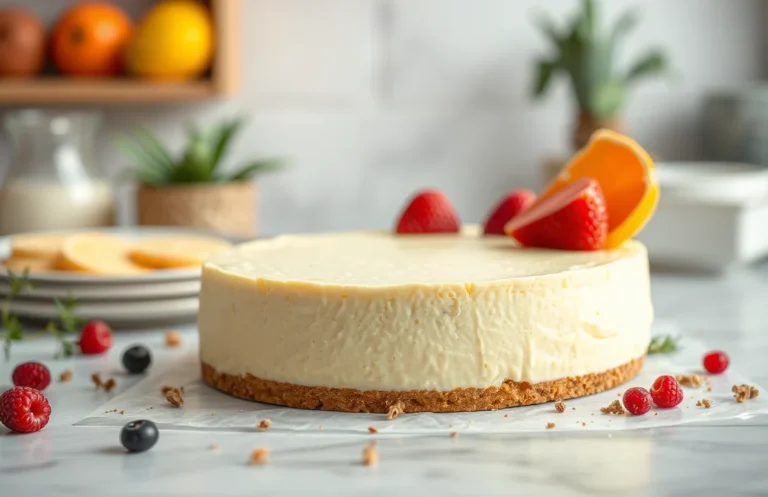
- Top with fresh berries such as strawberries, blueberries, or raspberries for a burst of color and flavor.
Beverage Pairings
Choosing the right beverage can elevate your cheesecake experience. Consider these options:
- Herbal teas like chamomile or peppermint for a soothing complement.
- Freshly squeezed juices such as orange, cranberry, or apple for a fruity contrast.
- Non-alcoholic sparkling water with a slice of lemon or lime for a refreshing palate cleanser.
Garnishing Ideas
Chef’s tip: Use a mix of textures by adding a crunchy element, like crushed graham crackers or nuts, as a topping for added flavor and visual appeal.
- Drizzle with a homemade fruit compote made from safe fruits like strawberries or peaches.
- Add a dollop of whipped cream made from heavy cream for a rich finish.
- Sprinkle with finely grated citrus zest, such as lemon or lime, for a bright, zesty note.
By focusing on safe ingredients and thoughtful presentation, you can enjoy a delicious cheesecake that’s both satisfying and safe during pregnancy.
Quick Summary
| Prep Time | Cook Time | Total Time | Servings |
|---|---|---|---|
| 20 min | 60 min | 1 hr 20 min | 8 |
- Check ingredients: Use pasteurized cream cheese and eggs to ensure safety.
- Preheat oven: Set to 325°F (163°C) for even baking.
- Prepare crust: Combine crushed graham crackers and melted butter, pressing firmly into the pan.
- Bake filling: Pour mixture into crust and bake for 60 minutes until slightly jiggly.
- Cool properly: Let it cool at room temperature before refrigerating for at least 4 hours.
- Tip 1: Avoid unpasteurized dairy to reduce the risk of foodborne illness.
- Tip 2: Use a water bath to prevent cracks in the cheesecake.
Frequently Asked Questions
Can I make this ahead of time? How to store and reheat?
You can absolutely make cheesecake ahead of time! Just store it in the refrigerator, covered, for up to 5 days; it’s best enjoyed cold, so no need to reheat.
What can I substitute for cream cheese?
You can substitute cream cheese with ricotta cheese or mascarpone for a slightly different texture and flavor, but ensure they are pasteurized for safety during pregnancy.
How do I know when it’s done?
Your cheesecake is done when the edges are set and the center still has a slight jiggle; it will firm up as it cools. A toothpick inserted in the center should come out mostly clean, with just a few moist crumbs.
Can I freeze this? How long does it last?
Yes, you can freeze cheesecake for up to 3 months. Wrap it tightly in plastic wrap and aluminum foil to prevent freezer burn, and thaw it in the refrigerator before serving.
Why did my cheesecake turn out cracked?
Cracking often happens due to overmixing or baking at too high a temperature; make sure to mix just until smooth and bake at 325°F (160°C) for even cooking.

- Decadent Peanut Butter No-Bake Cheesecake: Easy Recipe to Indulge - April 3, 2026
- Delicious Mango No-Bake Cheesecake: Step-by-Step Recipe - April 3, 2026
- Decadent Raspberry No-Bake Cheesecake: Easy Step-by-Step Recipe - April 3, 2026