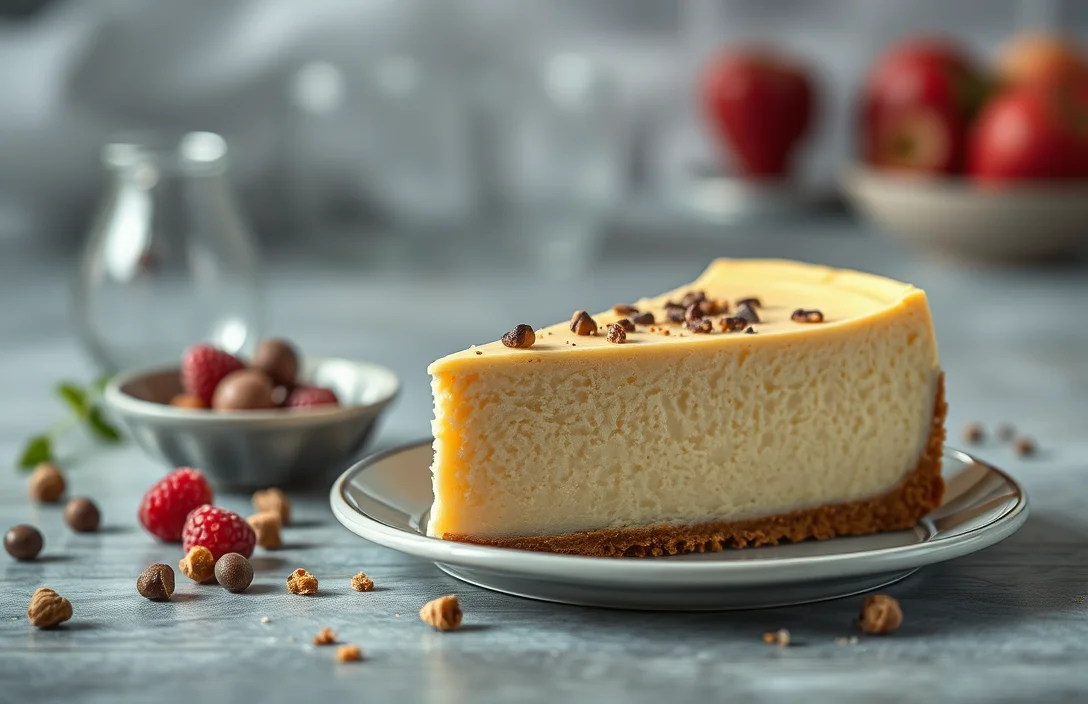
Calorie Count: How Many in a Slice of Cheesecake?
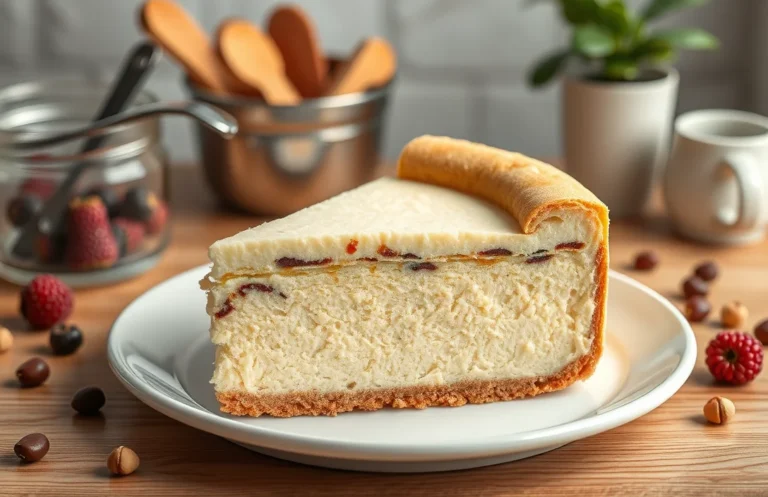
Cheesecake is the ultimate dessert that brings joy to any occasion, whether it’s a cozy weeknight or a festive gathering. The creamy, rich filling against a buttery crust creates a delightful harmony that makes every bite irresistible. Trust me, your taste buds will thank you!
Discover the calorie content in a slice of cheesecake, including variations based on ingredients and portion sizes. You’ll also find healthier cheesecake recipes that don’t compromise on flavor. Total time: 1 hour, Difficulty: Easy, Servings: 8.
| Prep Time | Cook Time | Total Time | Servings | Difficulty |
|---|---|---|---|---|
| 20 minutes | 40 minutes | 1 hour | 8 | Easy |
Cheesecake Origins and Significance
Cheesecake, a delightful dessert enjoyed across various cultures, has a rich history that reflects its significance in culinary traditions. Understanding its origins not only enhances our appreciation for this creamy treat but also provides context for its varying calorie content based on regional adaptations and ingredient choices.
Historical Background
The earliest known cheesecake dates back to ancient Greece, where it was served to athletes during the first Olympic Games in 776 BC. This early version was made from simple ingredients like cheese, flour, and honey.
- In Ancient Rome, cheesecake was adapted with more elaborate recipes, often flavored with fruits and spices.
- The modern cream cheese version we know today emerged in the United States in the late 19th century, thanks to the invention of cream cheese by William Lawrence in 1872.
Cultural Variations
Different cultures have put their own twist on cheesecake, resulting in a variety of flavors and textures that contribute to the overall calorie count:
- New York Style: Dense and rich, typically made with cream cheese, sour cream, and heavy cream.
- Italian Ricotta Cheesecake: Lighter texture using ricotta cheese, often lower in calories.
- Japanese Cotton Cheesecake: Fluffier and airier, often with fewer calories due to the use of meringue.
Chef’s tip: The calorie content can vary significantly depending on the type of cheese and additional ingredients like sugar, crust, and toppings.
Calorie Count for Cheesecake Slice
Understanding the calorie count in a slice of cheesecake is essential for anyone looking to enjoy this delicious dessert while being mindful of their dietary choices. The average calorie content can vary significantly based on the ingredients used, portion size, and type of cheesecake. Here, we’ll break down the typical calorie range and the factors that can influence these numbers.
Average Calories
A standard slice of classic cheesecake, approximately 1/12 of a 9-inch cheesecake, typically contains:
- Regular cheesecake: 250-400 calories
- New York-style cheesecake: 400-600 calories
- No-bake cheesecake: 300-450 calories
- Fruit-topped cheesecake: 300-500 calories
Factors Affecting Calories
Several factors can influence the calorie count in a slice of cheesecake:
- Ingredients: Using full-fat cream cheese versus low-fat or non-fat options can significantly change the calorie content.
- Crust type: A graham cracker crust will generally have fewer calories than a cookie or brownie crust.
- Portion size: Larger slices will naturally contain more calories. Be mindful of serving sizes, especially in restaurants.
- Added toppings: Whipped cream, chocolate sauce, or fruit can increase the calorie count.
Chef’s tip: To reduce calories, consider using a crust made from almond flour or a lower-calorie sweetener in your cheesecake filling.
| Cheesecake Type | Calories per Slice |
|---|---|
| Regular Cheesecake | 250-400 |
| New York-Style Cheesecake | 400-600 |
| No-Bake Cheesecake | 300-450 |
| Fruit-Topped Cheesecake | 300-500 |
Calorie Breakdown by Cheesecake Type
Understanding the calorie content of different types of cheesecake is essential for making informed choices, especially if you’re watching your diet. Each variety brings its unique ingredients and flavors, which can significantly impact the calorie count per slice. Let’s break down the calorie information for three popular types of cheesecake: New York, Chocolate, and Fruit-Topped Cheesecake.
| Cheesecake Type | Calories per Slice (1/12 of 9-inch cheesecake) | Main Ingredients |
|---|---|---|
| New York Cheesecake | 320 calories | Cream cheese, sour cream, sugar, eggs, graham cracker crust |
| Chocolate Cheesecake | 400 calories | Chocolate, cream cheese, sugar, eggs, chocolate cookie crust |
| Fruit-Topped Cheesecake | 280 calories | Cream cheese, sugar, eggs, fruit topping, graham cracker crust |
As you can see, the calorie counts vary significantly. New York Cheesecake is rich and creamy, while Chocolate Cheesecake tends to be higher in calories due to the added chocolate. Fruit-Topped Cheesecake offers a slightly lighter option without sacrificing flavor. Keep the ingredient profile in mind when choosing your cheesecake, and adjust portion sizes accordingly if you’re aiming to manage calorie intake.
Ingredients List with Measurements
This section outlines the essential ingredients needed for a classic cheesecake, along with variations that can impact the calorie content in each slice. Understanding these ingredients helps you make informed choices, especially if you’re looking to adjust the calorie density of your cheesecake.
| Item | Amount/Specification | Notes |
|---|---|---|
| Graham cracker crumbs | 1 ½ cups (150g) | For crust; can substitute with almond flour for a gluten-free option. |
| Granulated sugar | ½ cup (100g) | Can reduce for lower calories or use a sugar substitute. |
| Unsalted butter | ½ cup (113g) | Melted; can use coconut oil for a dairy-free version. |
| Cream cheese | 2 (8-ounce) packages (450g) | Full-fat gives a richer taste; low-fat can be used for fewer calories. |
| Sour cream | 1 cup (240g) | Can substitute with Greek yogurt for a tangy flavor and less fat. |
| Vanilla extract | 1 teaspoon | Adds flavor; use pure vanilla for the best taste. |
| Eggs | 3 large | Room temperature for better mixing; can substitute with flax eggs for a vegan option. |
- Tip: For a lighter cheesecake, consider using low-fat cream cheese and sour cream. This can significantly lower the calorie count per slice.
- Common Mistake: Avoid overmixing after adding eggs, as this can lead to cracks in the finished cheesecake.
- Pro Tip: Let the cheesecake cool in the oven with the door slightly ajar to prevent cracking.
Essential Kitchen Equipment
To craft a delicious cheesecake while keeping track of its calorie content, having the right kitchen tools is essential. This section outlines the must-have equipment and preparation steps that will help ensure your cheesecake turns out perfectly every time.
- Springform Pan: A 9-inch (23 cm) springform pan is crucial for baking cheesecake. Its removable sides allow easy release of the cheesecake without damaging it. Make sure to line the bottom with parchment paper for extra protection against sticking.
- Mixing Bowls: You will need two mixing bowls—one large for the cream cheese mixture (at least 4 quarts) and a smaller one for the crust ingredients. Ensure the large bowl is deep enough to accommodate all the ingredients without spilling.
- Electric Mixer: A handheld or stand mixer is ideal for blending the cream cheese until smooth. Mix on medium speed for about 3-5 minutes until the mixture is creamy and free of lumps. This step is crucial for a smooth cheesecake texture.
- Rubber Spatula: A rubber spatula is perfect for folding in ingredients without deflating the mixture. Use it to scrape down the sides of the bowl to ensure everything is well incorporated.
- Measuring Cups and Spoons: Accurate measurements are key to controlling the calorie content in your cheesecake. Use dry measuring cups for solids and liquid measuring cups for liquids to ensure precise amounts.
- Food Processor: A food processor can make quick work of crushing graham crackers for the crust. Pulse until you achieve a fine crumb texture, which should resemble sand.
- Oven Thermometer: An oven thermometer ensures your oven is at the correct temperature (usually 325°F or 160°C for cheesecake). Overbaking can increase calorie density, so accuracy is vital.
- Cooling Rack: Once baked, place the cheesecake on a cooling rack to cool down gradually. This helps prevent cracks on the surface as it cools and can also affect the final calorie count if it’s not allowed to set properly.
Step-by-Step Cooking Instructions
In this section, we’ll break down the essential steps to create your cheesecake, focusing on the crust, filling, and the baking process. Each phase is crucial not only for flavor but also for managing the calorie content in each slice, depending on your ingredient choices.
- Prepping the Crust: Start by preheating your oven to 350°F (175°C). In a mixing bowl, combine 1 ½ cups of graham cracker crumbs (150g) with ⅓ cup of granulated sugar (67g) and ½ cup of melted unsalted butter (115g). Press this mixture firmly into the bottom of a 9-inch springform pan to form an even layer. Bake for 10 minutes until lightly golden and fragrant.
- Making the Filling: While the crust cools, beat together 16 ounces (450g) of cream cheese at room temperature in a large bowl until smooth, about 2-3 minutes. Gradually add 1 cup (200g) of granulated sugar and 1 teaspoon of vanilla extract, mixing well. Then, add 3 large eggs, one at a time, mixing just until incorporated. The filling should be creamy and slightly thick at this stage.
- Baking and Cooling: Pour the filling over the cooled crust, spreading it evenly. Bake in the preheated oven for 55-60 minutes. The edges should be set, while the center remains slightly jiggly. Turn off the oven and leave the cheesecake inside for another hour to cool gradually, which helps prevent cracks. Remove from the oven and let it cool to room temperature before refrigerating for at least 4 hours or overnight. The cheesecake should feel firm but slightly soft to the touch when done.
Chef’s tip: If you notice cracks forming during baking, you can cover the cheesecake with a sour cream topping after it cools to add moisture and flavor.
Tips to Lower Cheesecake Calories
Lowering the calorie content of cheesecake can be both delicious and satisfying. By making some smart ingredient substitutions and practicing portion control, you can enjoy this creamy dessert without the guilt. Here are some practical tips to help you enjoy lighter slices of cheesecake.
Ingredient Substitutions
- Use low-fat cream cheese: Substitute regular cream cheese with 1 cup of low-fat cream cheese (225g) to cut calories without sacrificing texture. You’ll still get that rich flavor, but with fewer calories.
- Replace sugar with natural sweeteners: For a healthier option, use ½ cup (100g) of honey or agave syrup instead of sugar. These alternatives often have a lower glycemic index, which can be better for blood sugar levels.
- Opt for Greek yogurt: Incorporate 1 cup (240g) of plain Greek yogurt in place of sour cream or additional cream cheese. This adds creaminess while providing protein and reducing fat content.
- Choose a nut crust: Instead of a traditional graham cracker crust, use finely ground nuts (like almonds or walnuts) mixed with 2 tablespoons (30g) of coconut oil. This reduces calories and adds healthy fats.
Portion Control
- Serve smaller slices: Instead of cutting 12 slices from a standard 9-inch (23cm) cheesecake, aim for 16 smaller slices. This way, each slice can be around 200 calories instead of 300.
- Use mini cheesecake pans: Baking in mini cheesecake pans allows for individual servings that are easier to manage. Each mini cheesecake typically has fewer calories and feels more like a treat.
- Pair with fruit: Serve cheesecake with a side of fresh berries or a fruit compote instead of heavy sauces. This adds flavor and texture while keeping the overall calorie count lower.
Healthier Cheesecake Recipes
Exploring healthier cheesecake options can help satisfy your sweet cravings without the guilt. Below, I will share a couple of delicious recipes: a low-calorie cheesecake and a vegan cheesecake, each with their calorie content, so you can enjoy cheesecake while keeping an eye on your intake.
Low-Calorie Cheesecake
This low-calorie cheesecake uses Greek yogurt and reduced-fat cream cheese to cut down on calories while still delivering a creamy texture. Here’s how to make it:
- 1 cup graham cracker crumbs (100g)
- 2 tablespoons unsalted butter, melted (30g)
- 1 cup reduced-fat cream cheese (240g)
- 1 cup plain Greek yogurt (240g)
- ½ cup granulated sugar (100g)
- 2 large eggs
- 1 teaspoon vanilla extract
- Preheat your oven to 325°F (160°C). Grease a 9-inch springform pan.
- In a medium bowl, mix the graham cracker crumbs and melted butter until combined. Press the mixture firmly into the bottom of the pan.
- In a large bowl, beat the cream cheese until smooth. Add Greek yogurt, sugar, eggs, and vanilla extract; mix until creamy and well-combined.
- Pour the filling over the crust and smooth the top. Bake for 40-45 minutes until the edges are set but the center is slightly jiggly.
- Let it cool at room temperature, then refrigerate for at least 4 hours before serving.
Calories per slice (1/12 of cake): Approximately 150 calories.
Vegan Cheesecake
This vegan cheesecake is made with cashews, making it a great dairy-free alternative. It’s rich, creamy, and utterly satisfying.
- 1 ½ cups raw cashews, soaked for 4 hours (225g)
- ½ cup maple syrup (120ml)
- ⅓ cup coconut oil, melted (80ml)
- 1 teaspoon vanilla extract
- 1 tablespoon lemon juice
- 1 cup almond flour (100g)
- 2 tablespoons coconut sugar (30g)
- Preheat your oven to 350°F (175°C) and grease a 9-inch round pan.
- In a food processor, blend the soaked cashews, maple syrup, coconut oil, vanilla extract, and lemon juice until smooth.
- In a separate bowl, mix almond flour and coconut sugar, then press it into the bottom of the prepared pan.
- Pour the cashew mixture over the crust and spread evenly. Bake for 30 minutes until the edges are firm.
- Allow it to cool, then refrigerate for at least 2 hours before serving.
Calories per slice (1/12 of cake): Approximately 180 calories.
Chef’s tip: For a fruity twist, top with fresh berries or a fruit compote!
Enjoy these delicious cheesecake variations while keeping an eye on your calorie intake! They offer a delightful alternative without compromising on flavor.
Quick Summary
| Prep Time | Cook Time | Total Time | Servings |
|---|---|---|---|
| 15 minutes | 60 minutes | 1 hour 15 minutes | 8 slices |
- Check calories: A typical slice of cheesecake has about 250-400 calories.
- Use room temperature ingredients: This ensures a smooth batter without lumps.
- Pre-bake the crust: Bake for 10 minutes at 350°F (175°C) for added crunch.
- Cool gradually: Let the cheesecake cool in the oven to prevent cracking.
- Chill before slicing: Refrigerate for at least 4 hours for best texture.
Frequently Asked Questions
Can I make this cheesecake ahead of time? How to store and reheat?
You can absolutely make this cheesecake up to 2 days in advance. Store it in the refrigerator, covered tightly with plastic wrap, and serve it chilled; there’s no need to reheat!
What can I substitute for cream cheese?
You can use mascarpone or ricotta cheese as a substitute for cream cheese, but keep in mind that this may slightly alter the texture and flavor. For a lower-calorie option, try using Greek yogurt, which can work well in a pinch.
How do I know when it’s done?
Your cheesecake is done when the edges are set but the center still has a slight jiggle, typically after about 50-60 minutes at 325°F (163°C). It will continue to firm up as it cools, so don’t overbake!
Can I freeze this cheesecake? How long does it last?
Yes, you can freeze cheesecake! Wrap it tightly in plastic wrap and aluminum foil, and it will last for up to 2-3 months in the freezer.
What if I don’t have a springform pan?
If you don’t have a springform pan, you can use a regular round cake pan, just be sure to line it with parchment paper for easy removal. Let it cool completely before attempting to take it out to avoid breaking the cheesecake!

- Decadent Peanut Butter No-Bake Cheesecake: Easy Recipe to Indulge - April 3, 2026
- Delicious Mango No-Bake Cheesecake: Step-by-Step Recipe - April 3, 2026
- Decadent Raspberry No-Bake Cheesecake: Easy Step-by-Step Recipe - April 3, 2026