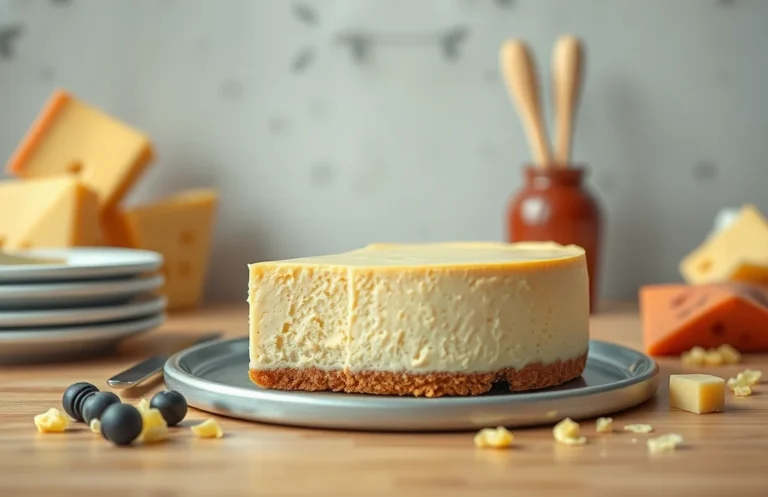
Do You Need to Bake Cheesecake? Explore 5 Easy Methods
Cheesecake is one of those desserts that never fails to impress, whether it’s for a holiday gathering or a cozy weeknight treat. Its creamy texture and rich flavor make it the ultimate comfort food that brings everyone together. Picture a slice adorned with fresh berries or drizzled with chocolate—irresistible!
Key details: This guide covers both baked and no-bake cheesecakes, with total time of 4 hours (including chilling), difficulty level of easy, and servings for 8.
| Prep Time | Cook Time | Total Time | Servings | Difficulty |
|---|---|---|---|---|
| 20 minutes | 60 minutes for baked | 4 hours | 8 | Easy |
Cheesecake Origins and Significance
Cheesecake has a rich history and cultural significance that dates back to ancient Greece. This delightful dessert has evolved through the centuries, giving rise to various styles, including baked and no-bake versions. Understanding its origins helps to appreciate the diverse methods of preparation and the special occasions for which it’s often served.
- Ancient Greece: The earliest known cheesecake recipe can be traced back to the Greek island of Samos, where it was made with simple ingredients like cheese, flour, and honey. It was served to athletes during the first Olympic Games in 776 BC.
- Roman Influence: The Romans adapted the Greek recipe, adding additional flavors and ingredients, and spread it throughout Europe.
- Modern Variations: Today, cheesecakes come in numerous varieties, including the rich and creamy New York style, the lighter Italian version, and the ever-popular no-bake varieties.
“Cheesecake is not just a dessert; it’s a celebration of flavors and textures that brings people together.”
Cheesecake is often served at special occasions such as birthdays, weddings, and holidays, making it a beloved choice for celebrations. The choice between baked and no-bake cheesecake can depend on personal preference, the occasion, and the desired texture. Baked cheesecakes tend to be denser and creamier, while no-bake versions are lighter and often quicker to prepare.
| Cheesecake Type | Cooking Method | Texture |
|---|---|---|
| Baked Cheesecake | Oven-baked at 325°F (163°C) | Rich and dense |
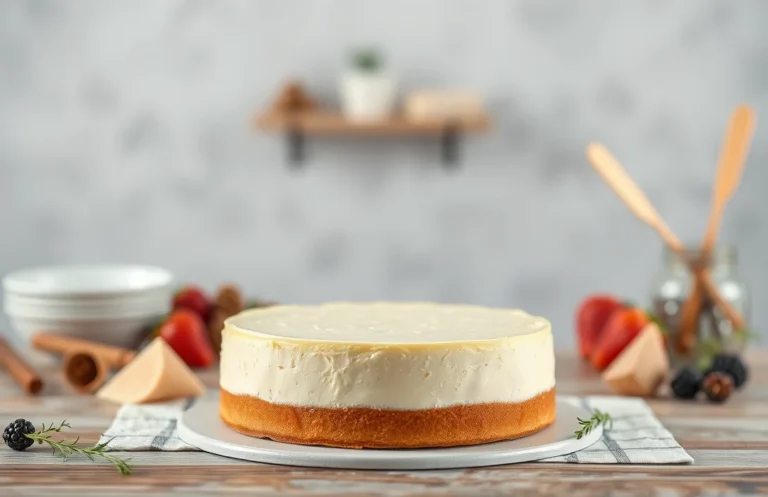
| No-Bake Cheesecake | Chilled in the refrigerator | Light and fluffy |
Ingredients for Cheesecake Types
Understanding the ingredients for both baked and no-bake cheesecakes is essential for achieving that perfect creamy texture and rich flavor. Each method requires specific ingredients, and knowing how they differ can help you choose the right cheesecake for your occasion.
| Item | Amount/Specification | Notes |
|---|---|---|
| Graham cracker crumbs | 1 ½ cups (150g) | For crust; can substitute with digestive biscuits. |
| Granulated sugar | ¾ cup (150g) | Adjust to taste; necessary for sweetness in both types. |
| Unsalted butter | ½ cup (113g), melted | For binding crust; can use coconut oil for dairy-free. |
| Cream cheese | 16 oz (450g) | Room temperature for easy mixing; key ingredient for filling. |
| Sour cream | 1 cup (240g) | Adds creaminess and tang; can substitute with Greek yogurt. |
| Vanilla extract | 1 teaspoon (5ml) | Enhances flavor; use pure extract for best results. |
| Eggs | 3 large | For baked cheesecake; helps set the filling. |
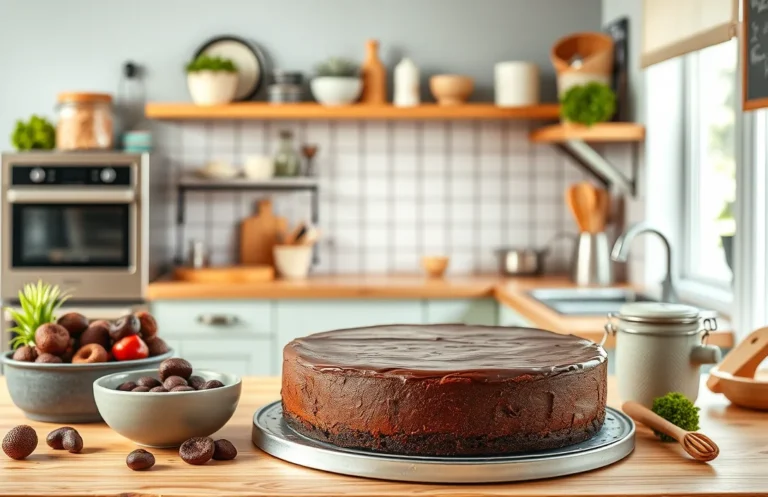
- Tip: For a chocolate cheesecake, add ½ cup (50g) cocoa powder to the filling.
- Tip: If using low-fat cream cheese, the texture may be less creamy.
- Tip: Avoid overmixing the batter to prevent cracks in baked cheesecake.
Essential Kitchen Equipment
To create the perfect cheesecake, whether baked or no-bake, having the right equipment on hand is essential. Each method requires specific tools to ensure your cheesecake turns out just right, both in texture and flavor. Below is a list of must-have kitchen equipment to get started.
- Springform Pan: A 9-inch (23 cm) springform pan is ideal for baked cheesecakes. This type of pan allows you to easily remove the cheesecake without damaging it.
- Mixing Bowls: A set of mixing bowls in various sizes will be beneficial. Use a large bowl for mixing the cream cheese and sugar, and a smaller one for any additional ingredients like eggs or flavoring.
- Electric Mixer: A hand mixer or stand mixer will make it easier to achieve a smooth and creamy texture. Beat the cream cheese until it’s soft and fluffy, about 2-3 minutes on medium speed.
- Spatula: A silicone spatula is perfect for folding in ingredients gently, especially if you’re making a no-bake cheesecake that includes whipped cream.
- Measuring Cups and Spoons: Accurate measurements are crucial for baking. Have a set ready to measure ingredients like sugar, flour, and butter precisely.
- Oven Thermometer: If you’re baking your cheesecake, an oven thermometer ensures your oven is at the correct temperature of 325°F (163°C). This prevents overbaking.
- Food Processor: If you’re making a crust from scratch, a food processor can quickly crush graham crackers or cookies into fine crumbs.
- Cooling Rack: After baking, transfer your cheesecake to a cooling rack to prevent condensation and ensure even cooling.
Step-by-Step Baking Instructions
Baking a cheesecake can seem daunting, but with the right steps, you can achieve that creamy, velvety texture that makes it so special. Here’s a straightforward guide to baking a classic cheesecake, ensuring you know exactly what to expect at each stage.
- Ingredients for the Crust:
- 1 ½ cups graham cracker crumbs (150g)
- ½ cup unsalted butter, melted (115g)
- 2 tablespoons granulated sugar (25g)
- Ingredients for the Filling:
- 4 (8 oz) packages cream cheese, softened (900g)
- 1 cup granulated sugar (200g)
- 1 teaspoon vanilla extract
- 4 large eggs
- 1 cup sour cream (240g)
- Preheat your oven to 325°F (160°C). This temperature allows the cheesecake to cook evenly without cracking. Ensure your oven is fully preheated before placing the cheesecake inside for consistent results.
- Prepare the crust by mixing the graham cracker crumbs, melted butter, and sugar in a medium bowl. Press this mixture firmly into the bottom of a 9-inch (23cm) springform pan. Bake for 10 minutes until lightly browned and fragrant; it should feel firm to the touch.
- Make the filling by beating the softened cream cheese in a large bowl until smooth. Gradually mix in the sugar, followed by the vanilla. Ensure there are no lumps; the mixture should be creamy and glossy.
- Incorporate the eggs one at a time into the cream cheese mixture, mixing on low speed. After each addition, scrape down the sides of the bowl. The batter should be smooth and well combined, without any visible egg streaks.
- Fold in the sour cream gently with a spatula. This adds richness and moisture to the cheesecake. The final batter should be thick, smooth, and slightly glossy.
- Pour the filling into the prepared crust, spreading it evenly. Tap the pan gently on the counter to release any air bubbles. The top should be smooth and level.
- Bake the cheesecake for 50-60 minutes. It’s done when the edges are set but the center still has a slight jiggle. This will firm up as it cools. Avoid opening the oven door during the first 30 minutes to prevent cracks.
- Cool the cheesecake in the oven with the door slightly ajar for 1 hour. This gradual cooling helps prevent cracks. Afterward, refrigerate for at least 4 hours or overnight before serving.
Chef’s tip: Run a knife around the edges of the pan before releasing the springform to help avoid cracks.
Pro Tips and Common Mistakes
Understanding the nuances between baked and no-bake cheesecakes can make all the difference in your final product. Here’s a helpful guide to avoid common pitfalls and ensure your cheesecake turns out perfectly every time.
- Choosing the right method: Baked cheesecakes offer a rich, creamy texture that’s hard to beat, but they require more precision in baking. No-bake cheesecakes are easier and faster, but can sometimes lack the depth of flavor. Consider your time and skill level when selecting which type to make.
- Overmixing the batter: When making a baked cheesecake, be careful not to overmix the batter, as this can incorporate too much air. This can lead to cracks in your cheesecake as it bakes. Mix just until the ingredients are combined for a smooth texture.
- Not using room temperature ingredients: Ensure your cream cheese, eggs, and sour cream are at room temperature before mixing. This helps achieve a smoother batter with no lumps. Cold ingredients can create a lumpy texture and uneven baking.
- Skipping the water bath: For baked cheesecakes, using a water bath helps maintain even cooking and prevents cracking. Wrap your springform pan in aluminum foil and place it in a larger pan filled with hot water to create a gentle baking environment.
- Rushing the cooling process: After baking, let your cheesecake cool gradually in the oven with the door ajar for an hour. Then refrigerate it for at least 4-6 hours, preferably overnight. Cutting it too soon can lead to a messy slice.
Cheesecake Variations and Modifications
When it comes to making cheesecake, you have options! Understanding the differences between baked and no-bake cheesecake methods can help you choose the right one for your occasion, dietary needs, or simply your mood. Each method has its own set of variations and substitutions that can elevate your cheesecake experience.
Baked Cheesecake Variations
Baked cheesecakes are rich and creamy, typically requiring an oven. Here are some popular variations:
- Classic New York Style: Incorporate 1 tablespoon of lemon juice for brightness.
- Chocolate Swirl: Melt 4 ounces of semi-sweet chocolate and fold it into the batter before baking.
- Fruit Topped: Bake plain and top with a fresh fruit compote after cooling.
No-Bake Cheesecake Modifications
No-bake cheesecakes are quick and easy, relying on chilling instead of baking. Consider these delicious options:
- Vegan No-Bake: Substitute cream cheese with 1 cup of soaked cashews and use coconut cream for a rich texture.
- Gluten-Free: Use almond flour or gluten-free graham crackers for the crust.
- Chocolate No-Bake: Add ¼ cup of cocoa powder to the filling for a chocolate twist.
Chef’s tip: For a successful no-bake cheesecake, ensure your cream cheese is at room temperature for easy mixing and a smooth texture.
| Ingredient | Baked Cheesecake | No-Bake Cheesecake |
|---|---|---|
| Cream Cheese | 16 ounces | 16 ounces |
| Sugar | 1 cup | ¾ cup |
| Eggs | 3 large | N/A |
Whichever method you choose, keep in mind that the texture and flavor can vary significantly. Baked cheesecakes are firm and dense, while no-bake versions are light and airy. Experiment with flavors and ingredients to create your perfect cheesecake!
Serving and Plating Suggestions
Serving and plating your cheesecake is just as important as making it. Whether you choose a baked or no-bake version, beautiful presentation can elevate the dessert experience. Here are some tips on how to serve and pair your cheesecake for maximum enjoyment.
- Chill before serving: Always chill your cheesecake for at least 4 hours, preferably overnight. This helps it set properly and enhances the flavors. A well-chilled cheesecake will have a firm texture and be easier to slice.
- Slice with a warm knife: To achieve clean slices, dip a sharp knife in hot water, wipe it dry, and cut through the cheesecake. Repeat this process for each slice for a polished look. The warm knife melts through the cheesecake, preventing cracks and crumbles.
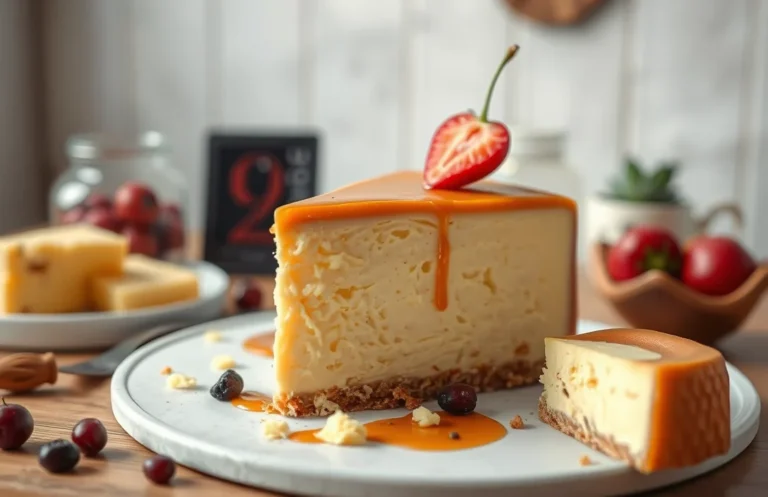
- Garnish creatively: Top your cheesecake with fresh fruit, chocolate shavings, or whipped cream. For a baked cheesecake, a simple drizzle of caramel or chocolate sauce adds elegance. No-bake cheesecakes pair beautifully with berry compotes or citrus glazes.
- Serve with accompaniments: Consider pairing your cheesecake with a side of fresh berries, a scoop of ice cream, or a dollop of whipped cream. These additions can enhance the flavor and give a nice contrast in texture.
- Use decorative plates: Serving on a decorative plate can add a special touch. Choose colors that complement the cheesecake. For example, a white plate highlights the color of the cheesecake and any toppings.
Quick Summary
| Prep Time | 20 minutes |
|---|---|
| Cook Time | 60 minutes |
| Total Time | 1 hour 20 minutes |
| Servings | 8 |
- Bake or No Bake: Cheesecake can be baked or prepared as a no-bake version.
- Temperature: Bake at 325°F (163°C) for a creamy texture.
- Rest Time: Allow cheesecake to cool for at least 4 hours in the fridge.
- Water Bath: Use a water bath to prevent cracking on baked cheesecakes.
- Fresh Ingredients: Use room temperature cream cheese for a smooth batter.
- Tip: Avoid overmixing to prevent air bubbles in the batter.
- Tip: For a firmer texture, chill overnight before serving.
Frequently Asked Questions
Can I make this ahead of time? How to store and reheat?
You can absolutely make cheesecake ahead of time! Store it in the refrigerator, covered tightly with plastic wrap, for up to 5 days and enjoy it chilled, as reheating is not recommended.
What can I substitute for cream cheese?
If you’re looking for a substitute, you can use mascarpone cheese or a vegan cream cheese alternative for a similar texture and flavor, keeping in mind that the taste might vary slightly.
How do I know when it’s done?
Your cheesecake is done when the edges are set but the center still has a slight jiggle, indicating it’s not overbaked. It will firm up as it cools, so don’t worry if it seems a bit soft initially!
Can I freeze this? How long does it last?
Yes, you can freeze cheesecake wrapped tightly in plastic wrap and then in aluminum foil for up to 3 months. Thaw it overnight in the refrigerator before serving for the best texture.
What if I don’t have a springform pan?
If you don’t have a springform pan, you can use a regular round cake pan, just remember to line it with parchment paper for easy removal after baking. It may be a bit trickier to serve, but it will still work well!

- 10 Best Knife For Indian Kitchen 2026 - September 12, 2026
- 10 Best Knife For Ice Cream Cake 2026 - September 12, 2026
- 10 Best Knife For Imperial Plaid Gloves 2026 - September 12, 2026