10 Delicious Caramel Recipes: Sauces, Sweets, and Tips for Perfection
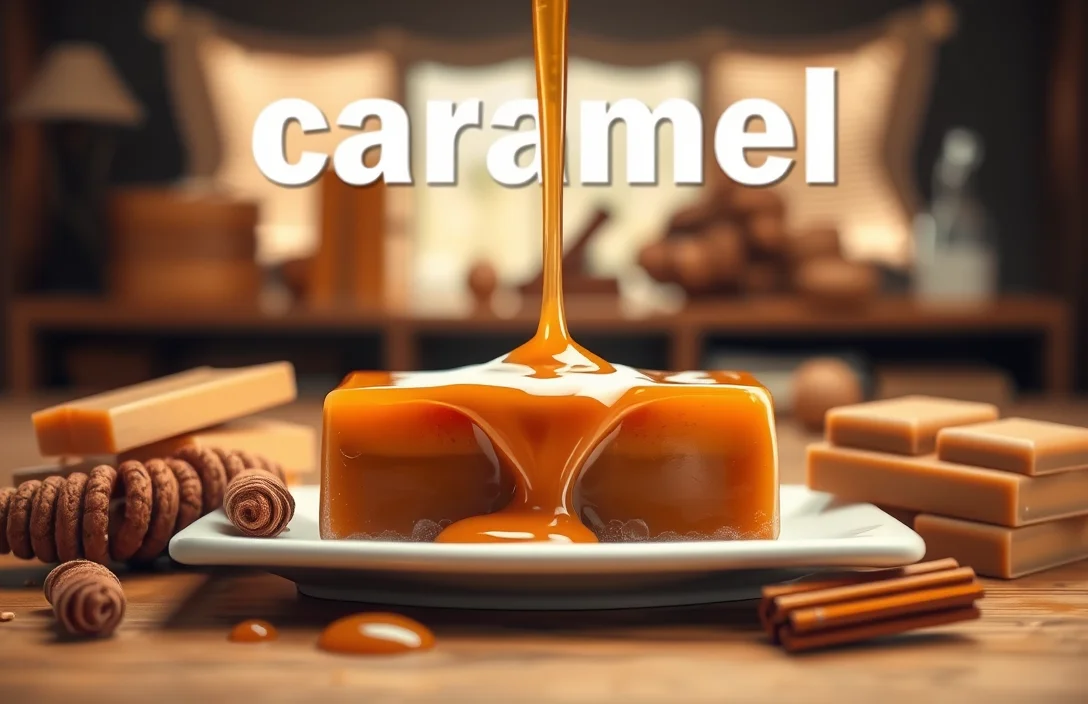
Caramel is one of those magical ingredients that can elevate any dessert from ordinary to extraordinary. With its rich, buttery flavor and smooth texture, homemade caramel can transform ice cream, brownies, or even just a piece of fruit into a decadent treat that will have everyone coming back for more.
In this guide, you’ll discover three reliable caramel recipes: classic caramel sauce, salted caramel, and chewy caramels. Each recipe is designed with exact measurements, cooking times, and troubleshooting tips to help you achieve perfect results every time.
| Prep Time | 10 minutes |
|---|---|
| Cook Time | 15 minutes |
| Total Time | 25 minutes |
| Servings | 12 |
| Difficulty | Medium |
History of Caramel
The history of caramel is rich and flavorful, much like the treat itself. Understanding its origins and significance can enhance your appreciation for this sweet delight, which has evolved into a staple in desserts worldwide.
- Origin of Caramel: Caramel dates back to the early 17th century, when sugar was first refined in Europe. The term “caramel” is derived from the Latin word “canna,” meaning sugar cane. Early recipes involved heating sugar to create a sweet, amber syrup, which was then used in various confections.
- Cultural Significance: Caramel has found its way into numerous cultures, often symbolizing indulgence and celebration. From the rich, buttery caramel sauces of French patisserie to the chewy caramels enjoyed in the United States, this sweet treat is integral to many traditional desserts and festive occasions.
- When to Serve Caramel: Caramel is incredibly versatile and can be served at any time. It’s perfect as a topping for ice creams, drizzled over cakes, or as a filling in candies. Many people enjoy it during special celebrations, but it can also be a delightful everyday treat that adds a touch of luxury to any dessert.
Ingredients for Caramel
Understanding the precise ingredients for caramel is crucial for achieving that perfect balance of sweetness and texture. In this section, you’ll find everything you need to create various caramel recipes, from classic caramel sauce to rich soft caramels. Let’s break it down by ingredient types.
| Item | Amount/Specification | Notes |
|---|---|---|
| Granulated Sugar | 1 cup (200g) | Use fine granulated sugar for smooth texture. |
| Brown Sugar | ½ cup (100g) | Light or dark; dark will give a richer flavor. |
| Unsalted Butter | ½ cup (113g) | Room temperature for easy incorporation. |
| Heavy Cream | ½ cup (120ml) | For a creamy texture; can substitute with coconut cream for dairy-free. |
| Salt | 1 teaspoon | Use sea salt for enhancing flavor. |
| Vanilla Extract | 1 teaspoon | Optional; adds depth of flavor. |
- Tip: If using light corn syrup, add ¼ cup to help prevent crystallization.
- Pro Tip: For a deeper flavor, consider using a mix of sugars—like half granulated and half brown sugar.
- Common Mistake: Avoid stirring once the sugar begins to melt; this can cause crystallization.
Essential Kitchen Tools
When making caramel, having the right tools can make a significant difference in achieving the perfect texture and flavor. In this section, I’ll outline the essential equipment you’ll need and provide some prep steps to ensure you’re well-prepared for caramel-making.
- Medium-Sized Saucepan: A medium-sized, heavy-bottomed saucepan (2-3 quarts) is ideal for making caramel. The heavy bottom helps distribute heat evenly, preventing hot spots that can lead to burning. Choose a saucepan with a long handle to allow for safe stirring.
- Thermometer: A candy or instant-read thermometer is essential for monitoring the temperature of your caramel. Aim for a range of 240°F to 250°F (115°C to 120°C) for soft to hard caramels. If you notice the temperature rising too quickly, reduce the heat to avoid burning.
- Silicone Spatula: A heat-resistant silicone spatula is perfect for stirring the sugar and butter without scratching your saucepan. It also allows you to scrape down the sides easily, ensuring that all the sugar dissolves evenly.
- Measuring Cups and Spoons: Accurate measurements are crucial in caramel-making. Use standard measuring cups for liquids, like cream or water, and measuring spoons for precise amounts of ingredients like salt or vanilla extract.
- Heat-Proof Container: Have a heat-proof container ready to pour your caramel into once it reaches the desired consistency. Glass or metal containers work well; just be cautious as they can be very hot.
Chef’s tip: Always have your ingredients pre-measured and at the ready. Caramel can go from perfect to burnt very quickly, so being prepared is key!
Caramel Cooking Steps
This section provides a detailed breakdown of how to make caramel from start to finish, including the essential steps of heating sugar, adding cream, and the cooling process. Each phase is crucial for achieving that perfect texture and rich flavor we all love in caramel.
- Heating Sugar: Begin by measuring out 1 cup (200g) of granulated sugar and placing it in a heavy-bottomed saucepan. Heat the saucepan over medium heat (about 350°F or 175°C), stirring constantly with a silicone spatula. As the sugar heats, it will begin to clump together and then melt into a clear liquid. Watch closely as the sugar changes color to a light amber, which will take about 8-10 minutes. The aroma should be sweet but not burnt.
- Adding Cream: Once the sugar reaches a deep amber color (around 340°F or 170°C), remove it from the heat. Carefully pour in ½ cup (120ml) of heavy cream, whisking continuously to combine. Be cautious; the mixture will bubble vigorously and steam, so keep your face away from the pan. Continue whisking until the cream is fully incorporated and the mixture is smooth. This step should take about 2-3 minutes.
- Cooling Process: Transfer the caramel to a heatproof bowl and let it cool at room temperature for about 30 minutes. As it cools, the caramel will thicken. If you desire a pourable sauce, stop cooling at around 20 minutes. For a thicker consistency, let it cool completely. Store any leftover caramel in an airtight container in the fridge for up to 2 weeks. Reheat gently in the microwave or on the stovetop, adding a splash of cream if necessary.
Chef’s tip: If your caramel crystallizes, add a tablespoon of water and reheat gently while stirring to smooth it out again.
Expert Tips for Perfect Caramel
Making caramel can be a delightful yet daunting task, and understanding the nuances can significantly elevate your results. In this section, I’ll share crucial tips to avoid common pitfalls like graininess and burning, while ensuring you achieve the perfect texture every time.
Avoiding Graininess
Graininess often occurs when sugar crystallizes during the cooking process. Here’s how to prevent it:
- Use a clean, dry pan: Any impurities can cause sugar to crystallize, so make sure your equipment is spotless.
- Add an acid: A few drops of lemon juice or a pinch of cream of tartar can help inhibit crystallization.
- Don’t stir: Once the sugar starts to melt, avoid stirring. Instead, gently swirl the pan if needed.
Preventing Burning
Burnt caramel can ruin your creation. Follow these steps to avoid it:
- Monitor your heat: Keep your burner on medium heat (around 350°F or 175°C). Too high can lead to quick burning.
- Watch closely: Caramel can shift from golden to burnt in seconds. Stay nearby and keep an eye on the color.
- Use a candy thermometer: Aim for a temperature of 350°F (175°C) for a perfect caramel color.
Texture Tips
The desired texture depends on your recipe, but here are some general guidelines:
| Type of Caramel | Temperature | Texture |
|---|---|---|
| Soft Caramel | 245°F (118°C) | Chewy, pliable |
| Hard Caramel | 300°F (150°C) | Crisp, brittle |
| Caramel Sauce | 240°F (115°C) | Thick, pourable |
Chef’s tip: If your caramel seizes or becomes grainy, add a tablespoon of water and reheat gently while stirring until smooth.
Caramel Variations and Substitutions
Caramel can be a versatile treat with endless possibilities to suit various tastes and dietary needs. From indulgent salted caramel to vegan-friendly alternatives, this section will guide you through different types of caramel and how to adapt them for your kitchen.
Salted Caramel Recipe
Salted caramel is a delightful combination of sweet and salty, perfect for desserts or drizzling over treats. Here’s how to make it:
- 1 cup granulated sugar (200g)
- 6 tablespoons unsalted butter (85g), cut into pieces
- ½ cup heavy cream (120ml)
- 1 teaspoon sea salt
- In a medium saucepan, heat the granulated sugar over medium heat. Stir continuously until the sugar melts and turns a deep amber color, about 10 minutes. The sugar should be smooth and fragrant.
- Carefully add the butter, whisking until melted and combined. The mixture will bubble up, so take care!
- Remove from heat and slowly whisk in the heavy cream until smooth. Stir in the sea salt, and let cool slightly. The sauce will thicken as it cools.
Vegan Caramel Options
If you’re looking for a vegan caramel, you can easily swap out dairy ingredients. Here’s a simple recipe:
- 1 cup coconut sugar (200g)
- ½ cup full-fat coconut milk (120ml)
- 1 tablespoon coconut oil (15ml)
- 1 teaspoon vanilla extract
- In a saucepan over medium heat, combine the coconut sugar and coconut milk. Stir until the sugar dissolves, about 5 minutes.
- Add the coconut oil and vanilla extract, whisking until smooth and slightly thickened, about another 5 minutes.
- Remove from heat and let cool before using. This caramel will set as it cools, becoming wonderfully sticky.
Flavor Variations
Want to customize your caramel? Here are a few flavor variations you can try:
- Vanilla: Add 1 teaspoon of vanilla extract to any caramel recipe right after cooking.
- Espresso: Stir in 1 tablespoon of espresso powder for a coffee-flavored kick.
- Chocolate: Mix in ½ cup of cocoa powder after the caramel has cooled slightly for a chocolatey twist.
Chef’s tip: Always keep an eye on the caramel as it cooks; it can go from perfect to burnt in seconds!
Serving and Pairing Caramel
Caramel is a versatile treat that can elevate a variety of desserts and drinks. Knowing how to serve and pair caramel effectively can enhance its rich flavors and create delightful combinations that will impress your guests. Here are some suggestions for plating techniques, dessert combinations, and drink pairings that complement caramel beautifully.
Plating Techniques
- Drizzle: Use a squeeze bottle to create elegant lines or swirls of caramel on your dessert plate for an upscale presentation.
- Layer: Incorporate caramel between layers of cakes or inside pastries for added texture and flavor contrast.
- Dip: Serve soft caramel with apple slices or pretzels for a fun, interactive dessert experience.
Dessert Combinations
- Chocolate Cake with Caramel Drizzle
- Vanilla Ice Cream topped with Warm Salted Caramel
- Pecan Pie served with Caramel Whipped Cream
- Cheesecake with a Caramel Swirl
Drink Pairings
| Drink | Flavor Note |
|---|---|
| Espresso | The bitterness balances the sweetness of caramel. |
| Hot Chocolate | Adds a rich layer of flavor when drizzled on top. |
| Milkshake | Perfect for a sweet, indulgent treat. |
Chef’s tip: A sprinkle of sea salt on caramel desserts enhances the flavor and adds a delightful contrast.
Experiment with these serving suggestions and pairings to find your perfect caramel combination!
Quick Summary
| Prep Time | 5 minutes |
|---|---|
| Cook Time | 10 minutes |
| Total Time | 15 minutes |
| Servings | 1 cup |
- Use a heavy saucepan: Ensures even heat distribution for consistent caramelization.
- Monitor closely: Caramel can go from perfect to burnt in seconds, so don’t walk away!
- Incorporate water initially: This helps to dissolve the sugar evenly before cooking.
- Watch for color change: Aim for a rich amber color for the best flavor.
- Cool before using: Allow caramel to cool slightly for easier handling and pouring.
Frequently Asked Questions
Can I make this ahead of time? How to store and reheat?
You can make caramel ahead of time and store it in an airtight container in the refrigerator for up to two weeks. To reheat, simply warm it gently in the microwave in short intervals or in a saucepan over low heat until it reaches a pourable consistency.
What can I substitute for cream in caramel?
If you need a dairy-free option, you can substitute heavy cream with coconut cream for a similar texture and flavor. Just ensure it’s full-fat coconut cream for the best results.
How do I know when it’s done?
Your caramel is done when it reaches a deep amber color, around 340°F (170°C). Use a candy thermometer for accuracy, and remember that it will continue to cook slightly after you remove it from heat.
Can I freeze this? How long does it last?
You can freeze caramel, and it will last for up to three months in the freezer. Just make sure to store it in a well-sealed container to prevent freezer burn.
Why did my caramel turn out grainy?
If your caramel is grainy, it may have crystallized due to sugar impurities or stirring too much while cooking. Next time, try using a clean wet pastry brush to wash down the sides of the pan to prevent crystals from forming.

- Decadent Peanut Butter No-Bake Cheesecake: Easy Recipe to Indulge - April 3, 2026
- Delicious Mango No-Bake Cheesecake: Step-by-Step Recipe - April 3, 2026
- Decadent Raspberry No-Bake Cheesecake: Easy Step-by-Step Recipe - April 3, 2026