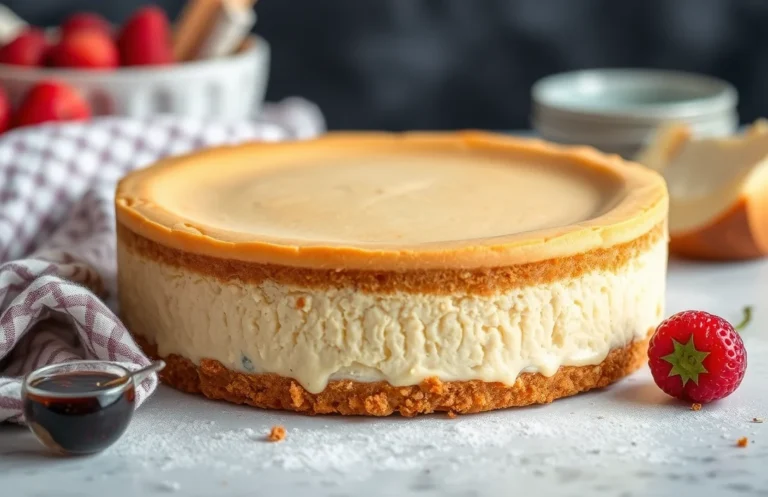
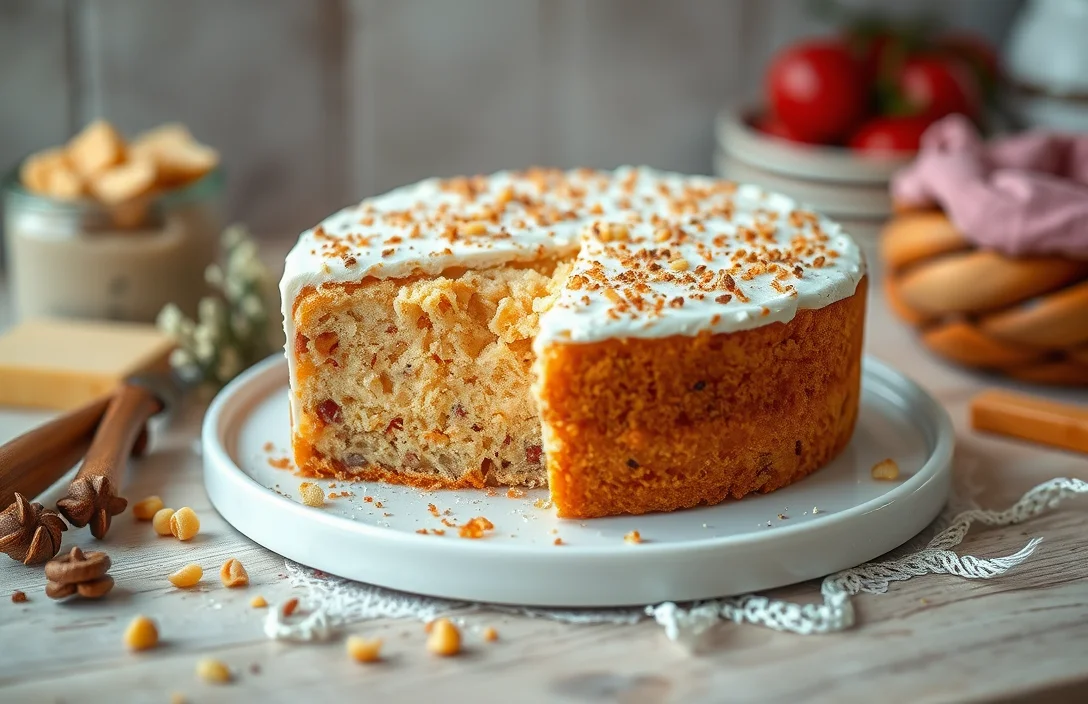
Decadent Cheesecake Recipes: Indulgent Flavors to Savor
Rich, creamy, and utterly indulgent, gluttonous cheesecake is the dessert that makes any occasion feel special. It’s the kind of treat that turns a simple weeknight into a celebration or brings everyone together at a gathering. Picture a velvety cheesecake with a buttery crust, topped with luscious fruits or drizzled with chocolate – it’s pure bliss on a plate!
This article features 5 decadent cheesecake recipes that will satisfy your cravings. Each recipe includes exact measurements, clear instructions, and helpful tips to ensure perfect results every time. Expect total times of 60-90 minutes with varying levels of difficulty, and each recipe serves 8-10 people.
| Prep Time | Cook Time | Total Time | Servings | Difficulty |
|---|---|---|---|---|
| 20 minutes | 40-70 minutes | 60-90 minutes | 8-10 | Easy to Moderate |
Indulgent Cheesecake Origins
Cheesecake has a rich and delicious history, particularly in its more indulgent variations that cater to those with a penchant for gluttony. These decadent desserts have evolved over centuries, with each culture adding its unique twist, making them a staple for special occasions and celebrations.
Cultural Significance
From the ancient Greeks to modern-day bakers, cheesecake has been embraced across cultures, symbolizing culinary creativity and indulgence. Here are a few key highlights:
- Ancient Greece: The earliest known cheesecake was made with simple ingredients like cheese, honey, and flour, served to athletes during the Olympic games.
- Roman Influence: Romans adapted the Greek recipe, incorporating eggs and baking the mixture, laying the groundwork for modern cheesecakes.
- New York Style: By the 20th century, the creamy and rich New York-style cheesecake became a hallmark of indulgence, featuring cream cheese, heavy cream, and a buttery graham cracker crust.
Special Occasions
Indulgent cheesecakes often take center stage during celebrations, serving as a decadent treat that brings people together. Commonly featured at:
- Birthdays: A beloved choice for a sweet birthday surprise, often customized with favorite flavors like chocolate or fruit.
- Weddings: Multi-tiered cheesecakes have become a popular wedding cake alternative, offering a unique flavor experience.
- Holidays: Many families include cheesecake in their holiday traditions, from Thanksgiving to Christmas, as a rich, comforting dessert.
Celebrating with cheesecake is not just about the taste; it’s about the shared joy it brings to gatherings.
Ingredients for Rich Cheesecake
This section outlines the specific ingredients you’ll need to create a rich and indulgent cheesecake that will satisfy any sweet tooth. Each ingredient plays a crucial role in achieving that creamy texture and decadent flavor, making it essential to use the right amounts and types.
| Item | Amount/Specification | Notes |
|---|---|---|
| Cream Cheese | 24 ounces (680g) | Softened at room temperature for easy mixing |
| Sugar (Granulated) | 1 cup (200g) | Adds sweetness and helps with smoothness |
| Sugar (Brown) | ½ cup (100g) | For added depth of flavor |
| Sour Cream | 1 cup (240g) | Enhances creaminess and tanginess |
| Vanilla Extract | 1 tablespoon (15ml) | For classic flavor |
| Eggs | 4 large | Room temperature for better emulsification |
| Graham Cracker Crumbs | 1½ cups (150g) | For the crust, can substitute with gluten-free crumbs |
| Unsalted Butter | ½ cup (113g) | Melted, for binding crust ingredients |
- For a richer flavor, consider using cream cheese with a higher fat content.
- If you’re avoiding gluten, substitute the graham cracker crumbs with almond flour or gluten-free cookie crumbs.
- Make sure to soften the cream cheese and eggs beforehand; this helps achieve a smooth batter without lumps.
- Keep an eye on the sugar levels; you can adjust to taste, but too much can cause cracks in the cheesecake.
Essential Kitchen Tools
Preparing a rich and indulgent cheesecake requires the right tools to ensure a smooth process and a delicious outcome. Having the correct mixing tools and baking pans is essential for achieving that perfect creamy texture and a beautifully baked crust.
Mixing Tools
- Mixing Bowl: Use a large mixing bowl (at least 4-quart capacity) for combining your cheesecake ingredients. Glass or stainless steel works best as they resist heat and do not react with acidic ingredients like cream cheese.
- Electric Mixer: A stand mixer or handheld electric mixer is crucial for achieving a smooth and creamy batter. Mix on low to medium speed to avoid incorporating too much air, which can cause cracks during baking.
- Spatula: A silicone spatula is ideal for folding in ingredients gently, especially when incorporating whipped cream or sour cream into the batter. This ensures a light texture without overmixing.
Baking Pan Options
- Springform Pan: A 9-inch springform pan is perfect for cheesecakes, allowing for easy removal after baking. Ensure to line the bottom with parchment paper for easier release.
- Baking Sheet: Place your springform pan on a baking sheet to catch any potential drips during the baking process. This also helps with even heat distribution.
- Aluminum Foil: Use heavy-duty aluminum foil to wrap the outside of the springform pan to prevent water from seeping in if you are using a water bath. Make sure to seal it tightly to avoid any leaks.
Step-by-Step Baking Instructions
In this section, we’ll guide you through the detailed process of preparing your indulgent cheesecake, focusing on the crust, filling, and baking times. Each step is crucial for achieving that rich and creamy texture that makes cheesecake a beloved dessert.
- Crust Preparation: Preheat your oven to 350°F (175°C). In a mixing bowl, combine 1 ½ cups (150g) of graham cracker crumbs, ⅓ cup (65g) of granulated sugar, and ½ cup (115g) of melted unsalted butter. Mix until the crumbs are evenly coated and resemble wet sand. Press the mixture firmly into the bottom of a 9-inch (23 cm) springform pan, using the bottom of a measuring cup for an even layer. Bake for 10 minutes until set and slightly golden, then let it cool while you prepare the filling.
- Filling Preparation: In a large mixing bowl, beat 24 ounces (680g) of cream cheese at room temperature until smooth and creamy, about 3-4 minutes. Gradually add 1 cup (200g) of granulated sugar and continue mixing until fully incorporated. Scrape down the sides of the bowl, then add 3 large eggs, one at a time, mixing just until combined. Finally, mix in 1 teaspoon of vanilla extract and ¼ cup (60ml) of sour cream for extra richness, ensuring a smooth and luxurious texture.
- Baking Time: Pour the cheesecake filling over the cooled crust and spread it evenly. Bake in the preheated oven for 50-60 minutes. The edges should look set, while the center may have a slight jiggle. Once done, turn off the oven and crack the door open, letting the cheesecake cool slowly for 1 hour. This helps to prevent cracking. Remove it from the oven and refrigerate for at least 4 hours, preferably overnight, before serving.
Chef’s tip: For a perfectly creamy cheesecake, ensure all your ingredients are at room temperature before mixing.
Pro Tips for Cheesecake Success
Creating a rich and indulgent cheesecake can be a rewarding experience, but there are common pitfalls that can lead to a less-than-perfect dessert. This section shares essential tips on avoiding cracks and mastering cooling techniques to ensure your cheesecake emerges beautifully every time.
Avoiding Cracks
Cracks in your cheesecake can be disheartening, but with a few careful steps, you can keep your filling smooth and flawless:
- Use room temperature ingredients: Ensure that your cream cheese (16 oz or 450g) is softened before mixing. Cold ingredients can create lumps and result in uneven baking.
- Mix gently: When blending your batter, use a low speed on your mixer to avoid incorporating too much air. Overmixing can lead to cracks as the cheesecake rises and then falls.
- Water bath method: Baking your cheesecake in a water bath helps regulate temperature and moisture. Wrap the outside of your springform pan with aluminum foil to prevent water from seeping in, and place it in a larger pan filled with hot water.
Chef’s tip: If you do see cracks forming, don’t panic! A delicious topping of whipped cream or fruit can easily cover them up.
Proper cooling is crucial for the texture and integrity of your cheesecake:
- Gradual cooling: After baking, turn off the oven and crack the door open. Let the cheesecake cool in the oven for about 1 hour. This gradual change in temperature helps prevent cracking.
- Chill in the fridge: Once at room temperature, cover the cheesecake and refrigerate for at least 4 hours, preferably overnight. This will help it set properly and develop a rich flavor.
Remember, patience is key! Rushing the cooling process may result in a cheesecake that doesn’t hold its shape. Enjoy the anticipation as it sets perfectly!
Cheesecake Variations and Modifications
Exploring variations and modifications for cheesecake allows you to cater to different dietary preferences while still enjoying rich, indulgent flavors. Whether you’re looking for gluten-free options or vegan alternatives, these adaptations ensure that everyone can savor the delight of cheesecake without compromise.
Gluten-Free Options
If you’re following a gluten-free diet, you can still enjoy a luscious cheesecake by adjusting the crust and filling ingredients. Here’s a simple approach:
- Use 1 ½ cups gluten-free graham cracker crumbs (about 150g) for the crust
- Combine with 6 tablespoons melted butter for richness
- Press into the bottom of a 9-inch springform pan and bake at 350°F (175°C) for 10 minutes
After baking, let it cool completely before adding the filling. The crust should be firm and fragrant. For the filling, ensure your cream cheese is gluten-free, which most brands are, and proceed with your favorite recipe.
Vegan Alternatives
Creating a vegan cheesecake can be just as decadent. Here’s a quick recipe:
- 1 ½ cups raw cashews (soaked for 4 hours), drained
- ½ cup coconut cream
- ½ cup maple syrup
- 2 tablespoons lemon juice
- 1 teaspoon vanilla extract
Blend these ingredients until smooth and creamy. Pour the mixture over a crust made with 1 ½ cups almond flour mixed with 4 tablespoons coconut oil melted. Refrigerate for at least 4 hours until set. The filling should be silky, rich, and slightly firm to the touch.
Chef’s tip: Always soak cashews for at least 4 hours to achieve the best texture in your vegan cheesecake.
| Ingredient | Measurement |
|---|---|
| Gluten-Free Graham Cracker Crumbs | 1 ½ cups (150g) |
| Vegan Cashews | 1 ½ cups |
| Coconut Cream | ½ cup |
These variations allow for a delightful cheesecake experience that meets various dietary needs without sacrificing flavor or decadence!
Serving and Plating Ideas
Creating an enticing presentation for your indulgent cheesecake elevates the dessert experience. A well-plated cheesecake not only looks appealing but also enhances the flavors through thoughtful pairings. Here are some ideas to make your cheesecake shine at any gathering.
- Choose the Right Plate: Opt for a simple white or pastel-colored plate to let the cheesecake’s rich colors stand out. A large, flat plate allows for additional garnishes without overcrowding the dessert.
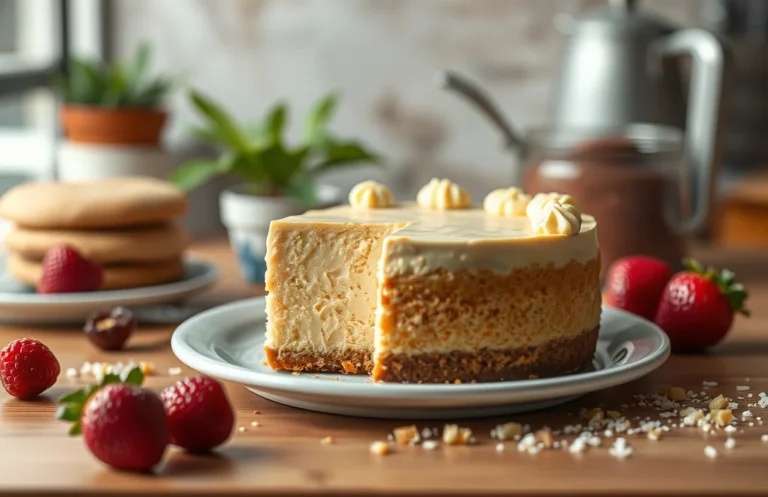
- Garnish with Fresh Fruits: Top your cheesecake with a medley of fresh berries like strawberries, blueberries, and raspberries. Arrange them in a circular pattern around the cheesecake to create a vibrant and inviting look.
- Add a Drizzle: Use a sauce to create an eye-catching drizzle. Warm up ½ cup of chocolate or caramel sauce and use a spoon to drizzle it elegantly over the cheesecake. This adds both flavor and visual appeal.
- Include Whipped Cream: Pipe a dollop of freshly whipped cream on top of each slice using a star-shaped nozzle. This adds a creamy texture contrast and a gourmet touch. For a twist, add a sprinkle of cocoa powder or cinnamon on top.
- Flavor Pairings: Consider serving your cheesecake with a side of citrus-infused sorbet or a scoop of vanilla ice cream. The cold, refreshing flavors complement the richness of the cheesecake beautifully.
Chef’s tip: For an elegant touch, consider edible flowers like pansies or violets to garnish your cheesecake. They add color and a hint of sophistication.
Quick Recipe Summary
This final section offers a quick overview of the rich and indulgent cheesecake recipe, summarizing the essential ingredients and cooking times you need for a successful bake. Whether you’re preparing for a special occasion or simply indulging yourself, having these details at a glance will help streamline your baking process.
Ingredients Recap
- 1 ½ cups graham cracker crumbs (150g)
- ½ cup unsalted butter, melted (115g)
- 2 cups cream cheese, softened (450g)
- 1 cup granulated sugar (200g)
- 3 large eggs
- 1 teaspoon vanilla extract
- ½ cup sour cream (120g)
- ½ cup heavy cream (120ml)
Pro tip: For a gluten-free version, substitute graham cracker crumbs with gluten-free cookies.
Cooking Time
Preparing this decadent cheesecake is straightforward, with a total time commitment as follows:
| Action | Time |
|---|---|
| Prep Time | 20 minutes |
| Baking Time | 1 hour |
| Cooling Time | 4 hours (or overnight) |
During baking, the cheesecake should puff slightly and the edges will appear set, while the center may still be a little jiggly. Allowing it to cool completely will ensure a perfectly creamy texture.
Common Mistake: Avoid opening the oven door during baking, as this can cause the cheesecake to crack. Aim for a gentle, steady heat for the best results.
Quick Summary
| Prep Time | 20 minutes |
|---|---|
| Cook Time | 1 hour |
| Total Time | 1 hour 20 minutes |
| Servings | 8 |
- Preheat oven to 325°F (165°C) before starting.
- Prepare crust by mixing crushed graham crackers, sugar, and melted butter.
- Beat cream cheese until smooth before adding sugar and eggs.
- Bake cheesecake for 60 minutes and check for a slight jiggle in the center.
- Cool completely in the oven with the door ajar to prevent cracking.
- Chill in the refrigerator for at least 4 hours before serving.
- Room temperature ingredients: Ensure cream cheese and eggs are at room temperature for a smooth batter.
- Don’t overmix: Overmixing can incorporate too much air, leading to cracks.
- Water bath: Consider using a water bath for even baking and a creamier texture.
Frequently Asked Questions
Can I make this ahead of time? How to store and reheat?
You can absolutely make this cheesecake ahead of time! Store it in the refrigerator, covered tightly with plastic wrap, for up to 5 days; just serve it cold or let it sit at room temperature for about 30 minutes before serving.
What can I substitute for cream cheese?
If you’re looking for a substitute for cream cheese, you can use mascarpone cheese for a similar texture and flavor, or a mix of ricotta cheese and sour cream for a lighter option.
How do I know when it’s done?
Your cheesecake is done when the edges are set but the center still has a slight jiggle to it; it will firm up as it cools. It should also have a light golden color around the edges, which typically takes about 50-60 minutes at 325°F (163°C).
Can I freeze this? How long does it last?
Yes, you can freeze this cheesecake for up to 3 months. Be sure to wrap it tightly in plastic wrap and then aluminum foil to prevent freezer burn.
Why did my cheesecake crack on top?
If your cheesecake cracked, it may have been baked at too high a temperature or overbaked; keep your oven at 325°F (163°C) and bake until just set. To prevent this, you can also place a pan of water in the oven to create steam, which helps maintain moisture.

- 10 Best Air Fryer Oven With Digital Controls 2026 (Reviewed) - October 22, 2026
- 10 Best Air Fryer Oven For Large Families 2026 (Reviewed) - October 22, 2026
- 10 Best Air Fryer Oven For Countertops 2026 (Reviewed) - October 22, 2026