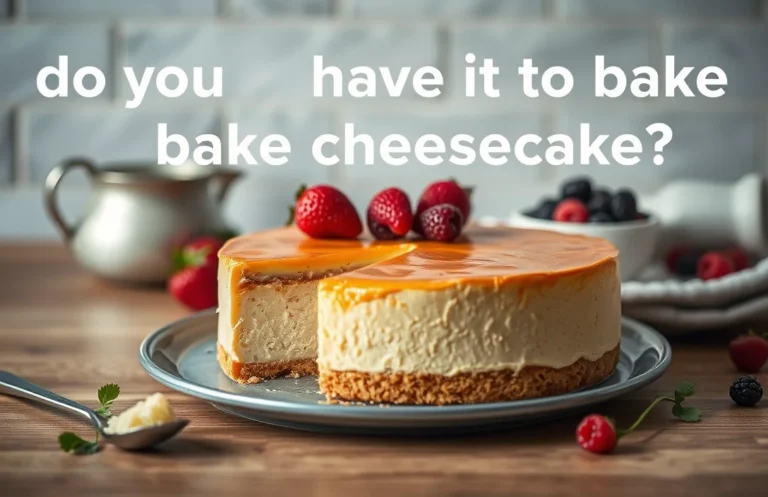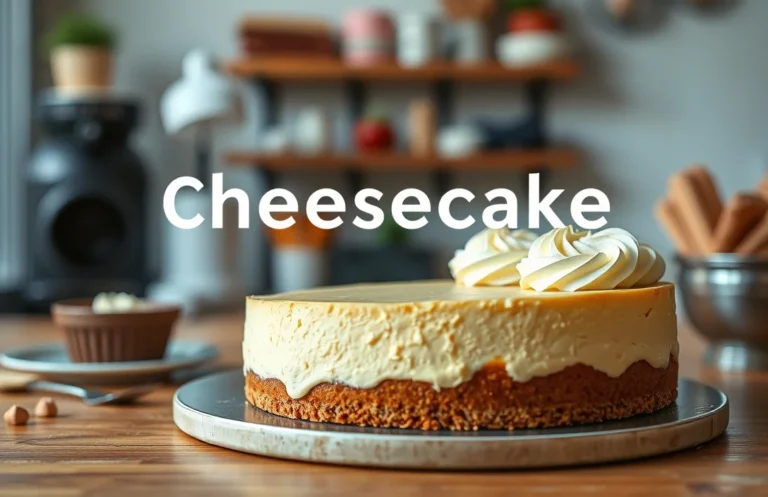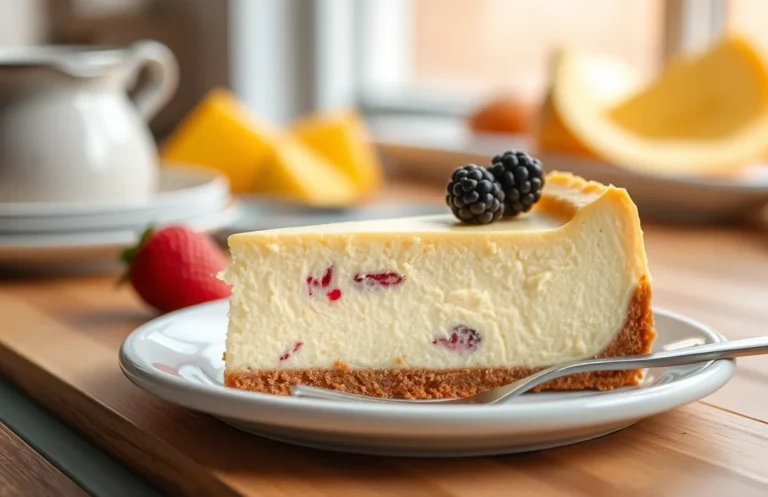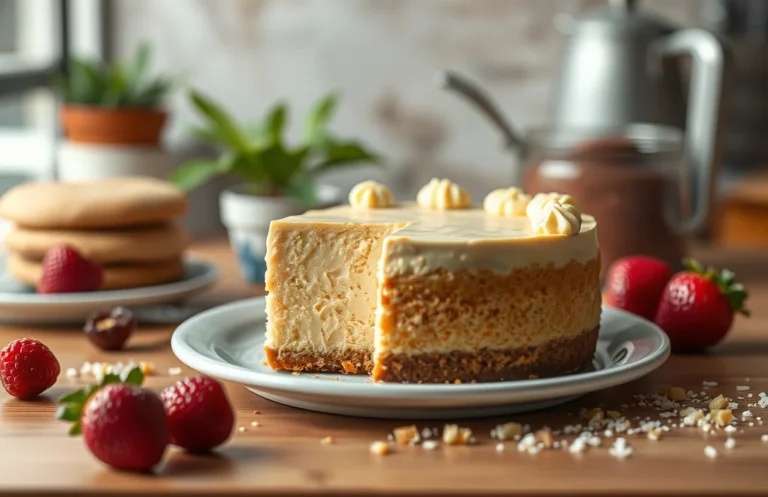
Perfect Cheesecake: Ideal Oven Temperature & Tips for No-Crack Success
Cheesecake is more than just dessert; it’s a creamy, dreamy slice of happiness that can turn any ordinary day into a special occasion. With its velvety texture and rich flavor, this treat is sure to impress family and friends at gatherings, making it a beloved staple in my kitchen.
Get ready to master your cheesecake with the right oven temperature for baking. This guide covers everything you need to know: total time: 1 hour 30 minutes, difficulty level: easy, and servings: 8.
| Prep Time | 20 minutes |
|---|---|
| Cook Time | 1 hour |
| Total Time | 1 hour 30 minutes |
| Servings | 8 |
| Difficulty | Easy |
Cheesecake Origins and Significance
Understanding the origins and significance of cheesecake enriches our appreciation for this beloved dessert and informs the baking process, especially when it comes to achieving the ideal oven temperature. Cheesecake has a rich history that spans different cultures and special occasions, each contributing to its unique texture and flavor.
Cultural Origins
- Ancient Greece: The earliest known cheesecake dates back to ancient Greece, where it was served to athletes during the first Olympic Games in 776 B.C.
- Roman Influence: Romans adapted the Greek recipe, adding their own ingredients and techniques, which eventually spread throughout Europe.
- Modern Variations: Over the centuries, different regions developed their own versions, such as Italian Ricotta cheesecake and New York-style cheesecake, each requiring specific baking methods and temperatures.
Special Occasions for Serving
Cheesecake is often a centerpiece at celebrations, symbolizing indulgence and festivity. Here are some occasions where cheesecake shines:
- Weddings: A popular choice for wedding cakes, often adorned with fresh fruit or flowers.
- Holidays: Served during holidays like Thanksgiving and Christmas, bringing families together.
- Birthdays: A favorite dessert for birthday celebrations, often customized to suit the guest of honor’s tastes.
Chef’s tip: An understanding of cheesecake’s historical context can enhance your baking experience and help you appreciate the delicate balance needed when selecting the right oven temperature.
Essential Ingredients List
Gathering the right ingredients is crucial for achieving a perfectly baked cheesecake. Each component plays a vital role in the texture and flavor, especially when it comes to managing the oven temperature. Here’s what you’ll need to create a lush, creamy cheesecake that bakes evenly without cracking.
| Item | Amount/Specification | Notes |
|---|---|---|
| Cream Cheese | 2 (8-ounce) packages (450g total) | Softened to room temperature for easy mixing |
| Sugar | 1 cup (200g) | Granulated sugar for sweetness |
| Eggs | 3 large | At room temperature; helps in achieving a smooth texture |
| Vanilla Extract | 1 teaspoon | Adds depth of flavor |
| Graham Cracker Crust | 1 ½ cups (150g) | Crushed graham crackers for base |
| Unsalted Butter | ½ cup (113g) | Melted, for binding crust |
| Salt | ¼ teaspoon | Enhances sweetness |
- For a gluten-free option, substitute the graham crackers with gluten-free cookies.
- Ensure cream cheese is at room temperature to prevent lumps in the batter.
- Adding a tablespoon of sour cream or heavy cream can enhance creaminess.
Necessary Kitchen Equipment
Having the right kitchen equipment is essential for baking the perfect cheesecake, especially when it comes to achieving the ideal oven temperature. The tools you choose can significantly influence the texture and consistency of your cheesecake, helping you avoid common pitfalls like cracking.
| Item | Amount/Specification | Notes |
|---|---|---|
| Mixing Bowls | 2 large | One for the filling, one for the crust |
| Electric Mixer | 1 | Stand mixer or hand mixer for smooth batter |
| Baking Pan | 9-inch springform pan | Ensure it has a tight seal to prevent leaks |
| Oven Thermometer | 1 | To verify your oven temperature; ovens can be off by 25°F (14°C) |
| Water Bath (Bain-Marie) | Large roasting pan | To help regulate temperature and prevent cracking |
- Tip: Make sure your mixing bowls are dry to prevent any residue from affecting your cheesecake batter.
- Before starting, check your oven with the thermometer to ensure it reaches a consistent temperature of 325°F (163°C) for optimal baking.
- For best results, set up your water bath before preheating your oven; this will save you time and ensure your cheesecake bakes evenly.
Step-by-Step Baking Instructions
Getting the oven temperature just right is crucial for baking a cheesecake that is creamy and smooth, while preventing cracks on the surface. This section will guide you through the necessary steps to preheat your oven, mix your ingredients, and bake your cheesecake to perfection.
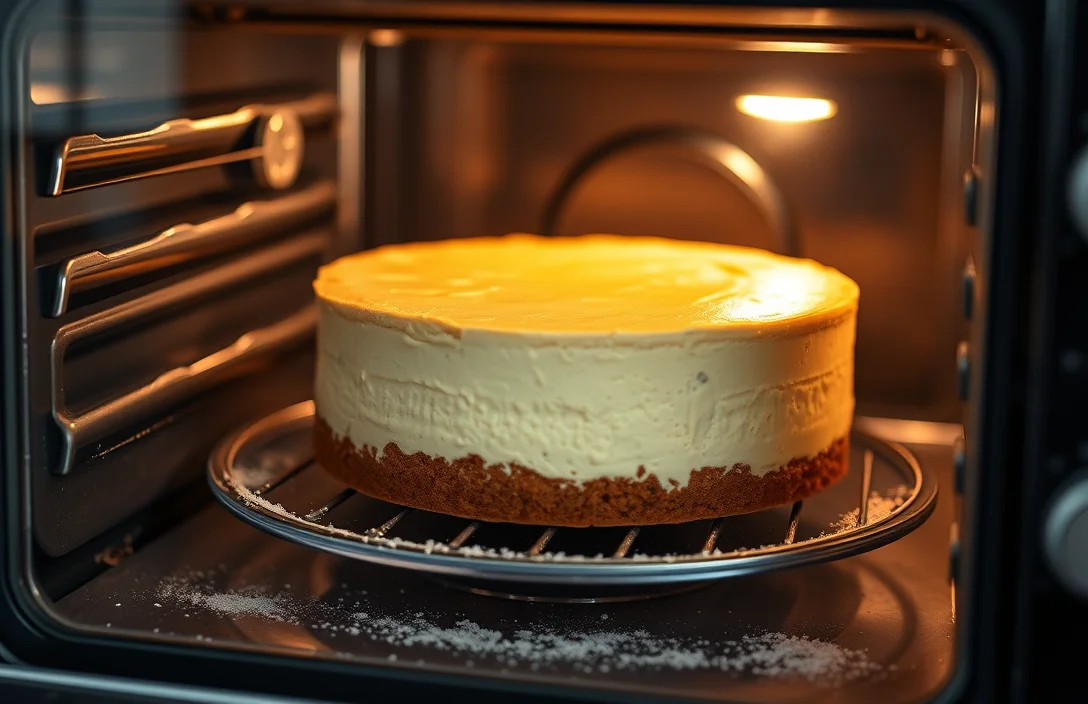
- Preheat your oven: Begin by preheating your oven to 325°F (160°C) at least 20 minutes before you plan to bake your cheesecake. This temperature is ideal for slow, even baking, which helps to achieve a smooth texture and prevents cracking. Make sure your oven is fully preheated before placing the cheesecake inside.
- Mix the ingredients: While the oven is preheating, prepare your cheesecake mixture. Combine 16 ounces (450g) of cream cheese, softened, with ½ cup (100g) granulated sugar in a large mixing bowl. Use an electric mixer on medium speed until the mixture is creamy and smooth, about 2-3 minutes. Scrape the sides of the bowl to ensure everything is well incorporated.
- Bake the cheesecake: Pour your cheesecake mixture into a prepared 9-inch (23cm) springform pan. Place the pan in the center of the preheated oven and bake for 50-60 minutes. The edges should look set while the center remains slightly jiggly when you gently shake the pan. This indicates it’s nearly done. Do not open the oven door during the first 40 minutes, as this may cause the cheesecake to crack.
- Cooling: Once the baking time is complete, turn off the oven and crack the door open, allowing the cheesecake to cool gradually for about 1 hour. This will help prevent temperature shock, which can lead to cracks. Afterward, remove the cheesecake from the oven and let it cool completely at room temperature before refrigerating for at least 4 hours or overnight.
Pro Tips and Common Mistakes
Getting the oven temperature just right is crucial for a perfect cheesecake. In this section, I’ll share tips on preventing cracks and avoiding a soggy bottom, ensuring your cheesecake turns out beautifully every time.
Preventing Cracks
- Use a water bath: Baking your cheesecake in a water bath helps maintain an even temperature, reducing the likelihood of cracks. Wrap your springform pan in aluminum foil and place it in a larger baking dish filled with hot water, ensuring it reaches halfway up the sides of the pan.
- Don’t overmix: Overmixing can incorporate too much air, leading to cracks as the cheesecake rises and falls. Mix until just combined and smooth, about 1-2 minutes on medium speed.
- Cool gradually: After baking, turn off the oven and leave the cheesecake inside for an hour with the door slightly ajar. This gradual cooling process prevents sudden temperature changes that can cause cracks.
Avoiding Soggy Bottoms
- Pre-bake the crust: For a firmer base, pre-bake your crust at 350°F (175°C) for 10-12 minutes until it’s lightly golden. This step helps set the crust before adding the filling, preventing moisture from making it soggy.
- Use the right pan: A springform pan is ideal, as it allows for easy removal without damaging the crust. Ensure it has a tight seal to keep moisture at bay during baking.
- Let it cool completely: After removing from the oven, allow the cheesecake to cool at room temperature before refrigerating. This helps the crust maintain its texture and prevents it from becoming damp.
Variations and Substitutions
This section focuses on creating variations of cheesecake while maintaining the ideal oven temperature for baking. Whether you’re looking to make a gluten-free crust or a vegan cheesecake, it’s essential to adjust your baking process accordingly to ensure a delicious outcome.
Gluten-Free Crust
For a gluten-free cheesecake, you can replace the traditional graham cracker crust with a mixture of gluten-free ingredients. Here’s how to make a simple gluten-free crust:
- 1 ½ cups gluten-free graham cracker crumbs (150g)
- ½ cup unsalted butter, melted (113g)
- 2 tablespoons sugar (25g)
Mix the crumbs, melted butter, and sugar together until they resemble wet sand. Press this mixture firmly into the bottom of a 9-inch (23 cm) springform pan. Bake at 350°F (175°C) for about 8-10 minutes until lightly golden. Let it cool before adding the filling.
Vegan Options
To create a vegan cheesecake, substitute traditional dairy ingredients with plant-based alternatives. Here’s a straightforward recipe:
- 2 cups raw cashews, soaked for 4 hours (300g)
- ½ cup coconut milk (120ml)
- ½ cup maple syrup (120ml)
- ¼ cup coconut oil, melted (60ml)
- 1 tablespoon lemon juice (15ml)
Blend all ingredients until smooth and creamy. Pour the mixture over your cooled crust and bake at 325°F (160°C) for 50-60 minutes. Look for a slight jiggle in the center when done. Let it set in the fridge for at least 4 hours before serving.
Chef’s tip: Ensure the cashews are soaked thoroughly for a smoother texture.
| Variation | Oven Temperature | Cook Time |
|---|---|---|
| Gluten-Free Cheesecake | 350°F (175°C) | 8-10 minutes for crust, 50-60 minutes for filling |
| Vegan Cheesecake | 325°F (160°C) | 50-60 minutes |
By adjusting the crust and filling ingredients, you ensure that your cheesecake remains delicious and true to form, while still catering to dietary needs. Enjoy experimenting!
Serving and Plating Suggestions
Presenting your cheesecake beautifully can elevate the dessert experience. Here are some ideas for garnishes and beverage pairings that complement the rich and creamy texture of your cheesecake while enhancing its flavors.
Garnishes
- Top your cheesecake with a homemade berry compote. To make it, combine 1 cup of mixed berries (such as strawberries, blueberries, and raspberries) with 2 tablespoons of sugar in a saucepan over medium heat. Cook for about 5-7 minutes until the berries break down and the mixture thickens slightly.
- For a sophisticated touch, add a dollop of freshly whipped cream. Whip 1 cup of heavy cream with 2 tablespoons of powdered sugar until soft peaks form. This adds a lightness that balances the richness of the cheesecake.
- Drizzle a warm chocolate ganache over the top by heating ½ cup of heavy cream until it simmers, then pouring it over 1 cup of chopped chocolate. Stir until smooth and glossy, and let it cool slightly before drizzling.
Beverage Pairings
- Pair your cheesecake with a glass of dessert wine, such as a late harvest Riesling or a Sauternes. The sweetness complements the creaminess of the cheesecake perfectly.
- For a non-alcoholic option, serve with a rich espresso or a cup of black tea. The bitterness of the coffee or tea will contrast beautifully with the sweet cheesecake.
- Consider a refreshing fruit-infused sparkling water, like lemon or raspberry. It cleanses the palate between bites and enhances the overall dining experience.
Quick Summary
| Prep Time | 20 minutes |
|---|---|
| Cook Time | 60 minutes |
| Total Time | 1 hour 20 minutes |
| Servings | 8 |
- Preheat oven to 325°F (163°C): Ensures even baking.
- Bake in a water bath: Prevents cracking and keeps moisture.
- Use room temperature ingredients: Promotes smooth consistency.
- Cool slowly: Leave in the oven for 1 hour after baking.
- Chill before serving: Refrigerate for at least 4 hours for best texture.
- Tip: Avoid overmixing to prevent incorporating too much air.
- Tip: Cover with foil if browning too quickly.
Frequently Asked Questions
Can I make this cheesecake ahead of time? How do I store and reheat it?
You can make cheesecake up to 2-3 days in advance. Store it in the refrigerator, tightly wrapped in plastic wrap, and do not reheat; it’s best enjoyed chilled.
What can I substitute for cream cheese?
You can substitute cream cheese with an equal amount of mascarpone cheese for a slightly different texture and flavor. Alternatively, use a mix of cottage cheese and sour cream blended until smooth.
How do I know when my cheesecake is done?
Your cheesecake is done when the edges are set, and the center has a slight jiggle, which should take about 45-60 minutes at 325°F (160°C). It will firm up as it cools, so don’t overbake!
Can I freeze this cheesecake? How long does it last?
You can freeze cheesecake for up to 3 months when wrapped tightly in plastic wrap and then aluminum foil. Thaw it in the refrigerator overnight before serving for the best texture.
What if I don’t have a springform pan?
If you don’t have a springform pan, you can use an 8-inch round cake pan instead, but make sure to line it with parchment paper for easy removal. Just be gentle when taking it out to maintain its shape.

- 10 Best Knife For Kitchen Reddit 2026 - September 13, 2026
- 10 Best Knife For Kayaking 2026 - September 13, 2026
- 10 Best Knife For Killing Chickens 2026 - September 13, 2026