Cheesecake Essentials: Crusts, Fillings, and Toppings Explained
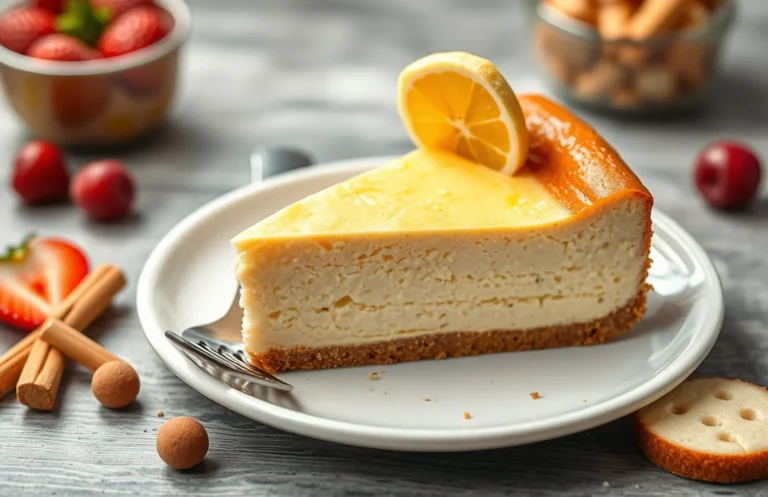
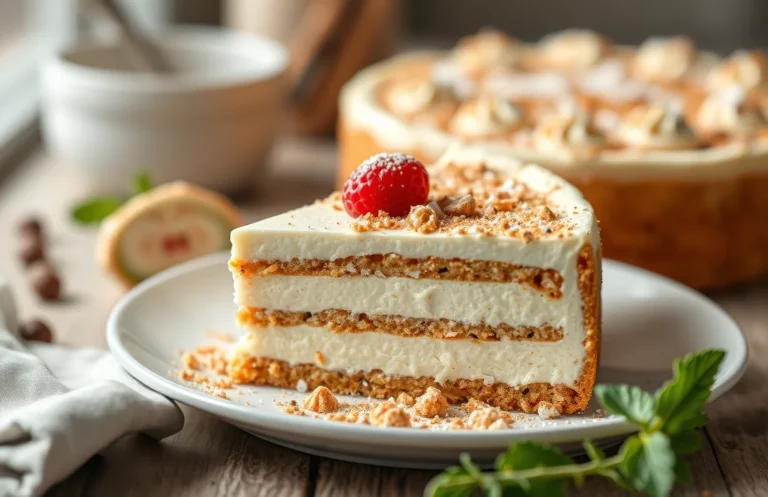
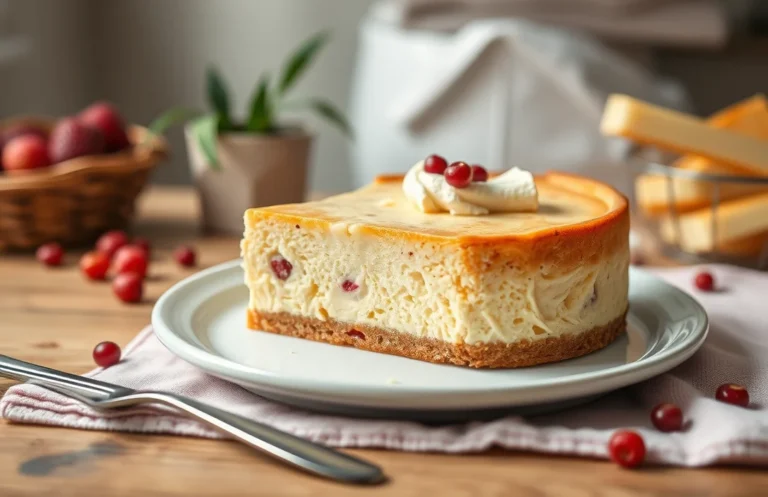
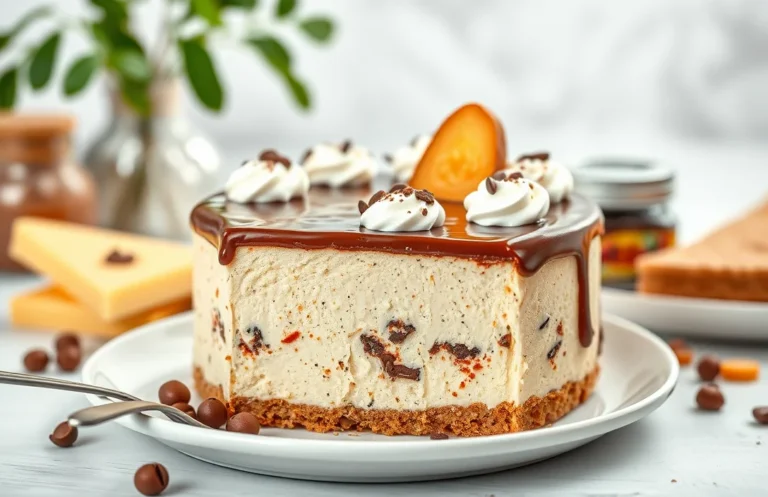
There’s something incredibly satisfying about a creamy, velvety cheesecake that melts in your mouth. It’s the perfect dessert for any occasion, whether you’re celebrating a birthday, hosting friends, or simply treating yourself after a long day. With the right balance of flavors and textures, this cheesecake will have everyone coming back for seconds!
Get ready to create a cheesecake masterpiece with this easy-to-follow guide. You’ll find exact measurements, cooking temperatures, and timing for different crusts like graham cracker and chocolate, plus filling variations from classic to fruit-flavored. This recipe serves 8-10 people and has a moderate difficulty level.
| Prep Time | Cook Time | Total Time | Servings | Difficulty |
|---|---|---|---|---|
| 20 minutes | 60 minutes | 80 minutes | 8-10 | Moderate |
Cheesecake Origins
Understanding the origins of cheesecake enriches our appreciation for this beloved dessert. Cheesecake has evolved over centuries, influenced by various cultures, making it a significant dish for special occasions around the world.
- Ancient Beginnings: The earliest known cheesecake dates back to ancient Greece, where it was served to athletes during the first Olympic Games in 776 B.C. It was made with simple ingredients like cheese, flour, and honey, showcasing a blend of flavors that would carry through the ages.
- Roman Influence: The Romans adopted and modified the Greek cheesecake, adding their own twist by using ricotta and other local cheeses. This version was often flavored with fruits and spices, setting the stage for regional variations that would emerge later.
- Cultural Variants: As cheesecake spread throughout Europe, different cultures created their own unique recipes. For instance, the German Käsekuchen uses a quark cheese base, while the Italian ricotta cheesecake is typically lighter and less sweet.
- Special Occasions: Cheesecake has become a staple for celebrations, particularly in the United States, where it is often served during holidays like Thanksgiving or birthdays. Each family may have their own recipe, reflecting personal traditions and flavors.
Ingredients List
This section details the essential ingredients for creating a composition cheesecake, including the crust, filling, and toppings. Each component plays a crucial role in the overall flavor and texture of the cheesecake, so precise measurements and quality ingredients are key to achieving the perfect balance.
| Item | Amount/Specification | Notes |
|---|---|---|
| Graham cracker crumbs | 1 ½ cups (150g) | Crushed until fine; can substitute with digestive biscuits. |
| Granulated sugar | ⅓ cup (67g) | For the crust; adds sweetness and texture. |
| Unsalted butter | 7 tablespoons (100g) | Melted; binds the crust ingredients together. |
| Cream cheese | 24 ounces (680g) | Softened; ensure it’s at room temperature for easy mixing. |
| Granulated sugar | 1 cup (200g) | For the filling; balances the tartness of cream cheese. |
| Vanilla extract | 2 teaspoons | Pure is best for a rich flavor. |
| Sour cream | 1 cup (240g) | Adds creaminess and tang; can substitute with Greek yogurt. |
| Large eggs | 4 | Room temperature; provide structure and richness. |
| Fruit topping (e.g., strawberries, blueberries) | 1 cup (150g) | Fresh or frozen; for garnish and added flavor. |
| Powdered sugar | 2 tablespoons (15g) | For dusting the topping if desired. |
- For gluten-free options, use almond flour or gluten-free cookie crumbs for the crust.
- If you prefer a richer taste, you can swap half of the cream cheese with mascarpone.
- Ensure all dairy ingredients are at room temperature for a smoother filling.
Essential Kitchen Tools
To create a delicious composition cheesecake, having the right kitchen tools is crucial. Each tool serves a specific purpose, ensuring that the crust is perfectly crisp, the filling is smooth, and the toppings are beautifully presented. Here’s a detailed list of what you’ll need to get started.
- Springform Pan: A 9-inch (23 cm) springform pan is essential for cheesecakes. It allows for easy removal of the cake without damaging the sides. Ensure the pan is tightly sealed to prevent leaking during baking.
- Mixing Bowls: Have at least two medium-sized mixing bowls ready. One for the crust mixture and another for the filling. Glass or stainless steel bowls are preferable as they withstand mixing without absorbing odors.
- Electric Mixer: A handheld or stand mixer will save time and ensure your cream cheese is whipped to a velvety smooth texture. Mix on medium speed until the filling is light and fluffy, about 2-3 minutes.
- Rubber Spatula: A sturdy rubber spatula is perfect for folding in ingredients gently, especially when adding whipped cream or eggs to the filling. This helps maintain the airy texture necessary for a perfect cheesecake.
- Measuring Cups and Spoons: Accurate measurements are vital. Use dry measuring cups for flour and a liquid measuring cup for ingredients like sour cream. Don’t forget your measuring spoons for precision.
- Food Processor: For a graham cracker crust, a food processor makes quick work of crushing the crackers into fine crumbs. Aim for a sandy texture before mixing in the butter.
- Baking Sheet: Place the springform pan on a baking sheet to catch any drips during baking. Line the sheet with parchment paper for easy cleanup.
Step-by-Step Instructions
This section provides a detailed guide on how to prepare the crust, make the filling, and bake your composition cheesecake. Each step is crucial for achieving the perfect balance of flavor and texture that defines a great cheesecake.
- Prepare the Crust: Preheat your oven to 350°F (175°C). In a medium bowl, combine 1 ½ cups (150g) of graham cracker crumbs, ¼ cup (50g) granulated sugar, and ½ cup (115g) melted unsalted butter. Mix until the crumbs are evenly coated. Press the mixture firmly into the bottom of a 9-inch (23 cm) springform pan and bake for 10 minutes until lightly golden and fragrant. Let it cool completely before adding the filling.
- Make the Filling: In a large mixing bowl, beat 24 ounces (680g) of softened cream cheese with an electric mixer on medium speed until smooth and creamy, about 2-3 minutes. Gradually add 1 cup (200g) granulated sugar and beat until well combined. Mix in 1 teaspoon of vanilla extract and 3 large eggs, one at a time, ensuring each is fully incorporated before adding the next. The mixture should be thick and glossy with no lumps.
- Bake and Chill: Pour the cheesecake filling over the cooled crust. Bake in the preheated oven for 50-60 minutes or until the edges are set but the center still has a slight jiggle. Turn off the oven and leave the cheesecake inside for another hour to cool gradually. Once cooled, refrigerate for at least 4 hours, preferably overnight. The cheesecake should be firm to the touch and chilled before serving.
Pro Tips & Mistakes
This section provides you with expert advice and common pitfalls to avoid when making a composition cheesecake. Understanding the nuances of the texture, filling, and crust can elevate your cheesecake from good to unforgettable.
Perfect Texture Tips
- Use Room Temperature Ingredients: Ensure your cream cheese, eggs, and sour cream are at room temperature (about 70°F or 21°C) before mixing. This will help achieve a smooth batter without lumps.
- Whisk Gently: When combining your ingredients, whisk just until blended. Overmixing can incorporate too much air, leading to cracks during baking.
- Bake in a Water Bath: To prevent cracking, place your cheesecake pan in a larger pan filled with hot water, creating a steam effect that keeps the temperature even.
Common Mistakes
- Skipping the Cooling Process: After baking, let the cheesecake cool in the oven with the door slightly ajar for at least 1 hour. This gradual cooling helps prevent cracks.
- Not Using a Springform Pan: A springform pan allows for easy removal without damaging the cheesecake. If using a standard cake pan, line it with parchment paper for easier removal.
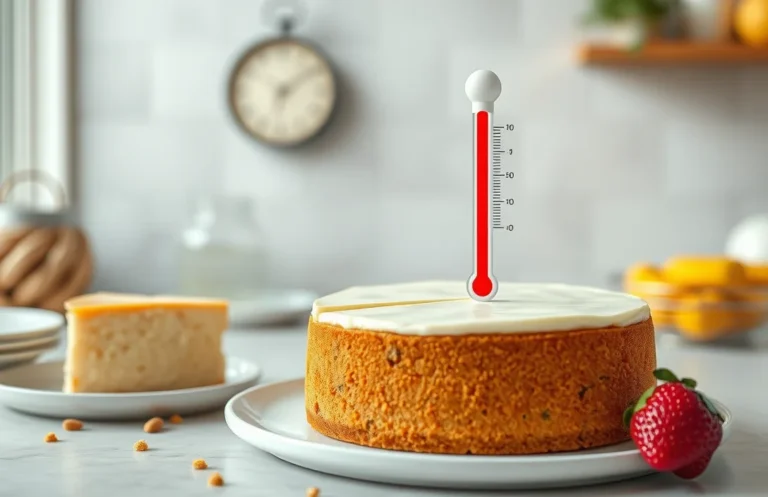
- Ignoring the Baking Time: Every oven is different; check for doneness when the edges are set, but the center still has a slight jiggle. This typically takes about 50-60 minutes at 325°F (163°C).
Chef’s tip: If your cheesecake has cracks, don’t fret! Cover them with a layer of sour cream or fruit topping after cooling for a beautiful finish.
| Ingredient | Amount |
|---|---|
| Cream Cheese | 16 oz (450g) |
| Sour Cream | 1 cup (240g) |
| Granulated Sugar | 1 cup (200g) |
Variations & Modifications
This section explores exciting alternatives and adjustments you can make to your composition cheesecake, perfect for accommodating different dietary needs or enhancing flavor. Whether you’re looking to go gluten-free, vegan, or simply want to experiment with flavors, these variations will ensure that everyone can enjoy a slice of your delicious cheesecake.
Gluten-Free Options
For a gluten-free composition cheesecake, substitute the regular crust with one made from gluten-free cookies or almond flour. Here’s a quick gluten-free crust recipe:
- 1 ½ cups gluten-free graham cracker crumbs (150g)
- ⅓ cup granulated sugar (67g)
- ½ cup unsalted butter, melted (115g)
Mix the crumbs and sugar, then stir in the melted butter until it resembles wet sand. Press into the bottom of a springform pan and bake at 350°F (175°C) for 10 minutes. Cool completely before adding the filling.
Vegan Variations
To create a vegan composition cheesecake, you can replace dairy products with plant-based alternatives:
- 16 ounces vegan cream cheese (450g)
- ¾ cup coconut cream (180ml)
- 1 cup granulated sugar (200g)
- ½ cup almond milk (120ml)
- 2 tablespoons cornstarch (16g)
Blend all ingredients until smooth, then pour into your prepared crust and bake at 350°F (175°C) for 45-50 minutes. The cheesecake should be set but still slightly jiggly in the center.
Flavor Swaps
Don’t hesitate to mix up the flavors of your cheesecake! Here are some ideas:
- Replace vanilla extract with 2 teaspoons lemon juice for a zesty twist.
- Add ½ cup of melted chocolate to the filling for a rich chocolate cheesecake.
- Incorporate 1 cup of fresh berries into the batter for a fruity flavor.
Chef’s tip: Always taste your filling before baking. Adjust sweetness or acidity to your preference!
Serving & Pairing Ideas
When presenting your composition cheesecake, the right serving methods and complementary flavors can elevate the entire experience. Here are some ideas to enhance both the visual appeal and taste profile of your cheesecake.
Plating Techniques
- Use a round cake cutter to slice your cheesecake into perfect portions, ensuring clean edges.
- Drizzle a fruit sauce or chocolate ganache on the plate before placing the cheesecake on top for a beautiful contrast.
- Garnish with fresh berries or edible flowers to add color and freshness.
Drink Pairings
| Drink | Notes |
|---|---|
| Coffee | The bitterness complements the sweetness of the cheesecake. |
| Sweet Wine (e.g., Riesling) | Enhances the flavors without overwhelming them. |
| Herbal Tea | Offers a soothing contrast to the rich cheesecake. |
Dessert Pairings
- Serve with a scoop of vanilla ice cream for a delightful temperature contrast.
- Pair with a light fruit sorbet to refresh the palate.
- Accompany with chocolate-covered strawberries to add a luxurious touch.
Chef’s tip: Always serve cheesecake chilled for the best texture and flavor!
Quick Summary
| Prep Time | Cook Time | Total Time | Servings |
|---|---|---|---|
| 20 minutes | 60 minutes | 80 minutes | 8 servings |
- Preheat oven to 325°F (160°C) for even baking.
- Prepare crust using crushed graham crackers and melted butter, then press into a springform pan.
- Mix filling thoroughly with cream cheese, sugar, and eggs until smooth.
- Bake for 60 minutes; the center should be slightly jiggly.
- Cool gradually before refrigerating to avoid cracks.
- Chill for at least 4 hours, preferably overnight, for optimal texture.
- Tip: Use room temperature ingredients for a smoother batter.
- Tip: Avoid overmixing to prevent air bubbles that cause cracks.
- Tip: Bake in a water bath for a creamier texture.
Frequently Asked Questions
Can I make this ahead of time? How to store and reheat?
You can make composition cheesecake up to 2 days in advance. Store it covered in the refrigerator and serve it chilled; reheating isn’t recommended as it alters the texture.
What can I substitute for cream cheese?
You can substitute cream cheese with an equal amount of mascarpone or Greek yogurt for a lighter texture. Just keep in mind that this may slightly change the flavor profile.
How do I know when it’s done?
The cheesecake is done when the edges are set and the center has a slight jiggle, about 45-50 minutes at 325°F (163°C). It should look slightly puffed and not overly browned on top.
Can I freeze this? How long does it last?
You can freeze composition cheesecake for up to 2 months. Wrap it tightly in plastic wrap and then in aluminum foil to prevent freezer burn.
Why did my cheesecake turn out cracked?
Your cheesecake may have cracked due to overmixing or baking at too high a temperature. To prevent this, mix on low speed and bake at a consistent 325°F (163°C) until just set.

- 10 Best Air Fryer Oven With Digital Controls 2026 (Reviewed) - October 22, 2026
- 10 Best Air Fryer Oven For Large Families 2026 (Reviewed) - October 22, 2026
- 10 Best Air Fryer Oven For Countertops 2026 (Reviewed) - October 22, 2026