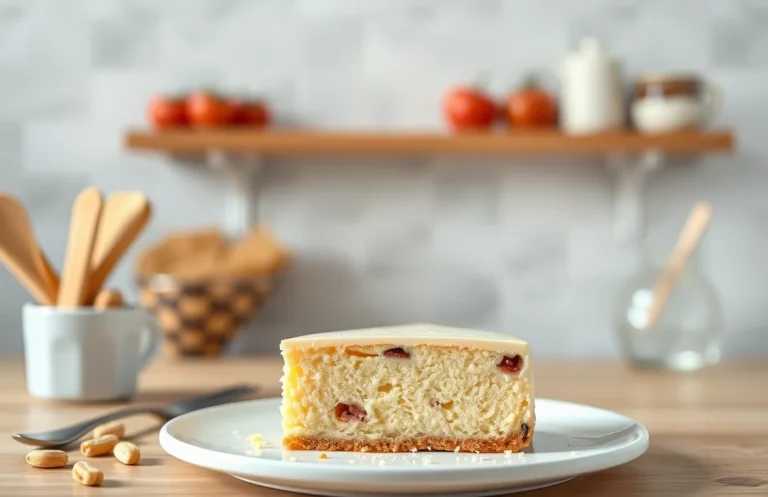
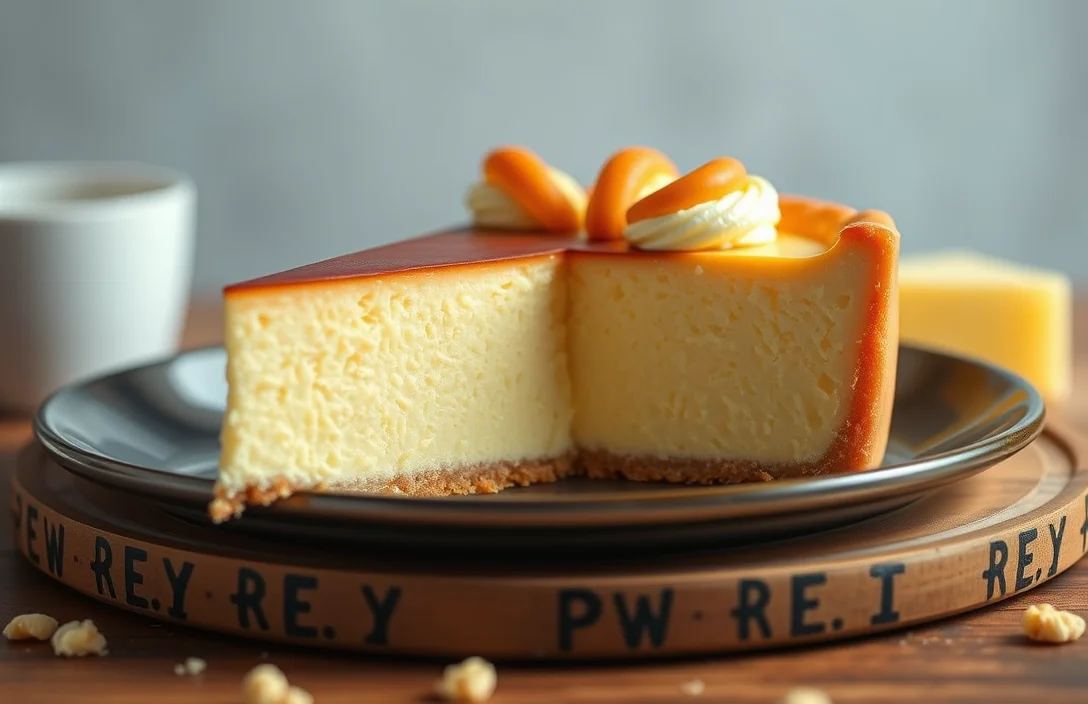
Custard Pie vs. Cheesecake: Recipes & Key Differences Revealed
There’s nothing quite like a slice of custard pie or cheesecake to satisfy your sweet tooth. Both desserts are creamy, luscious, and perfect for any occasion, be it a weeknight treat or a special gathering. Imagine the rich flavors melting in your mouth, each bite a comforting hug!
Get ready for two delicious recipes! You’ll have a delightful custard pie and a classic cheesecake, each taking about 60 minutes total, with medium difficulty and serving 8 people. Perfect for impressing guests or enjoying a cozy night in!
| Prep Time | Cook Time | Total Time | Servings | Difficulty |
|---|---|---|---|---|
| 20 minutes | 40 minutes | 60 minutes | 8 | Medium |
Custard Pie Origins
Understanding the origins of custard pie helps clarify its significance and how it compares to cheesecake. Both desserts share a creamy texture and a delightful sweetness, but their histories and cultural importance reveal distinct characteristics.
- Historical Background: Custard pie has roots dating back to the Middle Ages, where it was often made with simple ingredients like eggs, milk, and sugar. The first recipes appeared in English cookbooks, showcasing the versatility of custard as a filling and its popularity among various social classes.
- Cultural Importance: Across different cultures, custard pie has held a special place in celebrations and gatherings. For instance, in American cuisine, it is often associated with Thanksgiving and family gatherings, symbolizing comfort and nostalgia. This contrasts with the cheesecake, which has its own cultural significance, particularly in European traditions.
Although both desserts share similarities in texture, their distinct origins and cultural significance set them apart in the world of sweet treats.
Cheesecake Origins
Understanding the origins of cheesecake reveals the dessert’s deep-rooted history and cultural significance. Cheesecake, while often compared to custard pie, has its own unique evolution and identity that has captivated taste buds for centuries.
Historical Background
Cheesecake traces its history back to ancient Greece, where it was served to athletes during the first Olympic Games in 776 B.C. The Greeks made a simple version using cheese, honey, and flour. Over the years, the recipe spread across Europe, evolving through different cultures:
- Roman Influence: The Romans adapted the Greek recipe, adding eggs and varying the cheese used.
- Medieval Europe: The introduction of cream cheese in the 19th century in the United States led to the modern version we enjoy today.
- New York Style: By the 20th century, New York cheesecake became iconic, characterized by its dense and creamy texture made with cream cheese, eggs, and sugar.
Cultural Importance
Cheesecake holds a special place in various cultures:
- Festivals: Often featured in celebrations, especially in Jewish and Italian communities.
- Variations: From ricotta cheesecake in Italy to Japanese cotton cheesecake, each version reflects local ingredients and traditions.
- Symbolism: Represents indulgence and celebration in many cultures, making it a dessert of choice for significant occasions.
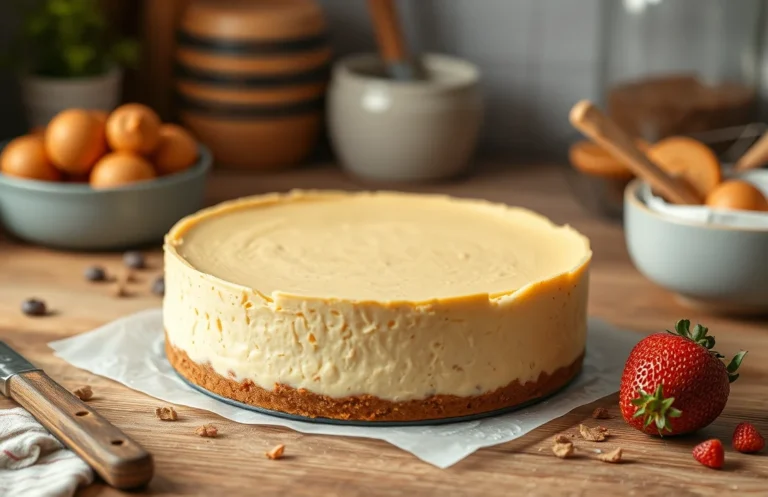
Chef’s tip: A well-made cheesecake should have a smooth, creamy texture, and a slight jiggle in the center when you take it out of the oven.
Ingredients Comparison
Understanding the ingredient differences and similarities between custard pie and cheesecake can greatly enhance your baking experience. Both desserts share creamy textures, yet their ingredient profiles set them apart in flavor and structure. Let’s break down what goes into each of these delicious treats.
| Item | Amount/Specification | Notes |
|---|---|---|
| Pie Crust | 1 ¼ cups (150g) graham cracker crumbs | Use for both desserts; can substitute with a traditional pie crust. |
| Granulated Sugar | ¾ cup (150g) | Sweetens both; adjust based on preference. |
| Eggs | 3 large | Essential for both recipes; gives structure. |
| Heavy Cream | 1 cup (240ml) | Provides richness; can substitute with full-fat milk. |
| Vanilla Extract | 1 teaspoon | Adds flavor; can use almond extract for variation. |
| Cream Cheese | 16 oz (450g) | Specific to cheesecake; provides creamy texture. |
| Nutmeg or Cinnamon | 1/4 teaspoon | Optional spice for custard pie; enhances flavor. |
- Common Mistake: Don’t skip bringing cream cheese to room temperature; it blends better for a smooth filling.
- Substitutions: For lactose intolerance, try using dairy-free cream cheese or coconut cream.
- For a firmer cheesecake, increase the amount of cream cheese or reduce the cream.
Essential Kitchen Tools
To create both custard pie and cheesecake successfully, having the right kitchen tools is key. Each dessert requires specific equipment to ensure the best results, so let’s break down what you’ll need for both recipes.
- Mixing Bowls: You’ll need a large mixing bowl for blending your custard ingredients and a separate bowl for your cheesecake batter. Choose bowls that are at least 2 quarts to allow for easy mixing without spilling.
- Electric Mixer: A hand mixer or stand mixer will save you time and effort when blending the cream cheese for your cheesecake and whipping the egg whites for your custard pie. Make sure your mixer has at least two speed settings for versatility.
- Measuring Cups and Spoons: Precision is key in baking. Use dry measuring cups for ingredients like flour and sugar, and liquid measuring cups for milk and cream. A set of measuring spoons will help you get exact amounts for vanilla extract and other flavorings.
- Pie Dish and Springform Pan: A 9-inch deep-dish pie dish is ideal for custard pies, while a 9-inch springform pan is perfect for cheesecakes. Ensure the pans are well-greased to prevent sticking.
- Whisk and Spatula: A whisk is essential for incorporating air into your custard mixture, while a silicone spatula helps in folding ingredients gently without losing volume, especially in the cheesecake batter.
- Oven Thermometer: Baking requires accuracy in temperature. An oven thermometer ensures your oven is at the right temperature, especially important for delicate custards and cheesecakes.
- Cooling Rack: After baking, both desserts need to cool properly. A cooling rack allows air to circulate around the pie and cheesecake, preventing sogginess.
Custard Pie Recipe Steps
In this section, we’ll go through the step-by-step process of making a delicious custard pie, which shares similarities with cheesecake in texture and flavor. Understanding these steps will help you achieve a creamy, smooth pie that is both comforting and satisfying.
Ingredients
- 1 pre-made pie crust (9-inch)
- 4 large eggs
- 1 cup granulated sugar (200g)
- 1 cup whole milk (240ml)
- 1 cup heavy cream (240ml)
- 1 tablespoon vanilla extract
- ¼ teaspoon salt
Preparation
- Preheat your oven to 350°F (175°C). This temperature is crucial for achieving a perfectly set custard without overcooking.
- In a large mixing bowl, whisk together the eggs and sugar until the mixture is smooth and slightly pale, about 2-3 minutes. The sugar should be dissolved, and you want to see a bit of foam on the surface.
- Gradually stir in the milk, heavy cream, vanilla extract, and salt. Mix until everything is well combined and you see a uniform color. The mixture should smell sweet and vanilla-forward.
Baking Instructions
- Pour the custard mixture into the prepared pie crust. Make sure to do this gently to avoid bubbles forming in the custard.
- Bake in the preheated oven for 40-45 minutes, or until the center is set but still slightly wobbly. The edges should be firm and the top should have a light golden color.
- Once done, remove the custard pie from the oven and let it cool at room temperature for about 30 minutes. This cooling period helps the custard finish setting and prevents cracks from forming.
- Refrigerate the pie for at least 2 hours before serving to enhance the flavor and texture. It should feel firm yet creamy when you slice into it.
Chef’s tip: If you notice the edges of the pie crust browning too quickly, cover them with aluminum foil to prevent burning.
Cheesecake Recipe Steps
This section provides a detailed recipe for making cheesecake, highlighting its similarities with custard pie while ensuring you achieve the perfect texture and flavor. You’ll find step-by-step instructions that make it easy to follow, ensuring a delicious result every time.
- Ingredients:
- 1 ½ cups graham cracker crumbs (150g)
- ½ cup unsalted butter, melted (115g)
- 2 cups cream cheese, softened (450g)
- 1 cup granulated sugar (200g)
- 1 teaspoon vanilla extract
- 3 large eggs
- ½ cup sour cream (120g)
- 1 tablespoon all-purpose flour (8g)
- Preheat the Oven: Set your oven to 325°F (160°C). This temperature helps create a gentle heat, which is crucial for a smooth cheesecake texture.
- Prepare the Crust: In a mixing bowl, combine 1 ½ cups of graham cracker crumbs with ½ cup of melted butter until the mixture resembles wet sand. Press this mixture firmly into the bottom of a 9-inch springform pan, creating an even layer. Bake the crust for 10 minutes until slightly golden, then let it cool.
- Make the Filling: In a large mixing bowl, beat 2 cups of softened cream cheese with 1 cup of granulated sugar until smooth and creamy. Add in 1 teaspoon of vanilla extract, then incorporate the eggs one at a time, mixing gently after each addition to avoid overmixing.
- Add the Sour Cream: Fold in ½ cup of sour cream and 1 tablespoon of flour until just combined. The mixture should be smooth and glossy, with no lumps remaining.
- Bake the Cheesecake: Pour the filling into the cooled crust and smooth the top with a spatula. Bake in the preheated oven for 55-60 minutes, or until the edges are set and the center jiggles slightly. The top should look slightly puffed and have a light golden hue.
- Cool and Chill: Once baked, turn off the oven and crack the door open, letting the cheesecake cool inside for 1 hour. This helps prevent cracks. After cooling, refrigerate for at least 4 hours, or overnight for the best flavor.
Tips for Perfect Desserts
Understanding the nuances between custard pies and cheesecakes can elevate your dessert game. Here are some essential tips to help you navigate the preparation of both desserts, ensuring they turn out delicious and visually appealing every time.
Custard Pie Tips
- Choose the right pie crust: A flaky, buttery crust complements the smooth filling of a custard pie. Pre-bake the crust at 350°F (175°C) for about 10 minutes until lightly golden to prevent sogginess.
- Mix your ingredients thoroughly: Whisk together eggs, sugar, milk, and any flavorings until completely blended. This ensures a uniform texture and prevents any lumps that could disrupt the custard’s smoothness.
- Watch the baking time: Bake your custard pie at 350°F (175°C) for 40-50 minutes. It should jiggle slightly in the center when done, but not appear liquidy. Overbaking can lead to cracks and a rubbery texture.
Cheesecake Tips
- Use room temperature ingredients: Ensure your cream cheese, eggs, and sour cream are at room temperature before mixing. This helps create a creamy, lump-free batter.
- Be gentle with mixing: Overmixing can incorporate too much air, leading to cracks as the cheesecake bakes. Mix just until the ingredients are combined for a velvety finish.
- Bake in a water bath: For a cheesecake that’s perfectly creamy, place your springform pan in a larger pan filled with hot water. This method helps regulate the temperature, preventing cracks and ensuring even cooking.
Variations and Modifications
Exploring variations and modifications for custard pie and cheesecake can elevate your dessert experience, allowing you to cater to different tastes and dietary needs. Below, you’ll find some delightful options for each dessert that preserve their unique characteristics while introducing new flavors and textures.
Custard Pie Variations
- Chocolate Custard Pie: Replace ½ cup of milk with ½ cup of heavy cream and whisk in ½ cup of cocoa powder for a rich chocolate flavor.
- Fruit Custard Pie: Fold in 1 cup of fresh berries or sliced peaches after pouring the custard into the pie crust for a fruity twist.
- Spiced Custard Pie: Add 1 teaspoon of cinnamon and ¼ teaspoon of nutmeg to the custard mixture for a warm, spiced flavor.
Cheesecake Variations
- New York Style Cheesecake: Use 4 (8 oz) packages of cream cheese instead of 2 for a denser, creamier texture.
- Lemon Cheesecake: Add the zest of 2 lemons and ½ cup of lemon juice to the batter for a refreshing citrus flavor.
- Chocolate Swirl Cheesecake: Melt 4 oz of chocolate and swirl it into the cheesecake batter before baking for a marbled effect.
Chef’s tip: For both desserts, ensure your ingredients are at room temperature for a smoother texture.
| Dessert | Base Ingredients | Variations |
|---|---|---|
| Custard Pie | Eggs, milk, sugar | Chocolate, fruit, spiced |
| Cheesecake | Cream cheese, sugar, eggs | New York, lemon, chocolate swirl |
Feel free to experiment with these variations, but remember that adjustments in ingredients may alter cooking times slightly. Keep an eye on your desserts as they bake! The custard should be set but slightly wobbly, while the cheesecake should be firm at the edges with a slight jiggle in the center when done.
Serving Ideas
When it comes to serving custard pie and cheesecake, presentation and pairing can elevate these delightful desserts to a new level. Both desserts can be enjoyed in various ways that enhance their flavors and textures, creating a memorable experience for your guests.
Serving Custard Pie
- Serve slices warm or chilled, depending on your preference.
- Garnish with a dollop of freshly whipped cream or a scoop of vanilla ice cream for added richness.
- Sprinkle a light dusting of nutmeg or cinnamon on top for an aromatic touch.
- Pair with a side of fresh berries, such as strawberries or raspberries, for a burst of freshness.
Serving Cheesecake
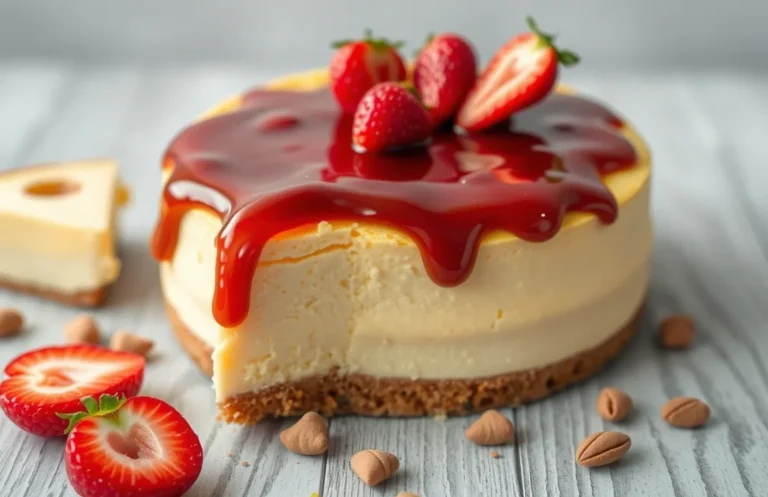
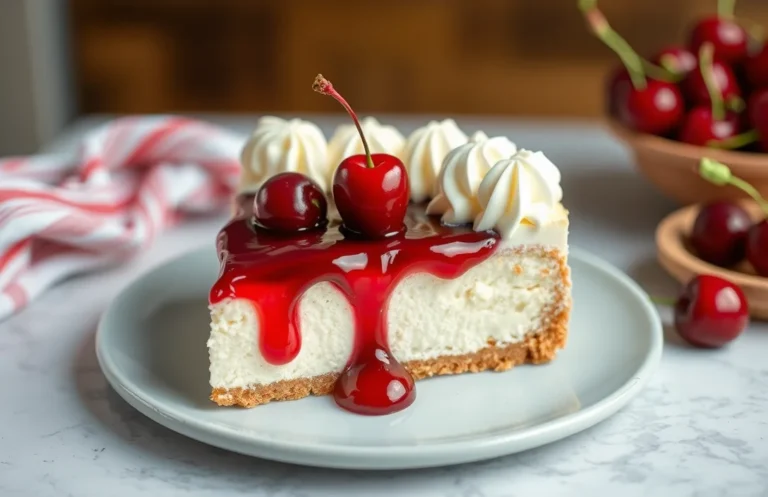
- Cheesecake can be served plain or topped with fruit compote, chocolate ganache, or caramel sauce.
- Consider adding a sprinkle of crushed graham crackers on top for added crunch and visual appeal.
- Serve with a cup of coffee or tea to balance the sweetness.
- For a festive twist, offer mini cheesecakes in individual cups for easy serving.
Chef’s tip: For both desserts, allow them to chill in the refrigerator for a few hours before serving to enhance their flavors and firmness.
| Dessert | Garnish Ideas | Pairing Suggestions |
|---|---|---|
| Custard Pie | Whipped cream, nutmeg | Fresh berries, tea |
| Cheesecake | Fruit compote, crushed graham crackers | Coffee, chocolate |
Quick Summary
| Prep Time | Cook Time | Total Time | Servings |
|---|---|---|---|
| 15 minutes | 45 minutes | 1 hour | 8 servings |
- Preheat oven to 350°F to ensure even cooking.
- Prepare crust by mixing 1 ½ cups crushed graham crackers with ½ cup melted butter.
- Mix filling of 2 cups cream cheese, 1 cup sugar, and 3 eggs until smooth.
- Bake for 45 minutes or until the center is set but slightly jiggly.
- Cool completely before refrigerating for at least 4 hours for best texture.
- Tip: Use room temperature cream cheese to avoid lumps.
- Tip: Add a splash of vanilla for extra flavor.
- Tip: Don’t overbake; it can lead to cracks.
Frequently Asked Questions
Can I make this ahead of time? How to store and reheat?
You can definitely make a custard pie ahead of time; it stores well in the refrigerator for up to 3 days. Just cover it tightly with plastic wrap to prevent it from drying out.
What can I substitute for cream cheese?
If you’re looking for a substitute, you can use mascarpone cheese or a mix of Greek yogurt and heavy cream for a similar texture and flavor. Just keep in mind that the flavor profile may vary slightly.
How do I know when it’s done?
45-50 minutes at 350°F (175°C). You can also insert a knife in the center; it should come out clean.
Can I freeze this? How long does it last?
You can freeze a custard pie for up to 2 months, but it’s best to wrap it tightly in plastic wrap and then foil to avoid freezer burn. Thaw it in the refrigerator overnight before serving.
Why did my custard pie turn out watery?
A watery custard pie is often the result of not cooking it long enough or using too much liquid in the recipe. Make sure to bake until just set and check your ingredient measurements for accuracy.

- Decadent Peanut Butter No-Bake Cheesecake: Easy Recipe to Indulge - April 3, 2026
- Delicious Mango No-Bake Cheesecake: Step-by-Step Recipe - April 3, 2026
- Decadent Raspberry No-Bake Cheesecake: Easy Step-by-Step Recipe - April 3, 2026