Cheesecake Origins: Discover Its Rich History and Global Variations
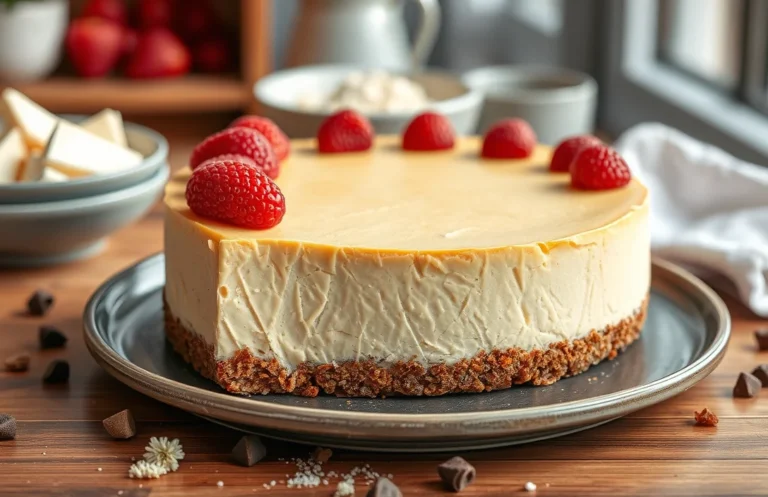
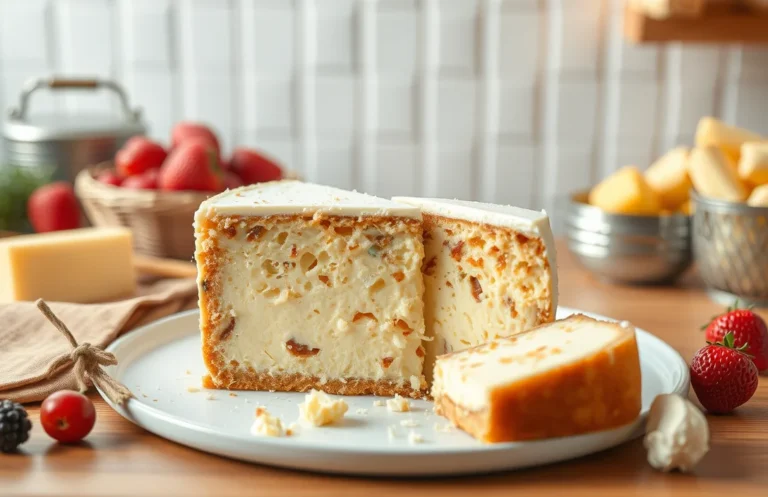
Cheesecake is not just a dessert; it’s a luscious, creamy delight that melts in your mouth, making it the star of any gathering. Whether it’s a festive celebration or a cozy weeknight treat, a well-made cheesecake is bound to leave you and your guests craving more. Just thinking about that velvety texture and sweet, tangy flavor makes my stomach rumble!
Get ready for a delicious homemade cheesecake that takes only 30 minutes of prep and 60 minutes of baking time. This recipe serves 8 people and is rated medium difficulty, perfect for both novice and seasoned bakers.
| Prep Time | Cook Time | Total Time | Servings | Difficulty |
|---|---|---|---|---|
| 30 minutes | 60 minutes | 90 minutes | 8 | Medium |
Cheesecake’s Ancient Roots
Cheesecake has a rich history that dates back to ancient civilizations, capturing the flavors and traditions of the times. Understanding its origins sheds light on its cultural significance and the variations that have evolved over centuries.
- Ancient Greece: The earliest known cheesecake recipe can be traced back to Ancient Greece, where it was made from simple ingredients like cheese, flour, and honey. The Greeks served cheesecake to athletes during the first Olympic Games in 776 B.C. as a source of energy, highlighting its role in ancient rituals and celebrations.
- Roman Influence: When the Romans conquered Greece, they adopted and modified the Greek cheesecake. They introduced new ingredients, such as eggs and cream, which made the dessert richer and creamier. The Roman version was so popular that it spread throughout the Roman Empire, influencing various cultures and leading to regional adaptations.
Understanding these early influences helps appreciate how cheesecake has transformed over the ages, adapting to local preferences and creating countless variations worldwide.
Cultural Significance Worldwide
Cheesecake is more than just a dessert; it embodies traditions, celebrations, and regional flavors across the globe. Each culture celebrates this rich and creamy treat in unique ways, adapting it to local tastes and occasions.
- European Variations: In countries like Italy, cheesecake is often made with ricotta and flavored with citrus, creating a lighter texture and flavor profile. The Italian version, known as “Torta di Ricotta,” is commonly served during special occasions such as weddings and holidays. In Greece, the classic cheesecake, or “Bougatsa,” is made with phyllo pastry and custard filling, lending a crispy texture that contrasts beautifully with the creamy center. This version is typically enjoyed for breakfast or as a snack.
- Asian Adaptations: In Japan, the cheesecake has taken on a fluffy, soufflé-like form, often referred to as “Japanese cotton cheesecake.” This version is baked at a lower temperature of 320°F (160°C) and features a light, airy texture that melts in your mouth. It’s a popular treat in cafes and is often accompanied by fresh fruit or whipped cream. Meanwhile, in the Philippines, a unique twist comes with the addition of local flavors, such as ube (purple yam) or mango, creating a vibrant and colorful dessert that reflects the country’s tropical bounty.
Key Ingredients Through History
Understanding the key ingredients that have shaped cheesecake throughout history provides insight into its evolution and regional variations. The choice of cheese, sweeteners, and binders has greatly influenced the texture and flavor profile of cheesecakes across different eras and cultures.
Cheese Types
| Item | Amount/Specification | Notes |
|---|---|---|
| Ricotta | 1 cup (250g) | Common in Italian cheesecakes; gives a light, fluffy texture. |
| Mascarpone | 1 cup (250g) | Rich and creamy, often used in Italian variations. |
| Cream Cheese | 8 ounces (225g) | Standard in American-style cheesecakes; smooth texture. |
| Quark | 1 cup (250g) | Used in German cheesecakes; offers a mild flavor. |
Sweeteners and Binders
| Item | Amount/Specification | Notes |
|---|---|---|
| Sugar | ¾ cup (150g) | Granulated sugar is the most common; adjust based on sweetness preference. |
| Honey | ⅓ cup (100g) | A natural sweetener that can add distinct flavor; use sparingly. |
| Eggs | 3 large eggs | Acts as a binder and provides richness; room temperature preferred. |
| Flour | 2 tablespoons (15g) | Optional for added structure; avoid excess as it can dry the cheesecake. |
- For a gluten-free option, substitute flour with cornstarch or almond flour.
- Ensure all dairy ingredients are at room temperature for better blending.
- When using eggs, make sure not to overbeat, as this can incorporate too much air and lead to cracks in the cheesecake.
Cheesecake Evolution Timeline
This section highlights the remarkable evolution of cheesecake from its ancient origins to the modern era, showcasing how this beloved dessert has transformed over the centuries. Understanding its timeline sheds light on the cultural significance and regional variations that have shaped cheesecake into what we enjoy today.
- Medieval Europe (5th – 15th Century): During this period, cheesecake began to take on more recognizable forms in Europe, particularly in England and Italy. Ingredients like fresh cheese, eggs, and honey were combined to create a dense, rich dessert. These early cheesecakes were often baked and enjoyed at feasts and celebrations, reflecting their status as a luxury food item.
- Renaissance Influence (15th – 17th Century): As the Renaissance flourished, so did culinary experimentation. Chefs started incorporating new ingredients such as sugar and spices, enhancing the flavor profile of cheesecakes. Italian cheesecakes, in particular, began to feature ricotta cheese, marking a significant shift towards the creamy texture we associate with modern cheesecakes.
- Modern Era (18th Century – Present): With the advent of the Industrial Revolution and the rise of commercial dairy production, cream cheese emerged as a popular ingredient. By the late 19th century, American-style cheesecake was born, characterized by a smooth and creamy consistency, often topped with fruit or chocolate. Today, cheesecake continues to evolve, with countless variations influenced by different cultures, ingredients, and dietary preferences.
Notable Variations by Region
This section highlights the unique styles of cheesecake that have developed across the globe, showcasing how regional ingredients and techniques have shaped this beloved dessert. Understanding these variations not only enriches our appreciation of cheesecake but also inspires home cooks to experiment with their own recipes.
New York Style Cheesecake
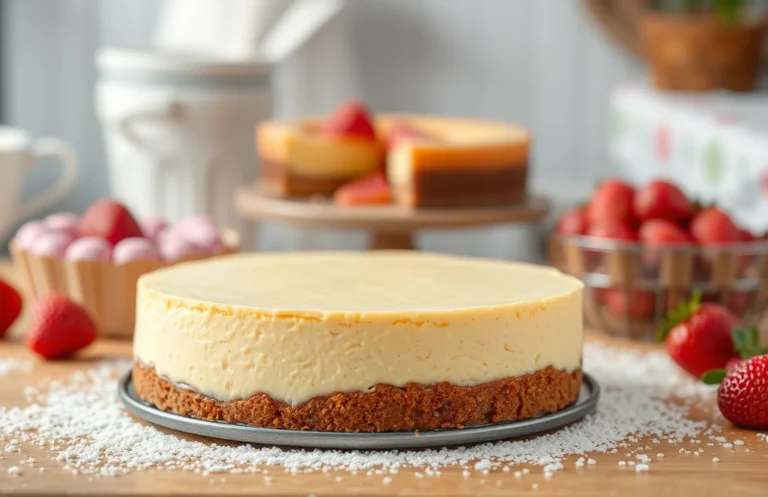
Renowned for its dense, creamy texture, New York Style cheesecake is a staple in American dessert culture. Made primarily with cream cheese, this variation is rich and indulgent.
- Ingredients:
- 4 (8-ounce) packages of cream cheese, softened
- 1 ¼ cups granulated sugar (250g)
- 1 cup sour cream (240g)
- 4 large eggs
- 1 teaspoon vanilla extract
- 1 cup graham cracker crumbs (100g) for crust
- ½ cup unsalted butter, melted (115g)
The crust should be golden brown and firm, and the filling should be smooth and slightly jiggly in the center when you remove it from the oven at 350°F (175°C), after about 60-70 minutes. Let it cool to room temperature before chilling in the refrigerator for at least 4 hours.
Japanese Cotton Cheesecake
This airy, soufflé-like cheesecake is lighter than its Western counterparts, making it a delight for those who prefer a less rich dessert. It often incorporates fluffy meringue, giving it an ethereal quality.
- Ingredients:
- 8 ounces cream cheese, softened (225g)
- ½ cup milk (120ml)
- ¼ cup granulated sugar (50g)
- 4 large eggs, separated
- 2 tablespoons all-purpose flour (15g)
- 2 tablespoons cornstarch (15g)
- 1 teaspoon lemon juice
Cook this cheesecake in a water bath at 320°F (160°C) for about 60 minutes. It should rise beautifully and have a soft, fluffy texture. The top should be lightly golden and spring back when gently pressed.
Chef’s tip: Allow both cheesecakes to cool completely before refrigerating; this helps to set the flavors and improve texture.
Influence on Modern Desserts
Cheesecake has transitioned from its ancient origins to inspire a multitude of contemporary dessert recipes. Today, flavors and fusion desserts showcase its versatility, allowing home cooks to experiment while honoring the classic cheesecake tradition.
- Cheesecake Flavors Today: Modern cheesecakes come in an array of flavors beyond the traditional cream cheese base. You can find varieties like matcha, pumpkin spice, and salted caramel, which incorporate unique ingredients. For instance, a matcha cheesecake combines 2 tablespoons of matcha powder with your cheesecake batter, creating a beautiful green hue and earthy flavor that tempts the taste buds.
- Fusion Desserts: Cheesecake has inspired the creation of fusion desserts that blend different culinary traditions. One popular example is the Japanese cotton cheesecake, which merges the lightness of chiffon cake with the rich essence of cheesecake. To make this, whip 4 egg whites to soft peaks before folding in the cream cheese mixture, resulting in a fluffy texture that melts in your mouth.
- Layered Desserts: Cheesecake is often incorporated into layered desserts, such as trifle or parfaits. By alternating layers of cheesecake filling, fruits, and crumbled cookies or graham crackers, you create an eye-catching dessert that is not only delicious but also visually appealing. For a simple trifle, use 1 cup of cheesecake filling, 1 cup of fresh berries, and ½ cup of crushed graham crackers, layering them in a glass for a stunning presentation.
- Innovative Presentation: The influence of cheesecake has also extended to presentation styles. Mini cheesecakes, often baked in muffin tins, allow for individual servings that are perfect for parties. Bake these at 325°F (160°C) for 20 minutes until the edges are set but the center remains slightly jiggly, ensuring a creamy texture.
Quotes from Culinary Historians
This section shares insights and anecdotes from culinary historians regarding the origin of cheesecake. Understanding these perspectives helps illuminate the cultural significance of this beloved dessert and its evolution over time.
“Cheesecake traces its roots back to ancient Greece, where it was served to athletes during the first Olympic Games. Its rich history is a testament to how food can transcend time and geography.”
– Dr. Maria T. Giannopoulos, Culinary Historian
Cheesecake has not only been a staple in various cultures but also reflects regional ingredients and traditions. Here are some notable observations from experts:
- Ancient Rome Influence: “The Romans adapted the Greek cheesecake, spreading it throughout their empire, which led to regional variations.” – Chef Marco Romano, Food Historian
- New York Style: “The New York cheesecake we know today is a product of Jewish immigrants who brought their recipes and traditions to America.” – Professor Elaine Rosenfeld, Culinary Scholar
- Global Variations: “From Japan’s fluffy cheesecakes to Italy’s ricotta-based versions, each culture adds its unique twist, showcasing local flavors.” – Dr. Hiroshi Tanaka, Food Anthropology Expert
These insights highlight how cheesecake’s adaptability and appeal have contributed to its enduring popularity across the world, making it a cherished dessert in various culinary traditions.
Quick Summary
| Prep Time | Cook Time | Total Time | Servings |
|---|---|---|---|
| 20 minutes | 1 hour | 1 hour 20 minutes | 8 servings |
- Crust preparation: Use crushed graham crackers, butter, and sugar for a solid base.
- Cheese blend: Mix cream cheese, sugar, and vanilla until smooth.
- Egg incorporation: Add eggs one at a time to maintain a creamy texture.
- Bake low and slow: Set the oven to 325°F (163°C) for even cooking.
- Cool gradually: Let cheesecake cool in the oven to prevent cracking.
- Tip: Use room temperature cream cheese for a lump-free filling.
- Tip: Avoid over-mixing after adding eggs to keep the cheesecake dense.
Frequently Asked Questions
Can I make this cheesecake ahead of time? How to store and reheat?
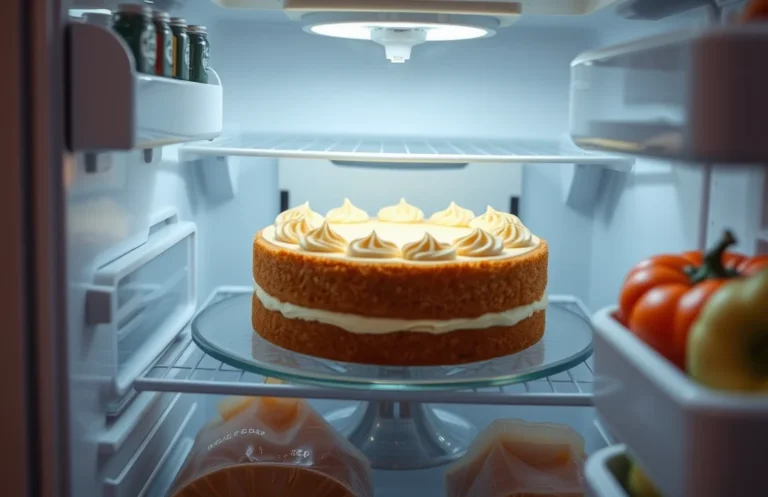
You can make cheesecake up to 3 days in advance. Store it tightly wrapped in the refrigerator and serve it cold—no need to reheat!
What can I substitute for cream cheese?
You can substitute Greek yogurt or mascarpone for cream cheese, but the texture and flavor may vary slightly. Aim for a thick consistency to maintain the cheesecake’s richness.
How do I know when my cheesecake is done?
Your cheesecake is done when the edges are set, but the center still has a slight jiggle—this usually takes about 50-60 minutes at 325°F (160°C). It will firm up as it cools!
Can I freeze cheesecake? How long does it last?
You can freeze cheesecake for up to 2-3 months, but make sure it’s wrapped tightly to prevent freezer burn. Thaw it in the refrigerator overnight before serving.
What if I don’t have a springform pan?
If you don’t have a springform pan, you can use a regular 9-inch round cake pan lined with parchment paper. Just be sure to chill the cheesecake thoroughly before attempting to remove it from the pan.

- 10 Best Air Fryer Oven With Digital Controls 2026 (Reviewed) - October 22, 2026
- 10 Best Air Fryer Oven For Large Families 2026 (Reviewed) - October 22, 2026
- 10 Best Air Fryer Oven For Countertops 2026 (Reviewed) - October 22, 2026