Delicious Coconut Cake Recipe: Step-by-Step Preppy Kitchen Style
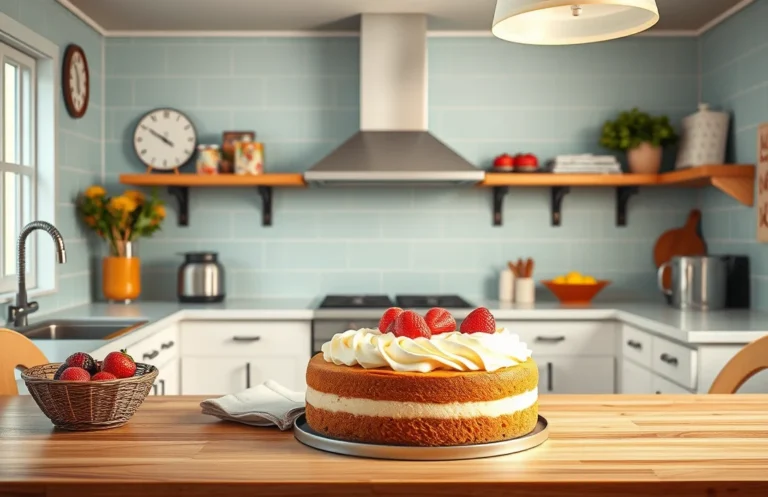
If you’re craving a slice of paradise, this coconut cake is your ticket to bliss. Moist, fluffy, and topped with a luscious coconut frosting, it’s perfect for any occasion—be it a cozy family dinner or a fancy gathering. Each bite transports you to a tropical getaway, leaving everyone asking for seconds.
This recipe is easy to follow and yields a stunning cake that serves 8-10 people. With a total time of 2 hours, it strikes the right balance between simple preparation and impressive presentation.
| Prep Time | 30 minutes |
|---|---|
| Cook Time | 30 minutes |
| Total Time | 2 hours |
| Servings | 8-10 |
| Difficulty | Medium |
Coconut Cake Story
Coconut cake has a rich history that intertwines with celebrations and special occasions, making it a beloved dessert in many cultures. This fluffy, tropical treat is often associated with joy and festivity, and its appeal lies in both its unique flavor and aesthetic presentation.
Historical Background
- Origin in the Southern United States: Coconut cake gained popularity in the Southern United States during the 19th century, often featured at weddings and holiday gatherings. Its moist texture and sweet coconut flavor make it a fitting centerpiece for celebrations.
- Cultural Significance: Beyond the South, coconut cake is celebrated in various cultures, including Caribbean and Asian cuisines, where coconut is a staple ingredient. Each region has its own take on the cake, reflecting local traditions and flavors.
Celebratory Occasions
- Weddings: Coconut cake is a classic choice for wedding cakes, often adorned with beautiful decorations that highlight its creamy, white layers. The light, airy texture symbolizes purity and joy, making it a popular choice for brides.
- Birthdays and Anniversaries: This cake has secured its place as a favored dessert for birthdays and anniversaries, where its delightful flavor and festive appearance bring happiness to the occasion. Many families also have their own cherished recipes passed down through generations.
Ingredients for Coconut Cake
This section provides a complete list of ingredients needed to create a delicious coconut cake and its accompanying frosting. Having the right measurements and specifications is crucial for achieving that perfect texture and flavor, so let’s get everything organized!
| Item | Amount/Specification | Notes |
|---|---|---|
| All-purpose flour | 2 ½ cups (315g) | Sifted for lighter texture |
| Baking powder | 1 tablespoon | Ensure it’s fresh for proper rising |
| Salt | ½ teaspoon | Enhances flavor |
| Unsalted butter | 1 cup (226g), softened | Bring to room temperature |
| Granulated sugar | 2 cups (400g) | For sweetness and structure |
| Large eggs | 4 | Room temperature for better emulsification |
| Vanilla extract | 2 teaspoons | Use pure extract for best flavor |
| Coconut milk | 1 cup (240ml) | Full-fat for creaminess |
| Shredded coconut | 1 ½ cups (120g), sweetened | For texture and flavor |
Frosting Ingredients
| Item | Amount/Specification | Notes |
|---|---|---|
| Unsalted butter | 1 cup (226g), softened | Room temperature |
| Powdered sugar | 4 cups (480g) | Sifted to avoid lumps |
| Coconut milk | 2-4 tablespoons | Adjust for desired consistency |
| Vanilla extract | 1 teaspoon | Enhances flavor |
| Shredded coconut | ½ cup (40g), toasted | For garnishing |
- Tip: For a lighter cake, make sure the butter is very soft but not melted.
- Tip: If you’re allergic to gluten, you can substitute all-purpose flour with a 1:1 gluten-free blend.
Necessary Kitchen Equipment
To create a delightful coconut cake that reflects the charm of the Preppy Kitchen style, having the right tools on hand makes all the difference. This section outlines the essential baking and mixing equipment you’ll need to ensure a smooth and enjoyable baking experience.
| Item | Amount/Specification | Notes |
|---|---|---|
| Mixing bowls | 3 (varying sizes) | Use for mixing ingredients and preparing batters. |
| Measuring cups | 1 set (dry and liquid) | Accurate measurements are crucial for baking. |
| Measuring spoons | 1 set | For precise measurement of small ingredients. |
| Electric mixer | 1 | A stand mixer or hand mixer works well for batter. |
| Spatula | 1 | For folding in ingredients and scraping bowls. |
| Baking pans | 2 (9-inch round) | Ensure pans are greased and lined for easy release. |
| Cooling rack | 1 | Essential for cooling the cake evenly after baking. |
| Whisk | 1 | Helps in aerating the batter for a light texture. |
- Tip: Use light-colored baking pans to prevent over-browning.
- Make sure your ingredients, especially eggs and butter, are at room temperature for better mixing.
- Keep your workspace organized to streamline the baking process.
Step-by-Step Baking Instructions
This section will guide you through mixing the coconut cake batter, baking it to perfection, and cooling it properly so it retains its moist texture. Following these steps will ensure your cake turns out beautifully and is ready for frosting.
- Mixing the Batter: Start by preheating your oven to 350°F (175°C). In a large mixing bowl, whisk together 2 cups (250g) of all-purpose flour and 1 tablespoon of baking powder until well combined. In a separate bowl, cream together 1 cup (200g) of granulated sugar and ½ cup (115g) of unsalted butter at room temperature until the mixture is light and fluffy, about 3-4 minutes. Add 4 large eggs, one at a time, mixing well after each addition. Then, stir in 1 teaspoon of vanilla extract and 1 cup (240ml) of coconut milk. Gradually add the dry ingredients to the wet ingredients, mixing until just combined, and then fold in 1 cup (100g) of sweetened shredded coconut.
- Baking Time: Pour the batter evenly into two greased 9-inch round cake pans. Bake in the preheated oven for 25-30 minutes, or until a toothpick inserted into the center comes out clean. The cakes should be golden brown and spring back slightly when touched. Make sure to rotate the pans halfway through baking for even cooking.
- Cooling Process: Once baked, remove the cake pans from the oven and allow them to cool in the pans for about 10 minutes. Carefully run a knife around the edges to loosen the cakes, then transfer them to a wire rack to cool completely, about 1 hour. This step is crucial as it prevents the cake from becoming soggy. Make sure the cakes are completely cool before frosting to ensure the frosting doesn’t melt.
Pro Tips for Success
Making a coconut cake can be a delightful experience, but a few key tips can help ensure your cake turns out moist, flavorful, and visually appealing. By paying attention to ingredient temperatures and avoiding common pitfalls, you can achieve the perfect coconut cake worthy of any celebration.
- Use room temperature ingredients: Ensure your eggs and butter are at room temperature (about 70°F or 21°C) before you start mixing. This helps create a smooth batter and ensures even blending, leading to a lighter cake texture.
- Monitor baking time closely: Coconut cake can dry out quickly if overbaked. Start checking for doneness a few minutes before the suggested baking time (usually around 25-30 minutes at 350°F or 175°C). The cake should spring back when lightly pressed, and a toothpick inserted in the center should come out clean or with a few moist crumbs.
- Moisture is key: To prevent dryness, consider adding an extra 1-2 tablespoons of coconut milk to the batter. This will enhance both flavor and moisture, ensuring your cake stays tender. If you notice that your batter seems too thick, don’t hesitate to adjust with a bit more liquid.
- Cool the cake properly: After baking, let your cake cool in the pan for about 10-15 minutes before transferring it to a wire rack. This helps the cake set properly and reduces the risk of it breaking apart. A cooled cake will also be easier to frost and decorate.
- Check for flavor balance: Taste your batter before baking. If it lacks sweetness, consider adding a tablespoon or two of sugar. Coconut can sometimes pull the sweetness forward, so adjust to your personal preference.
Coconut Cake Variations
For those looking to adapt the classic coconut cake recipe to suit different dietary needs, there are fantastic options available. Whether you need a gluten-free dessert or a vegan alternative, these variations ensure that everyone can enjoy a slice of this delightful cake.
Gluten-Free Options
Creating a gluten-free coconut cake is simple and delicious. Use a gluten-free all-purpose flour blend to substitute the regular flour. Here’s what you’ll need:
- 1 ½ cups gluten-free all-purpose flour (180g)
- ½ cup unsweetened shredded coconut (50g)
- 1 teaspoon baking powder
- ½ teaspoon baking soda
Mix the gluten-free flour with the baking powder and baking soda before combining with wet ingredients. The batter should be smooth and slightly thicker than traditional cake batter. Bake at 350°F (175°C) for about 30-35 minutes, until a toothpick inserted in the center comes out clean.
Vegan Alternatives
If you’re looking for a vegan version of this coconut cake, you can easily replace eggs and dairy. Here’s how:
- 1 cup unsweetened applesauce (240g) instead of eggs
- ½ cup coconut milk (120ml) instead of regular milk
- ½ cup vegetable oil (120ml) instead of butter
Whisk the applesauce and coconut milk together with the sugar until well combined. The batter should be slightly thick and glossy. Bake as directed at 350°F (175°C) for 30-35 minutes. Check for doneness with a toothpick.
Chef’s tip: For both variations, be mindful of cross-contamination if you’re cooking for someone with allergies. Always use separate utensils and bakeware.
Serving and Plating Ideas
Presenting your coconut cake beautifully enhances the overall experience of this delightful dessert. Here are some creative suggestions for how to serve and garnish your cake, ensuring it looks as good as it tastes.
Presentation Tips
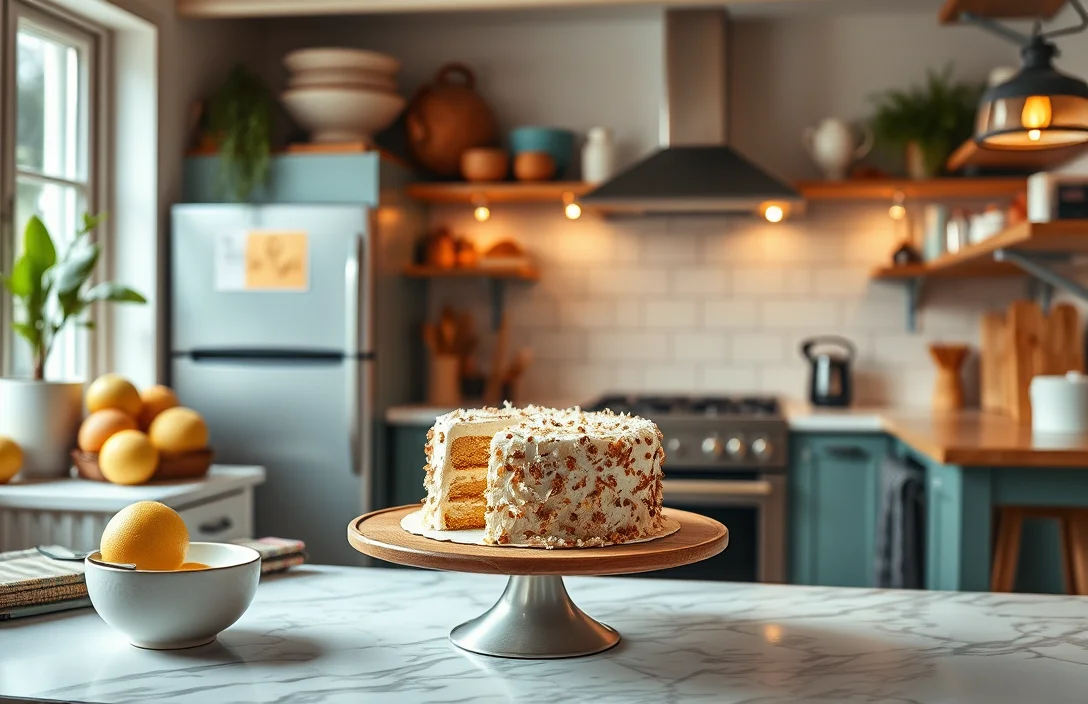
- Use a cake stand: Elevating your coconut cake on a decorative cake stand adds sophistication. Choose one with a light color to contrast against the cake’s white frosting.
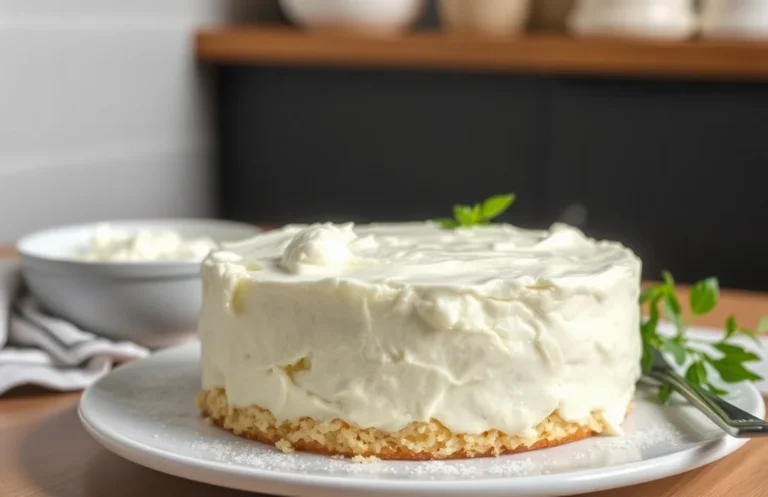
- Garnish generously: Top the cake with toasted coconut flakes and fresh mint leaves for a pop of color and texture. A light dusting of powdered sugar can also provide a lovely finish.
- Slice with precision: For clean cuts, use a hot knife (run it under hot water and wipe dry) to slice your cake into even portions.
Pairing Suggestions
Enhance the flavors of your coconut cake by pairing it with complementary items:
- Serve with a scoop of vanilla bean ice cream for a creamy contrast.
- Pair with a tropical fruit salad, including pineapple, mango, and kiwi, for a refreshing side.
- Accompany with a coconut-infused beverage, such as a piña colada or coconut lemonade.
Chef’s tip: For an extra touch, drizzle a simple glaze made from ½ cup powdered sugar mixed with 1-2 tablespoons of coconut milk over the top of the cake before serving.
These serving and plating ideas will enhance your coconut cake’s visual appeal and flavor profile, making it a memorable centerpiece for any gathering.
Quick Summary
| Prep Time | 20 minutes |
|---|---|
| Cook Time | 30 minutes |
| Total Time | 50 minutes |
| Servings | 8 |
- Preheat oven to 350°F (175°C) before mixing ingredients.
- Combine dry ingredients separately to ensure even distribution.
- Use room temperature butter for a fluffy texture.
- Fold in shredded coconut gently to maintain cake lightness.
- Bake until a toothpick inserted comes out clean, about 30 minutes.
- Cool completely before frosting to prevent melting.
- Tip: Use fresh coconut for enhanced flavor.
- Tip: Frost with coconut cream cheese frosting for a rich finish.
- Tip: Let the cake sit overnight for improved taste.
Frequently Asked Questions
Can I make this ahead of time? How to store and reheat?
You can definitely make the coconut cake ahead of time; it stores well in the fridge for up to 3 days. Just be sure to wrap it tightly in plastic wrap to keep it moist.
What can I substitute for coconut milk?
If you don’t have coconut milk, you can use whole milk mixed with a bit of coconut extract for a similar flavor. Alternatively, almond milk can work in a pinch, but it will slightly alter the taste.
How do I know when it’s done?
Your coconut cake is done when a toothpick inserted into the center comes out clean or with a few moist crumbs attached. It should also spring back lightly when touched.
Can I freeze this? How long does it last?
You can freeze the coconut cake for up to 3 months; just wrap it well in plastic wrap and then foil to prevent freezer burn. Thaw it overnight in the refrigerator before serving.
Why did my coconut cake turn out dry?
If your coconut cake turned out dry, it may have been overbaked or you didn’t use enough sugar or fat in the batter. Always keep an eye on the baking time and check for doneness early to prevent this issue.

- Decadent Peanut Butter No-Bake Cheesecake: Easy Recipe to Indulge - April 3, 2026
- Delicious Mango No-Bake Cheesecake: Step-by-Step Recipe - April 3, 2026
- Decadent Raspberry No-Bake Cheesecake: Easy Step-by-Step Recipe - April 3, 2026