Discover Cheesecake’s Origins: History & Global Variations
Cheesecake is one of those desserts that never fails to impress, whether it’s a casual family dinner or a festive gathering. The creamy texture, rich flavor, and that buttery crust make it a true crowd-pleaser. You can almost taste the love that goes into every bite!
This article will cover the origin of cheesecake, including its historical context, the specific country where it originated, and the cultural significance behind this beloved treat. You’ll also discover various cheesecake variations from around the globe.
| Prep Time | Cook Time | Total Time | Servings | Difficulty |
|---|---|---|---|---|
| 20 minutes | 60 minutes | 1 hour 20 minutes | 8 servings | Moderate |
Cheesecake History
Cheesecake has a rich history that dates back to ancient civilizations, showcasing its significance in various cultures over the centuries. Understanding its origins helps us appreciate the variations that have emerged worldwide and the culinary traditions they embody.
Ancient Origins
- Greece: The earliest known cheesecake recipe comes from ancient Greece, where it was served to athletes during the first Olympic Games around 776 B.C. Made from simple ingredients like fresh cheese, honey, and flour, it was believed to provide energy for competitors.
- Rome: The Romans adopted the Greek version, adding their own twist. They would mix in eggs and bake it, creating a denser texture. This Roman adaptation spread throughout their empire, influencing the cheesecake we know today.
Cultural Importance
- Symbolism: In various cultures, cheesecake has been associated with celebration and abundance. For example, in medieval Europe, it was a common dessert at weddings and feasts, symbolizing prosperity and happiness.
- Regional Variations: Each culture has developed its version of cheesecake, such as the Italian ricotta cheesecake, the New York-style cheesecake, and Japan’s fluffy soufflé cheesecake. These variations reflect local ingredients and culinary techniques, making cheesecake a global favorite.
Ingredients for Cheesecake
In this section, we’ll cover the essential ingredients needed to create a delicious cheesecake, along with specific measurements. Understanding these ingredients not only ensures a successful bake but also highlights the cultural significance of cheesecake from its origin country.
| Item | Amount/Specification | Notes |
|---|---|---|
| Cream Cheese | 16 ounces (450g) | Softened at room temperature |
| Sour Cream | 1 cup (240g) | Adds creaminess and tang |
| Granulated Sugar | 1 cup (200g) | For sweetness; can substitute with coconut sugar for a different flavor |
| Vanilla Extract | 2 teaspoons | Pure vanilla recommended for best flavor |
| Eggs | 3 large | Room temperature |
| Graham Cracker Crumbs | 1 ½ cups (150g) | For a classic crust |
| Unsalted Butter | ½ cup (115g) | Melted for crust binding |
| Salt | ¼ teaspoon | Enhances overall flavor |
- For a gluten-free option, use crushed gluten-free cookies in place of graham cracker crumbs.
- Ensure your cream cheese is at room temperature to avoid lumps in your batter.
- Don’t overbeat the mixture once the eggs are added to prevent cracks in the cheesecake during baking.
Necessary Kitchen Tools
To create a delicious cheesecake that pays homage to its rich origins, having the right kitchen tools is essential. Each piece of equipment helps ensure that your cheesecake comes out with the perfect texture and flavor. Below is a list of necessary tools along with their functions.
- Baking Pan: A 9-inch (23 cm) springform pan is ideal for cheesecakes. This type of pan allows you to easily release the cheesecake without damaging it. Make sure to grease the pan with a little butter or line the bottom with parchment paper for easy removal.
- Mixing Bowls: You will need at least two mixing bowls: one for the crust ingredients and another for the cheesecake filling. Use a large bowl (3-quart or 2.8 liters) for mixing the filling, ensuring enough space to combine ingredients without spilling. A medium bowl (1.5-quart or 1.4 liters) works well for the crust, where you can easily blend the crushed graham crackers, sugar, and melted butter.
- Electric Mixer: A hand mixer or a stand mixer will make whipping the cream cheese easier and help achieve a smooth consistency. Mix the cream cheese at medium speed for about 2-3 minutes until it’s creamy and free of lumps. Be careful not to overmix, as this can incorporate too much air, leading to cracks in your cheesecake.
- Rubber Spatula: A sturdy rubber spatula is perfect for folding in ingredients and scraping down the sides of your mixing bowls. This tool helps ensure everything is evenly combined and contributes to a smooth filling.
Step-by-Step Recipe
In this section, we’ll guide you through preparing the crust and filling for your cheesecake, ensuring a delicious result that pays homage to its rich history. These steps will help you achieve the perfect texture and flavor, reminiscent of traditional cheesecakes from their country of origin.
Preparing the Crust
- Preheat your oven to 325°F (160°C). Greasing your springform pan with a little butter or cooking spray will prevent sticking.
- In a mixing bowl, combine 1 ½ cups (150g) of graham cracker crumbs, ¼ cup (50g) of granulated sugar, and ½ cup (115g) of melted unsalted butter. Mix until the crumbs are evenly coated and resemble wet sand.
- Press the mixture firmly into the bottom of the springform pan, creating an even layer. Use the bottom of a measuring cup to pack it tightly for a sturdy crust. Bake in the preheated oven for 10 minutes until slightly golden and fragrant, then remove and set aside to cool.
Filling the Cheesecake
- In a large mixing bowl, beat 24 ounces (680g) of softened cream cheese on medium speed until smooth and creamy, about 2-3 minutes. Scrape down the sides of the bowl as needed to ensure even mixing.
- Add 1 cup (200g) of granulated sugar and 1 teaspoon of vanilla extract, mixing on low speed until well combined. The mixture should be thick and glossy with no lumps.
- In a separate bowl, whisk together 3 large eggs, one at a time, incorporating each fully before adding the next. This method ensures a smoother filling. Gently fold the eggs into the cream cheese mixture, being careful not to overmix.
- Pour the filling over the cooled crust, smoothing the top with a spatula. Tap the pan on the counter to release any air bubbles.
- Bake your cheesecake in the oven at 325°F (160°C) for 50-60 minutes, or until the edges are set and the center has a slight jiggle. Turn off the oven and leave the cheesecake inside for an additional hour to cool gradually.
Common Mistakes
Understanding the common mistakes when making cheesecake can help you avoid pitfalls that may detract from its flavor and texture. Whether you’re aiming for a classic New York cheesecake or a rich Italian ricotta version, getting these details right is essential for a successful bake.
- Overmixing the batter: Mixing your cream cheese too much can incorporate too much air, leading to a cheesecake that cracks during baking. Aim for a smooth consistency, and mix just until combined—this should take about 2-3 minutes on medium speed. The batter should look creamy and slightly thick, with no lumps remaining.
- Not cooling properly: Cooling your cheesecake too quickly can result in cracks or a dense texture. After baking, turn off the oven and crack the door open, allowing the cheesecake to cool gradually for about 1 hour. Then, transfer it to room temperature for another 30 minutes before refrigerating. The surface should be set but slightly jiggly in the center when you’re done.
Chef’s tip: If your cheesecake cracks, don’t worry! You can cover it with a layer of fruit topping or whipped cream to conceal any imperfections.
Cheesecake Variations
This section highlights two popular cheesecake variations that reflect the diverse origins of this beloved dessert: Japanese Cheesecake and vegan options. Understanding these variations not only showcases the culinary adaptability of cheesecake but also allows for wider enjoyment among different dietary preferences.
Japanese Cheesecake
Japanese cheesecake, often referred to as “soufflé cheesecake,” has a light and airy texture unlike its denser counterparts. Originating in Japan in the 20th century, this version combines cream cheese, eggs, and sugar, resulting in a fluffy and jiggly cake that’s a delight to the senses.
- 3 (8-ounce) packages cream cheese, softened
- 1 cup granulated sugar (200g)
- ½ cup milk (120ml)
- 1 teaspoon vanilla extract
- 1 tablespoon lemon juice
- ¼ cup all-purpose flour (30g)
- 6 large eggs, separated
To make Japanese cheesecake, bake at 320°F (160°C) for about 60 minutes in a water bath. The cake should be golden on top and jiggle slightly in the center when done.
Chef’s tip: Allow the cake to cool in the oven with the door slightly ajar to prevent cracking.
Vegan Options
Vegan cheesecake has gained popularity as a delicious alternative for those avoiding animal products. Using blended cashews or tofu as a base, these cheesecakes maintain a creamy texture without dairy.
- 1½ cups raw cashews, soaked for 4 hours
- ½ cup maple syrup (120ml)
- ½ cup coconut cream (120ml)
- 2 tablespoons lemon juice
- 1 teaspoon vanilla extract
- 1 cup almond flour (100g) for the crust
Blend the soaked cashews with the other filling ingredients until smooth. Pour into a crust made from almond flour and bake at 350°F (175°C) for 30-35 minutes. The filling should firm up while retaining a creamy feel.
| Type | Texture | Key Ingredients |
|---|---|---|
| Japanese Cheesecake | Light and airy | Cream cheese, eggs, sugar |
| Vegan Cheesecake | Creamy and rich | Cashews, maple syrup, coconut cream |
Exploring these variations allows you to enjoy cheesecake in new ways while catering to different tastes and dietary needs.
Serving Suggestions
When it comes to serving cheesecake, presentation is just as important as flavor. A well-plated cheesecake can elevate your dessert experience and delight your guests. Here are some garnishing and beverage pairing ideas that reflect the origins of cheesecake.
Garnishes
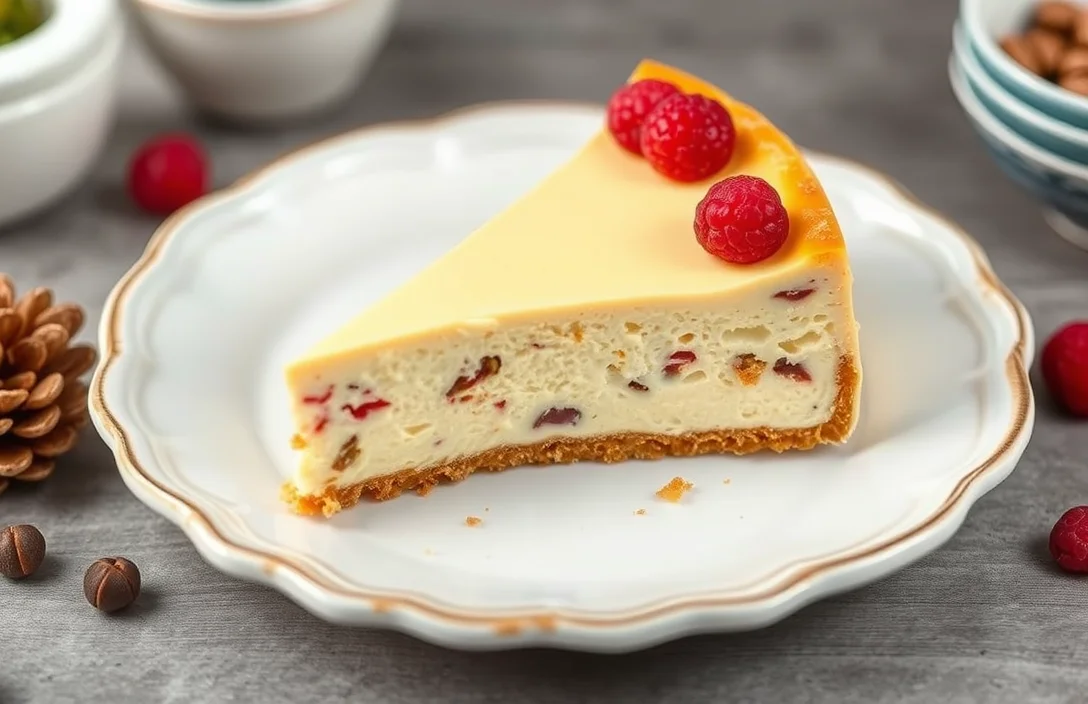
- Fresh Berries: A classic choice, adding a handful of fresh raspberries, strawberries, or blueberries on top not only enhances the visual appeal but also provides a burst of freshness that complements the creamy texture of the cheesecake.
- Chocolate Drizzle: For a rich twist, drizzle melted chocolate over the top of your cheesecake. This adds a luxurious touch and a delightful contrast to the tangy flavor of the cream cheese.
- Whipped Cream: A dollop of lightly sweetened whipped cream can add a light and airy texture. Just whisk 1 cup of heavy cream with 2 tablespoons of powdered sugar until soft peaks form for the perfect accompaniment.
- Caramel Sauce: Drizzling warm caramel sauce over your cheesecake brings a sweet, buttery flavor that pairs beautifully with the rich filling. You can make a quick version by heating 1 cup of sugar in a saucepan until it melts and turns golden brown.
Beverage Pairings
- Sweet Dessert Wine: A glass of late harvest Riesling or Moscato can enhance the sweetness of the cheesecake, making your dessert experience even more enjoyable.
- Coffee: A well-brewed espresso or a smooth cup of coffee pairs excellently with cheesecake. The bitterness of the coffee balances the sweetness of the cake perfectly.
- Herbal Tea: For a lighter option, consider serving a soothing herbal tea, such as chamomile or mint, which can cleanse the palate after the rich dessert.
Quick Summary
| Prep Time | Cook Time | Total Time | Servings |
|---|---|---|---|
| 15 mins | 60 mins | 75 mins | 8 |
- Research origins: Understand cheesecake’s roots in ancient Greece.
- Select ingredients: Use fresh cream cheese for best flavor.
- Preheat oven: Set to 325°F (160°C) before baking.
- Cool properly: Let the cheesecake cool slowly in the oven.
- Chill overnight: For optimal texture, refrigerate for at least 8 hours.
- Tip 1: Avoid overmixing to prevent cracks.
- Tip 2: Use a water bath for even baking.
Frequently Asked Questions
Can I make cheesecake ahead of time? How do I store it?
You can definitely make cheesecake up to 2 days in advance. Store it in the refrigerator covered with plastic wrap to keep it fresh.
What can I substitute for cream cheese?
If you need a substitute, you can use mascarpone cheese or a mix of ricotta and sour cream. Just keep in mind that the texture and flavor may vary slightly.
How do I know when my cheesecake is done?
Your cheesecake is done when the edges are set, but the center slightly jiggles when you gently shake it—this usually takes about 50-60 minutes at 325°F. It will firm up as it cools, so don’t overbake!
Can I freeze cheesecake? How long does it last?
You can freeze cheesecake for up to 3 months, but make sure it’s wrapped tightly in plastic wrap and then in aluminum foil. Thaw it in the refrigerator overnight before serving.
What if I don’t have a springform pan?
If you don’t have a springform pan, you can use a regular round cake pan lined with parchment paper. Just be careful when removing it, as it won’t come out as neatly.

- Decadent Peanut Butter No-Bake Cheesecake: Easy Recipe to Indulge - April 3, 2026
- Delicious Mango No-Bake Cheesecake: Step-by-Step Recipe - April 3, 2026
- Decadent Raspberry No-Bake Cheesecake: Easy Step-by-Step Recipe - April 3, 2026