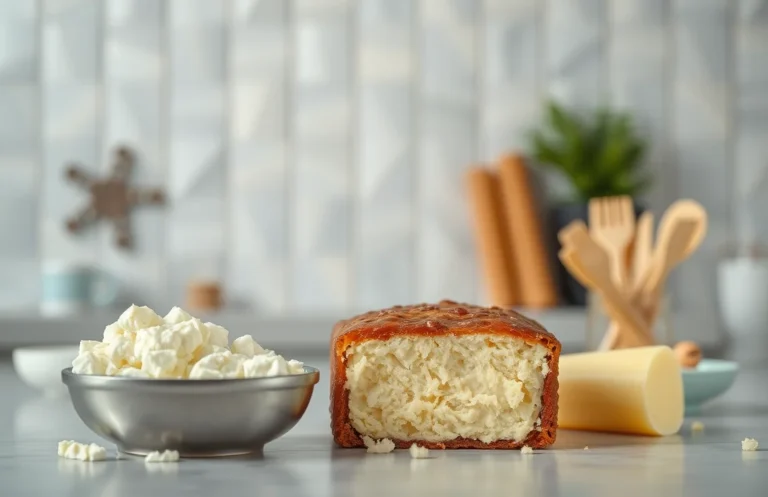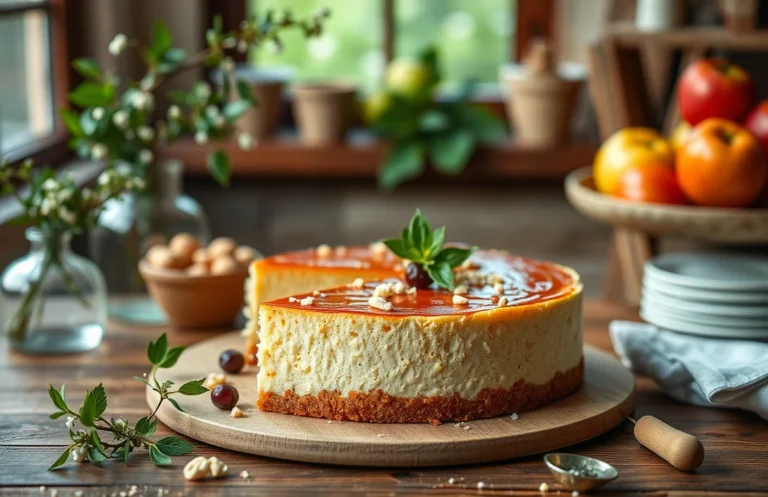
Does Cheesecake Really Have Cheese? Discover the Truth and Recipes!
Cheesecake is the ultimate indulgence, bringing together a luscious creaminess that melts in your mouth. Whether it’s a festive gathering or a cozy weeknight treat, this dessert is always a crowd-pleaser. The rich flavors and smooth texture make it a comforting classic that never fails to satisfy your sweet tooth.
Curious if cheesecake contains cheese? You’re in the right place! This guide will answer your questions and provide 2-3 tested cheesecake recipes with clear instructions. Total time is around 2 hours, with a moderate difficulty level, serving 8-10 people.
| Prep Time | Cook Time | Total Time | Servings | Difficulty |
|---|---|---|---|---|
| 30 minutes | 1 hour | 2 hours | 8-10 | Moderate |
Cheesecake Origins
Understanding the origins of cheesecake is essential to grasp its significance and the role cheese plays in this beloved dessert. Cheesecake’s history stretches back thousands of years, revealing its transformation across cultures and time.
Ancient Roots
- Greek Beginnings: The earliest known cheesecake dates back to ancient Greece, where it was made with simple ingredients like cheese, flour, and honey. It was served to athletes during the first Olympic Games around 776 BC.
- Roman Adaptations: The Romans adopted the Greek version and began to incorporate their own flavors and techniques. They created a richer version, adding eggs and further sweetening with honey, laying the groundwork for future adaptations.
Cultural Variations
- European Influence: As cheesecake spread through Europe, each region adapted the recipe to include local ingredients. For instance, the Italian ricotta cheesecake is distinct from the French version, which often uses cream cheese.
- American Style: The introduction of cream cheese in the early 20th century in the United States led to the creation of the popular New York-style cheesecake, characterized by a dense and creamy texture, solidifying cheesecake’s association with cheese.
Cheesecake Ingredients
Understanding the ingredients in a traditional cheesecake is crucial to grasping its creamy texture and flavor profile. Yes, cheesecake does contain cheese, specifically cream cheese, which gives it that rich and velvety consistency. Here’s a complete rundown of the essential ingredients you’ll need to create a classic cheesecake.
| Item | Amount/Specification | Notes |
|---|---|---|
| Cream Cheese | 16 ounces (450g) | Softened, at room temperature for easy mixing |
| Granulated Sugar | 1 cup (200g) | For sweetness and texture |
| Sour Cream | ½ cup (120g) | Provides tanginess and creaminess |
| Eggs | 3 large | At room temperature for proper incorporation |
| Vanilla Extract | 1 teaspoon (5ml) | For flavor |
| Graham Cracker Crumbs | 1 ½ cups (150g) | For the crust, finely crushed |
| Unsalted Butter | ½ cup (113g) | Melted, for binding the crust |
- Tip: If you have a dairy allergy, you can substitute cream cheese with a vegan cream cheese alternative.
- Common Mistake: Ensure the cream cheese is softened; cold cream cheese will create lumps.
- Use fresh ingredients for the best flavor and texture.
- For a flavored cheesecake, consider adding citrus zest or chocolate chips.
Required Kitchen Equipment
Before diving into the world of cheesecake, having the right tools on hand is crucial for achieving a smooth and creamy texture. This section outlines the essential equipment you’ll need to make a traditional cheesecake that does contain cheese, along with some prep steps to ensure everything runs smoothly.
- 9-inch Springform Pan: This pan allows for easy removal of the cheesecake once it has set. Ensure it’s properly greased with butter or non-stick spray to prevent sticking.
- Mixing Bowls: You’ll need a large mixing bowl for the cream cheese and sugar, and a medium bowl for the graham cracker crust. Use glass or stainless steel bowls for easier mixing and cleaning.
- Electric Mixer: A hand mixer or stand mixer makes it easier to cream the cheese and sugar together until smooth. Mix on medium speed to incorporate air, which adds to the fluffiness of the cheesecake.
- Rubber Spatula: This is essential for scraping down the sides of your mixing bowl and folding in ingredients without overmixing. It ensures all ingredients are well combined.
- Measuring Cups and Spoons: Accurate measurements are key to a successful cheesecake. Use dry measuring cups for solids and liquid measuring cups for liquids.
- Oven Thermometer: An oven thermometer ensures your oven is at the correct temperature (usually around 325°F to 350°F or 160°C to 175°C) for baking the cheesecake evenly.
- Cooling Rack: After baking, place the cheesecake on a cooling rack to let it cool gradually. This prevents cracking on the surface.
Chef’s tip: Always prepare your ingredients at room temperature for the best results, especially the cream cheese.
Cooking Instructions
In this section, we will break down the steps for mixing, baking, and cooling your cheesecake, ensuring you achieve the perfect texture and flavor. Following these instructions carefully will help you create a delicious cheesecake that truly reflects its name.
- Mixing the Ingredients: Begin by preheating your oven to 325°F (160°C). In a large mixing bowl, combine 16 ounces (450g) of cream cheese, softened to room temperature, with ½ cup (100g) of granulated sugar. Use an electric mixer on medium speed for 2-3 minutes until the mixture is smooth and creamy, with no lumps. Scrape down the sides of the bowl occasionally to ensure everything is well combined.
- Incorporating the Eggs: Once the cream cheese and sugar are blended, add in 3 large eggs, one at a time, mixing on low speed after each addition until just combined. Make sure the batter is smooth and glossy; overmixing can incorporate too much air, which may lead to cracks during baking.
- Adding Flavorings: Now, gently fold in 1 teaspoon of vanilla extract and ¼ cup (60ml) of sour cream for added creaminess and flavor. Use a spatula to carefully incorporate these ingredients, ensuring not to deflate the batter. The mixture should be thick yet pourable, with a rich aroma of vanilla.
- Baking the Cheesecake: Pour the batter into a 9-inch (23cm) springform pan lined with parchment paper. Place the pan in the preheated oven and bake for 50-60 minutes. The cheesecake is done when the edges are set but the center still has a slight jiggle. Keep an eye on it; the top should look lightly golden and may puff slightly.
- Cooling the Cheesecake: After baking, turn off the oven and crack the door open. Let the cheesecake cool in the oven for 1 hour to prevent sudden temperature changes that can cause cracking. Afterward, transfer it to the counter and chill in the refrigerator for at least 4 hours, preferably overnight, to allow the flavors to meld and the texture to set properly.
Chef’s tip: Run a knife around the edges of the pan before removing the springform to ensure a clean release.
Pro Chef Tips
Making the perfect cheesecake can be tricky, and understanding the role of cheese and other ingredients is crucial. Here are some expert tips to ensure your cheesecake turns out creamy and delicious, while also avoiding common baking errors.
Texture Tips
- Choose the right cheese: Traditional cheesecake uses cream cheese, which gives it a rich and smooth texture. For a lighter option, consider using ricotta cheese, but be sure to blend it well to avoid graininess.
- Room temperature ingredients: Ensure all your ingredients, especially cream cheese, are at room temperature before mixing. This helps achieve a smooth batter and prevents lumps. Leave them out for about 30 minutes before you start.
- Don’t overmix: Once you add the eggs, mix just until combined. Overmixing can incorporate too much air, causing cracks in your cheesecake during baking. Aim for a smooth and homogenous mixture without excessive mixing.
Baking Errors
- Preheat your oven: Always preheat to 325°F (160°C) before baking. This ensures even cooking. A cold oven can lead to uneven texture and cracks.
- Use a water bath: Baking your cheesecake in a water bath (bain-marie) helps regulate the temperature and keeps the cheesecake moist. Wrap the outside of your springform pan in aluminum foil to prevent water from seeping in.
- Don’t rush cooling: After baking, turn off the oven and crack the door open, allowing the cheesecake to cool slowly for about an hour. This helps prevent cracks from forming as it cools down.
Cheesecake Variations
Cheesecake is traditionally made with cream cheese, giving it that rich and creamy texture we all love. However, for those with dietary restrictions or preferences, there are delightful variations that maintain the essence of cheesecake without the cheese. Let’s look at some popular vegan options and gluten-free alternatives that can help you enjoy cheesecake without compromise.
Vegan Options
Vegan cheesecakes replace traditional dairy ingredients with plant-based alternatives, allowing everyone to enjoy this delicious dessert. Here’s a simple recipe for a vegan cheesecake:
- 1 ½ cups raw cashews (soaked for 4 hours)
- ½ cup coconut cream
- ⅓ cup maple syrup
- 1 tablespoon lemon juice
- 1 teaspoon vanilla extract
- 1 graham cracker crust or nut-based crust
- Begin by draining the soaked cashews and placing them in a blender with coconut cream, maple syrup, lemon juice, and vanilla extract.
- Blend until smooth and creamy, scraping down the sides as needed. It should have a thick, velvety texture.
- Pour the mixture into your prepared crust and smooth the top. Refrigerate for at least 4 hours to set.
Chef’s tip: Use a high-speed blender for the creamiest texture.
Gluten-Free Alternatives
If you’re avoiding gluten, you can still indulge in a cheesecake with a gluten-free crust. Here’s how:
- 1 ½ cups almond flour
- ¼ cup melted coconut oil
- 2 tablespoons honey or agave syrup
- Pinch of salt
- Preheat your oven to 350°F (175°C).
- In a bowl, mix almond flour, melted coconut oil, honey, and salt until well combined.
- Press the mixture into the bottom of a springform pan and bake for 10 minutes until lightly golden.
| Ingredient | Amount |
|---|---|
| Raw Cashews | 1 ½ cups |
| Coconut Cream | ½ cup |
| Maple Syrup | ⅓ cup |
| Lemon Juice | 1 tablespoon |
| Almond Flour | 1 ½ cups |
With these variations, you can enjoy cheesecake in a way that suits your dietary needs without sacrificing flavor or texture!
Serving Suggestions
Serving cheesecake can be just as delightful as making it, and the right presentation can elevate your dessert to an impressive centerpiece. Here are some ideas for plating your cheesecake and pairing it with complementary flavors that will enhance its rich, creamy texture.
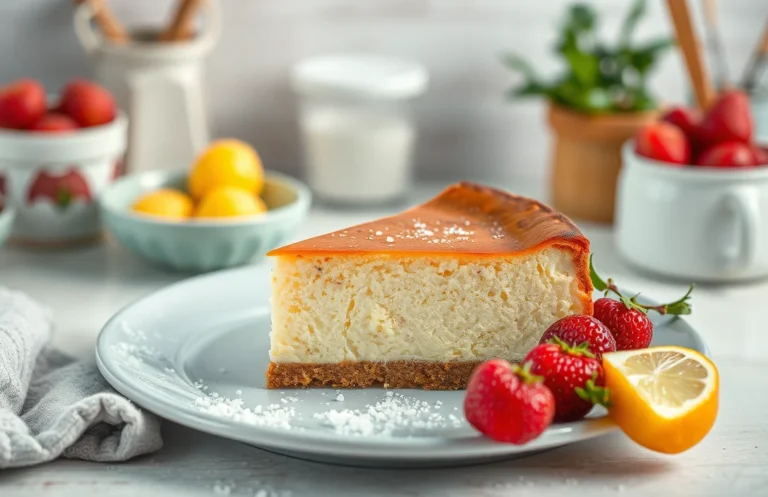
- Classic Plating: For a simple yet elegant presentation, slice your cheesecake into even pieces and place them on individual dessert plates. Garnish each slice with a dollop of whipped cream and a fresh berry, such as a raspberry or strawberry, for a pop of color and freshness.
- Drizzle Sauces: Enhance the flavor of your cheesecake by drizzling it with sauces like berry coulis or chocolate ganache. To make a berry coulis, blend 1 cup of mixed berries with 2 tablespoons of sugar until smooth, then strain it for a silky texture. Drizzle over the cheesecake just before serving for a stunning visual effect.
- Crunchy Toppings: Add texture to your cheesecake by sprinkling crushed graham crackers or toasted nuts on top. Use about ¼ cup of crushed graham crackers or 2 tablespoons of finely chopped nuts to create a delightful crunch that contrasts beautifully with the creaminess of the cheesecake.
- Flavor Pairings: Serve your cheesecake with a side of seasonal fruits like sliced peaches, figs, or citrus segments. These fruits provide a refreshing balance to the richness of the cheesecake. Aim for about ½ cup of fruit per serving for a generous accompaniment that complements the flavors.
- Cheesecake Variations: Consider serving mini cheesecakes in muffin tins for a fun twist. Use the same ingredients but bake in a 350°F (175°C) oven for about 20-25 minutes. These individual portions are great for parties and allow guests to enjoy a variety of flavors.
Quick Summary
| Prep Time | Cook Time | Total Time | Servings |
|---|---|---|---|
| 20 minutes | 60 minutes | 1 hour 20 minutes | 8 servings |
- Cheese Base: Cheesecake is made primarily with cream cheese, hence it contains cheese.
- Crust Preparation: Use crushed graham crackers mixed with melted butter for the crust.
- Bake Temperature: Bake at 325°F (163°C) for an even texture.
- Cooling Time: Let the cheesecake cool in the oven with the door ajar to prevent cracks.
- Chill Time: Refrigerate for at least 4 hours before serving for best flavor.
- Room Temperature Cheese: Use room temperature cream cheese for a smooth mix.
- Water Bath: Consider a water bath to maintain moisture and prevent cracking.
Frequently Asked Questions
Can I make this ahead of time? How to store and reheat?
You can absolutely make cheesecake ahead of time; it’s often better after chilling in the fridge for at least 4-6 hours or overnight. Store it tightly wrapped in plastic wrap in the refrigerator for up to 5 days, and avoid reheating as it’s best served cold.
What can I substitute for cream cheese?
If you’re looking for a substitute, you can use mascarpone cheese or a blended mixture of Greek yogurt and sour cream for a similar texture and flavor in your cheesecake. Keep in mind that the taste may vary slightly.
How do I know when it’s done?
Your cheesecake is done when the edges are set, but the center has a slight jiggle; it will firm up as it cools. Aim for an internal temperature of around 150°F (65°C) for perfectly cooked cheesecake.
Can I freeze this? How long does it last?
Yes, you can freeze cheesecake for up to 2 months; just make sure it’s wrapped tightly in plastic wrap and then foil to prevent freezer burn. Thaw it in the fridge overnight for the best texture.
Why did my cheesecake turn out cracked?
Cracks can occur if the cheesecake was overbaked or if it cooled too quickly; to avoid this, bake it in a water bath and gradually cool it in the oven with the door ajar. A gentle baking temperature of 325°F (160°C) can also help prevent cracking.

- Decadent Peanut Butter No-Bake Cheesecake: Easy Recipe to Indulge - April 3, 2026
- Delicious Mango No-Bake Cheesecake: Step-by-Step Recipe - April 3, 2026
- Decadent Raspberry No-Bake Cheesecake: Easy Step-by-Step Recipe - April 3, 2026