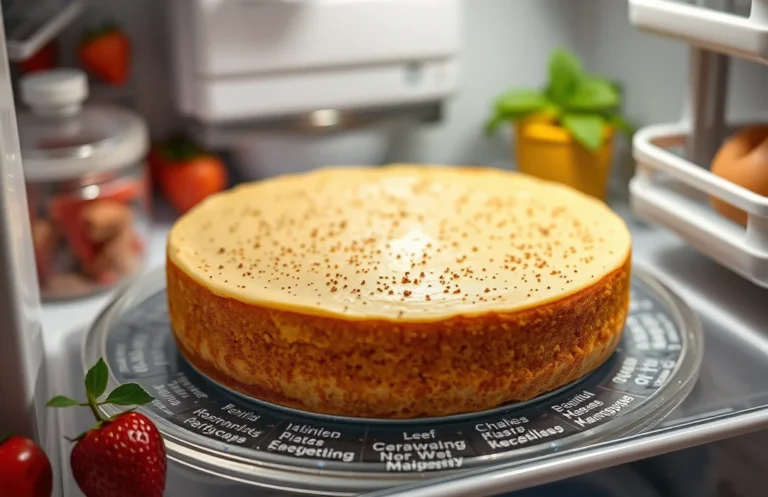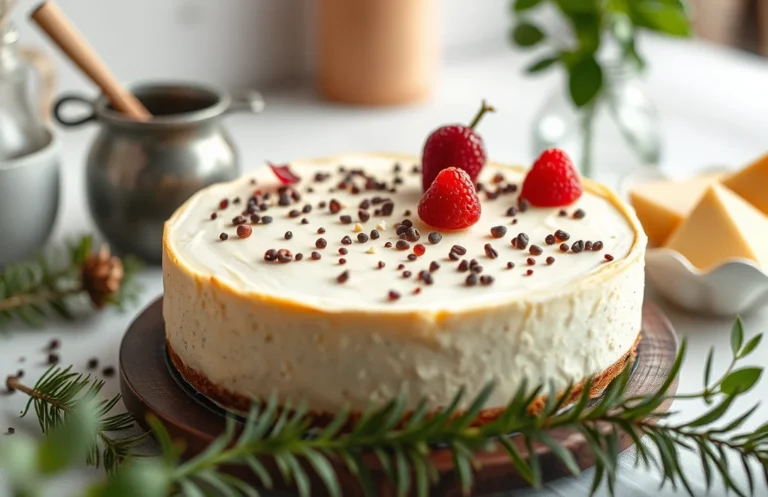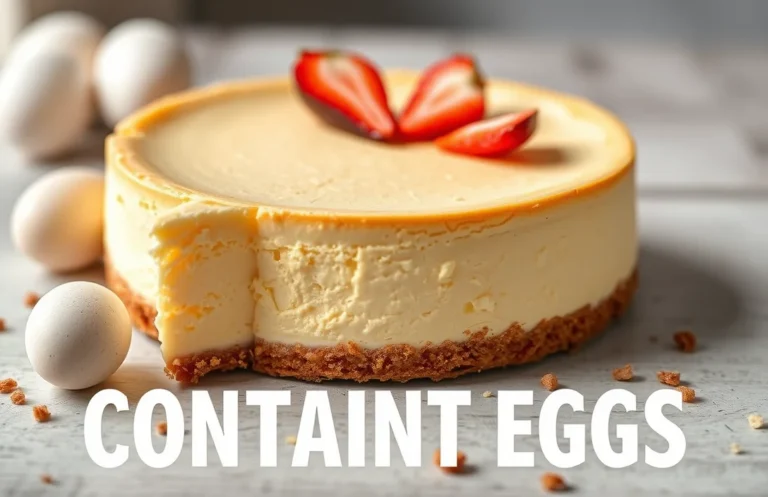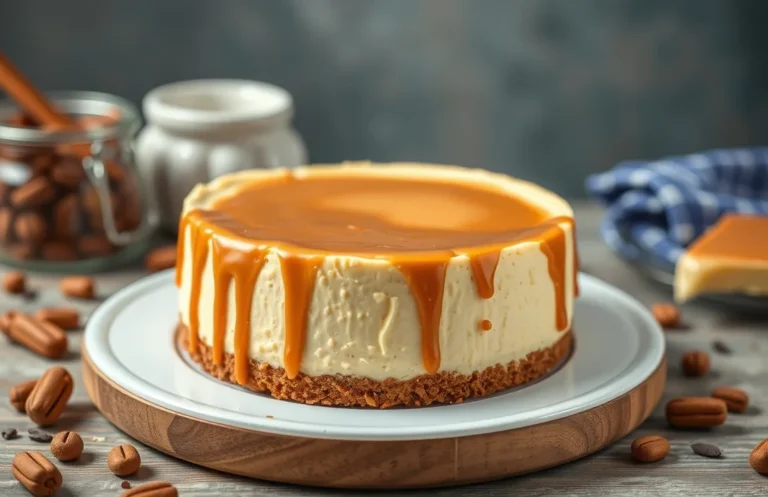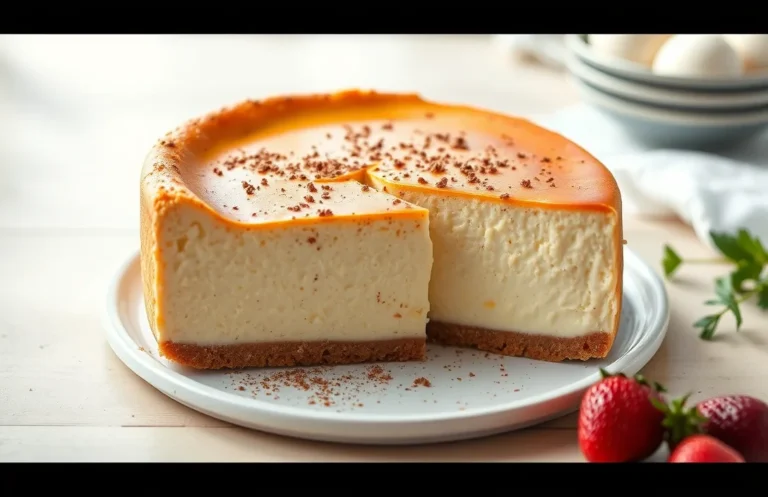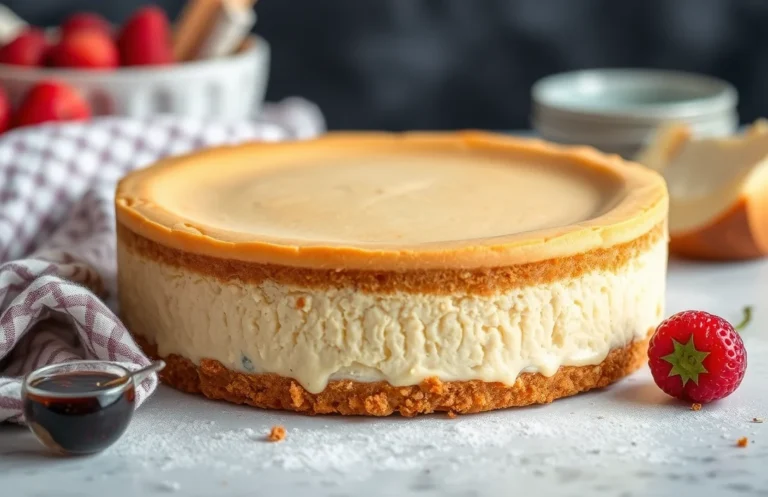
Does Cheesecake Have Gluten? Discover Gluten-Free Recipes Today
Cheesecake is that sublime dessert that can turn any ordinary day into a special occasion. With its creamy texture and rich flavor, it’s a crowd-pleaser that brings everyone together, whether for a birthday celebration or a cozy weeknight treat. Just the thought of a slice topped with fresh berries makes my mouth water!
Wondering about gluten? Traditional cheesecakes often contain gluten, but don’t worry! You’ll find easy gluten-free alternatives here, along with tested recipes. Expect total time: 1 hour 15 minutes, difficulty: easy, and servings: 8.
| Prep Time | Cook Time | Total Time | Servings | Difficulty |
|---|---|---|---|---|
| 15 minutes | 60 minutes | 1 hour 15 minutes | 8 | Easy |
Cheesecake Origins and Significance
Understanding the origins and cultural significance of cheesecake sheds light on its traditional ingredients, including whether it contains gluten. Cheesecake’s rich history reveals how different cultures have adapted this beloved dessert, impacting its gluten content in various recipes.
Historical Background
Cheesecake dates back to ancient Greece, where it was served to athletes during the first Olympic Games in 776 B.C. The earliest known recipe was found in a book by the Roman gourmet Apicius. As the dessert spread throughout Europe, local ingredients influenced its evolution:
- Greece: Often made with simple ingredients like soft cheese and honey.
- Italy: The introduction of ricotta cheese gave rise to the famous Italian cheesecake.
- New York: The modern cream cheese version became popular in the U.S. in the early 20th century.
Cultural Variations
Different cultures have developed unique takes on cheesecake, often altering the crust and filling ingredients:
- Japanese: Known for its light, fluffy texture, often made without a traditional crust.
- German: Typically uses quark cheese, resulting in a denser, creamier texture.
- Polish: Made with twaróg, a type of farmer’s cheese, often flavored with fruit.
Chef’s tip: The type of crust used in cheesecake plays a significant role in its gluten content. Traditional graham cracker crusts contain gluten, while alternatives can be made with nut flours or gluten-free cookies.
Ingredients and Gluten Content
Understanding the ingredients commonly used in traditional cheesecake is crucial for determining its gluten content. This section will detail the typical components of cheesecake and identify which of these ingredients may contain gluten, as well as offer insights into gluten-free alternatives.
| Item | Amount/Specification | Notes |
|---|---|---|
| Graham cracker crumbs | 1 ½ cups (150g) | Contains gluten unless using gluten-free crackers. |
| Unsalted butter | ½ cup (115g) | Gluten-free. |
| Sugar | ¾ cup (150g) | Gluten-free. |
| Cream cheese | 2 (8 oz) packages (450g) | Gluten-free. |
| Sour cream | 1 cup (240g) | Gluten-free. |
| Eggs | 3 large | Gluten-free. |
| Vanilla extract | 1 teaspoon (5ml) | Check label for gluten-free. |
- Common Mistake: Using regular graham crackers can introduce gluten into your cheesecake. Always opt for gluten-free versions if needed.
- Look for certified gluten-free labels on all dairy products and extracts to avoid cross-contamination.
- For a gluten-free crust, consider using almond flour or gluten-free cookies crushed into crumbs.
Gluten-Free Ingredient Alternatives
This section highlights gluten-free substitutes for traditional cheesecake ingredients, ensuring that everyone can enjoy this delicious dessert without worrying about gluten. Knowing how to swap out specific items can make all the difference in achieving that perfect cheesecake texture and flavor.
Gluten-Free Crusts
| Item | Amount/Specification | Notes |
|---|---|---|
| Almond Flour | 1 ½ cups (150g) | Use for a nutty, rich flavor. |
| Gluten-Free Graham Cracker Crumbs | 1 ½ cups (150g) | Look for brands that specify gluten-free. |
| Oats (certified gluten-free) | 1 ½ cups (120g) | Blend into flour for a different texture. |
Cheese and Sweetener Substitutes
| Item | Amount/Specification | Notes |
|---|---|---|
| Cream Cheese | 16 oz (450g) | Ensure it’s gluten-free; most brands are. |
| Greek Yogurt | 1 cup (240g) | For a lighter texture, use full-fat. |
| Granulated Sugar | ¾ cup (150g) | Regular sugar is gluten-free; consider coconut sugar for a caramel flavor. |
- Tip: When using almond flour, be mindful of the moisture content; you may need to adjust your fat levels in the recipe.
- For a cheesecake that sets well, ensure you blend your filling until smooth and creamy.
- If your crust crumbles too much, add a tablespoon of melted butter to bind it better.
Gluten-Free Cheesecake Recipes
Finding delicious gluten-free cheesecake recipes is essential for anyone avoiding gluten but still craving the creamy, rich goodness of this classic dessert. Below are three tested recipes for gluten-free cheesecakes, each with specific measurements and instructions to ensure your baking success.
Classic Gluten-Free Cheesecake
- Crust:
- 1 ½ cups gluten-free graham cracker crumbs
- ⅓ cup granulated sugar
- ½ cup unsalted butter, melted
- Filling:
- 4 (8-ounce) packages cream cheese, softened
- 1 cup granulated sugar
- 1 teaspoon vanilla extract
- 4 large eggs
- 1 cup sour cream
- Preheat your oven to 325°F (163°C). This temperature is crucial for a creamy texture.
- In a bowl, combine the gluten-free graham cracker crumbs, sugar, and melted butter. Press the mixture firmly into the bottom of a 9-inch springform pan. Bake for 10 minutes until lightly golden.
- In a large mixing bowl, beat the softened cream cheese until smooth. Gradually add sugar and vanilla, mixing until well combined. Scrape the sides of the bowl as needed.
- Add the eggs one at a time, beating just until incorporated. Avoid overmixing to prevent cracks.
- Fold in the sour cream until smooth. Pour the filling over the crust and smooth the top.
- Bake for 55-60 minutes until the edges are set but the center is slightly jiggly. Turn off the oven and leave the cheesecake inside for 1 hour.
- Chill in the refrigerator for at least 4 hours before serving.
Chef’s tip: To prevent cracks, bake your cheesecake in a water bath using a larger pan with hot water.
Chocolate Gluten-Free Cheesecake
- Crust:
- 1 ½ cups gluten-free chocolate cookie crumbs
- ⅓ cup granulated sugar
- ½ cup unsalted butter, melted
- Filling:
- 4 (8-ounce) packages cream cheese, softened
- 1 cup granulated sugar
- 1 teaspoon vanilla extract
- 4 large eggs
- 1 cup semi-sweet chocolate chips, melted
- 1 cup sour cream
- Preheat the oven to 325°F (163°C).
- Mix chocolate cookie crumbs, sugar, and melted butter in a bowl. Press into a 9-inch springform pan and bake for 10 minutes.
- In a large bowl, beat cream cheese until smooth. Gradually add sugar and vanilla.
- Add melted chocolate and mix until combined. Then, add eggs one at a time, mixing just until incorporated.
- Fold in sour cream, pour into the crust, and smooth the top.
- B
Step-by-Step Baking Instructions
In this section, we’ll cover the precise steps to prepare and bake a gluten-free cheesecake, ensuring a delicious outcome every time. By following these instructions closely, you’ll create a creamy, decadent cheesecake without any gluten, perfect for anyone with dietary restrictions.
Preparation Steps
- Gather your ingredients: You will need 1 ½ cups gluten-free graham cracker crumbs, ½ cup unsalted butter (melted), 2 tablespoons granulated sugar, 4 (8-ounce) packages of cream cheese (softened), 1 cup granulated sugar, 1 teaspoon vanilla extract, and 4 large eggs. Ensure all ingredients are at room temperature for better mixing.
- Preheat your oven: Set your oven to 325°F (163°C) to ensure even baking. This temperature will help create a smooth texture without overcooking the edges.
- Prepare the crust: In a medium bowl, combine the gluten-free graham cracker crumbs, melted butter, and 2 tablespoons of sugar. Mix until the crumbs are evenly moistened and resemble wet sand. Press the mixture firmly into the bottom of a 9-inch springform pan to create an even layer.
Baking Process
- Bake the crust: Place the crust in the preheated oven and bake for 10 minutes until lightly golden. Remove it from the oven and let it cool while you prepare the filling.
- Make the filling: In a large mixing bowl, beat the softened cream cheese with an electric mixer on medium speed until smooth and creamy, about 2-3 minutes. Gradually add 1 cup of sugar and 1 teaspoon of vanilla, mixing until fully combined.
- Add the eggs: Add the eggs one at a time, mixing on low speed after each addition just until blended. Overmixing can incorporate too much air, leading to cracks in your cheesecake.
- Pour and bake: Pour the filling over the cooled crust, smoothing the top with a spatula. Bake in the oven for 55-65 minutes until the edges are set but the center is slightly jiggly. The cheesecake will firm up as it cools.
- Cool and chill: Once baked, turn off the oven and crack the door, letting the cheesecake cool in the oven for 1 hour. This helps prevent cracks. Afterward, refrigerate for at least 4 hours, preferably overnight, before serving.
Tips for Successful Gluten-Free Cheesecakes
Creating a gluten-free cheesecake can be a delightful experience, but there are some common pitfalls to avoid for the best results. Here, I’ll share essential tips for preventing cracks and enhancing the overall texture of your cheesecake.
Avoiding Cracks
- Mix at low speed: When combining your ingredients, use a hand mixer on low speed to avoid incorporating too much air. Excess air can cause cracks as the cheesecake bakes and cools.
- Use a water bath: Baking your cheesecake in a water bath (bain-marie) helps to regulate the temperature and creates steam, which prevents the surface from drying out and cracking. Wrap your pan in aluminum foil to prevent water from seeping in.
- Don’t overbake: Keep an eye on your cheesecake as it bakes at 325°F (163°C). It is done when the edges are set but the center still jiggles slightly. This usually takes about 50-60 minutes.
Texture Tips
- Room temperature ingredients: Ensure your cream cheese, eggs, and sour cream are at room temperature before mixing. This helps create a smooth, lump-free batter.
- Use cornstarch or gluten-free flour: Substitute 2 tablespoons of cornstarch or a gluten-free flour blend for every 1 cup of cream cheese in your recipe to help stabilize the filling and improve texture.
- Cool gradually: After baking, turn off the oven and crack the door open, allowing the cheesecake to cool slowly inside. This gradual cooling helps prevent cracks from forming.
Serving and Pairing Ideas
When it comes to serving cheesecake, presentation and the right beverage pairings can elevate this delicious dessert to new heights. Whether you’re serving a traditional cheesecake or a gluten-free version, these ideas will help you create an impressive and enjoyable experience.
Plating Techniques
- Start with a clean, simple plate. Consider using a white plate to make the cheesecake’s colors pop. Place a slice of cheesecake in the center, allowing for a generous portion that looks inviting.
- Drizzle a complementary sauce around the cheesecake. A raspberry coulis or chocolate ganache can add visual appeal and enhance flavor. For a gluten-free option, ensure the sauce ingredients are gluten-free by checking labels.
- Add a garnish for freshness. A sprig of mint or a few fresh berries can brighten the plate. This not only adds color but also introduces a contrasting texture to your creamy cheesecake.
Beverage Pairings
- Pair your cheesecake with coffee or espresso. The rich, bold flavors of coffee balance the sweetness of the cheesecake, making for a satisfying conclusion to any meal. Consider serving a shot of espresso alongside for an elegant touch.
- For a refreshing option, serve your cheesecake with iced tea or lemonade. The acidity from these beverages cuts through the creaminess, creating a well-rounded taste experience. Make sure to opt for unsweetened versions to avoid overpowering the dessert’s flavors.
- A dessert wine can also be a delightful pairing. A Moscato or late-harvest Riesling offers fruity notes that complement the cheesecake’s richness without overwhelming it. Serve chilled for the best experience.
Quick Summary
| Prep Time | 15 minutes |
|---|---|
| Cook Time | 60 minutes |
| Total Time | 1 hour 15 minutes |
| Servings | 8 |
- Check the crust: Use gluten-free graham crackers or nuts for a gluten-free option.
- Room temperature ingredients: Ensure cream cheese and eggs are at room temperature for smooth mixing.
- Bake in a water bath: This helps prevent cracks and keeps the cheesecake creamy.
- Cool gradually: Let the cheesecake cool in the oven with the door ajar to avoid sudden temperature changes.
- Chill before serving: Refrigerate for at least 4 hours for best texture and flavor.
Frequently Asked Questions
Can I make this cheesecake ahead of time? How to store and reheat?
You can definitely make cheesecake up to 2 days in advance. Store it in the refrigerator, covered tightly with plastic wrap, and serve it cold without reheating for the best texture.
What can I substitute for the graham cracker crust?
You can use crushed gluten-free cookies, such as almond flour cookies or gluten-free digestive biscuits, for a gluten-free crust. Just make sure to mix them with melted butter in the same ratio as the graham cracker crust recipe calls for.
How do I know when my cheesecake is done?
Your cheesecake is done when the edges are set but the center still has a slight jiggle, typically around 45-55 minutes at 325°F (163°C). It will continue to firm up as it cools, so don’t overbake!
Can I freeze this cheesecake? How long does it last?
You can freeze cheesecake for up to 2 months; just wrap it tightly in plastic wrap and then aluminum foil. Thaw it in the refrigerator overnight before serving to maintain its creamy texture.
Why did my cheesecake turn out cracked?
Cracks often occur due to rapid temperature changes during baking; baking at a lower temperature and using a water bath can help prevent this. If you see cracks, don’t worry—just top it with a fruit sauce or whipped cream to hide them!

- Decadent Peanut Butter No-Bake Cheesecake: Easy Recipe to Indulge - April 3, 2026
- Delicious Mango No-Bake Cheesecake: Step-by-Step Recipe - April 3, 2026
- Decadent Raspberry No-Bake Cheesecake: Easy Step-by-Step Recipe - April 3, 2026