Does Cheesecake Need Eggs? Recipes with & Without for You
Cheesecake is that luscious dessert that brings smiles to every gathering, rich and creamy with a buttery crust that just melts in your mouth. The addition of eggs gives it that perfect custardy texture, making each bite feel like an indulgence. Trust me, you’ll crave this classic treat!
Get ready for 3 delicious cheesecake recipes with eggs alongside 3 delightful eggless options. Total time is about 1 hour 45 minutes, with a medium difficulty level, serving 8 people.
| Prep Time | Cook Time | Total Time | Servings | Difficulty |
|---|---|---|---|---|
| 25 minutes | 1 hour | 1 hour 45 minutes | 8 | Medium |
Cheesecake Origins and Significance
Understanding the origins and cultural significance of cheesecake sets the stage for exploring the role of eggs in this beloved dessert. Cheesecake has evolved over centuries, with its ingredients often reflecting the culinary practices of different cultures.
- History of Cheesecake: The earliest known cheesecake dates back to ancient Greece, where it was served to athletes at the first Olympic Games. The Romans later adapted the recipe, incorporating their own ingredients, paving the way for the delicious varieties we enjoy today.
- Cultural Significance: Cheesecake holds a special place in various cultures. For example, in the United States, it is often associated with celebrations and special occasions such as birthdays and holidays, symbolizing indulgence and festivity.
- Occasions for Serving: Traditionally, cheesecake is served during festive gatherings, weddings, and seasonal celebrations. Its creamy texture and rich flavor make it a favorite for both casual and formal events, often becoming the centerpiece of dessert tables.
Eggs in Cheesecake Recipes
Understanding the role of eggs in cheesecake recipes is essential for achieving that perfect creamy texture and rich flavor. Eggs act as a binding agent, contribute to the overall texture, and enhance the flavor of the cheesecake, making them a crucial ingredient in traditional recipes.
Binding Agent
One of the primary functions of eggs in cheesecake is to bind the ingredients together. This ensures that the cheesecake holds its shape when sliced. Without eggs, the filling may be too loose and could fall apart. Here’s how eggs help:
- Eggs coagulate during baking, creating a stable structure.
- They help to emulsify the fats and liquids, leading to a consistent texture.
Texture Contribution
Eggs play a vital role in the texture of the cheesecake. The combination of egg whites and yolks affects the creaminess and density:
- Whole eggs create a denser, richer cheesecake.
- Using only egg whites can result in a lighter, fluffier texture.
When baked, the cheesecake should have a slightly jiggly center that firms up as it cools. This indicates that the eggs have properly set the filling without overcooking it.
Flavor Enhancement
Besides binding and texture, eggs contribute to the overall flavor profile:
- They add a subtle richness that complements the cream cheese.
- Eggs can enhance the sweetness and depth of flavor when mixed with other ingredients.
Chef’s tip: Always use room temperature eggs for a smoother batter, as they blend more easily with the cream cheese.
| Ingredients | Measurement |
|---|---|
| Eggs | 3 large eggs |
Whether you are making a classic New York cheesecake or experimenting with flavors, the inclusion of eggs is key to achieving that luscious, creamy dessert you desire.
Traditional Cheesecake Recipes with Eggs
Cheesecakes that include eggs tend to be rich, creamy, and decadent, with eggs serving as a binder that gives the cheesecake its signature texture. Here are three classic cheesecake recipes that highlight the role of eggs in achieving that perfect consistency.
New York Style Cheesecake
- 2 cups graham cracker crumbs (200g)
- ½ cup unsalted butter, melted (113g)
- 4 (8 oz) packages cream cheese, softened (900g)
- 1 cup granulated sugar (200g)
- 4 large eggs
- 1 teaspoon vanilla extract
- ½ cup sour cream (120g)
- Preheat your oven to 350°F (175°C). In a mixing bowl, combine the graham cracker crumbs with melted butter until they resemble wet sand. Press this mixture into the bottom of a 9-inch springform pan.
- In a large bowl, beat the softened cream cheese with an electric mixer until smooth. Gradually add the sugar and mix until combined.
- Add the eggs one at a time, mixing on low speed after each addition until fully incorporated. Fold in vanilla extract and sour cream until the mixture is creamy and smooth.
- Pour the cream cheese mixture over the crust and smooth the top. Bake for 60-70 minutes, or until the edges are set but the center is still slightly jiggly. Turn off the oven and leave the cheesecake inside for an hour.
- Remove from the oven, cool to room temperature, then refrigerate for at least 4 hours before serving.
Chef’s tip: For a perfectly smooth cheesecake, ensure all ingredients are at room temperature before mixing.
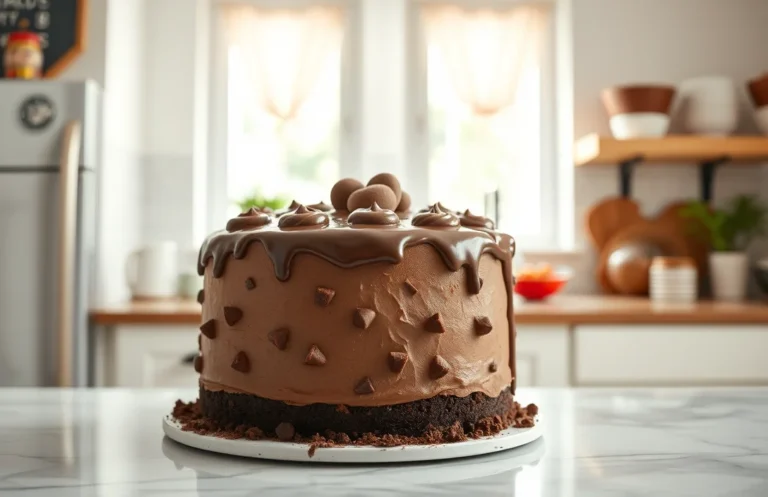
Chocolate Cheesecake
- 1 ½ cups chocolate wafer crumbs (150g)
- ½ cup unsalted butter, melted (113g)
- 4 (8 oz) packages cream cheese, softened (900g)
- 1 cup granulated sugar (200g)
- 4 large eggs
- 1 cup semi-sweet chocolate chips, melted (175g)
- 1 teaspoon vanilla extract
- Preheat the oven to 325°F (160°C). Mix the chocolate wafer crumbs with melted butter and press into the bottom of a 9-inch springform pan.
- In a mixing bowl, beat the cream cheese until smooth. Gradually add the sugar and mix until well combined.
- Add the melted chocolate and mix until fully incorporated, then add the eggs one at a time, mixing on low speed.
- Pour the batter over the crust and bake for 55-60 minutes. The cheesecake should be set around the edges but slightly jiggly in the center.
- Turn off the oven and leave the cheesecake inside for an hour. Cool to room temperature, then refrigerate for at least 4 hours.
Lemon Ricotta Cheesecake
- 1 ½ cups graham cracker crumbs (150g)
- ½ cup unsalted butter, melted (113g)
- 2 cups ricotta cheese (480g)
- 1 cup granulated sugar (
Eggless Cheesecake Variations
If you’re looking to enjoy the creamy goodness of cheesecake without eggs, you’re in for a treat! Here are three delightful eggless cheesecake variations that are not only simple to make but also incredibly satisfying. Each recipe brings a unique flavor profile while ensuring you don’t miss the eggs.
No-Bake Cheesecake
- 1 ½ cups graham cracker crumbs (150g)
- ½ cup unsalted butter, melted (115g)
- 16 oz cream cheese, softened (450g)
- 1 cup powdered sugar (120g)
- 1 teaspoon vanilla extract
- 1 cup heavy whipping cream (240ml)
- In a medium bowl, combine graham cracker crumbs and melted butter until well mixed. Firmly press the mixture into the bottom of a 9-inch springform pan. Chill in the refrigerator for 30 minutes.
- In a large mixing bowl, beat the softened cream cheese until smooth. Gradually add powdered sugar and vanilla, mixing until fully incorporated and creamy.
- In a separate bowl, whip the heavy cream until stiff peaks form. Gently fold the whipped cream into the cream cheese mixture. Pour the filling over the crust and smooth the top.
- Refrigerate for at least 4 hours, or until set. Serve chilled and enjoy!
Chef’s tip: For a flavored cheesecake, consider adding lemon zest or melted chocolate to the filling before chilling.
Vegan Cashew Cheesecake
- 1 ½ cups raw cashews, soaked for 4 hours (225g)
- ¼ cup maple syrup (60ml)
- ½ cup coconut milk (120ml)
- 1 teaspoon vanilla extract
- ½ cup coconut oil, melted (120ml)
- 1 cup almond flour (100g)
- Drain and rinse the soaked cashews. In a blender, combine cashews, maple syrup, coconut milk, vanilla extract, and melted coconut oil. Blend until smooth and creamy.
- In a bowl, mix almond flour with a pinch of salt. Press the mixture into the bottom of a 9-inch pie pan to form the crust.
- Pour the cashew filling over the crust and spread evenly. Chill in the refrigerator for at least 6 hours, or until firm.
- Slice and serve with fresh berries or a fruit compote on top for added flavor.
Fruit-Based Cheesecake
- 1 ½ cups cream cheese, softened (340g)
- 1 cup mascarpone cheese (250g)
- 2 cups mixed berries (fresh or frozen) (300g)
- ¾ cup sugar (150g)
- 1 tablespoon lemon juice
- 1 teaspoon vanilla extract
- In a mixing bowl, beat the cream cheese and mascarpone cheese until smooth. Gradually add sugar, lemon juice, and vanilla extract, mixing until combined.
- In a saucepan, cook the mixed berries over medium heat until they begin to break down, about 5-7 minutes. Let cool slightly.
- Fold the
Adjusting for Eggs or No Eggs
Understanding how to adjust your cheesecake recipe based on the inclusion or exclusion of eggs is essential for achieving the perfect texture and flavor. Eggs play a crucial role in binding and creating a creamy consistency, while eggless options can still yield delightful results with the right modifications.
-
Adjusting Texture
When using eggs in your cheesecake, aim for a smooth and creamy texture. The eggs help to set the filling while adding richness. If you’re making an eggless cheesecake, consider using ingredients like silken tofu or vegan cream cheese for a similarly creamy texture. You may also want to add 1 tablespoon of cornstarch per egg you’re replacing to help thicken the filling.
-
Baking Time Modifications
Cheesecakes with eggs typically need to bake at 325°F (160°C) for about 50-60 minutes. If you’re baking an eggless cheesecake, reduce the temperature to 300°F (150°C) and bake for 45-50 minutes, checking for a slight jiggle in the center when it’s done. The cheesecake will firm up as it cools, so don’t worry if it seems a bit soft initially.
-
Substitutes for Eggs
If you need to replace eggs in your cheesecake, consider using ¼ cup of unsweetened applesauce or ¼ cup of mashed banana for each egg. Another great option is to mix 1 tablespoon of ground flaxseed with 2.5 tablespoons of water, letting it sit for 5 minutes to thicken. This mixture acts as a binder similar to eggs, helping your cheesecake maintain structure.
Serving and Plating Suggestions
Serving your cheesecake beautifully enhances the overall experience, making it not only delicious but visually appealing too. Here are some ideas for garnishing, flavor pairings, and optimal serving temperatures to elevate your cheesecake that includes eggs.
- Garnishing Ideas: Consider topping your cheesecake with fresh fruit like strawberries, raspberries, or blueberries. A light dusting of powdered sugar adds a delicate touch. For a more decadent twist, drizzle with chocolate or caramel sauce. Use a piping bag to add dollops of whipped cream to each slice for a professional finish.
- Flavor Pairings: Pair your cheesecake with complementary flavors to enhance its richness. A dollop of sour cream or Greek yogurt can balance sweetness, while a side of tangy fruit compote adds brightness. For a nutty contrast, serve with crushed pistachios or toasted almonds on the side.
- Serving Temperature: Cheesecake is best served chilled, so ensure it’s been in the refrigerator for at least 4 hours or overnight before slicing. For the most enjoyable texture, let it sit at room temperature for about 15-20 minutes before serving. This allows the flavors to bloom and the cheesecake to soften slightly for easier slicing.
Chef’s tip: Always use a sharp knife to cut clean slices, dipping it in hot water and wiping it dry between cuts for a neat presentation.
Quick Summary
| Prep Time | 20 minutes |
|---|---|
| Cook Time | 60 minutes |
| Total Time | 1 hour 20 minutes |
| Servings | 8 |
- Preheat oven to 325°F (163°C) for even baking.
- Beat eggs separately before adding to the cream cheese mixture for a smooth texture.
- Bake in water bath to prevent cracks and ensure creamy consistency.
- Cool slowly in the oven with the door slightly ajar to avoid temperature shock.
- Chill overnight in the refrigerator for best flavor and texture.
- Use room temperature ingredients for better incorporation.
- Avoid overbaking to keep the cheesecake moist and creamy.
Frequently Asked Questions
Can I make this cheesecake ahead of time? How to store and reheat?
You can definitely make this cheesecake up to 2-3 days in advance. Store it in the refrigerator, covered with plastic wrap, and serve it chilled without reheating.
What can I substitute for eggs in this cheesecake?
If you’re looking for an egg substitute, you can use 1/4 cup of unsweetened applesauce or 1/4 cup of silken tofu blended until smooth for each egg.
How do I know when my cheesecake is done?
Your cheesecake is done when the edges are set and the center still has a slight jiggle. It should not be completely firm; it will continue to set as it cools.
Can I freeze this cheesecake? How long does it last?
Yes, you can freeze the cheesecake for up to 2-3 months. Wrap it tightly in plastic wrap and then in aluminum foil to prevent freezer burn.
Why did my cheesecake turn out cracked on top?
A cracked top usually indicates that the cheesecake was overbaked or baked at a temperature that was too high. To prevent this, bake at a lower temperature and avoid opening the oven door during baking.

- Decadent Peanut Butter No-Bake Cheesecake: Easy Recipe to Indulge - April 3, 2026
- Delicious Mango No-Bake Cheesecake: Step-by-Step Recipe - April 3, 2026
- Decadent Raspberry No-Bake Cheesecake: Easy Step-by-Step Recipe - April 3, 2026