How Long Can Cheesecake Last in the Fridge? Shelf Life & Tips
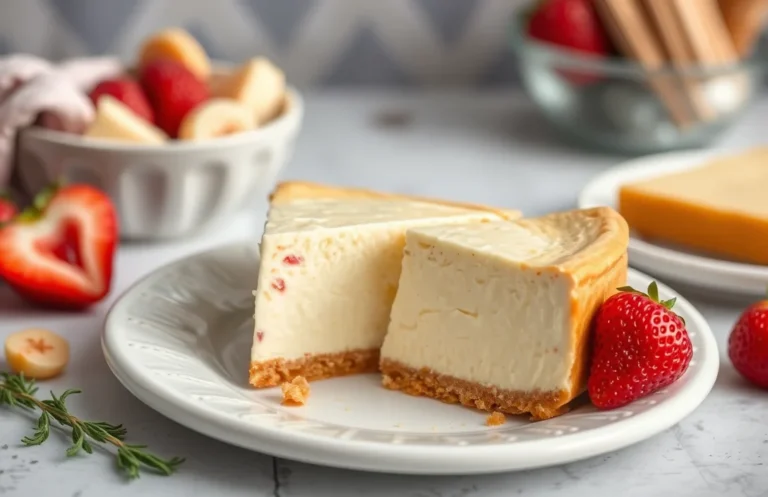
Cheesecake is one of those desserts that feels like a warm hug after a long day. Imagine the creamy texture melting in your mouth, with just the right amount of sweetness balancing out a buttery crust. It’s a true crowd-pleaser, perfect for any occasion, whether it’s a family gathering or a cozy night in.
Key details: Total time: 4 hours (including chilling), Difficulty level: Easy, Servings: 8.
| Prep Time | Cook Time | Total Time | Servings | Difficulty |
|---|---|---|---|---|
| 30 minutes | 1 hour | 4 hours | 8 | Easy |
Now that you’re hungry and ready to whip up a delicious cheesecake, let’s dive into how long that delectable creation can last in the fridge and the best ways to store it!
Cheesecake History
Understanding the history of cheesecake provides insight into its evolution and significance in various cultures. This rich dessert has a storied past that influences how we enjoy it today, including its preservation methods.
- Origin of Cheesecake: The earliest known cheesecake dates back to ancient Greece, where it was made with fresh cheese, honey, and wheat. This simple blend was served to athletes during the first Olympic games, showcasing its importance in Greek culture.
- Cultural Significance: As cheesecake spread through Europe, it took on various forms, such as the Italian ricotta cheesecake and the German Käsekuchen. Each region added its unique touch, adapting ingredients and techniques, which ultimately influenced its storage practices, including refrigeration methods that extend shelf life.
- Modern Variations: Today, cheesecake has evolved into numerous styles, from New York-style with its dense texture to no-bake versions. The variety in recipes reflects diverse culinary traditions, and understanding these differences can help home cooks determine proper refrigeration times to ensure freshness.
Cheesecake Types
Understanding the different types of cheesecakes is essential for knowing how long they can last in the fridge. Each type has unique ingredients and textures, which can affect its storage life and spoilage signs.
Baked Cheesecake
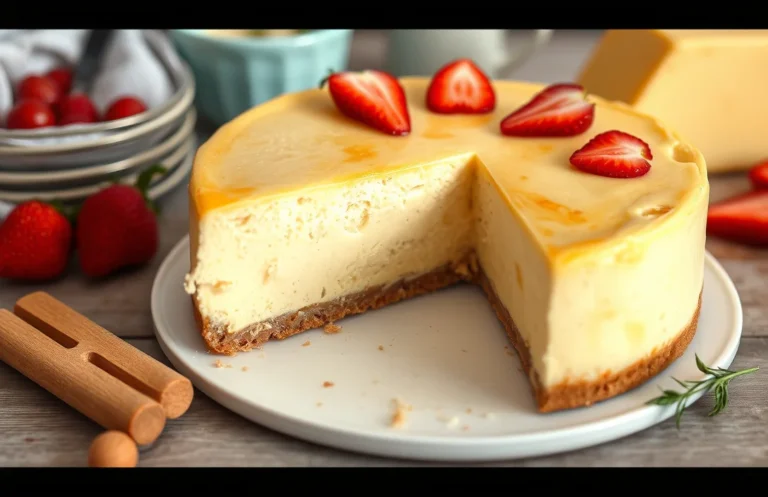
Baked cheesecakes are rich and creamy, made with cream cheese, eggs, and sugar, then baked to set. When stored properly, a baked cheesecake can last for about 5 to 7 days in the fridge. Here’s how to store it:
- Allow the cheesecake to cool to room temperature.
- Cover it tightly with plastic wrap or aluminum foil.
- Store it in an airtight container to prevent moisture loss.
Chef’s tip: Always let your baked cheesecake cool completely to avoid condensation which can lead to sogginess.
No-Bake Cheesecake
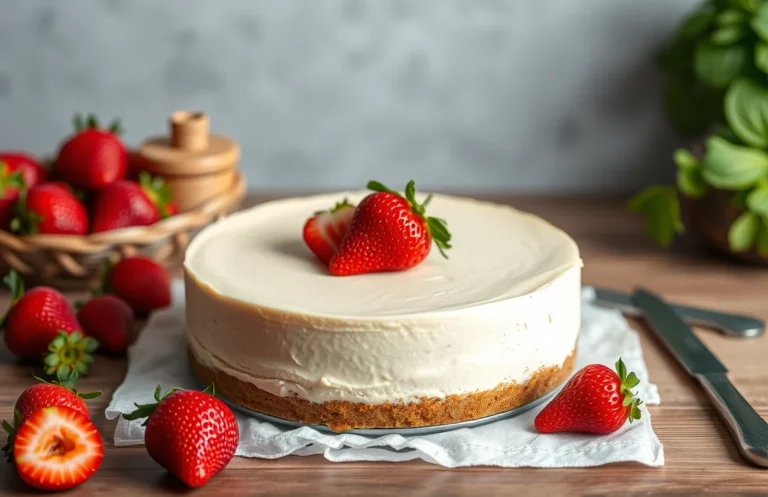
No-bake cheesecakes are lighter and often made with whipped cream or whipped topping instead of eggs. These cheesecakes typically last about 3 to 5 days in the fridge. To ensure freshness:
- Refrigerate the cheesecake as soon as it sets, usually after about 4 hours in the fridge.
- Cover with a lid or plastic wrap to prevent it from absorbing other odors.
Signs of spoilage for both types of cheesecake include:
- Off smell or sour odor
- Visible mold growth
- Texture changes, such as excessive creaminess or dryness
Keep these factors in mind to enjoy your cheesecakes at their best!
Storage Timeframes
Understanding how long cheesecake can last in the fridge is crucial for both safety and quality. Proper storage ensures that your cheesecake remains delicious and safe to eat, allowing you to enjoy every bite without worry.
General Guidelines
- Unbaked cheesecake: Can last in the fridge for up to 2 days. It’s best to wrap it tightly in plastic wrap or aluminum foil.
- Baked cheesecake: Can be stored for up to 5-7 days. Make sure to cover it with plastic wrap or keep it in an airtight container to maintain freshness.
- Cheesecake with toppings: If your cheesecake has fruit or whipped cream on top, consume it within 3-4 days for best flavor and texture.
Factors Affecting Shelf Life
Several factors can influence how long your cheesecake stays fresh:
- Ingredients: The type of cheese used (cream cheese, ricotta, etc.) can alter shelf life. Fresh ingredients tend to spoil faster.
- Storage conditions: Ensure your fridge is at or below 40°F (4°C) for optimal storage.
- Moisture levels: Cheesecake with high moisture content may spoil quicker. Use a paper towel to absorb excess moisture before covering it.
Chef’s tip: Always label your cheesecake with the date it was made to keep track of its freshness!
| Type of Cheesecake | Storage Duration |
|---|---|
| Unbaked | Up to 2 days |
| Baked | 5-7 days |
| With Toppings | 3-4 days |
Signs of Spoilage
Understanding the signs of spoilage is crucial to ensure your cheesecake remains safe and delicious. Cheesecakes can last in the fridge for up to 5-7 days, but various factors can affect their freshness. Here are key indicators that your cheesecake has gone bad.
Texture Changes
A fresh cheesecake should have a smooth, creamy texture. If you notice any of the following changes, it’s a sign that your cheesecake may be spoiled:
- Separation: If liquid has pooled on top, it’s best to discard the cheesecake.
- Graininess: A gritty texture indicates that the cheesecake has started to break down.
- Dryness: If the cheesecake feels dry or crumbly to the touch, it is past its prime.
Smell and Taste
The aroma and taste of your cheesecake are essential indicators of its freshness. Pay attention to these signs:
- Off Odor: A sour or rancid smell suggests spoilage; a fresh cheesecake should smell sweet and creamy.
- Taste Test: If the cheesecake has an unusual tang or bitterness, it’s safer to avoid eating it.
Chef’s tip: If you’re unsure about the freshness of your cheesecake, it’s better to err on the side of caution and throw it away.
Proper Storage Tips
Properly storing your cheesecake is essential for maintaining its flavor and texture while ensuring it lasts as long as possible in the fridge. Here are some effective wrapping techniques and container recommendations to keep your cheesecake fresh.
- Choose the Right Container: Opt for an airtight container that can comfortably fit your cheesecake without squishing it. A container that’s too small can create pressure on the top of the cheesecake, affecting its texture. A 9-inch round cake container works well for standard cheesecakes.
- Wrap with Plastic Wrap: If you don’t have an airtight container, wrap your cheesecake tightly with plastic wrap. Make sure to cover it well to prevent any air exposure, which can lead to drying out and absorbing odors from the fridge. Use about 2-3 layers for best results.
- Aluminum Foil for Extra Protection: For added protection, especially if your cheesecake has a delicate topping, wrap it in aluminum foil after the plastic wrap. This extra layer helps keep moisture in and prevents any potential damage to the surface. Ensure the foil is snug but not overly tight to avoid crushing the cheesecake.
- Label and Date: If you plan to store your cheesecake for more than a couple of days, label the container with the date it was made. This will help you keep track of how long it has been in the fridge, ensuring you consume it within the recommended time frame of 5-7 days.
Freezing Cheesecake
Freezing cheesecake is an excellent way to extend its shelf life beyond what refrigeration can offer. When properly frozen, cheesecake can last up to 3 months, allowing you to enjoy this delicious dessert at your convenience. Below are essential methods for freezing and thawing cheesecake to ensure the best texture and flavor.
Freezing Methods
- Cool the Cheesecake: Before freezing, allow your cheesecake to cool completely at room temperature for about 1 hour. This prevents condensation from forming, which can lead to ice crystals and a watery texture.
- Wrap It Up: Once cooled, wrap the cheesecake tightly in plastic wrap. Make sure to cover the entire surface to prevent freezer burn. For added protection, wrap it again with aluminum foil.
- Place in an Airtight Container: If you prefer, you can transfer the wrapped cheesecake to an airtight container. This extra layer of protection will help maintain its flavor and texture. Label the container with the date and type of cheesecake.
Thawing Instructions
- Refrigerator Thawing: To thaw your cheesecake, remove it from the freezer and place it in the refrigerator. Allow it to thaw for 8 to 12 hours, depending on the size of the cheesecake. This method helps preserve its creamy texture.
- Room Temperature Thawing: If you’re short on time, you can thaw it at room temperature for about 1 to 2 hours. Keep an eye on it to prevent it from becoming too soft or soggy.
- Check for Quality: Before serving, inspect the cheesecake for any signs of freezer burn or off odors. If it looks or smells unusual, it’s best to discard it.
Serving Suggestions
Serving cheesecake creatively can enhance its flavor and make it even more enjoyable. Here are some garnishing ideas and beverage pairings to elevate your cheesecake experience, especially when considering its shelf life in the fridge.
Garnishing Ideas
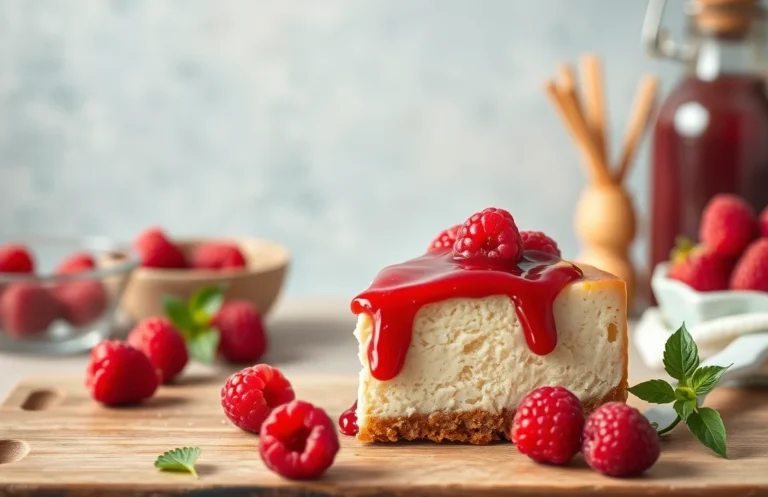
- Drizzle with 1/4 cup raspberry sauce for a fruity contrast.
- Top with 1 cup fresh berries, like strawberries or blueberries, for a refreshing touch.
- Sprinkle with 1/4 cup chopped nuts, such as pecans or walnuts, for added crunch.
- Add a dollop of 1/2 cup whipped cream or a 1/4 cup sour cream for a creamy finish.
- Grate 1 tablespoon chocolate or zest from 1 lemon on top for a burst of flavor.
Beverage Pairings
| Beverage | Notes |
|---|---|
| Coffee | Rich coffee complements the creamy texture of cheesecake. |
| Sweet Wine | A glass of Moscato or Riesling pairs beautifully with fruity cheesecakes. |
| Herbal Tea | Chamomile or mint tea can balance the richness of the dessert. |
| Milkshake | A vanilla or chocolate milkshake provides a nostalgic touch. |
These serving suggestions not only add visual appeal but can also enhance the overall flavor profile of your cheesecake. Remember, a well-stored cheesecake can last in the fridge for about 4 to 7 days, so use these tips to enjoy it to the fullest before it’s time to say goodbye!
Quick Summary
| Prep Time | Cook Time | Total Time | Servings |
|---|---|---|---|
| 20 minutes | 1 hour | 1 hour 20 minutes | 8 servings |
- Storage Duration: Cheesecake lasts 5-7 days in the fridge.
- Cooling Time: Let it cool completely before refrigerating.
- Wrap It Up: Cover tightly with plastic wrap to prevent drying.
- Check for Spoilage: Look for off smells or mold before serving.
- Freezing Option: Can be frozen for up to 2 months if tightly wrapped.
- Tip 1: Use a springform pan for easy removal.
- Tip 2: Allow it to chill overnight for best flavor.
Frequently Asked Questions
Can I make this ahead of time? How to store and reheat?
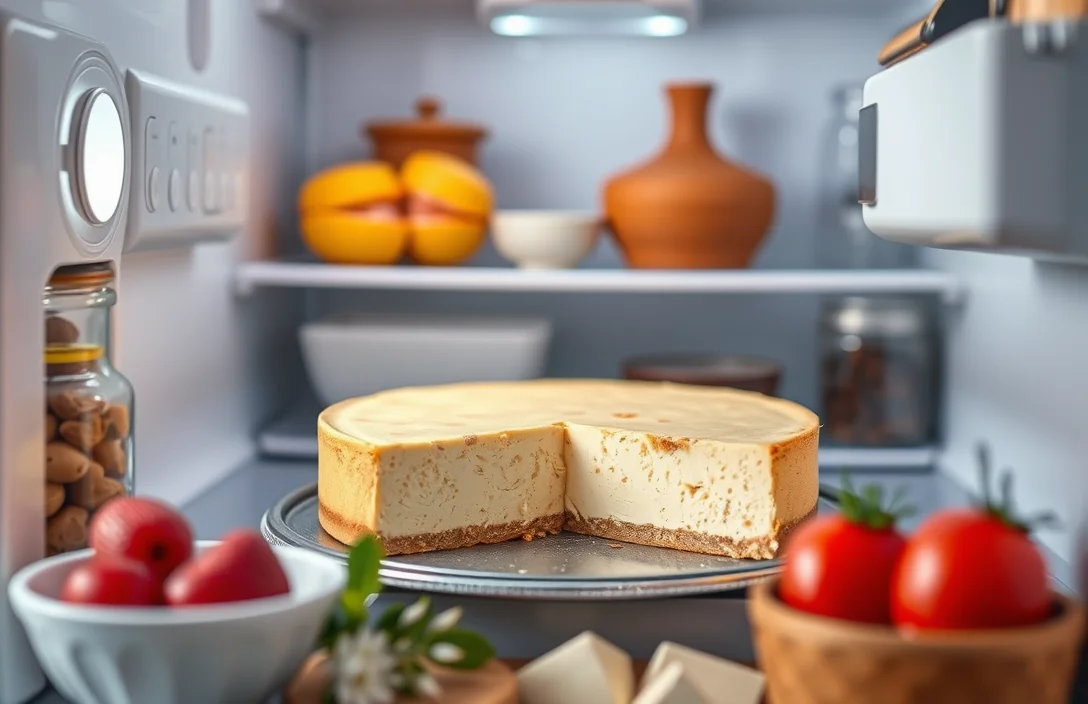
You can definitely make cheesecake ahead of time; it lasts about 5 to 7 days in the fridge. Store it in an airtight container to keep it fresh and avoid any fridge odors.
What can I substitute for cream cheese?
If you’re looking for a substitute, you can use ricotta cheese or mascarpone for a similar texture, but the flavor will be slightly different. Just make sure to blend it well for a smooth consistency.
How do I know when it’s done?
Your cheesecake is done when the edges are set but the center still has a slight jiggle; it should look slightly puffed and not overly wet. It will firm up as it cools, so don’t overbake!
Can I freeze this? How long does it last?
Yes, you can freeze cheesecake, and it will last for about 1 to 2 months in the freezer. Wrap it tightly in plastic wrap and then foil to prevent freezer burn.
What if I don’t have a springform pan?
If you don’t have a springform pan, you can use a standard round cake pan lined with parchment paper, but it may be a bit trickier to remove the cheesecake. Just let it cool completely before trying to take it out!

- Decadent Peanut Butter No-Bake Cheesecake: Easy Recipe to Indulge - April 3, 2026
- Delicious Mango No-Bake Cheesecake: Step-by-Step Recipe - April 3, 2026
- Decadent Raspberry No-Bake Cheesecake: Easy Step-by-Step Recipe - April 3, 2026