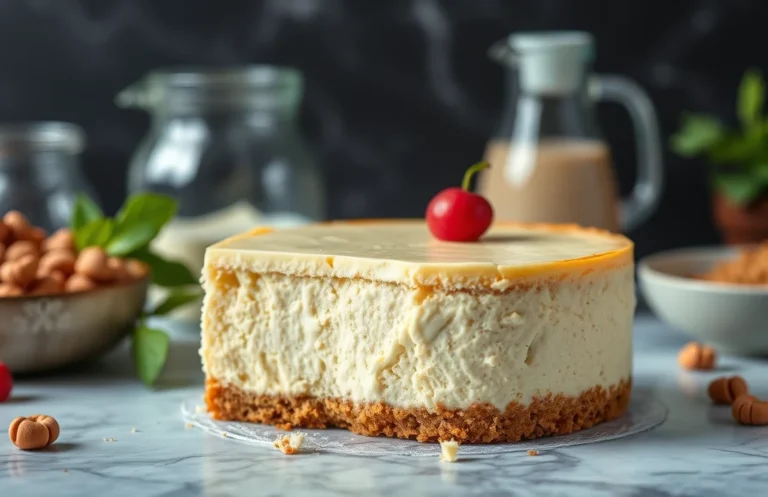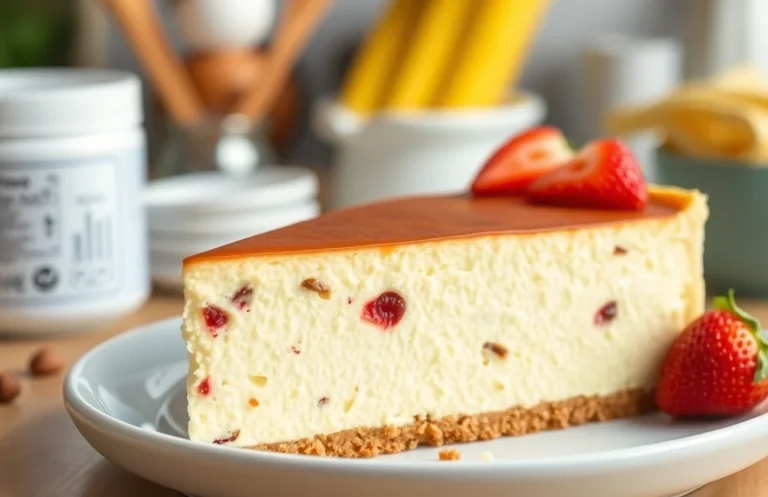
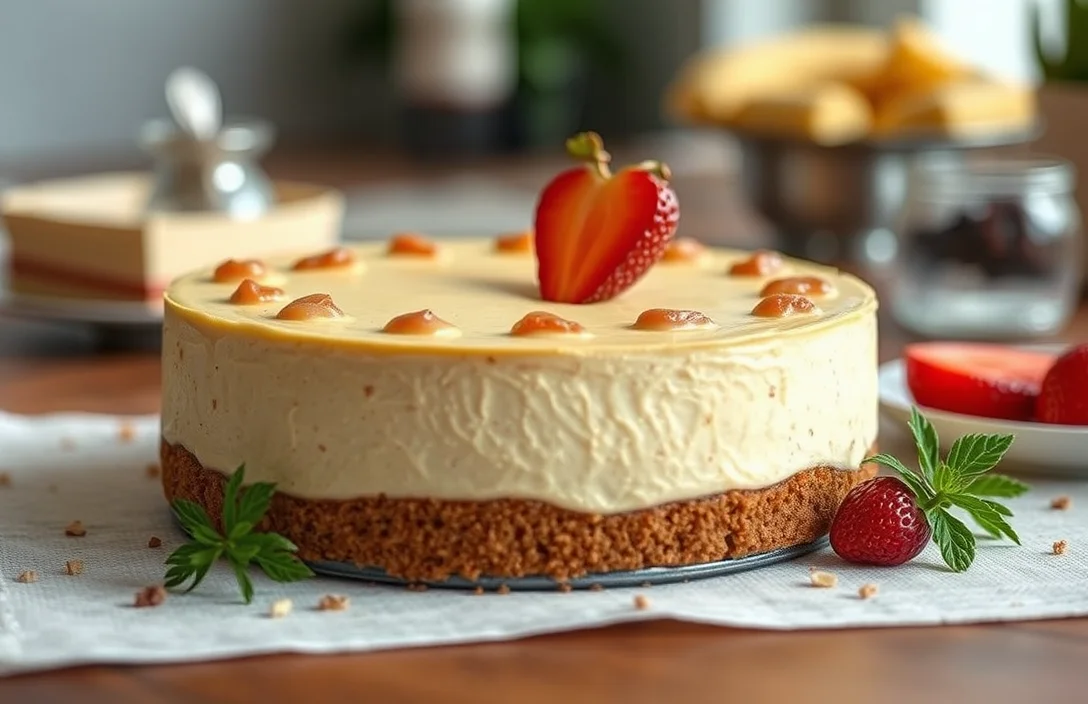
Is Cheesecake Safe During Pregnancy? Tips & Safe Recipe Inside
Cheesecake is one of those delightful desserts that can turn any day into a special occasion. The creamy, velvety texture paired with a buttery crumb crust makes it a favorite for gatherings or a comforting treat at home. Imagine serving a slice of homemade cheesecake to your friends and family, watching their faces light up with every bite!
Get ready for a safe cheesecake recipe perfect for pregnancy! This recipe takes about 30 minutes to prep, has a baking time of 60 minutes, and serves 8. It’s easy to follow, making it a great choice for home cooks at any skill level.
| Prep Time | Cook Time | Total Time | Servings | Difficulty |
|---|---|---|---|---|
| 30 minutes | 60 minutes | 90 minutes | 8 | Easy |
Cheesecake Origins and Significance
This section explores the rich history and cultural importance of cheesecake, particularly in relation to its consumption during pregnancy. Understanding its origins can help inform choices regarding safe ingredients and preparation methods.
Historical Background
Cheesecake has a long history that dates back to ancient Greece, where it was served to athletes during the first Olympic Games in 776 B.C. The Greeks made their cheesecake with simple ingredients like cheese, flour, and honey. Over the centuries, various cultures have put their own spin on this classic dessert, leading to the diverse varieties we enjoy today.
- Ancient Greece: The earliest known cheesecake recipe.
- Roman Era: Cheesecake evolved to include richer ingredients such as eggs and cream.
- Middle Ages: Cheesecake recipes spread throughout Europe, with local variations emerging.
Cultural Variations
Cheesecake has adapted to fit various culinary traditions, making it a beloved dessert worldwide. Here are a few notable variations:
- New York Style: Dense and creamy, made with cream cheese and sour cream.
- Italian Ricotta Cheesecake: Lighter, made with ricotta cheese and often flavored with citrus.
- Japanese Cotton Cheesecake: Fluffy and airy, using whipped egg whites for a unique texture.
“Cultural significance often shapes how we perceive foods during important life stages, such as pregnancy.”
Understanding the historical and cultural context of cheesecake can help you make informed decisions about enjoying this dessert during pregnancy. Next, we will discuss safe ingredients to use in cheesecake to ensure it remains a delightful and safe treat.
Safe Ingredients List
Choosing the right ingredients is essential for safely enjoying cheesecake during pregnancy. This section provides a detailed list of safe ingredients with exact measurements, ensuring you create a delicious and safe cheesecake that minimizes any health risks.
| Item | Amount/Specification | Notes |
|---|---|---|
| Cream Cheese | 450g | Use pasteurized cream cheese for safety. |
| Sugar | 200g | Granulated sugar is preferred. |
| Eggs | 3 large | Ensure they are pasteurized to avoid salmonella. |
- Tip: Always check the packaging to confirm that all dairy products are pasteurized.
- For a lower-fat option, consider using reduced-fat cream cheese, but check its safety for pregnancy.
- If you’re lactose intolerant, explore dairy-free cream cheese alternatives that are also pasteurized.
- Be mindful of any allergies; if you have nut allergies, ensure your ingredients are nut-free.
Necessary Kitchen Equipment
To create a safe and delicious cheesecake while ensuring it meets pregnancy safety guidelines, having the right kitchen equipment is essential. Each tool plays a specific role in achieving the perfect texture and flavor, while also minimizing risks associated with undercooked ingredients.
- Mixing Bowl: Choose a large mixing bowl that can hold at least 4 quarts (4 liters) to accommodate all the ingredients without spilling. A glass or stainless-steel bowl is ideal, as they are non-reactive and easy to clean. This bowl will be where you combine your cream cheese, sugar, and eggs, resulting in a smooth, creamy mixture.
- Springform Pan: A 9-inch (23 cm) springform pan is highly recommended for cheesecake. This design allows easy removal of the cheesecake after baking. Ensure the base is tightly secured to prevent any batter leakage. When baked, the cheesecake should have a slight jiggle in the center, indicating it is set but not overcooked.
- Electric Mixer: An electric mixer, whether handheld or stand, is essential for achieving the perfect creamy texture. Use medium speed to beat the cream cheese until smooth, which should take about 2-3 minutes. This step is crucial; avoid overmixing as it can incorporate too much air, leading to cracks in the cheesecake as it cools.
Step-by-Step Cheesecake Instructions
This section provides detailed instructions for making a safe cheesecake, perfect for pregnant individuals. By following these steps, you can ensure that your cheesecake is both delicious and free from harmful ingredients.
- Preheat the Oven: Begin by preheating your oven to 350°F (175°C). This step is crucial as it ensures that your cheesecake bakes evenly. Once the oven reaches the desired temperature, you can move on to mixing your ingredients.
- Mix Ingredients: In a large mixing bowl, combine 16 ounces (450g) of cream cheese (make sure it’s pasteurized for safety), ½ cup (100g) granulated sugar, and 1 teaspoon of vanilla extract. Use an electric mixer on medium speed for about 5 minutes until the mixture is smooth and creamy, with no lumps. You should see a glossy texture that smells sweet and inviting.
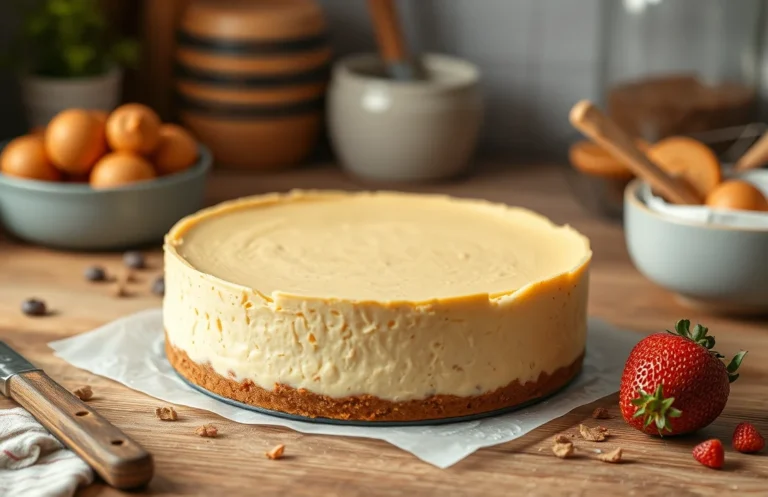
- Bake Time: Pour the cheesecake mixture into a prepared 9-inch (23cm) springform pan. Bake in the preheated oven for 60 minutes. The cheesecake is done when the edges are set but the center still has a slight jiggle. Avoid opening the oven door during the first 20 minutes to prevent cracks from forming.
Chef’s tip: If you notice cracks on the surface after baking, don’t worry! You can cover them up with a layer of fruit topping or whipped cream.
Pro Tips for Perfect Cheesecake
Creating a luscious cheesecake that is safe for pregnancy requires attention to detail and a few key techniques. By following these pro tips, you can ensure your cheesecake turns out perfectly creamy and delicious while avoiding any harmful ingredients.
- Use room temperature ingredients: Ensure all your ingredients, including cream cheese, eggs, and sour cream, are at room temperature (about 70°F or 21°C). This helps them blend smoothly, preventing lumps and ensuring a creamy texture.
- Avoid overmixing: When combining the cheese mixture, mix on low speed until just combined. Overmixing can incorporate too much air, leading to cracks during baking. The batter should be smooth and slightly thick but not airy.
- Follow the cooling process: After baking, allow your cheesecake to cool in the pan for about 1 hour at room temperature. Then, transfer it to the refrigerator and chill for at least 4 hours, preferably overnight. This helps the flavors meld together and results in a firmer texture. The cheesecake should feel set but still slightly jiggly in the center when you remove it from the oven.
Chef’s tip: If your cheesecake cracks, don’t worry! A fruit topping can easily cover it up and add delicious flavor.
Cheesecake Variations and Substitutions
When making cheesecake during pregnancy, you might want to consider some variations and substitutions to cater to dietary needs or preferences. This section will guide you through gluten-free crust options, vegan alternatives, and exciting flavor variations, ensuring that you can enjoy cheesecake safely and deliciously.
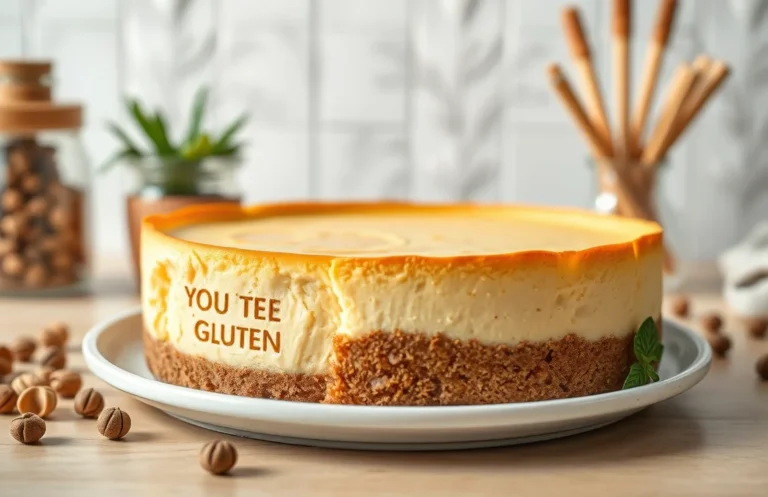
Gluten-Free Crust
If you need a gluten-free cheesecake, you can easily substitute the traditional graham cracker crust. Here’s a simple recipe:
- 1 ½ cups gluten-free cookie crumbs (about 150g)
- ½ cup unsalted butter, melted (115g)
- 2 tablespoons granulated sugar (25g)
Mix the cookie crumbs, melted butter, and sugar in a bowl until combined. Press firmly into the bottom of a 9-inch springform pan. Bake at 350°F (175°C) for 10 minutes, until slightly golden. Let it cool before adding the filling.
Vegan Options
For those looking for a vegan cheesecake, try this alternative filling:
- 1 ½ cups raw cashews, soaked for 4 hours
- ½ cup coconut cream (120ml)
- ½ cup maple syrup (120ml)
- 2 tablespoons lemon juice (30ml)
- 1 teaspoon vanilla extract
Blend the soaked cashews, coconut cream, maple syrup, lemon juice, and vanilla in a food processor until smooth. Pour it over your prepared crust and refrigerate for at least 4 hours until set.
Flavor Variations
Add some flair to your cheesecake with these flavor ideas:
- Chocolate: Incorporate ½ cup melted dark chocolate into the filling.
- Fruit: Swirl in 1 cup of pureed strawberries or blueberries before chilling.
- Matcha: Mix in 2 tablespoons of matcha powder for a unique twist.
Chef’s tip: Always taste your filling before pouring it into the crust to adjust sweetness or flavor as needed!
Serving and Plating Suggestions
When serving cheesecake, especially if you’re enjoying it during pregnancy, presentation and complementary flavors can elevate your dessert experience. Here are some creative garnishing ideas, beverage pairings, and tips on serving temperature to make your cheesecake both safe and delightful.
Garnishing Ideas
- Fresh Berries: Top your cheesecake with a mix of strawberries, blueberries, and raspberries. These not only add vibrant color but also provide a refreshing tartness that balances the richness of the cheesecake.
- Whipped Cream: A dollop of homemade whipped cream (made from 1 cup heavy cream and 2 tablespoons sugar, whipped until soft peaks form) can add a light, airy texture that complements the dense cheesecake.
- Chocolate Shavings: For a touch of indulgence, sprinkle dark chocolate shavings over the top. Use a vegetable peeler to create thin curls from a chocolate bar for an elegant finish.
Beverage Pairings
- Herbal Tea: A warm cup of chamomile or peppermint tea can be soothing and is a perfect non-caffeinated option to enjoy alongside your cheesecake.
- Fruit Infused Water: Serve a refreshing glass of water infused with slices of lemon, cucumber, or mint. This keeps things light and helps cleanse the palate.
- Decaf Coffee: If you’re craving coffee, opt for decaf to satisfy that desire while keeping it safe during pregnancy. Serve it black or with a splash of milk for a comforting pairing.
Serving Temperature
- Chilled: Cheesecake is best served chilled. Refrigerate for at least 4 hours before serving to allow it to set properly, enhancing its creamy texture.
- Room Temperature: If you prefer, let the cheesecake sit at room temperature for about 30 minutes before serving. This can soften the texture slightly, making it even more enjoyable.
Quick Summary
| Prep Time | Cook Time | Total Time | Servings |
|---|---|---|---|
| 20 mins | 60 mins | 1 hr 20 mins | 8 |
- Choose pasteurized ingredients: Always use pasteurized cream cheese and eggs to ensure safety.
- Cool before serving: Let your cheesecake cool completely to prevent cracks.
- Use a water bath: Bake your cheesecake in a water bath to maintain moisture and avoid browning.
- Chill thoroughly: Refrigerate for at least 4 hours, ideally overnight, for the best texture.
- Check for firmness: The cheesecake should slightly jiggle in the center when done.
Frequently Asked Questions
Can I make this cheesecake ahead of time? How do I store it?
Yes, you can make cheesecake up to 2 days ahead. Store it in the refrigerator, covered with plastic wrap, to keep it fresh.
What can I substitute for cream cheese in this cheesecake recipe?
You can use ricotta cheese or mascarpone as a substitute for cream cheese, but the texture and flavor may be slightly different.
How do I know when my cheesecake is done baking?
Your cheesecake is done when the edges are set and the center is still slightly jiggly; it will firm up as it cools. It should also have a light golden color around the edges.
Can I freeze cheesecake? How long does it last?
Yes, you can freeze cheesecake for up to 3 months. Wrap it tightly in plastic wrap and then in aluminum foil to prevent freezer burn.
What if I don’t have a springform pan?
If you don’t have a springform pan, you can use a regular pie dish or a square baking pan; just make sure to line it with parchment paper for easier removal. Keep in mind that the cheesecake may be harder to slice without the removable sides.

- Decadent Peanut Butter No-Bake Cheesecake: Easy Recipe to Indulge - April 3, 2026
- Delicious Mango No-Bake Cheesecake: Step-by-Step Recipe - April 3, 2026
- Decadent Raspberry No-Bake Cheesecake: Easy Step-by-Step Recipe - April 3, 2026