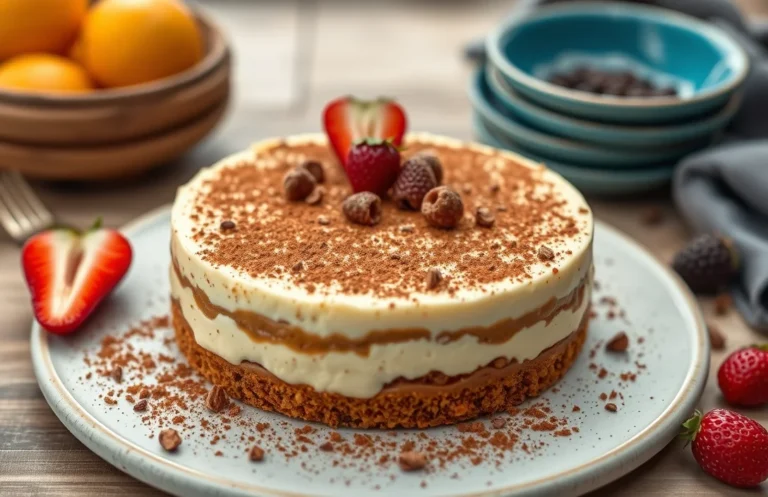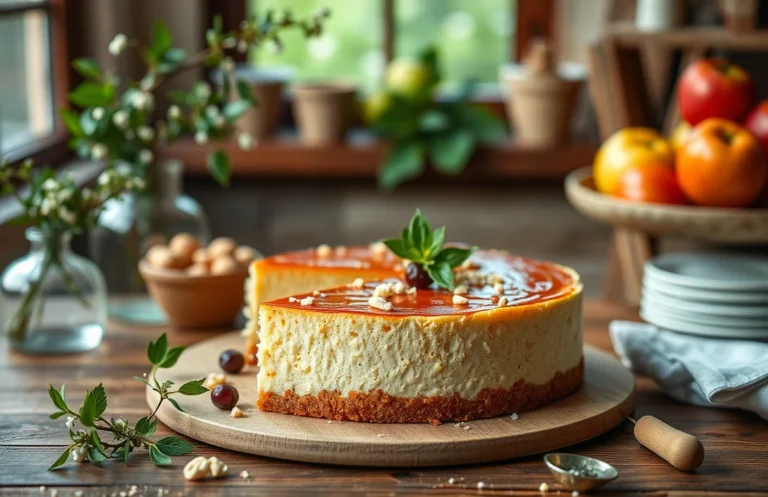
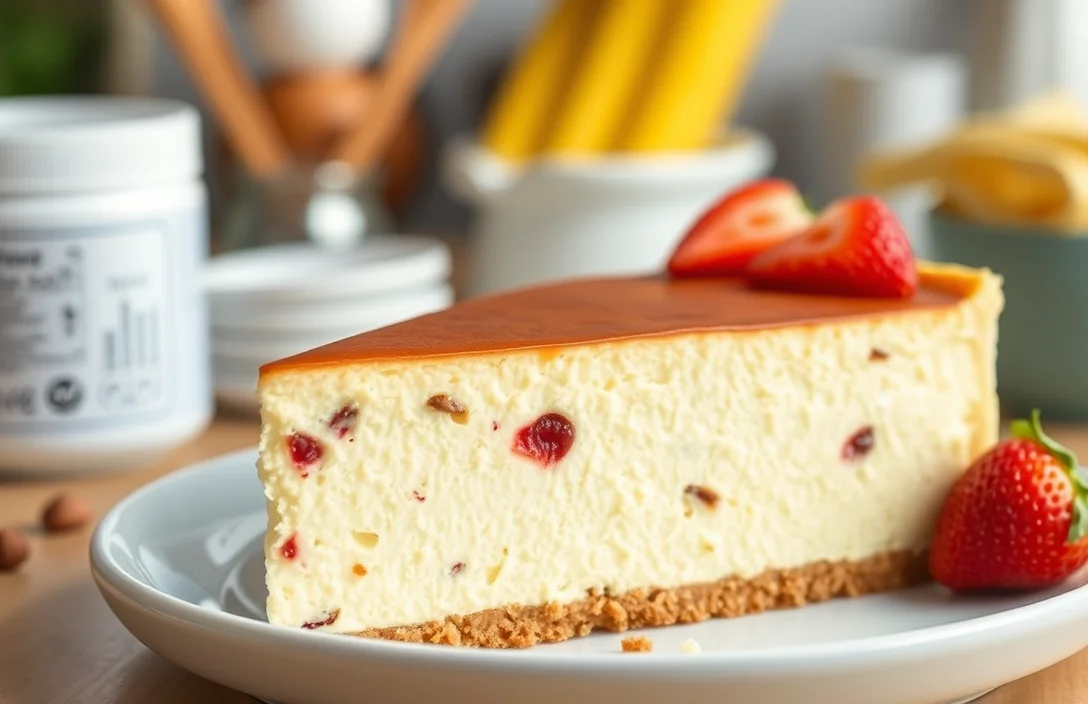
Cheesecake Protein Content: Types, Comparisons, and Recipes Revealed
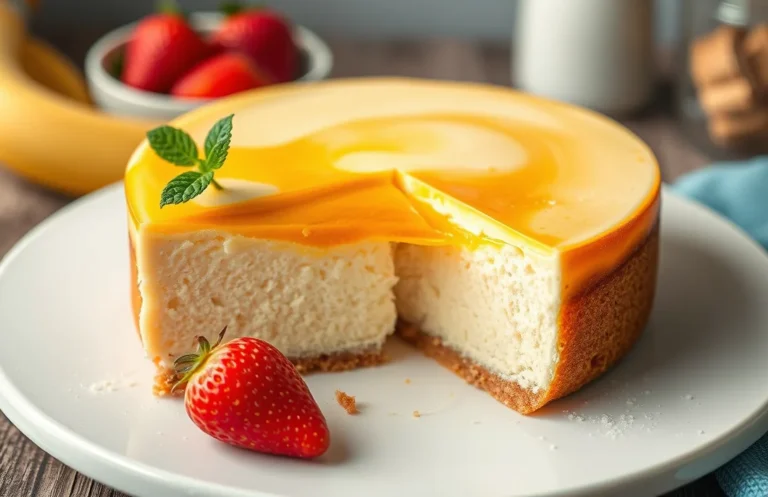
Cheesecake is the ultimate indulgence, with its creamy texture and rich flavor that makes every bite feel like a special occasion. Whether you’re celebrating a birthday or simply treating yourself on a weeknight, this dessert is sure to impress. The buttery crust paired with velvety filling creates a mouthwatering combination that keeps everyone coming back for more.
Get ready for a delicious cheesecake experience! This recipe takes about 30 minutes to prepare, requires 60 minutes to bake, and serves 8. It’s easy enough for beginners but will wow your guests!
| Prep Time | Cook Time | Total Time | Servings | Difficulty |
|---|---|---|---|---|
| 30 minutes | 60 minutes | 90 minutes | 8 | Easy |
Cheesecake Origins and Appeal
Cheesecake has a rich history that spans centuries, originating from ancient Greece and evolving into a beloved dessert enjoyed worldwide today. Its unique qualities come not only from its creamy texture and rich flavor but also from the ingredients that contribute to its protein content, making it a surprisingly nutritious treat when prepared thoughtfully.
History of Cheesecake
Cheesecake can be traced back to ancient Greece, where it was served to athletes during the first Olympic Games in 776 B.C. This early version consisted of simple ingredients like cheese, honey, and flour. Over the centuries, cheesecake recipes have evolved, leading to variations such as the Italian ricotta cheesecake and the New York-style cheesecake that we know today.
Why It’s Special
What makes cheesecake particularly special is its versatility. The base can be made from various cheeses, such as cream cheese, ricotta, or mascarpone, each contributing to different flavor profiles and textures. The addition of ingredients like sour cream or Greek yogurt can enhance the protein content without compromising on taste. Here are a few reasons why cheesecake stands out:
- Variety of Flavors: Cheesecake can be made in countless flavors, from classic vanilla to rich chocolate or fruity berry.
- Creamy Texture: The combination of cheese and cream creates a smooth, indulgent mouthfeel.
- Protein-Rich: With ingredients like cream cheese and Greek yogurt, cheesecake can be a source of protein.
Occasions for Serving
Cheesecake is often the star of celebrations, serving as the perfect dessert for various occasions:
- Birthdays: A rich New York-style cheesecake makes a scrumptious birthday treat.
- Holidays: Seasonal flavors, like pumpkin or peppermint, make cheesecake a festive choice.
- Casual Gatherings: A simple fruit-topped cheesecake can impress guests at any gathering.
Chef’s tip: For a healthier twist, consider using Greek yogurt in place of some cream cheese to boost the protein content!
Ingredients and Protein Breakdown
This section provides a detailed breakdown of the ingredients commonly used in cheesecake and their contributions to protein content. Understanding these ingredients helps in determining how much protein is in your slice of cheesecake and allows for adjustments in recipes to increase protein levels if desired.
| Item | Amount/Specification | Notes |
|---|---|---|
| Cream Cheese | 16 ounces (450g) | Primary ingredient, rich in protein (about 7g protein per ounce) |
| Sour Cream | 1 cup (240g) | Adds creaminess and approximately 5g protein per half cup |
| Granulated Sugar | 1 cup (200g) | No protein content; sweetness only |
| Eggs | 3 large | About 6g protein per egg; helps with structure |
| Vanilla Extract | 1 teaspoon (5ml) | No protein; adds flavor |
| Graham Cracker Crust | 1 ½ cups (150g) crushed | Minimal protein; primarily for texture |
- Substitutions: Use Greek yogurt in place of sour cream for an extra protein boost.
- Consider incorporating protein powders or cottage cheese into the filling for higher protein content.
- Be cautious with the baking temperature; baking at 325°F (160°C) helps prevent cracks in the cheesecake.
- For a denser texture, bake longer at lower temperatures.
Essential Kitchen Tools
To create a delicious cheesecake with optimal protein content, you’ll need the right tools and equipment. This section outlines the essential baking tools you’ll require and the prep steps to ensure your cheesecake turns out perfectly.
- Springform Pan: A 9-inch (23 cm) springform pan is ideal for cheesecakes. Its removable sides allow for easy release after baking, helping maintain the beautiful shape of your cheesecake. Make sure it’s tightly sealed to prevent any leaks during baking.
- Mixing Bowls: You will need at least two medium-sized mixing bowls. One for combining the cream cheese, sugar, and other wet ingredients, and another for mixing the dry ingredients. Glass or stainless steel bowls are great choices as they are non-reactive and easy to clean.
- Electric Mixer: A hand mixer or stand mixer is recommended for achieving a smooth and creamy cheesecake filling. Beat the cream cheese until it’s light and fluffy for about 2-3 minutes before adding other ingredients. This will help prevent lumps in your filling.
- Spatula: A rubber spatula is essential for folding in ingredients gently, especially when you incorporate whipped cream or egg whites. This keeps the batter airy and light. Be sure to scrape down the sides of your mixing bowl to ensure even mixing.
- Oven Thermometer: To ensure precise baking temperatures, use an oven thermometer. Oven temperatures can vary, and baking at the correct temperature (usually 325°F to 350°F or 160°C to 175°C) is crucial for the perfect cheesecake texture.
Before getting started, make sure to preheat your oven to the appropriate temperature as indicated in your cheesecake recipe to ensure even baking.
Step-by-Step Cheesecake Recipe
This section provides detailed instructions on how to prepare a classic cheesecake, focusing on the crust, filling, and baking process. Understanding these steps is crucial for achieving a rich and creamy texture that is characteristic of a good cheesecake, while also being mindful of its protein content.
Crust Preparation
- Preheat your oven to 350°F (175°C). This temperature is ideal for baking the crust to a golden brown without burning it. Set aside a 9-inch springform pan.
- In a mixing bowl, combine 1 ½ cups (150g) of graham cracker crumbs, ⅓ cup (40g) of granulated sugar, and ½ cup (115g) of melted unsalted butter. Stir until the mixture resembles wet sand.
- Press the crumb mixture firmly into the bottom of the prepared pan using the back of a measuring cup. Bake for 8-10 minutes until slightly golden and fragrant. Allow it to cool while you prepare the filling.
Filling Preparation
- In a large mixing bowl, beat 4 (8-ounce) packages of cream cheese at room temperature with an electric mixer until smooth and creamy, about 2-3 minutes. Scrape down the sides of the bowl to ensure even mixing.
- Add 1 cup (200g) of granulated sugar and beat until well combined. The mixture should be light and fluffy, which helps incorporate air for a lighter texture.
- Mix in 1 teaspoon of vanilla extract and 4 large eggs, one at a time, beating well after each addition. The filling should be smooth, with no lumps, and have a glossy appearance.
Baking Process
- Pour the cheesecake filling over the cooled crust in the springform pan. Smooth the top with a spatula for an even surface.
- Bake in the preheated oven for 55-60 minutes, or until the edges are set but the center still has a slight jiggle when gently shaken. This indicates the cheesecake will set as it cools.
- Turn off the oven and leave the cheesecake inside for another hour to cool gradually. This helps prevent cracks from forming. After an hour, remove it from the oven and let it cool completely at room temperature before refrigerating for at least 4 hours or overnight.
Chef’s tip: For a protein boost, consider using Greek yogurt or cottage cheese in the filling as a partial substitute for cream cheese.
Pro Tips and Common Mistakes
Perfecting your cheesecake not only enhances its flavor but also affects its protein content. By following these expert tips, you can avoid common pitfalls that might compromise your cheesecake’s texture and overall quality, allowing the protein-rich ingredients to shine.
- Avoiding Cracks: To prevent those unsightly cracks on your cheesecake, make sure to bake it in a water bath. Wrap the outside of your springform pan with aluminum foil to keep water out, and place it in a larger baking dish filled with hot water. This method helps maintain moisture and a steady temperature, resulting in a smooth surface.
- Right Baking Temperature: Always preheat your oven to 325°F (163°C) for cheesecake. Baking at a lower temperature allows the cheesecake to cook evenly and slowly, reducing the chance of cracks. Keep an eye on it; the edges should be set while the center remains slightly jiggly when you gently shake the pan.
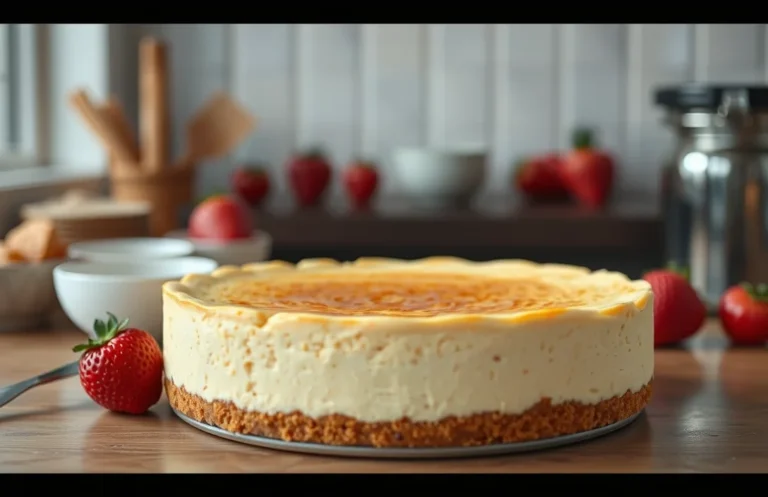
- Cooling Tips: Once the cheesecake is done, turn off the oven and crack the door open, allowing it to cool gradually for about an hour. This slow cooling process helps prevent sudden temperature changes that can cause cracks. Afterward, chill it in the refrigerator for at least 4 hours or overnight for the best texture and flavor development.
Chef’s tip: If you notice any cracks forming during baking, you can cover them with a layer of whipped cream or fruit topping before serving!
Cheesecake Variations and Substitutions
Cheesecake can be incredibly versatile, allowing for various ingredient swaps and variations that can enhance its protein content. Whether you’re looking for gluten-free options, vegan alternatives, or high-protein substitutes, these ideas will help you create a cheesecake that meets your dietary needs while still being delicious.
| Item | Amount/Specification | Notes |
|---|---|---|
| Almond Flour | 1 cup (96g) | Use as a gluten-free crust option. |
| Silken Tofu | 1 cup (240g) | Blend for a vegan cheesecake base. |
| Cottage Cheese | 1 cup (240g) | Use in place of cream cheese for higher protein. |
| Greek Yogurt | 1 cup (240g) | Substitute for cream cheese; adds creaminess and protein. |
| Protein Powder | ¼ cup (30g) | Add to the filling for extra protein boost. |
- Tip: When using silken tofu, ensure it’s well-blended for a smooth texture.
- If using cottage cheese, opt for the smoothest variety you can find to avoid graininess.
- Watch out: Adding too much protein powder can alter the flavor; start with smaller amounts and adjust to taste.
Serving and Plating Ideas
Serving cheesecake is as much about presentation as it is about flavor. The right plating techniques and complementary flavors can elevate your cheesecake experience, especially when considering its protein content. Here are some ideas to help you serve your cheesecake beautifully while highlighting its deliciousness.
Plating Techniques
- Use a cake stand: Elevate your cheesecake on a decorative cake stand to create an impressive centerpiece.
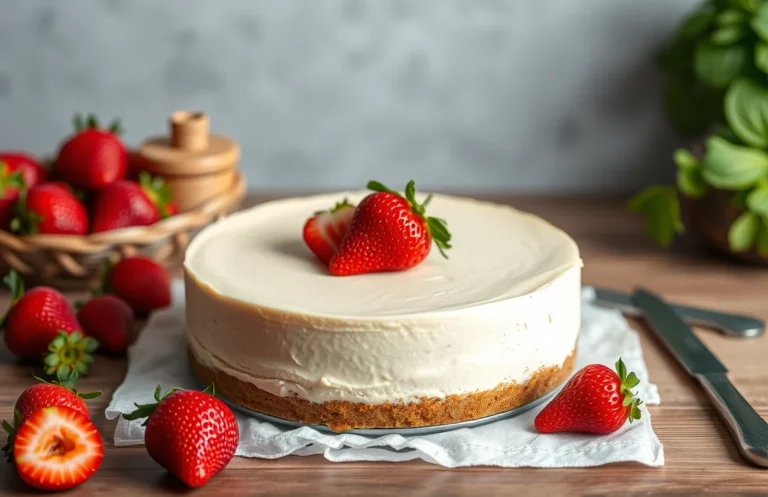
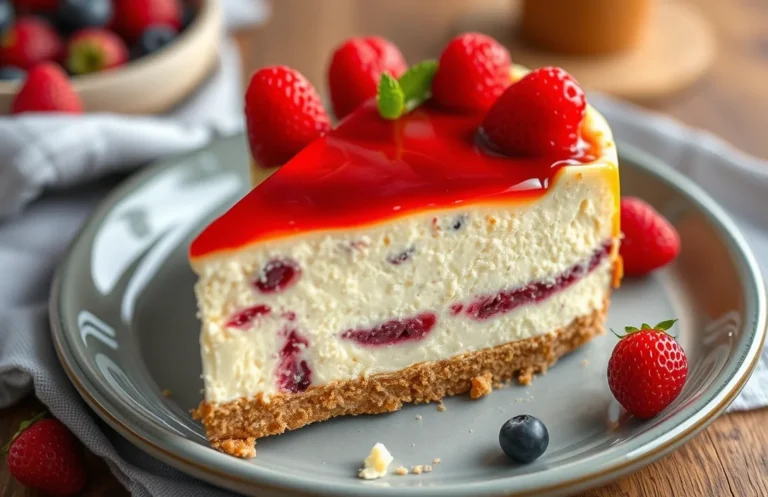
- Garnish with fresh fruit: Add slices of strawberries, blueberries, or raspberries on top or around the cheesecake for a pop of color and freshness.
- Drizzle sauce: A light drizzle of chocolate, raspberry, or caramel sauce can add visual appeal and a burst of flavor.
Complementary Flavors
- Nutty toppings: Consider sprinkling crushed nuts like pistachios or almonds on top for added texture and a protein boost.
- Citrus zest: A sprinkle of lemon or orange zest can brighten the rich flavors, making each bite more refreshing.
- Herbs: Fresh mint or basil can add an unexpected twist in flavor and aesthetics.
Chef’s tip: For a creamy finish, serve with a dollop of whipped cream or Greek yogurt, which adds protein and balances the sweetness.
Best Pairings
| Cheesecake Type | Best Pairing |
|---|---|
| Classic New York | Fresh strawberries and vanilla sauce |
| Chocolate | Raspberry puree and crushed nuts |
| Lemon | Blueberry compote and mint leaves |
These serving and pairing ideas not only enhance the visual appeal of your cheesecake but also complement its protein-rich ingredients, making your dessert not just a treat, but a delightful experience.
Quick Summary
| Prep Time | 15 minutes |
|---|---|
| Cook Time | 60 minutes |
| Total Time | 1 hour 15 minutes |
| Servings | 8 |
- Mix ingredients well: Ensure cream cheese is softened for a smooth batter.
- Preheat oven: Set to 325°F (163°C) to bake evenly.
- Use a water bath: This prevents cracks by maintaining moisture.
- Cool gradually: Let cheesecake cool in the oven to avoid sudden temperature changes.
- Check for doneness: The center should be slightly jiggly when done.
- Key tip: Use full-fat cream cheese for richness and protein content.
- Key tip: Incorporate Greek yogurt for added protein and creaminess.
Frequently Asked Questions
Can I make this cheesecake ahead of time? How to store and reheat?
You can definitely make cheesecake up to 2 days in advance. Store it covered in the refrigerator, and simply serve it cold; no reheating needed!
What can I substitute for cream cheese in this cheesecake recipe?
You can substitute cream cheese with Greek yogurt for a lighter option, or use mascarpone cheese for a rich and creamy texture. Keep in mind that the flavor may slightly change with these substitutions.
How do I know when my cheesecake is done baking?
Your cheesecake is done when the edges are set but the center still has a slight jiggle, which should take about 45-55 minutes at 325°F (163°C). It will continue to firm up as it cools, so don’t overbake it!
Can I freeze this cheesecake? How long does it last?
Yes, you can freeze cheesecake for up to 3 months. Make sure to wrap it tightly in plastic wrap and then in aluminum foil to prevent freezer burn.
Why did my cheesecake turn out cracked?
Your cheesecake may have cracked due to overmixing or baking at too high a temperature. To prevent this in the future, mix just until combined and use a water bath to maintain even heat while baking.

- 10 Best Air Fryer Oven With Digital Controls 2026 (Reviewed) - October 22, 2026
- 10 Best Air Fryer Oven For Large Families 2026 (Reviewed) - October 22, 2026
- 10 Best Air Fryer Oven For Countertops 2026 (Reviewed) - October 22, 2026