Perfect Cheesecake Cake: Cook Time and Tips for Ideal Texture
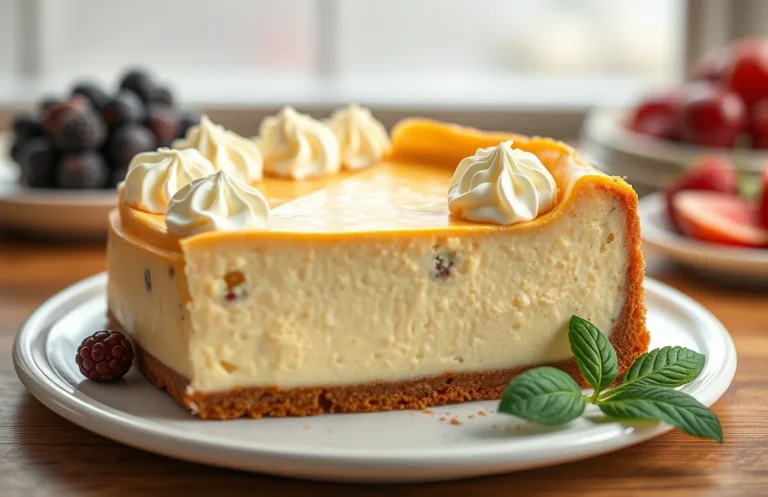
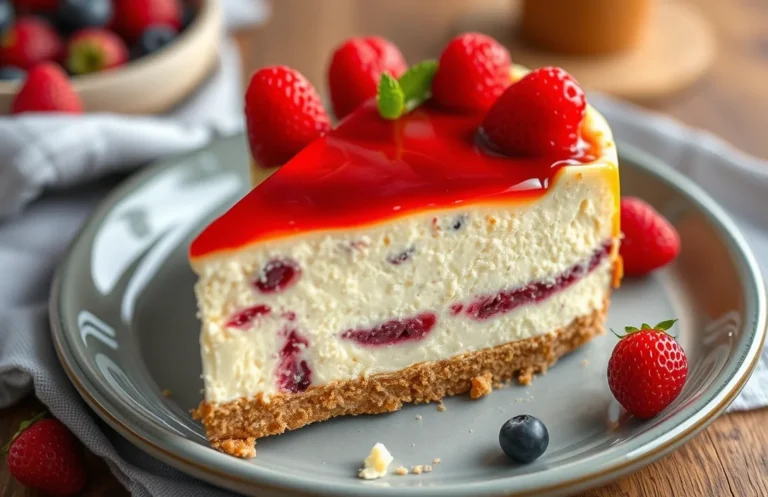
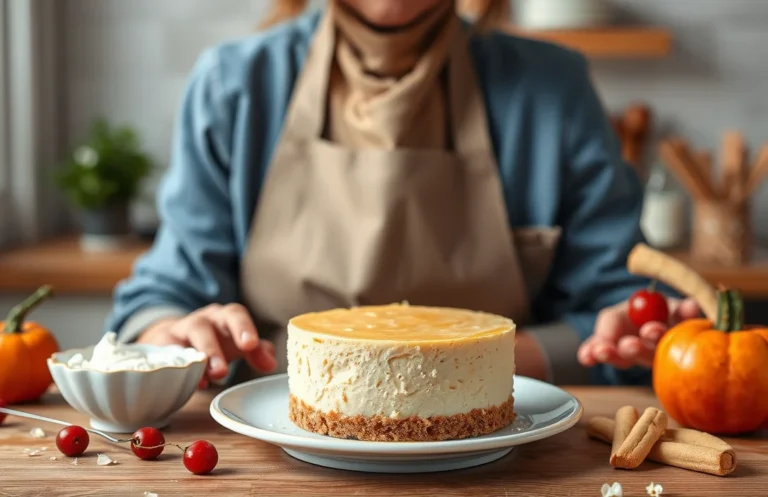
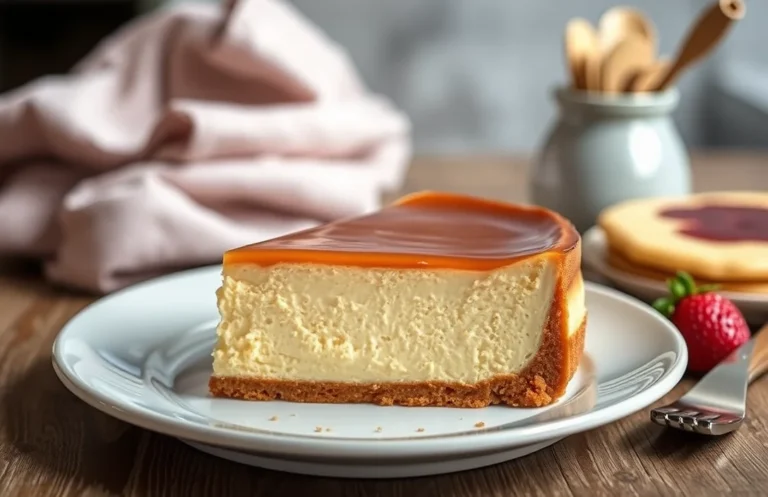
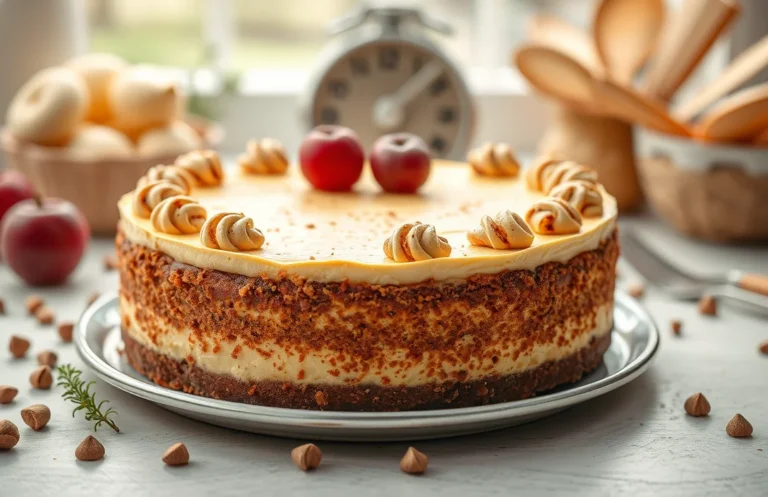
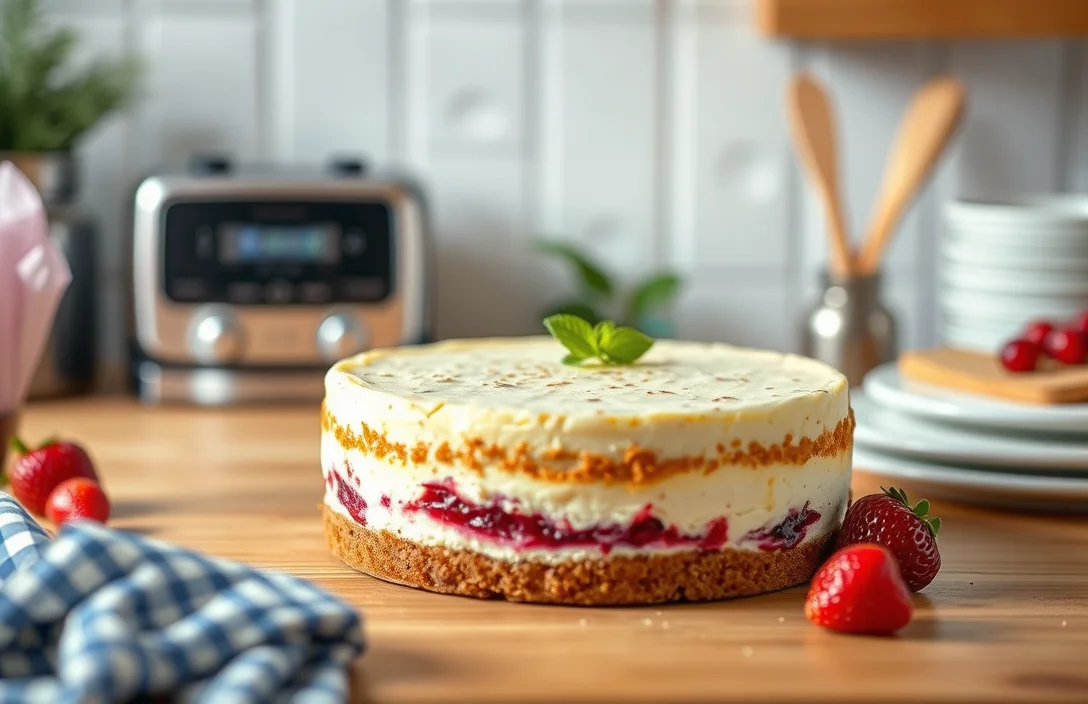
Cheesecake cake is the ultimate dessert for any occasion — it combines the creamy, rich flavor of cheesecake with the light, fluffy texture of cake. Picture a slice that melts in your mouth, topped with fresh berries or a drizzle of chocolate. It’s a guaranteed crowd-pleaser that will have everyone coming back for seconds!
You’ll find everything you need to make this delightful treat, including cook times for different variations, precise temperatures, and visual cues to ensure it’s just right. Prepare for a total time of 2 hours, with 16 servings and a medium difficulty level.
| Prep Time | Cook Time | Total Time | Servings | Difficulty |
|---|---|---|---|---|
| 30 minutes | 90 minutes | 2 hours | 16 | Medium |
Cheesecake Cake Origins
Understanding the origins of cheesecake cakes not only deepens our appreciation for this dessert but also informs how we approach cooking times and techniques. Cheesecake cakes blend the creamy richness of traditional cheesecakes with the structure of layer cakes, making them popular for various celebrations.
- Cultural roots: Cheesecake can be traced back to ancient Greece, where it was served to athletes during the first Olympic Games. Over centuries, it evolved across cultures, with each region adding its twist. The modern cheesecake cake, which layers cheesecake with cake, showcases this culinary journey.
- Special occasions: Cheesecake cakes have become a staple for celebrations like birthdays and weddings. Their rich, creamy texture appeals to many, and they are often customized with various flavors, making them a go-to dessert for significant milestones in life.
Ingredients for Cheesecake Cake
This section outlines the exact ingredients you’ll need to create a delicious cheesecake cake, which is essential for achieving the perfect cook time and texture. Having the right measurements ensures your cake bakes evenly and turns out just right.
| Item | Amount/Specification | Notes |
|---|---|---|
| Graham cracker crumbs | 1 ½ cups (150g) | Use finely crushed for a smoother crust. |
| Granulated sugar | ⅓ cup (67g) | For crust and filling. |
| Unsalted butter | ½ cup (115g) | Melted, helps bind the crust. |
| Cream cheese | 16 oz (450g) | Softened to room temperature for smooth blending. |
| Sour cream | 1 cup (240g) | For richness and tanginess. |
| Vanilla extract | 1 teaspoon | Use pure vanilla for best flavor. |
| Large eggs | 3 | Room temperature, helps with even mixing. |
| All-purpose flour | 2 tablespoons (15g) | Optional, helps to stabilize the filling. |
- Prep time: 20 minutes
- Cook time: 50-60 minutes at 325°F (160°C)
- Do not overmix the filling to prevent cracks.
- If the edges start to brown too quickly, tent with foil.
- Check for doneness: the center should be slightly jiggly but not liquid.
Essential Kitchen Tools
To create the perfect cheesecake cake, having the right tools on hand is crucial for achieving the ideal texture and doneness. This section outlines the essential baking equipment and preparation steps that will make your cheesecake cake experience smooth and enjoyable.
- Springform Pan: A 9-inch springform pan is ideal for cheesecake cakes because it allows for easy removal without damaging the cake. Ensure the pan is tightly sealed to prevent any leaks during baking.
- Mixing Bowls: Use at least two medium-sized mixing bowls; one for the cheesecake batter and one for the cake batter. This keeps your ingredients organized and helps with easy mixing.
- Electric Mixer: A hand or stand mixer will make creaming the cream cheese and sugar much easier. Beat the cream cheese until smooth to avoid lumps in your cheesecake layer.
- Rubber Spatula: A rubber spatula is essential for folding in ingredients and scraping down the sides of the bowls to ensure everything is well combined.
- Measuring Cups and Spoons: Accurate measurements are key in baking. Use a set of dry measuring cups for flour and sugar, and liquid measuring cups for milk and cream.
- Oven Thermometer: To ensure your oven is at the correct baking temperature (350°F/175°C), an oven thermometer is a great tool. This prevents over or undercooking your cheesecake cake.
- Cooling Rack: After baking, place your cheesecake cake on a cooling rack to cool evenly. This helps prevent condensation that could make your cake soggy.
Chef’s tip: Always preheat your oven for at least 15 minutes before baking to ensure even cooking.
Step-by-Step Baking Instructions
This section provides detailed instructions for preparing and baking your cheesecake cake, including precise timings and what to expect at each stage. Following these steps will help you achieve the perfect texture and flavor in your cheesecake cake.
- Preheat the Oven: Begin by preheating your oven to 325°F (160°C). This temperature allows the cheesecake cake to bake evenly without cracking. Make sure to give your oven enough time to reach the desired temperature before placing your cake inside.
- Prepare Your Pan: Grease a 9-inch springform pan with 1 tablespoon of butter or cooking spray to ensure easy removal after baking. For extra protection against leaks, wrap the bottom of the pan in aluminum foil, creating a seal that will keep water out during the water bath process.
- Mix the Batter: In a large mixing bowl, combine 16 ounces (450g) of cream cheese, ½ cup (100g) of granulated sugar, and 2 teaspoons of vanilla extract. Beat with an electric mixer on medium speed until smooth and creamy, about 2-3 minutes. Make sure there are no lumps; the mixture should be smooth and glossy.
- Add Eggs: Gradually add 3 large eggs, one at a time, mixing on low speed after each addition until just combined. Be careful not to over-mix; the batter should remain smooth. Over-mixing can introduce too much air, causing cracks in the final cake.
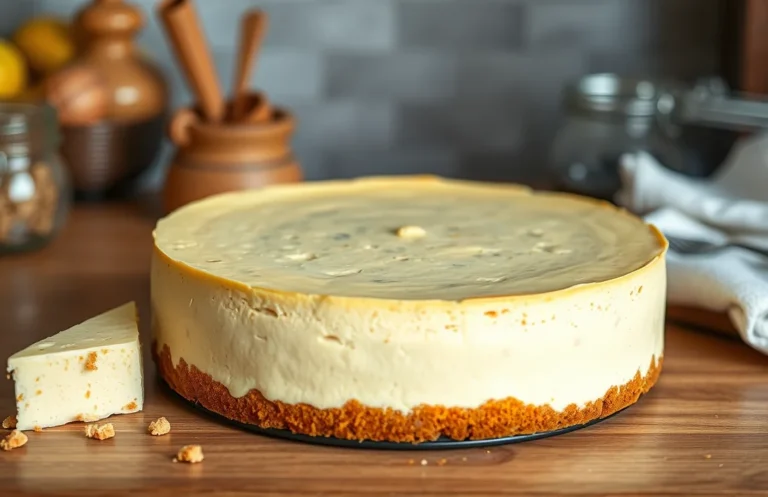
- Bake the Cake: Pour the batter into the prepared springform pan. Place the pan in a larger baking dish and fill the outer dish with hot water until it reaches halfway up the sides of the springform pan. Bake for 60-70 minutes, or until the edges are set but the center still jiggles slightly when shaken. The top should be lightly golden and not cracked.
- Cooling Time: Once baked, turn off the oven and crack the door open, allowing the cheesecake to cool in the oven for 1 hour. This gradual cooling prevents sudden temperature changes that can cause cracks. Afterward, remove the cheesecake from the water bath and cool completely at room temperature for another hour before refrigerating for at least 4 hours or overnight.
Pro Tips and Common Errors
This section shares essential tips and common mistakes to help you achieve the perfect cheesecake cake texture and doneness. Understanding these aspects can significantly impact your baking success and the overall quality of your cheesecake cake.
- Preheat your oven: Always preheat your oven to 325°F (160°C) before baking. Skipping this step can lead to uneven baking and a dense texture.
- Check for doneness: The cheesecake cake should be set around the edges but still slightly jiggly in the center when you remove it from the oven. This ensures a creamy texture once it cools.
- Cooling time is crucial: After baking, let the cake cool in the oven with the door slightly ajar for at least 1 hour. This gradual cooling helps prevent cracks on the surface of your cheesecake cake.
- Avoid overmixing: When combining your ingredients, mix just until combined. Overmixing can incorporate too much air, leading to a sponge-like texture instead of creamy.
- Use a water bath: To maintain moisture and even baking, place your cheesecake cake pan in a larger pan filled with hot water. This technique helps prevent the cake from drying out and cracking.
- Watch the time: Typical bake time for a cheesecake cake is about 55-65 minutes. Use a timer and check regularly to avoid overbaking, which can lead to a dry texture.
Variations and Substitutions
When making a cheesecake cake, there are several alternative ingredients you can use to accommodate dietary preferences or restrictions. Understanding these variations can help ensure that everyone can enjoy this delightful dessert without sacrificing texture or flavor.
Gluten-Free Options
| Item | Amount/Specification | Notes |
|---|---|---|
| Gluten-free all-purpose flour | 1 ½ cups (180g) | Use a blend that contains xanthan gum for best results. |
| Almond flour | 1 cup (96g) | Provides a nutty flavor; adjust liquid accordingly. |
Vegan Alternatives
| Item | Amount/Specification | Notes |
|---|---|---|
| Cashews (soaked) | 2 cups (300g) | Blend until smooth for the creamy base. |
| Coconut cream | 1 cup (240ml) | Use for a rich texture; chill before using. |
| Maple syrup | ¾ cup (180ml) | Substitute for sugar for sweetness. |
- For a gluten-free crust, consider using crushed gluten-free cookies or nuts.
- If using vegan cream cheese, ensure it is at room temperature for easier mixing.
- Check the baking time as vegan cakes may require slightly less time; start checking for doneness 5-10 minutes early.
Serving and Plating Suggestions
Once your cheesecake cake has cooled to perfection, it’s time to present it in a way that highlights its creamy texture and flavors. The right serving suggestions can elevate your dessert from simple to stunning, making it an impressive centerpiece for any gathering or celebration.
Presentation Tips
- Before serving, chill the cheesecake cake in the refrigerator for at least 4 hours or overnight. This helps the flavors meld and the texture firm up.
- Use a sharp knife dipped in hot water to slice clean pieces. Wipe the knife clean between cuts for neat slices.
- Place each slice on a dessert plate and garnish with a dollop of whipped cream and a fresh berry, like strawberries or blueberries, for a pop of color.
- Drizzle a complementary sauce—such as raspberry coulis or chocolate ganache—over the plate for added visual appeal and flavor contrast.
Complementary Flavors
| Flavor Pairing | Description |
|---|---|
| Citrus Zest | Add a sprinkle of lemon or orange zest on top for a bright, fresh contrast to the richness of the cheesecake. |
| Nuts | Chopped toasted pecans or almonds can add a delightful crunch and depth of flavor. |
| Caramel Sauce | A drizzle of warm caramel enhances sweetness and adds a luxurious touch. |
Chef’s tip: Serve the cheesecake cake with a scoop of vanilla ice cream on the side for an indulgent treat that balances the creaminess.
Quick Summary
| Prep Time | Cook Time | Total Time | Servings |
|---|---|---|---|
| 30 minutes | 60 minutes | 90 minutes | 8 slices |
- Preheat oven to 325°F (163°C) before starting.
- Prepare crust by mixing crushed graham crackers and melted butter.
- Beat cream cheese until smooth, then add sugar gradually.
- Bake for 60 minutes or until the center is slightly jiggly.
- Cool completely before refrigerating for at least 4 hours.
- Tip 1: Use room temperature cream cheese for a smoother batter.
- Tip 2: Avoid opening the oven door during baking to prevent cracks.
- Tip 3: Chill overnight for the best texture and flavor.
Frequently Asked Questions
Can I make this ahead of time? How to store and reheat?
You can absolutely make cheesecake cake ahead of time! Store it in the refrigerator, tightly wrapped in plastic wrap, for up to 3 days; just let it come to room temperature before serving.
What can I substitute for cream cheese?
If you’re looking for a substitute, mascarpone cheese works beautifully in cheesecake cake for a similar creamy texture and flavor.
How do I know when it’s done?
Your cheesecake cake is done when the edges are set but the center still has a slight jiggle; it should look slightly puffed and not completely firm.
Can I freeze this? How long does it last?
Yes, you can freeze cheesecake cake; wrap it tightly in plastic wrap and then in aluminum foil for up to 2 months. Thaw it in the refrigerator overnight before serving.
Why did my cheesecake cake crack on top?
A cracked top usually means it was baked at too high a temperature or overcooked; make sure to bake at 325°F (163°C) and check for doneness early.

- Decadent Peanut Butter No-Bake Cheesecake: Easy Recipe to Indulge - April 3, 2026
- Delicious Mango No-Bake Cheesecake: Step-by-Step Recipe - April 3, 2026
- Decadent Raspberry No-Bake Cheesecake: Easy Step-by-Step Recipe - April 3, 2026