Cheesecake Nutrition: Calories in One Slice Revealed
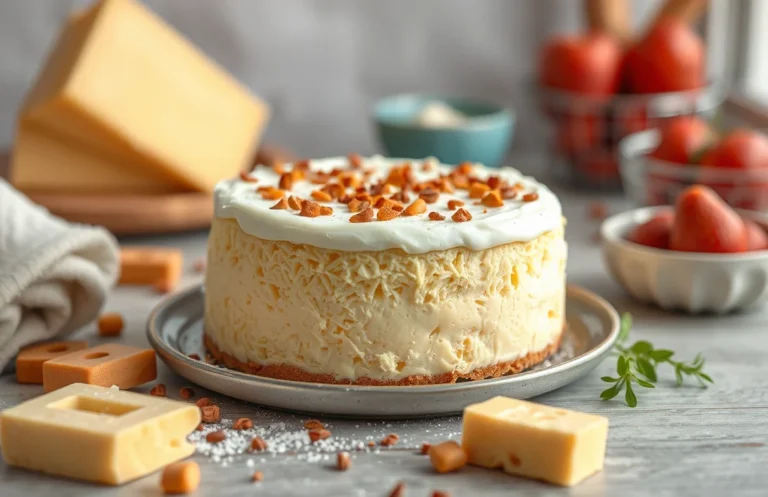
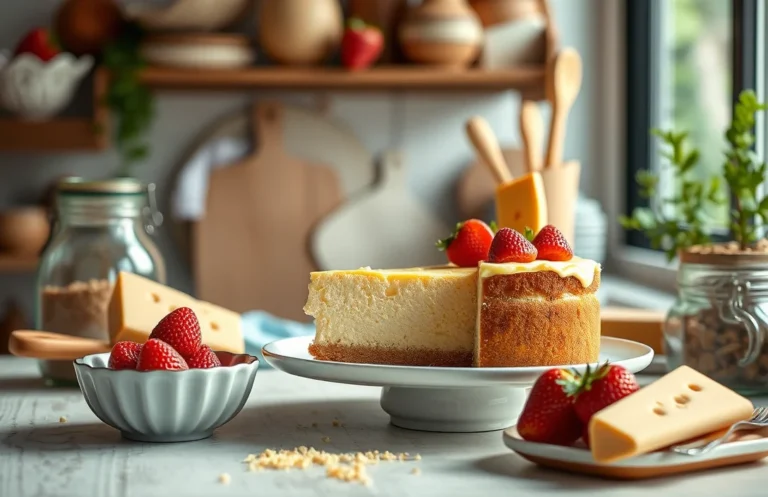
There’s something incredibly comforting about a slice of cheesecake, isn’t there? Rich, creamy, and perfectly sweet, it’s the kind of dessert that turns an ordinary evening into a special occasion. Whether it’s topped with fresh berries or enjoyed plain, this classic delight is sure to bring smiles around the table.
This guide provides you with calorie counts for one slice of cheesecake, variations based on different types, and practical tips for making lighter options. You’ll get exact measurements, cooking times, and serving sizes to make your cheesecake experience as delicious as possible.
| Prep Time | Cook Time | Total Time | Servings | Difficulty |
|---|---|---|---|---|
| 15 minutes | 1 hour | 1 hour 15 minutes | 8 slices | Easy |
Cheesecake Origins and Significance
Understanding the origins and cultural significance of cheesecake not only enriches your appreciation for this delightful dessert but also provides context for its nutritional profile, including the calorie count for a single slice. Cheesecake has a rich history that varies across cultures, influencing its ingredients and methods of preparation.
Historical Context
Cheesecake has roots that trace back to ancient Greece, where it was served to athletes during the first Olympic Games in 776 B.C. The Romans later brought the concept to Europe, adapting it with local ingredients. Over centuries, different cultures have created their own versions of cheesecake, leading to the diverse array of flavors and styles we enjoy today.
- Ancient Greece: Made with simple ingredients like cheese, honey, and flour.
- Roman Empire: Incorporated eggs and cream, leading to a richer texture.
- New York Style: Developed in the United States, featuring cream cheese and a graham cracker crust.
Cultural Variations
Cheesecake varies widely around the globe, with each culture adding its unique twist:
- Japanese Cheesecake: Fluffy and light, often made with meringue.
- Italian Ricotta Cheesecake: Made with ricotta cheese, offering a grainier texture.
- German Käsekuchen: Uses quark and has a more cake-like consistency.
Chef’s tip: Each cheesecake variation may have different calorie counts depending on the ingredients used, such as cream cheese versus ricotta or the type of crust.
| Type of Cheesecake | Calories per Slice (approx.) |
|---|---|
| New York Style | 400-500 |
| Japanese | 200-300 |
| Ricotta | 300-350 |
Understanding these variations helps you appreciate the calorie differences in each slice of cheesecake, which can range significantly based on the ingredients and preparation methods. Whether you prefer a rich New York style or a light Japanese cheesecake, knowing the history adds a layer of enjoyment to every bite.
Ingredients for One Slice
This section details the specific ingredients needed to make one slice of cheesecake, which is essential for understanding its calorie content. The type and quality of cheese, crust ingredients, and any topping options can significantly influence both the flavor and the calorie count of your cheesecake.
| Item | Amount/Specification | Notes |
|---|---|---|
| Cream Cheese | 2 ounces (56g) | Use full-fat for richer flavor; low-fat will decrease calories. |
| Sugar | 2 tablespoons (25g) | Granulated sugar is standard; can substitute with sweeteners for lower calories. |
| Egg | 1 large | Provides structure; can use egg substitute if avoiding eggs. |
| Vanilla Extract | ½ teaspoon | Enhances flavor; omit for a more neutral taste. |
| Graham Cracker Crust | 1 ounce (28g) | Ready-made or homemade; can use almond flour for a gluten-free option. |
| Butter | 1 tablespoon (14g) | Unsalted is preferred; can substitute with coconut oil for dairy-free. |
- For a lighter cheesecake, consider using reduced-fat cream cheese.
- If you prefer a fruit topping, berries are low in calories and add vibrant flavor.
- Watch the crust portion; using less can significantly lower calorie counts.
Necessary Kitchen Equipment
To create a delicious cheesecake, having the right kitchen equipment on hand is essential. This section outlines the necessary tools and their specifications to help you prepare your cheesecake efficiently and effectively, ensuring you achieve that perfect slice every time.
| Item | Amount/Specification | Notes |
|---|---|---|
| Mixing Bowls | 2 medium-sized | One for the crust and one for the filling. |
| Electric Mixer | 1 | Stand or hand mixer; helps achieve a smooth filling. |
| Measuring Cups | 1 set | For accurate ingredient measurements. |
| Measuring Spoons | 1 set | For precise amounts of baking powder and vanilla. |
| 9-inch Springform Pan | 1 | Allows easy removal of the cheesecake. |
| Spatula | 1 | For folding ingredients and spreading the filling evenly. |
| Oven | 1 | Preheat to 325°F (160°C) for baking. |
| Cooling Rack | 1 | To cool the cheesecake after baking. |
- Tip: Use glass or metal mixing bowls to prevent sticking and ensure even mixing.
- Ensure your cream cheese is at room temperature for a smoother filling.
- For easy clean-up, line the bottom of the springform pan with parchment paper.
- Check the cheesecake for doneness by gently shaking the pan; the center should slightly jiggle.
Step-by-Step Baking Instructions
This section will guide you through the essential steps of making a delicious cheesecake, including preparing the crust, mixing the filling, and baking it to perfection. Understanding these steps is crucial for achieving the desired texture and flavor while keeping track of the calorie count for each slice.
- Preparing the Crust: Preheat your oven to 350°F (175°C). In a medium bowl, combine 1 ½ cups (150g) of graham cracker crumbs, ½ cup (100g) of granulated sugar, and ½ cup (115g) of melted unsalted butter. Mix until the crumbs are evenly coated. The mixture should resemble wet sand. Press this mixture firmly into the bottom of a 9-inch (23cm) springform pan. Bake for 10 minutes, then let it cool while you prepare the filling.
- Mixing the Filling: In a large mixing bowl, beat 4 packages (8 oz each) of cream cheese (room temperature) until smooth, about 2-3 minutes. Gradually add 1 cup (200g) of granulated sugar and 1 teaspoon of vanilla extract, mixing until fully incorporated. Scrape down the sides of the bowl as needed. Add 4 large eggs, one at a time, mixing on low speed until just combined. The mixture should be creamy with no lumps.
- Baking Process: Pour the filling over the cooled crust, smoothing the top with a spatula. Bake in the preheated oven for 50-60 minutes, or until the edges are set and the center slightly jiggles when shaken. Do not open the oven door during the first 30 minutes to prevent cracks. Once done, turn off the oven, crack the door open, and let the cheesecake cool inside for 1 hour to prevent sudden temperature changes.
Pro Tips and Common Mistakes
Creating the perfect cheesecake that not only tastes divine but also looks impressive can be a bit tricky. In this section, I’ll share essential tips to help you avoid common pitfalls, ensuring your cheesecake is creamy and crack-free, while also keeping in mind the calorie count for a single slice.
Avoiding Cracks
- Use room temperature ingredients: Make sure your cream cheese, eggs, and sour cream are at room temperature before mixing. This helps achieve a smooth, lump-free batter that bakes evenly, reducing the chances of cracks.
- Don’t overmix: Mixing too aggressively can incorporate excess air, which may cause the cheesecake to puff up and then collapse as it cools. Mix just until combined for a denser texture.
- Bake in a water bath: Placing your cheesecake pan in a larger pan filled with hot water helps maintain even temperature and moisture, preventing cracks. Ensure the water level is halfway up the sides of your cheesecake pan.
Achieving Creaminess
- Incorporate ingredients slowly: Gradually add eggs one at a time, mixing on low speed. This method ensures a velvety texture and avoids overworking the batter.
- Use a high-fat cream cheese: Opt for full-fat cream cheese for a richer flavor and creamier consistency. Lower-fat options can lead to a more crumbly texture.
Proper Cooling Techniques
- Cool slowly: After baking, turn off the oven and crack the door open for 1 hour before removing the cheesecake. This gradual cooling process helps prevent sudden temperature changes that can cause cracks.
- Chill thoroughly: Refrigerate your cheesecake for at least 4 hours or overnight before slicing. This allows it to set properly and enhances the flavor.
Calorie Variations by Type
Understanding the calorie count of different cheesecake types can help you make more informed choices. Each variety of cheesecake offers a unique flavor profile and calorie content, influenced by its ingredients and toppings. Here’s a breakdown of the calorie counts for some popular cheesecake styles, focusing on a single slice for clarity.
-
New York Style Cheesecake
A classic favorite, New York-style cheesecake is rich and dense, typically made with cream cheese, heavy cream, and eggs. A standard slice (1/12 of a 9-inch cheesecake) contains about 400-500 calories. The high fat content from the cream cheese contributes significantly to its calorie count, making it a decadent treat.
-
Chocolate Cheesecake
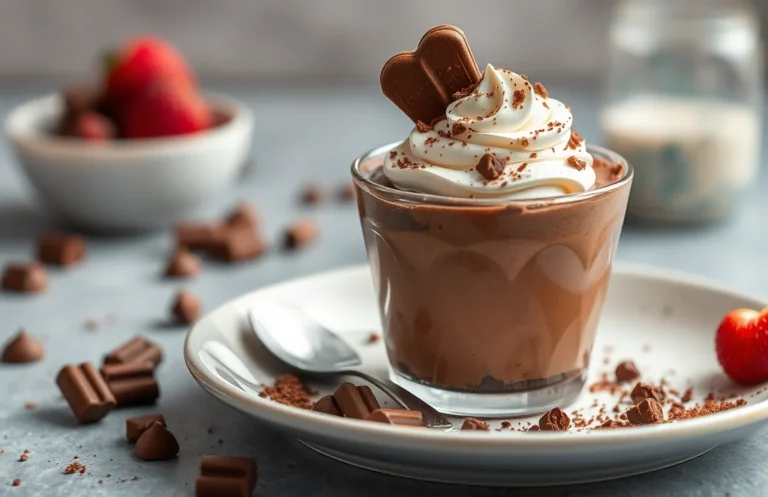
Chocolate cheesecake is a delightful twist on the traditional recipe, incorporating melted chocolate into the filling. A slice of chocolate cheesecake (approximately 1/12 of a 9-inch cake) usually ranges from 450 to 600 calories. The addition of chocolate not only increases the calorie count but also enhances its richness, so a small slice can be quite satisfying.
-
Fruit-Topped Cheesecake
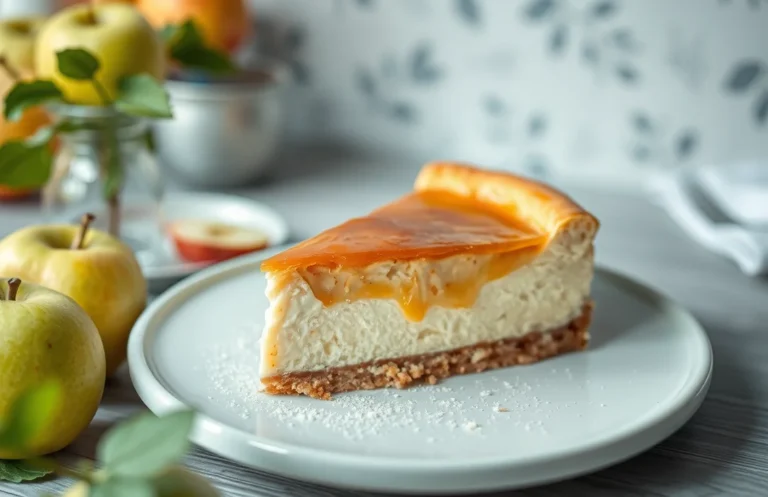
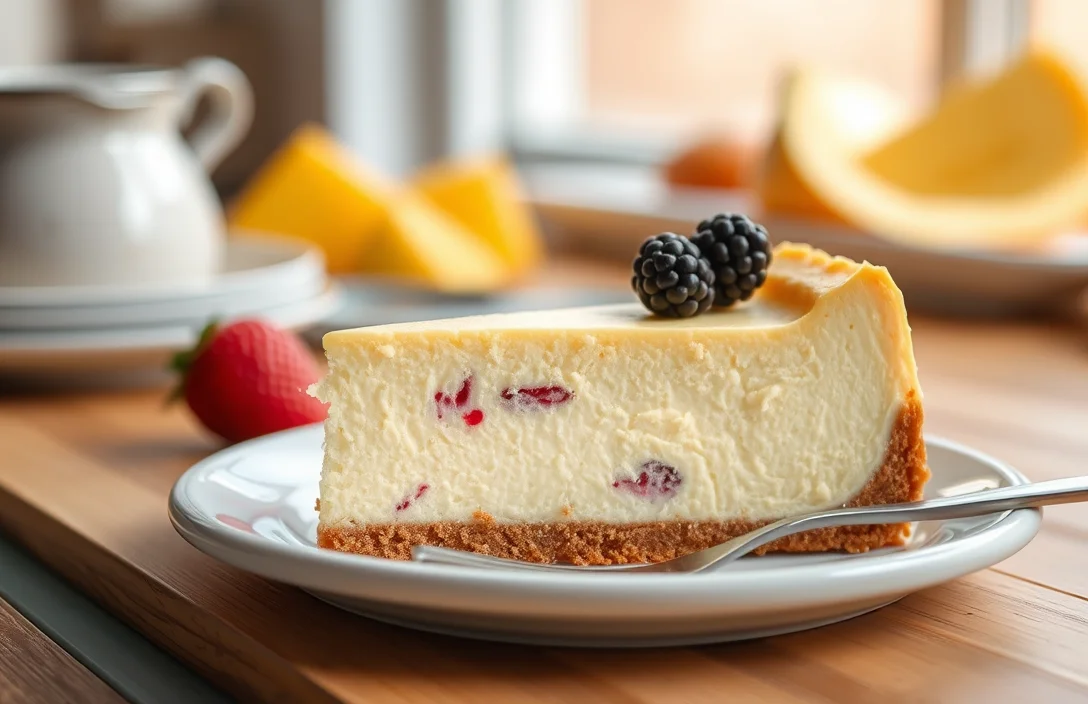
Fruit-topped cheesecake offers a lighter option, often featuring a layer of fresh fruit or fruit preserves. A slice (1/12 of a 9-inch cheesecake) typically contains around 350-450 calories, depending on the type and amount of fruit used. Opting for fresh berries can enhance the flavor while keeping the calorie count lower, making this a popular choice for those looking for a refreshing dessert.
Chef’s tip: When making cheesecake, using room temperature ingredients helps achieve a smoother filling without lumps.
Serving and Pairing Suggestions
Serving cheesecake can elevate your dessert experience, especially when paired with the right accompaniments. Consider how presentation and complementary flavors can enhance the enjoyment of each slice while keeping in mind the calorie count for a single serving.
- Plating Ideas: For a stunning presentation, serve your cheesecake on a chilled plate. Drizzle a fruit compote, such as raspberry or blueberry sauce, around the edges to add a pop of color and flavor. Garnish with a dollop of whipped cream and a sprig of mint for an elegant touch.
- Beverage Pairings: Pair your cheesecake with a light beverage to balance its richness. A glass of dessert wine, like a late harvest Riesling, or a cup of freshly brewed coffee can complement the flavors beautifully. If you prefer non-alcoholic options, a sparkling water with a slice of lemon can refresh the palate.
- Seasonal Serving Tips: Tailor your cheesecake serving to the seasons. In summer, top with fresh seasonal fruits like strawberries or peaches, which can lighten the dessert. In winter, consider a warm chocolate sauce or spiced caramel to create a cozy, comforting treat that aligns with the cooler weather.
Quick Summary
| Prep Time | Cook Time | Total Time | Servings |
|---|---|---|---|
| 20 minutes | 60 minutes | 80 minutes | 8 slices |
- Preheat the oven to 325°F (163°C) for even baking.
- Mix crust ingredients and press firmly into the bottom of the pan.
- Beat cream cheese until smooth to avoid lumps.
- Add eggs one at a time to maintain a creamy texture.
- Bake in a water bath to prevent cracking on the surface.
- Use room temperature ingredients for better blending.
- Cool gradually to prevent sudden temperature changes and cracks.
- Chill overnight for best flavor and texture before slicing.
Frequently Asked Questions
Can I make this cheesecake ahead of time? How to store and reheat?
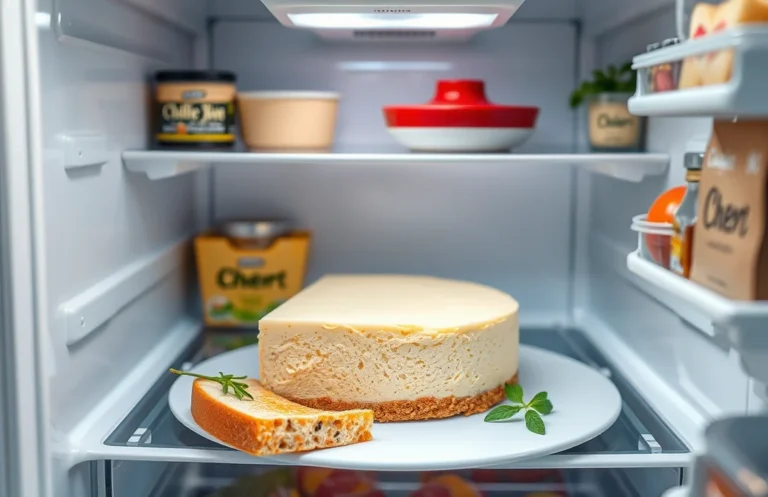
You can absolutely make this cheesecake up to 2 days in advance. Store it covered in the refrigerator, and reheat individual slices in the microwave for about 15-20 seconds.
What can I substitute for cream cheese?
If you need a substitute, you can use mascarpone cheese or a vegan cream cheese alternative for a similar texture. Keep in mind that this may slightly alter the flavor of your cheesecake.
How do I know when my cheesecake is done?
Your cheesecake is done when the edges are set but the center still has a slight jiggle, typically at around 150°F (65°C). It will firm up as it cools, so avoid overbaking!
Can I freeze this cheesecake? How long does it last?
Yes, you can freeze cheesecake for up to 3 months if wrapped tightly in plastic wrap and aluminum foil. Thaw it in the refrigerator overnight before serving for the best texture.
Why did my cheesecake crack on top?
Your cheesecake may crack due to baking it at too high a temperature or not letting it cool gradually. Next time, try baking it in a water bath to maintain a more consistent temperature and moisture level.

- Decadent Peanut Butter No-Bake Cheesecake: Easy Recipe to Indulge - April 3, 2026
- Delicious Mango No-Bake Cheesecake: Step-by-Step Recipe - April 3, 2026
- Decadent Raspberry No-Bake Cheesecake: Easy Step-by-Step Recipe - April 3, 2026