Japanese Cheesecake: Weight Gain Risks and Healthier Alternatives
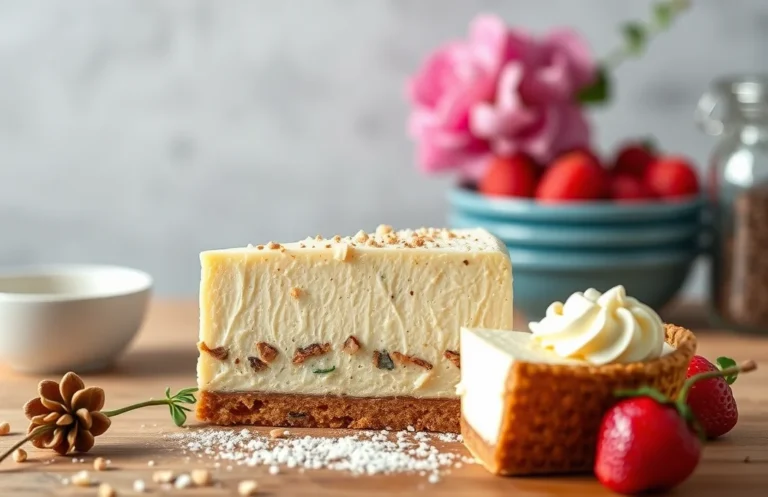
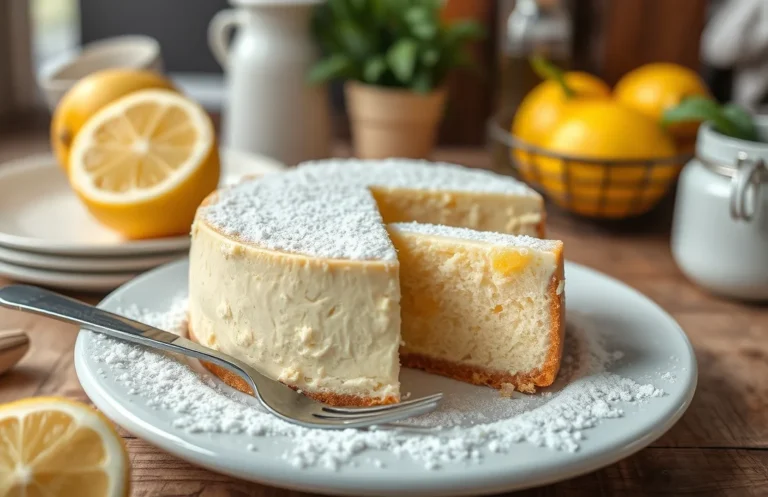
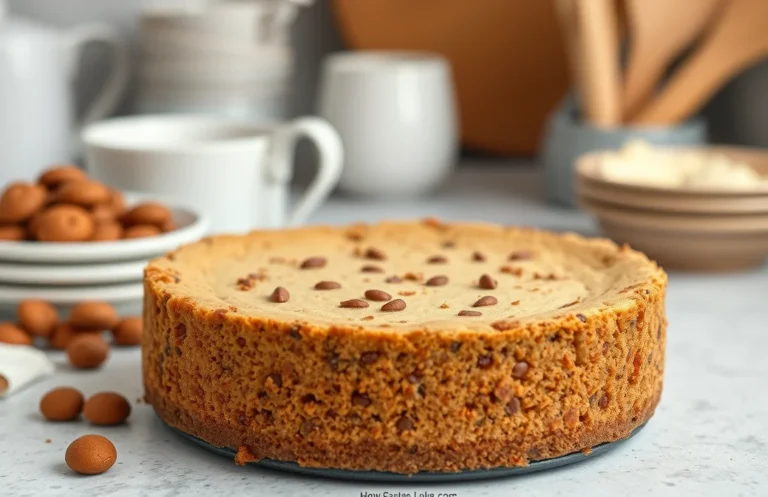
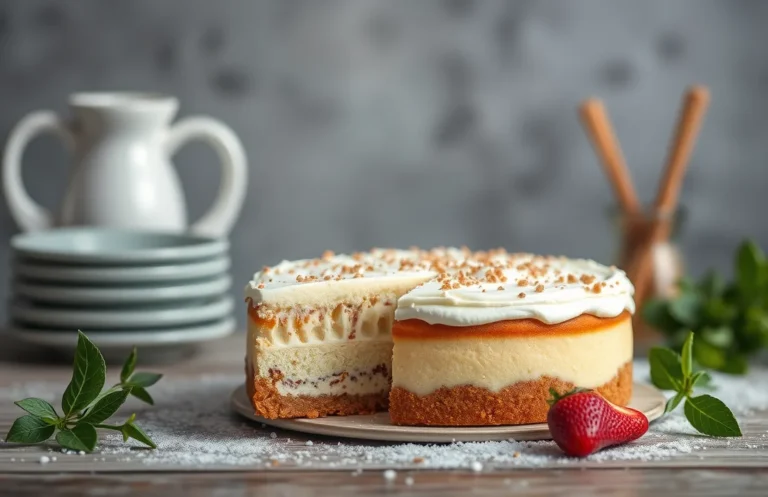
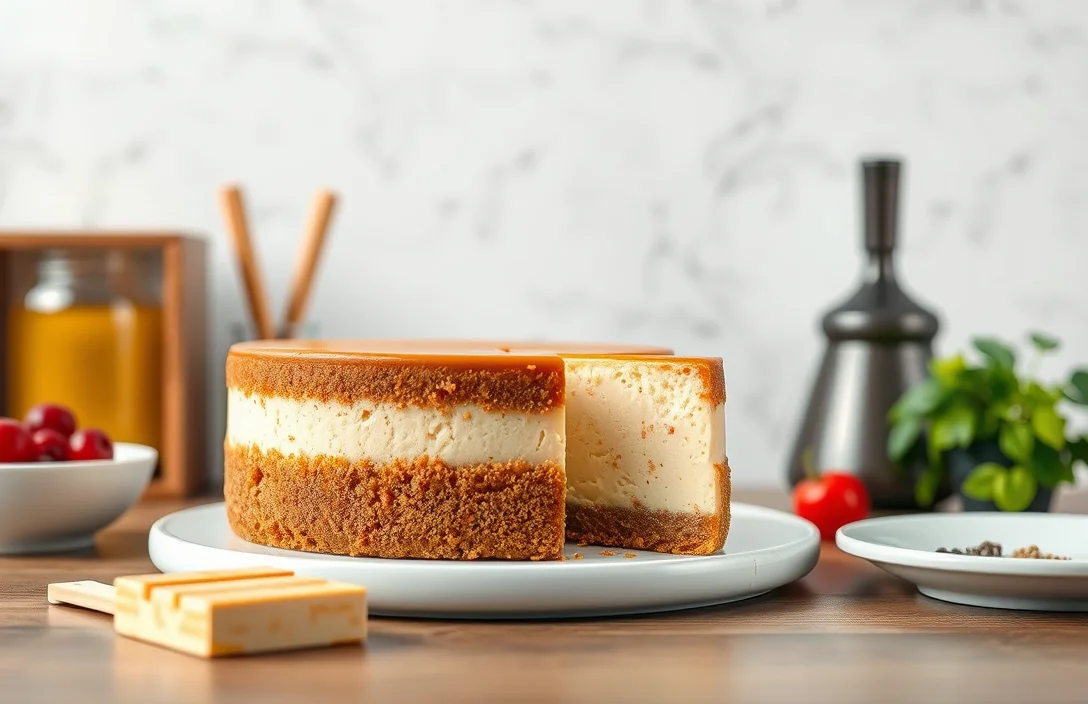
If you’ve ever tasted a fluffy, melt-in-your-mouth Japanese cheesecake, you know why it’s a favorite. This dessert strikes that perfect balance between lightness and creaminess, making it an irresistible treat for any occasion, whether it’s a weeknight dessert or a showstopper for guests. Imagine cutting into its delicate, wobbly layer with a fork and watching it gently spring back — pure bliss!
Curious about how Japanese cheesecake impacts your waistline? This article covers nutritional content, expert opinions on desserts and weight gain, and portion size recommendations. Plus, you’ll find a delicious healthier cheesecake recipe to try!
| Prep Time | 30 minutes |
|---|---|
| Cook Time | 60 minutes |
| Total Time | 1 hour 30 minutes |
| Servings | 8 slices |
| Difficulty | Medium |
Origins of Japanese Cheesecake
This section delves into the rich history and cultural significance of Japanese cheesecake, a beloved dessert that has captivated taste buds worldwide. Understanding its origins helps to contextualize its nutritional content and potential impact on weight management.
- Cultural Background: Japanese cheesecake, often referred to as “soufflé cheesecake,” traces its roots back to the 1960s. It was inspired by Western cheesecakes but adapted to suit Japanese tastes, leading to a lighter and fluffier texture. This dessert is a staple in Japanese cafes and has gained popularity internationally, often enjoyed for its unique flavor and texture.
- Special Characteristics: Unlike traditional cheesecakes, which are dense and rich, Japanese cheesecake is known for its airy quality, achieved through the incorporation of whipped egg whites. This method results in a cake that is soft, jiggly, and has a subtle sweetness, making it a delightful treat without being overwhelmingly rich.
- Impact on Nutrition: The lighter nature of Japanese cheesecake means it often contains less cream cheese and sugar compared to its Western counterparts. However, portion sizes and frequency of consumption are crucial factors to consider when evaluating its impact on weight gain.
Nutritional Breakdown
This section provides a detailed look at the nutritional content of Japanese cheesecake and its potential effects on weight gain. Understanding the calories and macronutrients in this delightful dessert can help you make informed decisions about portion sizes and alternatives.
| Nutrient | Per Serving (1 slice, ~100g) |
|---|---|
| Calories | 250 kcal |
| Protein | 7 g |
| Carbohydrates | 30 g |
| Fat | 12 g |
| Sugar | 15 g |
Japanese cheesecake, known for its light and fluffy texture, contains a moderate amount of calories and macronutrients. Here’s a more detailed breakdown:
- Calories per Serving: Each slice of Japanese cheesecake contains approximately 250 calories, making it a dessert that can be enjoyed in moderation.
- Macronutrient Analysis:
- Protein: 7 g – Contributes to satiety, which can help curb cravings later.
- Carbohydrates: 30 g – Primarily from the sugar and flour, which provide energy.
- Fat: 12 g – Comes from cream cheese and butter, giving the cheesecake its rich flavor.
Chef’s tip: If you’re watching your calorie intake, consider enjoying a smaller portion or pairing a slice with fresh fruit to add volume without too many extra calories.
When consuming Japanese cheesecake, it’s essential to balance it with a nutritious diet and active lifestyle to prevent weight gain. Enjoying occasional treats like this can fit into a healthy eating pattern!
Necessary Kitchen Equipment
To create the perfect Japanese cheesecake, having the right kitchen equipment is essential. The tools you use can significantly affect the texture and flavor of the final product. This section outlines the necessary mixing tools and baking equipment you’ll need for success in your cheesecake endeavor.
| Item | Amount/Specification | Notes |
|---|---|---|
| Mixing Bowls | 2 Large | One for cream cheese mixture, one for egg whites |
| Electric Mixer | 1 | Handheld or stand mixer works best for whipping |
| Rubber Spatula | 1 | For folding ingredients gently |
| 9-inch Round Cake Pan | 1 | Must be deep enough for the souffle-like rise |
| Water Bath Setup | 1 | Use a larger pan to create steam while baking |
| Parchment Paper | 1 Sheet | To line the bottom of the cake pan for easy removal |
| Kitchen Scale | 1 | For accurate measurements of ingredients |
- Tip: Ensure your mixing bowls are clean and dry to prevent the egg whites from not whipping properly.
- Tip: If you don’t have a stand mixer, a hand mixer with whisk attachments will do just fine.
- Tip: Always preheat your oven to 320°F (160°C) before starting to mix your ingredients.
Cooking Steps to Perfection
Creating the perfect Japanese cheesecake requires attention to detail and precise timing. In this section, I’ll guide you through each preparation and baking step, ensuring you understand what to look for at each stage and how it contributes to the overall texture and flavor of the cheesecake.
- Preparation: Begin by preheating your oven to 320°F (160°C). Grease an 8-inch (20 cm) round cake pan with 1 tablespoon of unsalted butter and line the bottom with parchment paper. This will prevent sticking and ensure smooth removal after baking.
- Mixing the Batter: In a large mixing bowl, combine 8 ounces (227g) of cream cheese, ¼ cup (50g) of granulated sugar, and ¼ cup (60ml) of milk. Microwave this mixture for about 30-60 seconds until softened, then stir until smooth. The mixture should be creamy and free of lumps, giving off a slight sweetness.
- Incorporating Eggs: Add 3 large eggs, one at a time, to the cream cheese mixture, whisking gently after each addition until just combined. Avoid overmixing; you want the batter to be smooth but still light. The texture should feel airy and fluffy, indicating enough incorporation of air.
- Folding in the Flour: Sift in ½ cup (60g) of cake flour and a pinch of salt. Using a spatula, gently fold the flour into the batter until no dry streaks remain. The batter should be thick yet pourable, similar to a pancake batter, and have a slightly glossy appearance.
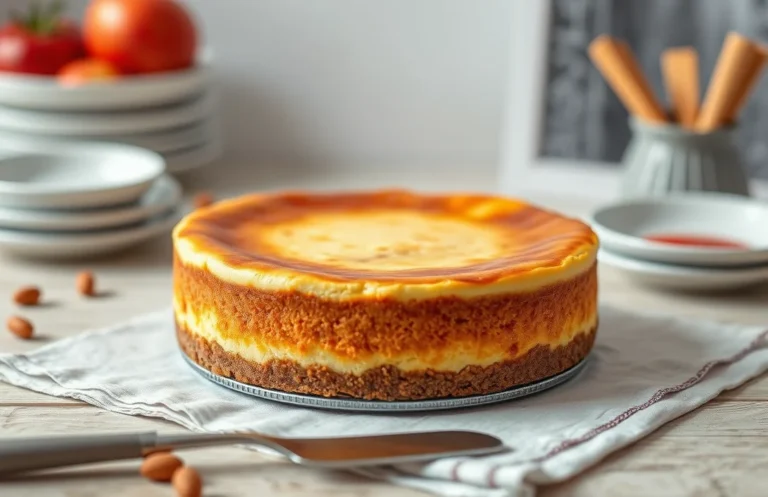
- Baking: Pour the batter into the prepared cake pan and tap it on the counter to release any air bubbles. Place the pan in a larger baking dish filled halfway with hot water to create a water bath. Bake for 60-70 minutes, or until the top is golden brown and the center is slightly wobbly. Avoid opening the oven door during the first 40 minutes.
Chef’s tip: Allow the cheesecake to cool in the oven with the door slightly ajar for about 30 minutes after baking. This helps prevent cracking.
By following these steps carefully, you can create a light and fluffy Japanese cheesecake that is both delightful and satisfying, without excessive calories that contribute to weight gain when enjoyed in moderation.
Expert Tips and Common Pitfalls
When it comes to enjoying Japanese cheesecake, understanding its texture and flavor can help you appreciate it while managing its nutritional impact. Here are some tips to ensure you savor this delight without jeopardizing your health goals.
Texture Issues
- Watch your baking temperature: Japanese cheesecake requires a gentle bake at 320°F (160°C) to prevent it from becoming too dry or dense. If baked too hot, it will puff up but then collapse, leading to a rubbery texture.
- Water bath method: Using a water bath while baking helps maintain moisture. Wrap your cheesecake pan in aluminum foil and place it in a larger pan filled with hot water for even cooking.
- Cool gradually: After baking, turn off the oven and crack the door open, allowing the cheesecake to cool slowly inside. This prevents sudden temperature changes that can lead to cracks.
Flavor Enhancements
- Quality ingredients matter: Use high-quality cream cheese (like Philadelphia) for a creamy texture. Avoid low-fat versions, as they can compromise the flavor and texture.
- Add citrus zest: Incorporating the zest of 1 lemon or orange brightens the flavor and balances the richness of the cheesecake, making it less likely to feel heavy.
- Serve with fresh fruits: Pairing the cheesecake with berries or a light fruit compote adds natural sweetness and fiber, which can help you feel satisfied with smaller portions.
Healthier Cheesecake Variations
If you’re mindful of your waistline but still crave the delightful taste of Japanese cheesecake, there are several healthier variations you can try. These options allow you to enjoy the creamy texture and rich flavor without the extra calories and fat. Let’s look at some low-calorie options and vegan modifications that can help satisfy your cheesecake cravings while keeping your diet in check.
Low-Calorie Options
- Use low-fat cream cheese: Substitute 8 oz (225g) of regular cream cheese with low-fat cream cheese to cut down on calories and fat.
- Replace sugar with a natural sweetener: Use ½ cup of stevia or erythritol instead of 1 cup of sugar to reduce the calorie count significantly.
- Incorporate Greek yogurt: Mix in 1 cup (240g) of plain Greek yogurt for a protein boost and to create a creamier texture while lowering fat content.
Vegan Modifications
- Swap dairy for nut-based alternatives: Replace 8 oz (225g) cream cheese with 1 cup (240g) soaked cashews blended until smooth.
- Use aquafaba for fluffiness: Whip ½ cup (120ml) of aquafaba (chickpea water) until stiff peaks form and fold it into your batter for lightness.
- Opt for a plant-based sweetener: Use ½ cup (100g) maple syrup or agave nectar instead of refined sugar to sweeten the cheesecake naturally.
Chef’s tip: Always taste your batter before baking to adjust sweetness or flavors to your liking.
| Ingredient | Amount |
|---|---|
| Low-fat cream cheese | 8 oz (225g) |
| Stevia or erythritol | ½ cup |
| Plain Greek yogurt | 1 cup (240g) |
| Soaked cashews | 1 cup (240g) |
| Aquafaba | ½ cup (120ml) |
| Maple syrup or agave nectar | ½ cup (100g) |
These modifications not only make the cheesecake lighter but can also fit into a balanced diet, allowing you to indulge without guilt.
Serving Ideas and Pairings
Japanese cheesecake is not just a treat for the taste buds; it’s a visually stunning dessert that can be elegantly served and paired to enhance its delightful qualities. Here are some presentation tips and beverage pairings that can elevate your cheesecake experience while keeping mindful of portion sizes.
- Presentation Tips: Start by slicing your cheesecake into even wedges. A 9-inch cheesecake typically yields 8-10 slices. For a professional look, use a hot, wet knife for clean cuts. Garnish each slice with a light dusting of powdered sugar and a sprig of mint. You can also add fresh berries, such as strawberries or blueberries, on the side for a pop of color and flavor.
- Beverage Pairings: Pair your cheesecake with beverages that complement its fluffy texture. A light, floral green tea, such as jasmine, can balance the richness without overwhelming the palate. Alternatively, a glass of sparkling wine or champagne adds a celebratory touch. If you prefer non-alcoholic options, a lightly flavored lemonade or a refreshing herbal iced tea can enhance the dessert’s sweetness.
- Mindful Serving Sizes: Given that Japanese cheesecake is lighter than traditional cheesecakes, consider serving smaller portions. A slice of about 2-3 ounces is satisfying without being too indulgent. This mindful approach allows you to enjoy the cheesecake while keeping your overall calorie intake in check.
Chef’s tip: Always serve your cheesecake chilled for the best texture and flavor. It should be soft yet firm enough to hold its shape when sliced.
Quick Summary
| Prep Time | 20 minutes |
|---|---|
| Cook Time | 60 minutes |
| Total Time | 1 hour 20 minutes |
| Servings | 8 |
- Separate eggs: Make sure to separate egg whites and yolks carefully for a fluffy texture.
- Beat egg whites: Whip until stiff peaks form for the best rise.
- Water bath: Bake in a water bath to maintain moisture and prevent cracking.
- Cool gradually: Allow the cheesecake to cool in the oven to avoid sudden temperature changes.
- Serve chilled: Refrigerate for at least 4 hours for optimal flavor and texture.
- Tip 1: Use room temperature ingredients for better mixing.
- Tip 2: Don’t skip the cornstarch; it helps stabilize the structure.
Frequently Asked Questions
Can I make this ahead of time? How to store and reheat?
You can make Japanese cheesecake a day in advance and store it in the refrigerator. To reheat, simply pop it in the oven at 300°F (150°C) for about 10 minutes to regain its fluffy texture.
What can I substitute for cream cheese?
If you don’t have cream cheese, you can use a mixture of 8 oz. of ricotta and 2 oz. of sour cream for a similar creamy texture. Just remember that this may slightly alter the flavor of your cheesecake.
How do I know when it’s done?
Your Japanese cheesecake is done when the edges are set but the center still has a slight jiggle, typically around 60-70 minutes at 320°F (160°C). It should also have a beautiful golden-brown top.
Can I freeze this? How long does it last?
You can freeze Japanese cheesecake for up to 2 months, but make sure to wrap it tightly in plastic wrap and then foil to prevent freezer burn. Thaw it in the refrigerator overnight before serving.
Why did my cheesecake turn out dense instead of fluffy?
If your cheesecake is dense, it could be due to overmixing the batter or not folding in the whipped egg whites gently enough. Aim for a light, airy texture when combining ingredients to maintain that signature fluffiness.

- 10 Best Air Fryer Oven With Digital Controls 2026 (Reviewed) - October 22, 2026
- 10 Best Air Fryer Oven For Large Families 2026 (Reviewed) - October 22, 2026
- 10 Best Air Fryer Oven For Countertops 2026 (Reviewed) - October 22, 2026