Cheesecake vs. Pie: Discover Their Differences and Try Recipes!
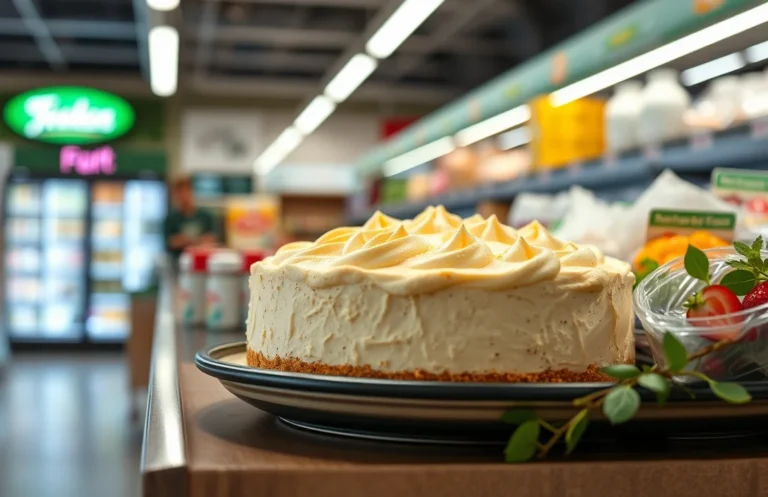
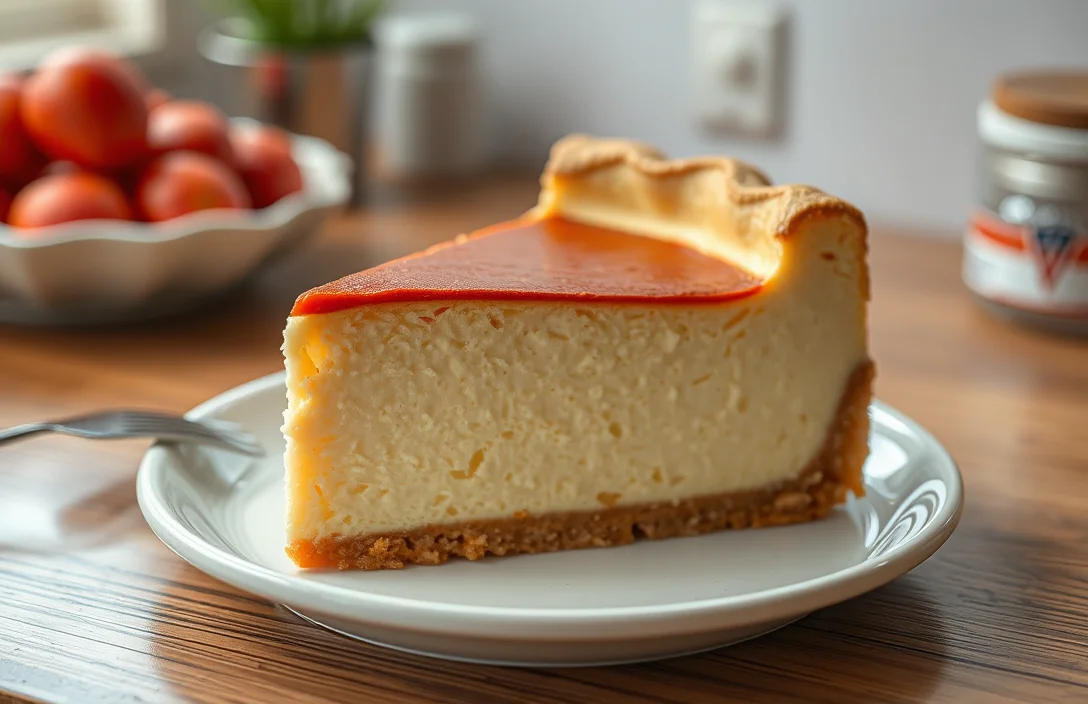
Cheesecake is one of those desserts that can turn any ordinary day into a special occasion. Its creamy texture and rich flavor make it a crowd-pleaser at gatherings, and it’s just as delightful for a cozy weeknight treat. Trust me, once you take a bite, you’ll be hooked!
Get ready to make a cheesecake that’s sure to impress! This recipe takes about 1 hour to prepare and bake, with an additional 4 hours of cooling time. It’s rated easy and serves 8-10 people.
| Prep Time | Cook Time | Total Time | Servings | Difficulty |
|---|---|---|---|---|
| 20 minutes | 40 minutes | 4 hours 60 minutes | 8-10 | Easy |
Cheesecake Origins and Characteristics
This section outlines the historical background of cheesecake and highlights the unique characteristics that set it apart from pie. Understanding these distinctions helps clarify why cheesecake holds its own place in the dessert world.
Historical Background
Cheesecake has roots that trace back to ancient Greece, where it was served to athletes during the first Olympic Games in 776 B.C. It was considered a source of energy. The Romans later adapted the recipe, spreading it throughout Europe. By the time it reached the United States, various regional adaptations emerged, leading to the creamy, rich cheesecakes we enjoy today.
Why It’s Special
Cheesecake is distinct for several reasons:
- Base Ingredients: Cheesecake primarily features cream cheese or ricotta, which provides a rich, creamy texture.
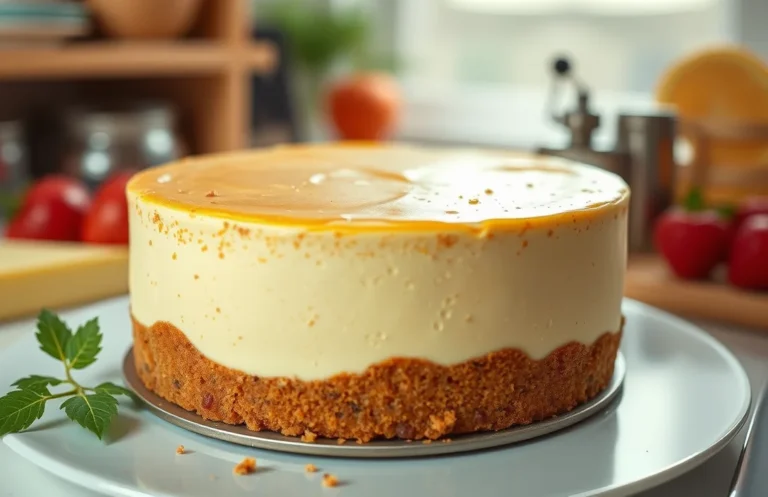
- Crust Type: Unlike pies, cheesecakes often use a crust made from crushed graham crackers, cookies, or even sponge cake, rather than a traditional pie crust.
- Baking Method: Cheesecakes are typically baked at lower temperatures (around 325°F or 160°C) for a longer duration to achieve a smooth consistency without cracks.
When to Serve
Cheesecake is versatile and can be served on various occasions, such as:
- Birthdays
- Holidays
- Special gatherings
Chef’s tip: Let the cheesecake cool in the oven with the door ajar for about an hour to prevent cracking.
| Characteristic | Cheesecake | Pie |
|---|---|---|
| Main Filling | Creamy cheese mixture | Fruits, custards, or creams |
| Crust | Graham cracker or cookie | Pie dough |
| Baking Temperature | 325°F (160°C) | Varies, often higher |
Ingredients for Cheesecake
Understanding the ingredients used in cheesecake is essential to appreciate its unique texture and flavor that set it apart from pies. This section outlines the specific components needed to create a delicious cheesecake, emphasizing the creamy richness of the filling and the contrasting texture of the crust.
| Item | Amount/Specification | Notes |
|---|---|---|
| Cream Cheese | 16 ounces (450g) | Softened at room temperature for easy mixing. |
| Sour Cream | 1 cup (240g) | Provides tanginess and creaminess. |
| Granulated Sugar | 1 cup (200g) | Adjust for sweetness preference. |
| Eggs | 3 large | Room temperature for better incorporation. |
| Vanilla Extract | 2 teaspoons | Enhances flavor; pure extract is best. |
| Graham Cracker Crumbs | 1 ½ cups (150g) | For a classic crust; can substitute with crushed cookies. |
| Unsalted Butter | ½ cup (115g) | Melted for crust binding. |
- Substitutions: For a gluten-free version, use gluten-free graham cracker crumbs or almond flour.
- Ensure all dairy ingredients are at room temperature to prevent lumps in the mixture.
- For a richer flavor, consider adding a tablespoon of lemon juice or zest.
- Watch for overmixing; you want a smooth batter, but excessive mixing can incorporate too much air, leading to cracks during baking.
Essential Kitchen Equipment
Making a cheesecake requires specific tools to ensure the best texture and flavor. Using the right equipment not only simplifies the process but also helps achieve that creamy, smooth consistency that distinguishes cheesecake from pie.
- Stand Mixer or Hand Mixer: A stand mixer is ideal for making cheesecake because it efficiently blends the cream cheese and sugar until smooth. If using a hand mixer, be sure to mix on medium speed to avoid over-aeration, which can lead to cracks in your cheesecake. Aim for a creamy texture without lumps.
- Springform Pan: This is a must-have for any cheesecake recipe. The removable sides allow for easy release of the cheesecake without damaging its delicate structure. Use a 9-inch (23 cm) springform pan for the standard recipe, and ensure you line the bottom with parchment paper to prevent sticking.
- Baking Tools: Equip yourself with a few essential baking tools such as a rubber spatula for scraping down the sides of the bowl, a food processor for making the crust, and measuring cups and spoons for accuracy. A digital kitchen scale can also be helpful for precise ingredient measurements, especially for the crust and filling.
Chef’s tip: Always preheat your oven to 325°F (160°C) before baking your cheesecake to ensure even cooking and to prevent cracks.
With these tools at your disposal, you’ll be well-prepared to create a delicious cheesecake that stands apart from any pie!
Step-by-Step Cheesecake Recipe
This section will guide you through making a delicious cheesecake from scratch, highlighting why it stands apart from pie. From preparing the crust to baking and chilling the cake, these step-by-step instructions will ensure your cheesecake turns out perfectly every time.
Ingredients
- 1 ½ cups graham cracker crumbs (150g)
- ½ cup granulated sugar (100g)
- ½ cup unsalted butter, melted (115g)
- 4 (8-ounce) packages cream cheese, softened (900g)
- 1 cup granulated sugar (200g)
- 1 teaspoon vanilla extract
- 4 large eggs
- 1 cup sour cream (240g)
Prepare the Crust
- Preheat your oven to 350°F (175°C). In a medium bowl, combine 1 ½ cups of graham cracker crumbs with ½ cup of granulated sugar and ½ cup of melted unsalted butter. The mixture should feel like wet sand and stick together when pressed.
- Press the crumb mixture firmly into the bottom of a 9-inch springform pan, making sure it’s even. Bake the crust for 8-10 minutes until lightly golden and fragrant. Let it cool while you prepare the filling.
Make the Filling
- In a large mixing bowl, beat 4 packages of softened cream cheese with 1 cup of granulated sugar and 1 teaspoon of vanilla extract until smooth and creamy. Scrape down the sides of the bowl to ensure everything is well combined.
- Add in 4 large eggs, one at a time, mixing on low speed until just incorporated. Avoid overmixing to prevent cracks in the cheesecake. Finally, fold in 1 cup of sour cream until the filling is smooth and glossy.
Bake and Chill
- Pour the cream cheese filling over the cooled crust, spreading it evenly. Bake in the preheated oven for 50-60 minutes. The cheesecake should be slightly jiggly in the center and golden around the edges.
- Once done, turn off the oven and crack the door, allowing the cheesecake to cool gradually for about 1 hour. This helps prevent cracks. Afterward, refrigerate for at least 4 hours, preferably overnight, before serving. Your cheesecake should be firm to the touch and chilled through.
Pro Tips and Mistakes to Avoid
Preparing a cheesecake can seem daunting, but with the right techniques, you can avoid common pitfalls that lead to cracks and inconsistencies. Here are some expert tips to ensure your cheesecake comes out perfectly smooth and creamy every time.
Prevent Cracks
- Bake in a water bath: This method helps maintain a steady temperature and adds moisture to the oven, reducing the likelihood of cracks. Wrap your springform pan in aluminum foil to prevent water from seeping in, and place it in a larger pan filled with hot water before baking at 325°F (160°C) for about 60-70 minutes.
- Cool gradually: After baking, turn off the oven and leave the cheesecake inside with the door slightly ajar for about an hour. This gradual cooling helps prevent sudden temperature changes that can cause cracks.
Avoid Overmixing
- Mix on low speed: When combining your cream cheese and sugar, use a mixer on low to prevent incorporating too much air. Aim for a smooth consistency without overmixing, which can lead to a dense texture. Mix just until combined, about 2-3 minutes.
- Incorporate eggs one at a time: Adding eggs all at once can lead to overmixing. Add each egg individually, mixing just until incorporated, to maintain the light and airy texture of your cheesecake.
Cooling Tips
- Chill completely: After the cheesecake has cooled at room temperature, refrigerate it for at least 4 hours, preferably overnight. This allows the flavors to meld and the texture to firm up, giving you that perfect slice when serving.
- Run a knife around the edges: Before removing the sides of the springform pan, run a knife along the edges to prevent sticking and ensure a clean release.
Cheesecake Variations and Substitutions
Cheesecake is a versatile dessert that can be adapted to fit various dietary needs and flavor preferences. Understanding these variations not only expands your cheesecake repertoire but also allows you to accommodate guests with different dietary restrictions while enjoying this beloved treat.
Gluten-Free Options
For those avoiding gluten, you can easily modify the crust and filling of your cheesecake:
- Use 1 ½ cups almond flour or gluten-free graham cracker crumbs for the crust.
- Combine with 5 tablespoons melted butter and press into the bottom of your springform pan.
- Bake at 350°F (175°C) for 8-10 minutes until lightly golden.
Vegan Cheesecake
Making a vegan cheesecake is simple and satisfying. Here’s how:
- For the crust, use 1 ½ cups crushed oats mixed with ½ cup melted coconut oil.
- For the filling, blend 2 cups soaked cashews, ½ cup coconut cream, ½ cup maple syrup, and ¼ cup lemon juice until smooth.
- Pour the filling into the crust and refrigerate for at least 4 hours or until set.
Chef’s tip: If your vegan cheesecake is too runny, add a tablespoon of cornstarch to the filling before blending to help it set.
Flavor Variations
Cheesecake can be flavored in countless ways to suit your taste:
- For a classic New York style, keep it simple with 1 teaspoon vanilla extract.
- For chocolate cheesecake, mix in ½ cup melted chocolate into the filling.
- For fruit flavors, swirl in 1 cup of pureed fruit like strawberries or blueberries before baking.
| Flavor Variation | Ingredient Additions |
|---|---|
| Chocolate | ½ cup melted chocolate |
| Berry | 1 cup fruit puree |
| Citrus | Zest of 1 lemon or orange |
Experimenting with these variations can turn a basic cheesecake into a personalized masterpiece. Enjoy the process, and don’t be afraid to try new combinations!
Serving Suggestions for Cheesecake
Serving cheesecake is an art in itself, allowing you to enhance its creamy texture and rich flavor with various accompaniments. Here are some delicious ways to elevate your cheesecake experience, ensuring every slice is a delight.
Plating Ideas
- Start by slicing your cheesecake into even pieces. A clean cut will showcase the smooth layers. Use a warm knife to avoid cracks, dipping it in hot water and wiping it dry between cuts.
- Place each slice on a dessert plate and consider adding a thin layer of raspberry coulis or chocolate sauce under the cheesecake. This adds a pop of color and a delightful flavor contrast.
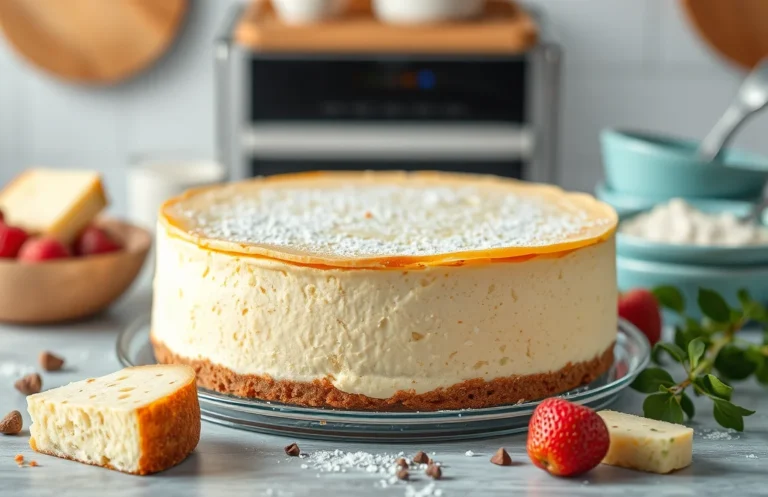
- Garnish with a sprig of fresh mint or a dusting of powdered sugar for a polished look. This not only enhances visual appeal but also adds a fresh note to balance the richness.
Pairing Suggestions
- Wine lovers can pair cheesecake with a sweet dessert wine like a late harvest Riesling or a fruity Moscato. These wines complement the creaminess beautifully, enhancing the overall experience.
- For coffee enthusiasts, serve with a freshly brewed espresso. The bitterness of coffee cuts through the sweetness of the cheesecake, creating a satisfying balance.
Toppings
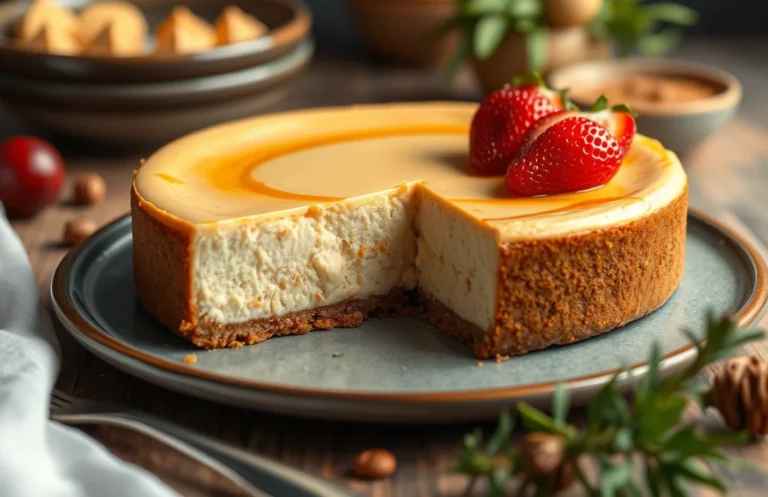
- Top your cheesecake with a layer of fresh berries—strawberries, blueberries, or raspberries work wonderfully. Toss them in a little sugar to enhance their natural sweetness and let them sit for 10 minutes to release juices.
- Consider adding a dollop of whipped cream or a scoop of vanilla ice cream on the side. The creaminess complements the cheesecake’s texture, making each bite even more indulgent.
- For a nutty crunch, sprinkle toasted nuts like pecans or almonds on top. This adds a delightful texture contrast and a hint of earthy flavor.
Quick Summary
| Prep Time | 20 minutes |
|---|---|
| Cook Time | 60 minutes |
| Total Time | 1 hour 20 minutes |
| Servings | 8 |
- Preheat oven: Set to 325°F (163°C) before mixing ingredients.
- Prepare crust: Combine 1 ½ cups graham cracker crumbs with ½ cup melted butter.
- Mix filling: Beat 24 oz cream cheese with 1 cup sugar until smooth.
- Bake: Pour filling into crust and bake for 60 minutes until set.
- Cool properly: Let it cool in the oven with the door ajar to prevent cracks.
- Chill: Refrigerate for at least 4 hours before serving for best texture.
- Room temperature ingredients: Ensure cream cheese is at room temperature to avoid lumps.
- Water bath: Use a water bath to keep the cheesecake moist and prevent cracks.
- Don’t overmix: Mix just until combined to maintain a creamy texture.
Frequently Asked Questions
Can I make this cheesecake ahead of time? How to store and reheat?
You can definitely make cheesecake ahead of time; it actually tastes better after chilling for at least 4 hours or overnight. Store it in the refrigerator in an airtight container for up to 5 days, and reheat individual slices in the microwave for about 10-15 seconds if desired.
What can I substitute for cream cheese?
If you’re looking for a substitute, you can use ricotta cheese blended until smooth, or even Greek yogurt for a lighter version. Just keep in mind that the texture and taste may vary slightly.
How do I know when the cheesecake is done?
Your cheesecake is done when the edges are set but the center still has a slight jiggle, which should take about 55-70 minutes at 325°F (163°C). A toothpick inserted should come out mostly clean with a few moist crumbs attached.
Can I freeze this cheesecake? How long does it last?
You can freeze cheesecake for up to 2-3 months by wrapping it tightly in plastic wrap and aluminum foil. Thaw it overnight in the refrigerator before serving for the best texture.
Why did my cheesecake crack on top?
Cracks often occur due to rapid temperature changes while baking or cooling; ensure you bake it in a water bath and avoid opening the oven door too frequently. If it does crack, topping it with whipped cream or fruit can help disguise the imperfection!

- 10 Best Knife For Imperial Plaid Gloves 2026 - September 12, 2026
- 10 Best Knife For Home Defense 2026 - September 12, 2026
- 10 Best Knife For Home Cooks 2026 - September 12, 2026