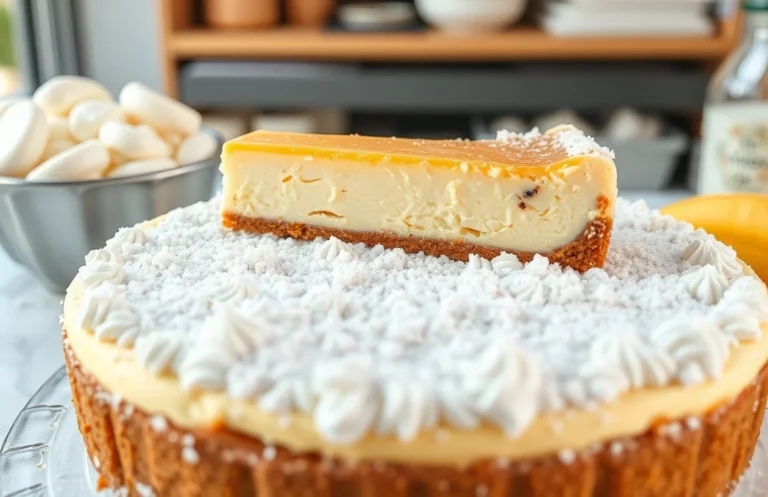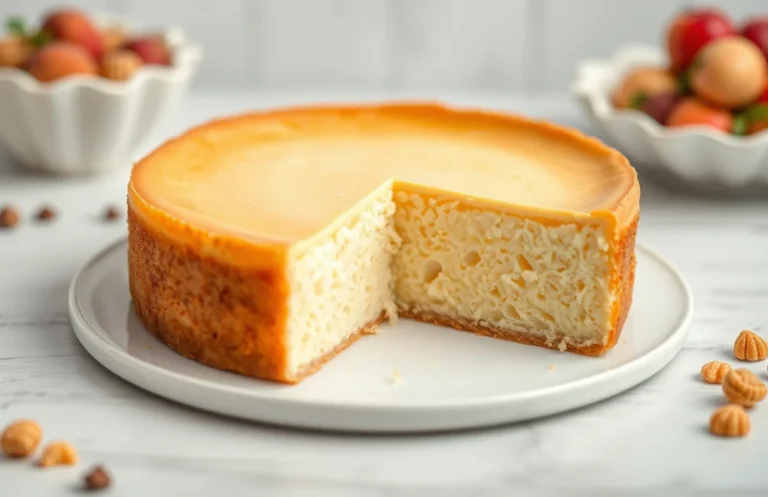
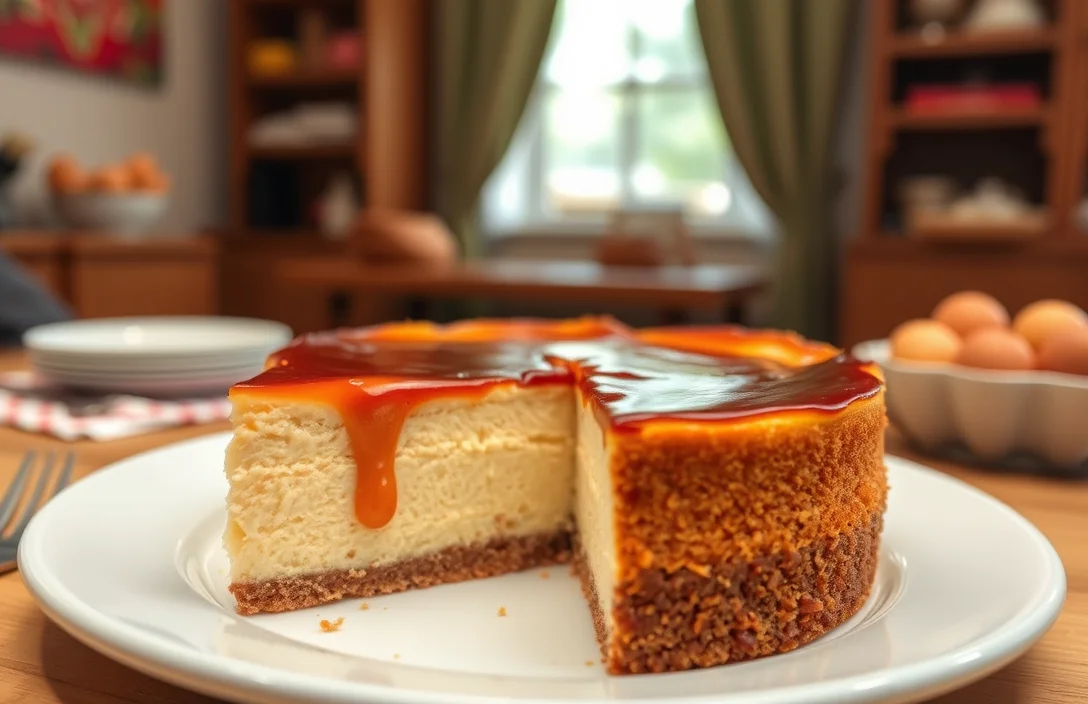
Do Cheesecakes Need Eggs? Explore Texture, Flavor, and Alternatives
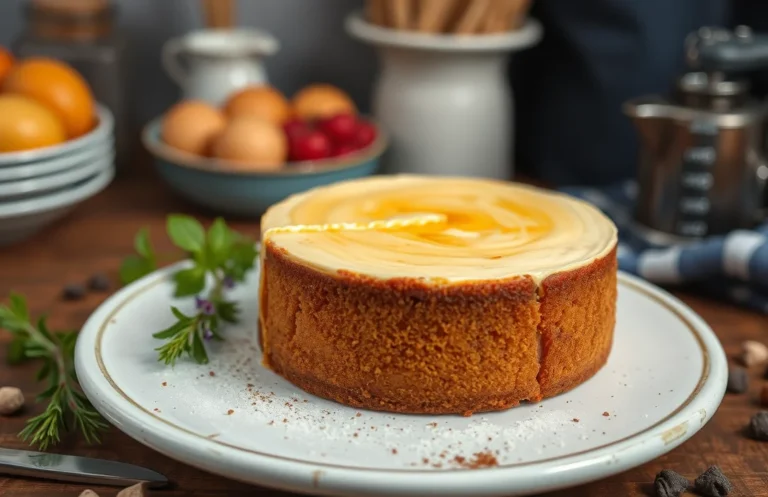
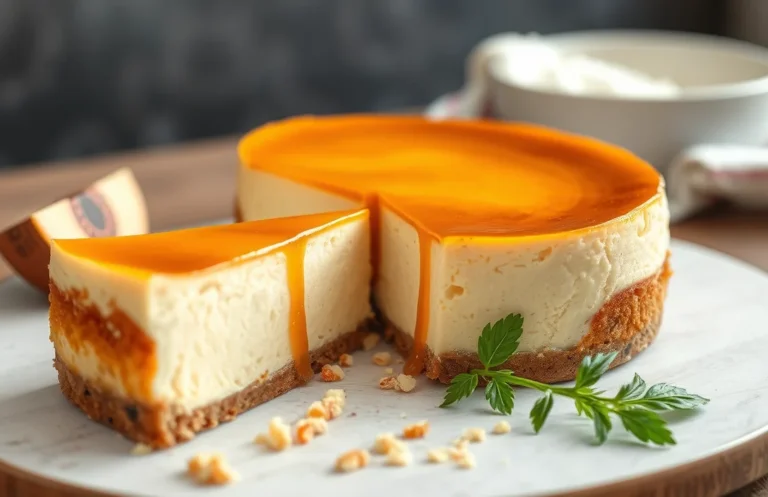
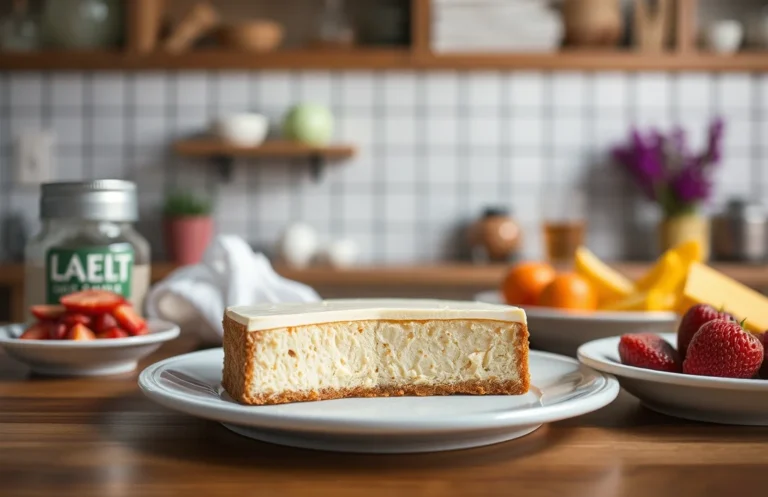
Cheesecake is one of those desserts that can turn any gathering into a celebration. With its creamy texture and sweet, tangy flavor, it’s a crowd-pleaser that melts in your mouth, making it the perfect treat for weeknight dinners or special occasions. Just imagine slicing into a rich cheesecake topped with fresh berries—pure bliss!
If you’ve been wondering whether cheesecake typically contains eggs, you’re in the right place. We’ll cover the role of eggs in achieving that luscious texture, along with easy recipes, both with and without eggs, so you can choose what works best for you. Total time: 1 hour, Difficulty: Easy, Servings: 8.
| Prep Time | Cook Time | Total Time | Servings | Difficulty |
|---|---|---|---|---|
| 20 minutes | 40 minutes | 1 hour | 8 | Easy |
Cheesecake Origins and Specialties
Cheesecake has a rich history that spans centuries and cultures, serving as a beloved dessert in many parts of the world. Understanding its origins and variations helps to appreciate the role of eggs in traditional recipes and the texture they contribute.
History of Cheesecake
- Ancient Roots: The earliest known cheesecake dates back to ancient Greece, where it was made with simple ingredients like cheese, honey, and flour. This version was served to athletes during the first Olympic Games.
- Roman Influence: The Romans adapted the Greek recipe, adding eggs to create a firmer texture. This marked the beginning of cheesecake’s evolution into a richer dessert.
- Modern Variations: In America, the New York-style cheesecake emerged, characterized by a dense and creamy texture, often made with cream cheese and eggs, making them a crucial ingredient for structure and moisture.
Cultural Variations
- Italian Ricotta Cheesecake: This version uses ricotta cheese and often omits eggs, resulting in a lighter, fluffier texture. It is typically sweetened with sugar and flavored with citrus zest.
- Japanese Cotton Cheesecake: Known for its airy, soufflé-like texture, this cheesecake incorporates whipped egg whites, making eggs essential for its signature lightness.
- Eggless Options: Many cultures offer eggless variations, often substituting ingredients like yogurt or silken tofu to achieve similar textures and flavors without using eggs.
Ingredients for Cheesecake
This section provides a comprehensive list of ingredients for both traditional egg-based cheesecakes and eggless alternatives. Understanding these ingredients is crucial, as they impact the texture, flavor, and overall success of your cheesecake.
Egg-based Cheesecake Ingredients
| Item | Amount/Specification | Notes |
|---|---|---|
| Graham cracker crumbs | 1 ½ cups (150g) | For the crust |
| Sugar | ½ cup (100g) | For crust and filling |
| Unsalted butter | ½ cup (115g), melted | Combine with crumbs for crust |
| Cream cheese | 4 (8-ounce) packages (900g total) | Softened for easy mixing |
| Sour cream | 1 cup (240g) | Adds creaminess |
| Eggs | 4 large | For structure and richness |
| Vanilla extract | 1 teaspoon | Enhances flavor |
Eggless Cheesecake Ingredients
| Item | Amount/Specification | Notes |
|---|---|---|
| Graham cracker crumbs | 1 ½ cups (150g) | For the crust |
| Sugar | ½ cup (100g) | For crust and filling |
| Unsalted butter | ½ cup (115g), melted | Combine with crumbs for crust |
| Silken tofu | 1 (14-ounce) package (400g) | Blended for a creamy texture |
| Non-dairy cream cheese | 2 (8-ounce) packages (450g total) | For creaminess |
| Vanilla extract | 1 teaspoon | Enhances flavor |
| Fresh lemon juice | 2 tablespoons | Adds brightness |
- Tip: For the best texture, make sure all your ingredients are at room temperature before starting.
- Substitution: If you’re allergic to dairy, opt for non-dairy cream cheese and plant-based butter.
Essential Kitchen Equipment
Before diving into your cheesecake creation, it’s crucial to gather the right tools. The right equipment not only simplifies the process but ensures that your cheesecake achieves the perfect texture and flavor, especially when considering the role of eggs in the recipe.
- Springform Pan (9-inch): This is essential for baking cheesecakes as it allows for easy removal without damaging the delicate sides. Look for one with a tight seal to prevent leaks during baking.
- Mixing Bowls: You’ll need a large mixing bowl for combining your cream cheese, sugar, and other ingredients. A medium bowl will come in handy for whisking eggs separately, especially if you’re using them to achieve that creamy texture.
- Hand Mixer or Stand Mixer: A hand mixer is perfect for creaming together the ingredients until smooth, but a stand mixer can save you some arm work and ensure thorough mixing. Mix until the batter is silky and free of lumps.
- Rubber Spatula: Use this to scrape down the sides of your mixing bowl, ensuring that all ingredients are well combined. It’s also great for folding in any additional ingredients, like whipped cream, if you choose to add those.
- Measuring Cups and Spoons: Accurate measurements are key in baking. Use them for measuring your cream cheese, sugar, and any other ingredients, ensuring your ratios are just right for the desired texture.
- Food Processor (optional): If making a crust from scratch, a food processor can quickly blend graham crackers or other biscuits into fine crumbs for a uniform base.
- Cooling Rack: After baking, allow your cheesecake to cool on a wire rack. This helps avoid condensation, which can lead to a soggy crust.
Chef’s tip: If using eggs, ensure they are at room temperature before mixing them in for a smoother batter.
Step-by-Step Cheesecake Instructions
This section will guide you through the step-by-step process of making both egg-based and eggless cheesecakes. Understanding how each method affects texture and flavor is essential for achieving the perfect cheesecake.
Egg-based Cheesecake Steps
- Prepare the crust: Preheat your oven to 350°F (175°C). In a mixing bowl, combine 1 ½ cups (150g) of crushed graham crackers, ½ cup (100g) of granulated sugar, and ½ cup (115g) of melted unsalted butter. Stir until the mixture resembles wet sand, then press it firmly into the bottom of a 9-inch (23cm) springform pan. Bake for 10 minutes until set, then let it cool.
- Make the filling: In a large bowl, beat 24 ounces (680g) of cream cheese at room temperature until creamy, about 2 minutes. Gradually add 1 cup (200g) of sugar and mix until smooth. Add 3 large eggs, one at a time, mixing just until incorporated. The mixture should be thick and glossy.
- Bake the cheesecake: Pour the filling over the cooled crust. Bake at 325°F (160°C) for 50-60 minutes until the edges are set but the center still jiggles slightly when shaken. Let it cool in the oven with the door ajar to prevent cracks.
- Chill: Once cooled, refrigerate the cheesecake for at least 4 hours, or overnight for best results. The texture will become firmer and flavors will deepen.
Eggless Cheesecake Steps
- Prepare the crust: Preheat your oven to 350°F (175°C). In a mixing bowl, combine 1 ½ cups (150g) of crushed graham crackers, ½ cup (100g) of granulated sugar, and ½ cup (115g) of melted coconut oil. Press the mixture into the bottom of a 9-inch (23cm) springform pan and bake for 10 minutes. Allow it to cool.
- Make the filling: In a large bowl, blend 24 ounces (680g) of vegan cream cheese with 1 cup (200g) of sugar and ½ cup (120ml) of coconut milk until smooth. Add 2 tablespoons of cornstarch mixed with 3 tablespoons of water to create a thick batter. The filling should be creamy without any lumps.
- Bake the cheesecake: Pour the filling over the cooled crust. Bake at 325°F (160°C) for 45-50 minutes until the edges are set and the center is slightly firm. Allow it to cool in the oven to prevent cracks.
- Chill: Refrigerate the eggless cheesecake for at least 4 hours before serving. It will firm up and the flavors will meld beautifully.
Pro Tips and Common Mistakes
Understanding the role of eggs in cheesecake is essential for achieving the perfect texture and flavor. This section will provide expert tips and highlight common errors to help you create a luscious cheesecake, whether you choose to include eggs or opt for an egg-free version.
- Use fresh eggs: Fresh eggs contribute to a creamier texture and better emulsion in your cheesecake. Look for eggs that are at least a week old; they will beat more easily and provide a smoother mixture. Check the expiration date to ensure freshness.
- Whisk eggs properly: When incorporating eggs, whisk them in a separate bowl until just combined before adding them to the cream cheese mixture. This helps to avoid overmixing, which can cause cracks in your cheesecake. The mixture should be smooth and slightly frothy.
- Control the temperature: Eggs should be at room temperature for the best results. Take them out of the refrigerator about 30 minutes before you start baking. This allows for better incorporation and a more uniform bake.
- Watch for overbaking: Cheesecakes are done when the edges are set but the center still has a slight jiggle. Remove it from the oven when it reaches 150°F (65°C) to prevent it from cracking due to overcooking. The cheesecake will continue to set as it cools.
- Experiment with substitutes: If you prefer an egg-free cheesecake, consider using silken tofu or a mixture of cornstarch and dairy-free yogurt. For every egg you omit, use 1/4 cup of pureed silken tofu or 2 tablespoons of cornstarch mixed with 1/4 cup of yogurt. This can help retain moisture and structure.
- Be mindful of flavor: Eggs add richness to your cheesecake. If you go egg-free, enhance the flavor profile with vanilla extract or a splash of lemon juice. This will help balance the creaminess and maintain a delicious taste.
Cheesecake Variations and Modifications
Cheesecake can be wonderfully versatile, accommodating various dietary needs and preferences. While traditional recipes often include eggs for structure and creaminess, there are delicious alternatives for those avoiding eggs or gluten. Here’s how you can modify your cheesecake while still achieving that creamy, rich texture.
Gluten-Free Options
For a gluten-free cheesecake, simply substitute the standard crust with gluten-free alternatives. Here’s a quick reference for a gluten-free crust:
- 1 ½ cups gluten-free graham cracker crumbs
- ½ cup unsalted butter, melted (115g)
- 2 tablespoons sugar
Mix these ingredients until they resemble wet sand. Press firmly into the bottom of a 9-inch (23cm) springform pan. Bake at 350°F (175°C) for 10 minutes or until lightly golden.
Vegan Alternatives
If you’re looking for a vegan cheesecake, you can replace eggs with silken tofu or cashew cream. Here’s a simple vegan cheesecake filling:
- 1 ½ cups raw cashews, soaked for 4 hours and drained
- ½ cup maple syrup
- 1/3 cup coconut oil, melted
- 1 tablespoon lemon juice
- 1 teaspoon vanilla extract
Blend these ingredients until smooth. Pour over your prepared crust and refrigerate for at least 4 hours or until set. The result should be creamy and slightly firm to the touch.
Chef’s tip: For an extra layer of flavor, add 1 tablespoon of cocoa powder or ¼ cup of fruit puree to the filling before blending.
By adjusting the ingredients, you can cater to different dietary needs while still enjoying a delightful cheesecake.
Serving and Plating Ideas
Cheesecake is not only a delicious dessert but also a canvas for creativity in presentation and flavor pairing. Knowing how to serve it beautifully can elevate your cheesecake experience, whether it contains eggs or not. Here are some ideas to inspire your plating and pairing.
Presentation Tips
- Use a cake stand: Elevate your cheesecake on a decorative cake stand to create an impressive display.
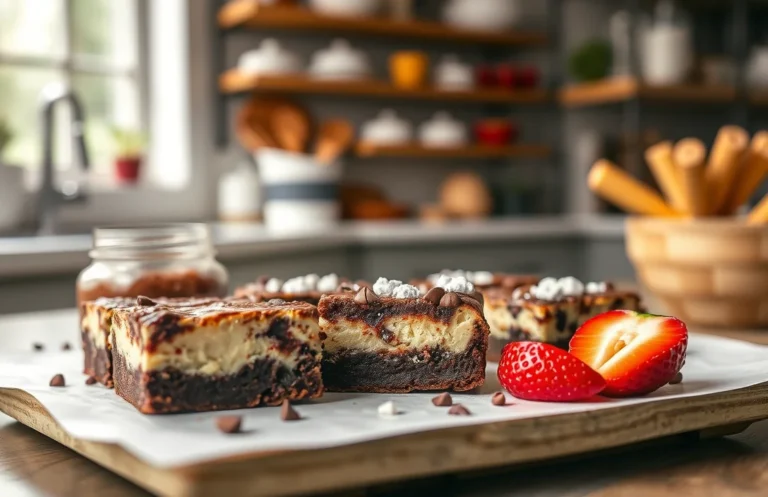
- Garnish with fresh fruit: Top your cheesecake with seasonal berries like strawberries, raspberries, or blueberries for a burst of color and freshness.
- Drizzle sauce: A warm chocolate or caramel drizzle adds a decadent touch. Heat ½ cup of chocolate chips or caramel sauce in the microwave for 30 seconds and stir until smooth before drizzling.
- Mint leaves: Add a sprig of fresh mint on top for a pop of green and added freshness.
Pairing Suggestions
Cheesecake pairs beautifully with a variety of flavors and textures. Here are some combinations to consider:
| Flavor Profile | Pairing Suggestion |
|---|---|
| Fruity | Fresh berries or fruit compote |
| Chocolatey | Chocolate shavings or ganache |
| Nutty | Chopped nuts like walnuts or pecans |
| Spiced | Ground cinnamon or nutmeg sprinkled on top |
Chef’s tip: Serve your cheesecake chilled, and allow it to sit at room temperature for about 15 minutes before slicing for easier cutting.
By keeping these presentation and pairing ideas in mind, you can impress your guests and enhance the overall cheesecake experience, regardless of whether your recipe includes eggs or not.
Quick Summary
| Prep Time | 20 minutes |
|---|---|
| Cook Time | 60 minutes |
| Total Time | 1 hour 20 minutes |
| Servings | 8 |
- Cheesecake Base: Blend cream cheese and sugar until smooth.
- Add Eggs: Incorporate eggs one at a time for a creamy texture.
- Bake: Preheat oven to 325°F (163°C) and bake for 60 minutes.
- Cool: Let it cool in the oven to prevent cracks.
- Chill: Refrigerate for at least 4 hours before serving.
- Tip: Use room temperature ingredients for easier mixing.
- Tip: Avoid overmixing to keep the cheesecake light and airy.
- Tip: Add a water bath while baking to maintain moisture.
Frequently Asked Questions
Can I make this cheesecake ahead of time? How to store and reheat?
You can definitely make cheesecake ahead of time and store it in the refrigerator for up to 5 days. Just cover it tightly with plastic wrap to prevent drying out.
What can I substitute for eggs in cheesecake?
If you’re looking for an egg substitute, you can use 1/4 cup of unsweetened applesauce or 1/4 cup of silken tofu blended until smooth for each egg. These options will help maintain the creamy texture of your cheesecake.
How do I know when my cheesecake is done?
Your cheesecake is done when the edges are set, and the center is slightly jiggly, which usually takes about 55 to 65 minutes at 325°F (163°C). It will continue to firm up as it cools.
Can I freeze cheesecake? How long does it last?
Yes, you can freeze cheesecake for up to 3 months if wrapped tightly in plastic wrap and then aluminum foil. To thaw, place it in the refrigerator overnight before serving.
Why did my cheesecake crack on top?
Your cheesecake may crack due to overbaking or rapid temperature changes; make sure to bake it at a low temperature and avoid opening the oven door while it’s cooking. Using a water bath can also help keep the temperature consistent and prevent cracking.

- 10 Best Air Fryer Oven With Digital Controls 2026 (Reviewed) - October 22, 2026
- 10 Best Air Fryer Oven For Large Families 2026 (Reviewed) - October 22, 2026
- 10 Best Air Fryer Oven For Countertops 2026 (Reviewed) - October 22, 2026