Delicious Baked Cheesecake Recipe: Easy Steps for Perfect Results
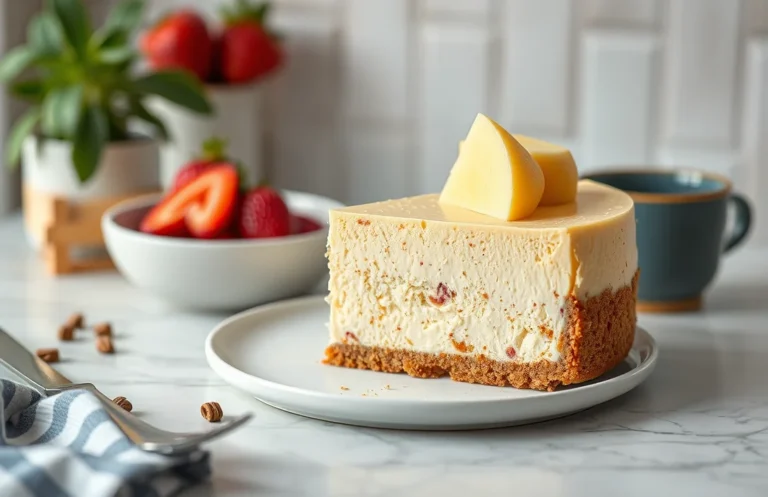
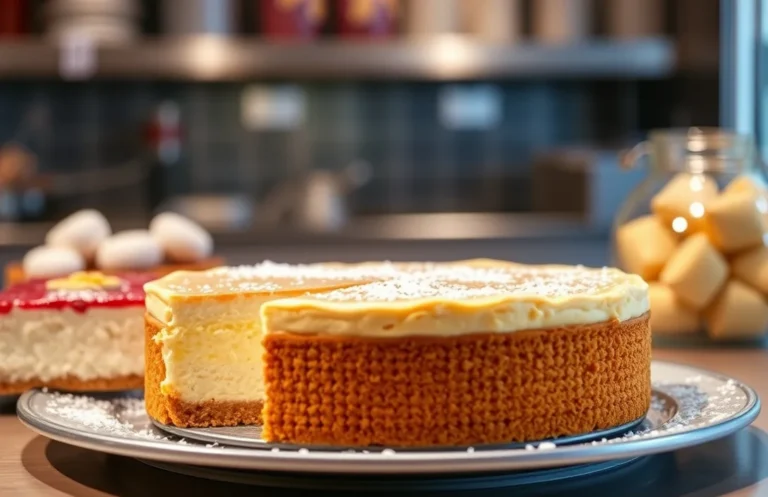
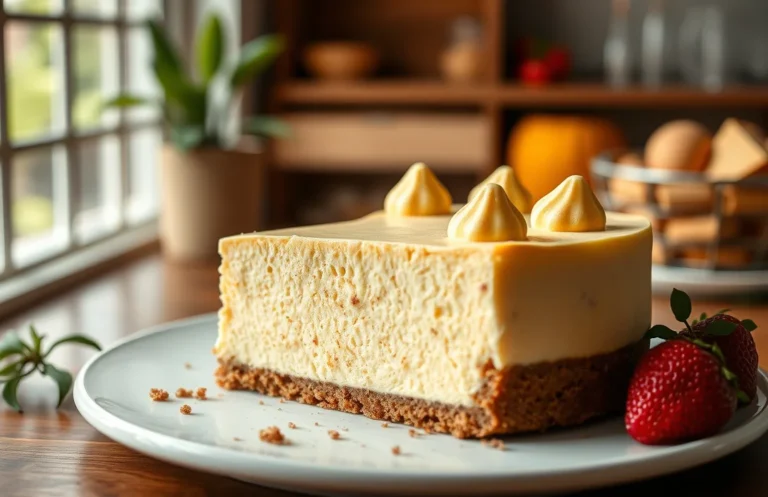
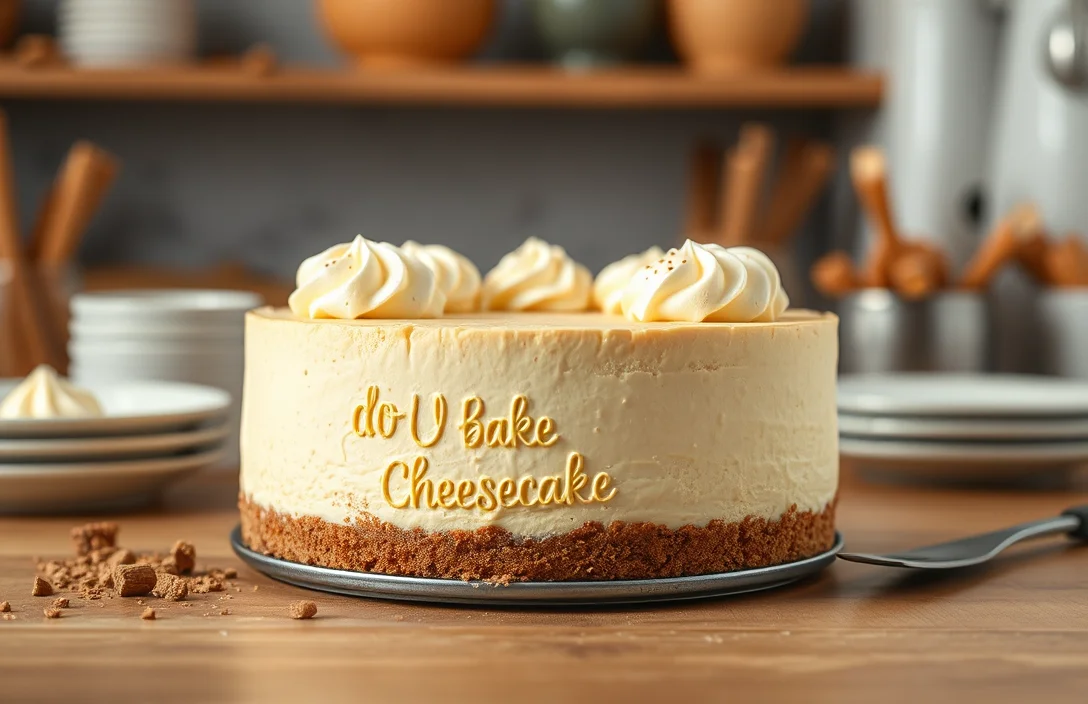
There’s something utterly delightful about a perfectly baked cheesecake. Its creamy texture and rich flavor make it the ultimate dessert for celebrations or simply a cozy weeknight treat. The buttery graham cracker crust paired with that luscious filling will have everyone coming back for seconds — it’s truly a dessert that warms the heart!
Get ready to whip up a baked cheesecake that’s both easy to follow and sure to impress. This recipe takes about 1 hour and 15 minutes from start to finish, serves 8, and is medium in difficulty. You’ll have all the tips you need for a flawless cheesecake!
| Prep Time | Cook Time | Total Time | Servings | Difficulty |
|---|---|---|---|---|
| 15 minutes | 1 hour | 1 hour 15 minutes | 8 | Medium |
Cheesecake Origins
Understanding the origins of cheesecake not only enriches our appreciation for this delicious dessert but also informs how we choose to prepare it. Cheesecake has a rich history that spans various cultures, influencing how we bake it today.
- Historical Roots: The earliest recorded cheesecake dates back to ancient Greece, where it was served to athletes at the first Olympic Games in 776 B.C. Made primarily from fresh cheese, honey, and wheat, it was a simple yet delightful treat.
- Roman Influence: The Romans adapted the Greek cheesecake recipe, incorporating eggs and baking it, which led to the development of the modern baked cheesecake. This version became popular throughout Europe, particularly in Italy.
- Cultural Variations: Different cultures have their own takes on cheesecake. For example, in Germany, Käsekuchen is a lighter version made with quark, while in Japan, the cotton cheesecake is known for its fluffy texture. Each variation showcases unique local ingredients and baking techniques.
- Modern Classics: The New York-style cheesecake, known for its creamy richness and dense texture, emerged in the early 20th century. Baked with cream cheese, sour cream, and often a graham cracker crust, it has become one of the most beloved versions worldwide.
Ingredients List
This section outlines the key ingredients you’ll need to bake a delicious cheesecake. Having the exact measurements and specifications is crucial for achieving that creamy texture and perfectly balanced flavor that makes cheesecake so irresistible.
| Item | Amount/Specification | Notes |
|---|---|---|
| Cream Cheese | 16 ounces (450g) | Softened to room temperature for easy mixing |
| Sour Cream | 1 cup (240ml) | For a tangy flavor; can substitute with Greek yogurt |
| Granulated Sugar | 1 cup (200g) | Adjust to taste; can use coconut sugar for a healthier option |
| Vanilla Extract | 1 teaspoon (5ml) | Enhances flavor; use pure vanilla for best results |
| Eggs | 3 large | At room temperature; helps create a smooth filling |
| Graham Cracker Crumbs | 1½ cups (150g) | For the crust; can substitute with crushed cookies if desired |
| Unsalted Butter | ½ cup (115g) | Melted; adds richness to the crust |
| Salt | ½ teaspoon | Balances sweetness; optional in crust |
- For a gluten-free option, use gluten-free cookies for the crust.
- Ensure all dairy ingredients are at room temperature to prevent lumps.
- Do not overmix the filling to avoid incorporating too much air, which can cause cracks during baking.
Essential Kitchen Tools
To bake a cheesecake successfully, having the right tools is crucial. Each tool plays a specific role in ensuring that your cheesecake comes out perfectly creamy and delicious. Below is a list of essential equipment you’ll need, along with helpful specifications and tips.
| Item | Amount/Specification | Notes |
|---|---|---|
| Baking Pan | 9-inch springform pan | Allows for easy removal of the cheesecake; ensure it’s leak-proof. |
| Mixer | Stand or hand mixer | Use for beating cream cheese until smooth; avoid lumps. |
| Oven Thermometer | N/A | Ensures your oven is at the correct temperature; essential for baking. |
- Tip: If you don’t have a springform pan, a regular cake pan can work, but be careful when removing the cheesecake.
- Tip: A hand mixer is sufficient if you’re making a smaller cheesecake; just be sure to mix thoroughly.
- Tip: Always double-check your oven’s temperature with a thermometer; a properly heated oven helps to prevent cracks in the cheesecake.
Baking Instructions
In this section, we’ll guide you through the essential steps of baking your cheesecake, ensuring a smooth process from the crust to the filling. Following these precise instructions will help you achieve that creamy, decadent texture that makes cheesecake a favorite.
Mixing the Crust
- Start by preheating your oven to 350°F (175°C). This temperature is crucial for achieving a perfectly baked crust.
- In a medium bowl, combine 1 ½ cups (150g) of graham cracker crumbs with ⅓ cup (65g) of granulated sugar and ½ cup (115g) of melted unsalted butter. Mix until the crumbs are fully coated and resemble wet sand.
- Press the mixture firmly into the bottom of a 9-inch (23cm) springform pan, ensuring it’s even and compact. Bake for 10 minutes, then remove and let cool while you prepare the filling.
Preparing the Filling
- In a large mixing bowl, beat 4 (8-ounce) packages of softened cream cheese until smooth and creamy, about 3-4 minutes. The texture should be free of lumps and silky.
- Add 1 cup (200g) of granulated sugar, 1 teaspoon of vanilla extract, and 4 large eggs, one at a time, mixing well after each addition. The mixture should be smooth and glossy.
- Finally, fold in 1 cup (240ml) of sour cream and ¼ cup (60ml) of heavy cream. This will enrich the flavor and improve the texture. Make sure there are no streaks left in the batter.
Baking Process
- Pour the cheesecake filling over the cooled crust, smoothing the top with a spatula. Carefully tap the pan on the counter to release any air bubbles.
- Bake in the preheated oven for 50-60 minutes or until the edges are set and the center slightly jiggles when shaken. Keep an eye on it; the top should look lightly golden and slightly puffed.
- Turn off the oven and crack the door, allowing the cheesecake to cool slowly for about 1 hour. This helps prevent cracks. Afterward, refrigerate for at least 4 hours or overnight for best results.
Expert Baking Tips
Achieving the perfect cheesecake is an art, and the right techniques can make all the difference in texture and flavor. In this section, I’ll share essential tips to help you avoid cracks and cool your cheesecake properly for that creamy, dreamy result you desire.
Avoiding Cracks
- Use room temperature ingredients: Before you begin, let your cream cheese, eggs, and sour cream sit out for at least 30 minutes. This helps them blend smoothly, reducing the risk of cracks.
- Don’t overmix: Mix your cheesecake batter just until combined. Overmixing can incorporate too much air, which may lead to cracking during baking.
- Control the oven temperature: Bake at 325°F (163°C) for a gentle heat. Baking at high temperatures can cause rapid rising and cracking. Use an oven thermometer to ensure accuracy.
- Water bath method: Place your cheesecake pan in a larger pan filled with hot water while baking. This provides moisture and helps the cheesecake bake evenly, reducing cracks.
- Gradual cooling: Once baked, turn off the oven and crack the door open for 1 hour. This allows the cheesecake to cool slowly, preventing it from shrinking or cracking.
- Chill in the fridge: After removing it from the oven, let it cool at room temperature for 1 hour before refrigerating. Chill for at least 4 hours, preferably overnight, for optimal texture and flavor.
- Run a knife around the edges: Before cooling, gently run a knife along the sides of the pan to separate the cheesecake from the edges. This helps it to release without cracking as it cools.
Flavor Variations
Customizing your baked cheesecake can elevate it from delicious to extraordinary. By adding different flavors and ingredients, you can cater to various tastes and dietary needs. Here are some exciting variations to consider!
Fruit Additions
- Fresh Berries: Fold in 1 cup of mixed berries, like blueberries, raspberries, or strawberries, into the batter for a fruity twist.
- Citrus Zest: Add the zest of 1 lemon or orange to the batter for a refreshing zing.
- Fruit Puree: Swirl in ½ cup of your favorite fruit puree, such as mango or passion fruit, before baking for a marbled effect.
Chocolate Variants
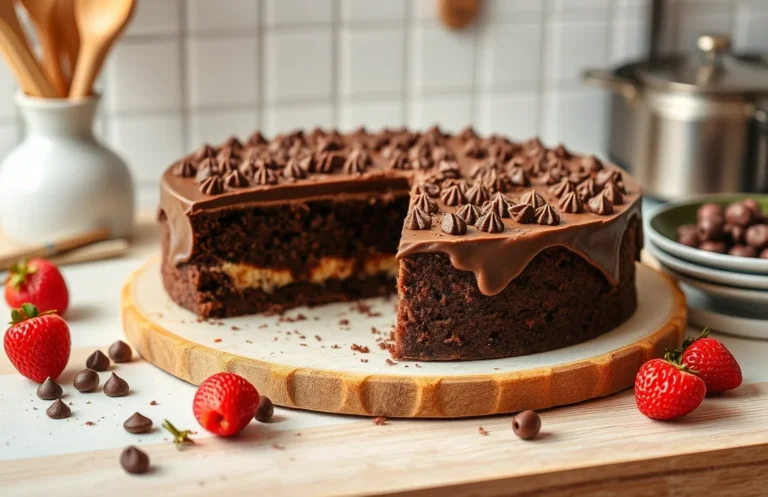
- Chocolate Swirl: Melt 4 ounces of semi-sweet chocolate and fold it into half of the cheesecake batter. Swirl it before baking for a beautiful pattern.
- Chocolate Crust: Use 1 ½ cups of crushed chocolate cookies instead of graham crackers for the crust.
- Mocha Cheesecake: Mix in 2 tablespoons of instant coffee granules for a delightful coffee flavor.
Dietary Alternatives
- Gluten-Free: Substitute regular graham crackers with gluten-free ones or use almond flour for the crust.
- Dairy-Free: Use vegan cream cheese and coconut milk to create a dairy-free cheesecake.
- Reduced Sugar: Replace sugar with a sugar substitute like erythritol or stevia, adjusting to taste.
Chef’s tip: Always taste your batter before baking to adjust flavors as needed. The flavors will intensify during baking, so don’t be shy to add a little extra zest or sweetness!
Serving Suggestions
Presenting your baked cheesecake beautifully can elevate its appeal and enhance the overall dining experience. Here are some garnishing ideas and wine pairings that will complement your cheesecake perfectly.
Garnishing Ideas
- Top your cheesecake with a fresh fruit compote made from 1 cup of mixed berries (such as strawberries, blueberries, and raspberries) cooked down with 2 tablespoons of sugar and a squeeze of lemon juice over medium heat until thickened, about 10 minutes.
- Whip up some cream by beating 1 cup of heavy cream with 2 tablespoons of powdered sugar until soft peaks form. This fluffy topping can be piped onto each slice for an elegant touch.
- For a crunchy element, sprinkle crushed graham crackers or chocolate wafers on top just before serving. Use about ¼ cup for a satisfying texture contrast.
- Drizzle with a sauce of your choice—consider a chocolate ganache made from ½ cup of heavy cream heated until simmering and poured over 1 cup of chocolate chips, letting it sit for a few minutes before stirring until smooth.
Wine Pairings
Choosing the right wine can enhance the flavors of your cheesecake. Here are some excellent pairing options:
- Sweet Riesling: This wine’s sweetness balances the richness of the cheesecake beautifully, making it a perfect match.
- Chardonnay: A lightly oaked Chardonnay complements the creamy texture and provides a nice acidity to cut through the richness.
- Port: For those who enjoy dessert wines, a glass of tawny port offers a nutty flavor that pairs well with cheesecake.
Quick Summary
| Prep Time | Cook Time | Total Time | Servings |
|---|---|---|---|
| 20 minutes | 60 minutes | 1 hour 20 minutes | 8 servings |
- Preheat oven to 325°F (160°C) for even baking.
- Prepare crust by mixing crushed graham crackers, sugar, and melted butter.
- Beat cream cheese until smooth before adding sugar and eggs to avoid lumps.
- Bake in water bath to prevent cracks and ensure a creamy texture.
- Cool gradually to room temperature before refrigerating for at least 4 hours.
- Tip: Use room temperature ingredients for a smoother batter.
- Tip: Avoid over-mixing after adding eggs to maintain the cheesecake’s structure.
- Tip: Chill overnight for the best flavor and texture.
Frequently Asked Questions
Can I make this ahead of time? How to store and reheat?
You can absolutely make cheesecake ahead of time; it actually tastes better after chilling in the fridge for at least 4 hours or overnight. Store it in an airtight container in the refrigerator and avoid reheating, as cheesecake is best served cold.
What can I substitute for cream cheese?
If you’re out of cream cheese, you can use an equal amount of mascarpone cheese or a mixture of Greek yogurt and sour cream for a similar texture and flavor. Just keep in mind that the taste will be slightly different.
How do I know when it’s done?
Your cheesecake is done when the edges are set and the center has a slight jiggle but is not liquid—this usually takes about 50-60 minutes at 325°F (163°C). Let it cool completely in the oven with the door slightly ajar to prevent cracking.
Can I freeze this? How long does it last?
Yes, you can freeze cheesecake for up to 3 months if wrapped tightly in plastic wrap and then aluminum foil. Just thaw it in the fridge overnight before serving to maintain its creamy texture.
Why did my cheesecake turn out cracked?
Your cheesecake likely cracked due to overmixing or baking at too high a temperature; be sure to mix just until combined and bake at 325°F (163°C). Using a water bath can also help prevent cracks by providing moisture during baking.

- Decadent Peanut Butter No-Bake Cheesecake: Easy Recipe to Indulge - April 3, 2026
- Delicious Mango No-Bake Cheesecake: Step-by-Step Recipe - April 3, 2026
- Decadent Raspberry No-Bake Cheesecake: Easy Step-by-Step Recipe - April 3, 2026