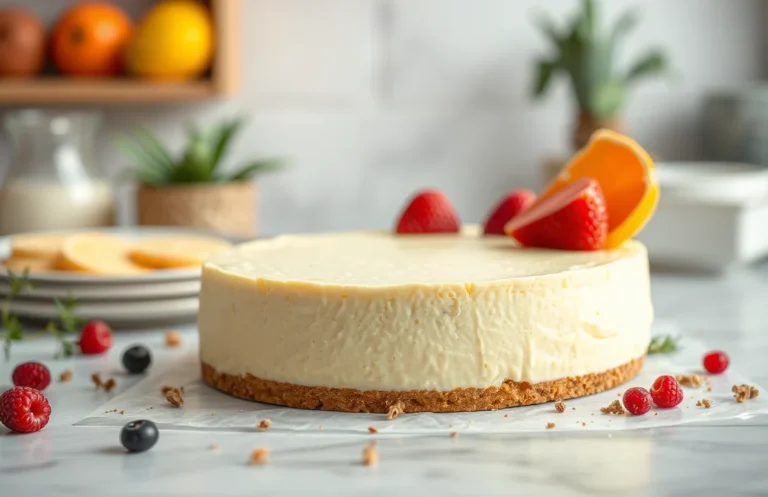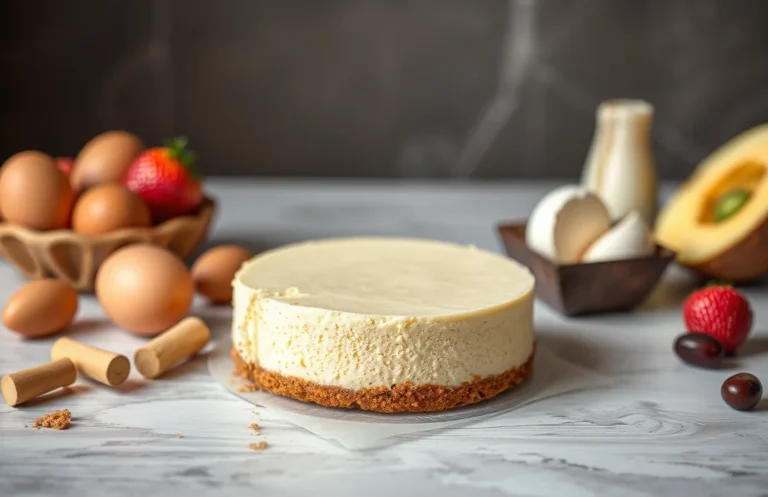
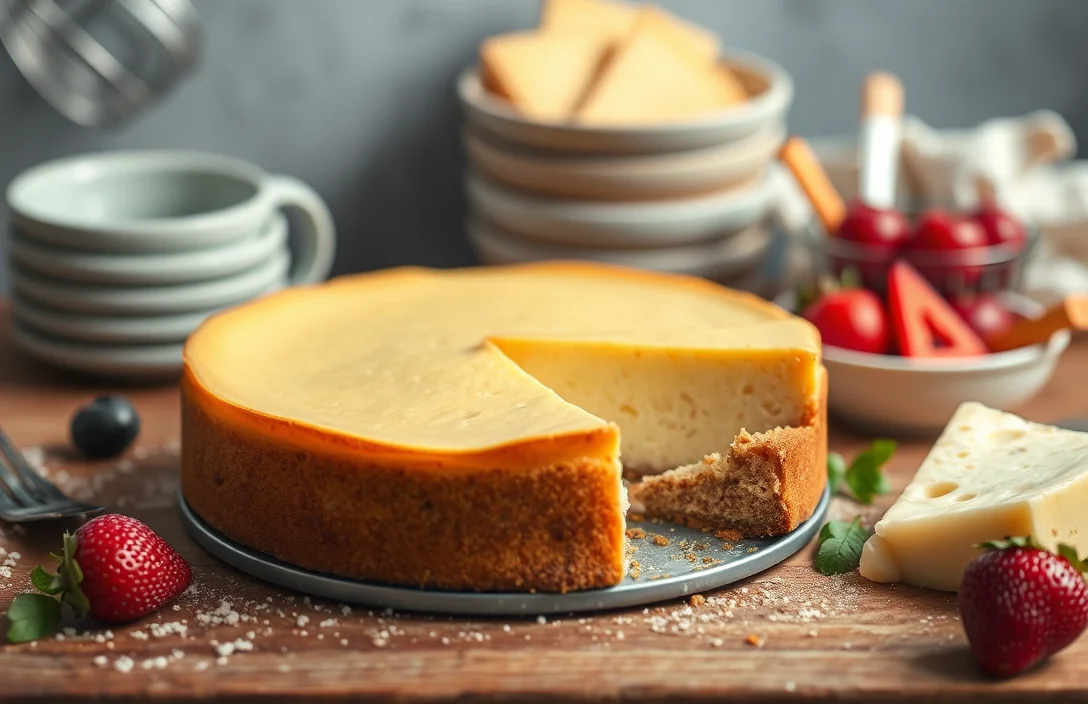
Does Cheesecake Have Cheese? Discover Types and Ingredients
Cheesecake is one of those desserts that always feels like a special occasion. Its creamy, velvety texture and rich flavor can turn any weeknight into a celebration. Whether topped with fresh berries or drizzled with chocolate, this dessert is sure to satisfy your sweet tooth and impress your guests.
Cheesecake does contain cheese, specifically cream cheese, and it can come in many varieties, including New York style and no-bake options. You’ll find that making cheesecake can take around 1 hour and 15 minutes, with a medium difficulty level, yielding about 8 servings.
| Prep Time | Cook Time | Total Time | Servings | Difficulty |
|---|---|---|---|---|
| 20 minutes | 55 minutes | 1 hour 15 minutes | 8 | Medium |
Cheesecake Origins
Understanding the origins of cheesecake helps clarify its essential ingredients, particularly its creamy cheese base. This beloved dessert has a rich history that spans centuries and cultures, confirming that yes, cheesecake does indeed contain cheese.
- Ancient Beginnings: The earliest known cheesecake can be traced back to ancient Greece, where it was made from simple ingredients like cheese, honey, and flour. The Greeks served it to athletes during the Olympic Games, highlighting its significance as a source of energy and nourishment.
- Cultural Variations: Over the centuries, cheesecake has evolved into various forms across different cultures. The Romans adopted the Greek recipe, later introducing it to Europe. Each region added its unique twist, such as ricotta in Italy, cream cheese in the United States, and quark in Germany, showcasing the versatility of cheese in this dessert.
What is Cheesecake?
Cheesecake is a rich and creamy dessert that primarily features cheese as its main ingredient, along with a flavorful crust. Understanding its structure helps clarify the presence of cheese and the variety of types available.
Basic Structure
At its core, cheesecake consists of three main components:
- Crust: Typically made from crushed graham crackers, cookies, or sponge cake, mixed with butter and pressed into a pan.
- Filling: The star of the show, this is where the cheese plays a critical role, usually combined with sugar, eggs, and flavorings.
- Topping: While optional, toppings such as fruit, chocolate, or caramel add a delightful finish.
Cheese Types Used
The type of cheese significantly influences the texture and flavor of the cheesecake. Here are the most common types:
- Cream Cheese: The most popular choice, providing a smooth and rich texture.
- Ricotta: Often used in Italian-style cheesecakes, resulting in a lighter texture.
- Mascarpone: Adds a luxurious creaminess and is common in no-bake recipes.
Chef’s tip: For a cheesecake that doesn’t crack, ensure all ingredients are at room temperature before mixing.
Understanding these components confirms that yes, cheesecake indeed contains cheese, which is what makes it so irresistibly creamy and delicious.
Cheese in Cheesecake
Understanding the role of cheese in cheesecake is essential for appreciating its unique flavor and texture. Yes, cheesecake does contain cheese, and the type of cheese used significantly influences the final product. Here’s a closer look at the types of cheese commonly used and how they contribute to the overall experience of this beloved dessert.
Types of Cheese
- Cream Cheese: The most traditional choice, cream cheese offers a rich, creamy texture and a slightly tangy flavor. Typically, you’ll use about 16 ounces (450g) for a standard cheesecake.
- Ricotta Cheese: This cheese adds a lighter texture and a subtle sweetness. It’s often used in Italian-style cheesecakes and can be combined with cream cheese for depth.
- Sour Cream: Incorporating about ½ cup (120g) of sour cream into your cheesecake mixture enhances the creaminess and adds a delightful tang.
- Mascarpone: This Italian cheese can be used for a richer taste and smoother texture, ideal for luxurious cheesecake recipes.
Texture and Flavor Contributions
The choice of cheese directly affects both the texture and flavor of the cheesecake. Cream cheese provides that classic dense and creamy consistency, while ricotta offers a lighter, fluffier bite. Sour cream or mascarpone can elevate the overall richness and add layers of flavor. Here’s how to identify the quality of your cheesecake at different stages:
Chef’s tip: A well-made cheesecake should feel smooth and creamy, with no lumps from the cheese. It should smell slightly tangy and sweet while baking.
| Cheese Type | Texture | Flavor Profile |
|---|---|---|
| Cream Cheese | Dense and creamy | Slightly tangy |
| Ricotta Cheese | Light and fluffy | Subtly sweet |
| Sour Cream | Rich and creamy | Tangy |
| Mascarpone | Luxuriously smooth | Rich and sweet |
Choosing the right cheese and understanding its role in your cheesecake will ensure a delicious outcome. Happy baking!
Cheesecake Variations
Understanding the different types of cheesecake can enhance your baking experience and help you appreciate the versatility of this beloved dessert. Each variation brings unique flavors and textures, but they all share the common element of cheese, confirming that cheesecake truly does contain cheese.
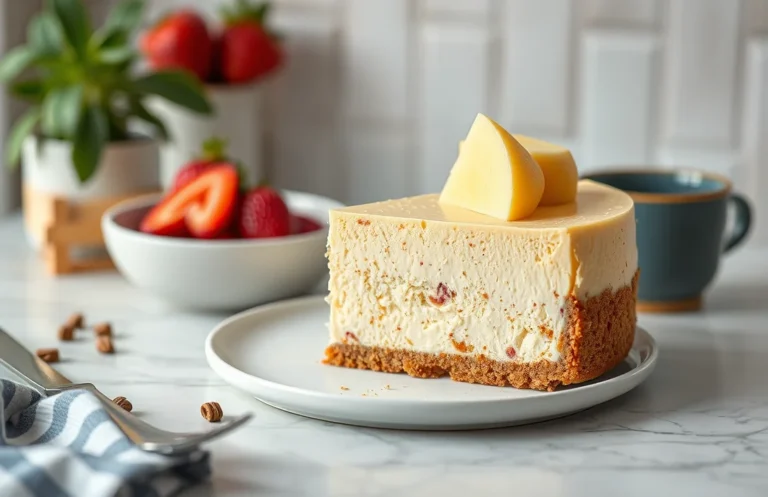
New York Cheesecake
This classic style is renowned for its rich, dense, and creamy texture. It typically includes:
- 2 cups (240g) cream cheese, softened
- 1 cup (200g) granulated sugar
- 1 teaspoon vanilla extract
- 3 large eggs
- 1 cup (240ml) sour cream
To make New York cheesecake, preheat your oven to 350°F (175°C). Beat the cream cheese until smooth, then gradually add sugar. Mix in the eggs one at a time, followed by sour cream and vanilla. Pour the mixture into a graham cracker crust and bake for about 60-70 minutes until the edges are set but the center still slightly jiggles. Let it cool and refrigerate for at least 4 hours before serving.
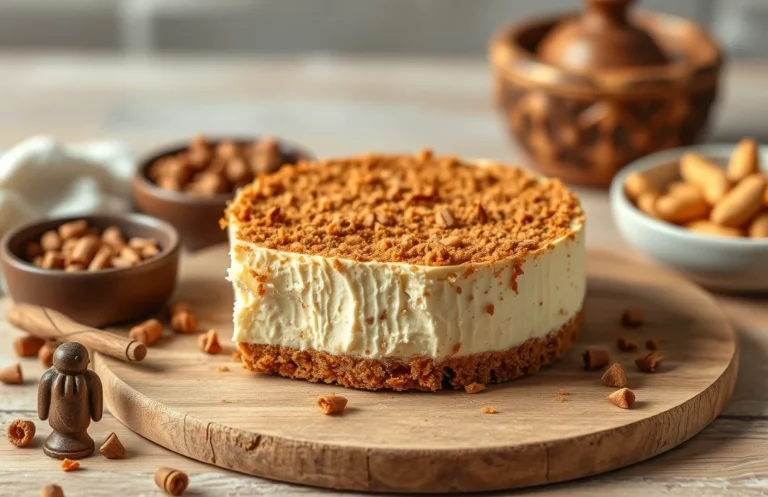
No-Bake Cheesecake
This variation is perfect for warmer months when you want a lighter dessert without the oven. The main ingredients include:
- 2 cups (480ml) heavy cream
- 1 cup (240g) cream cheese, softened
- ¾ cup (90g) powdered sugar
- 1 teaspoon vanilla extract
For a no-bake cheesecake, whisk the heavy cream until stiff peaks form. In another bowl, beat the cream cheese with sugar and vanilla until smooth. Gently fold the whipped cream into the cream cheese mixture. Pour into a prepared crust and chill for at least 6 hours, or until set.
Flavored Variations
Cheesecakes can also be flavored with various ingredients to create delightful twists. Consider:
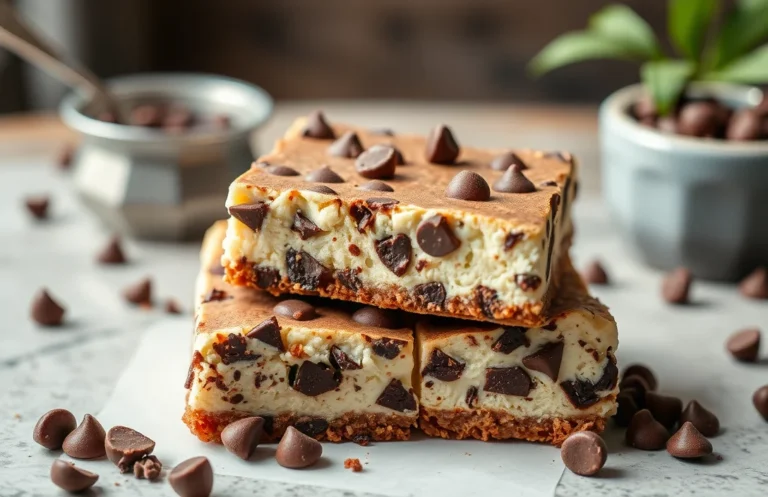
- Chocolate: Add ½ cup (90g) melted chocolate to the filling.
- Fruit: Swirl in 1 cup of fruit puree or top with fresh fruit.
- Citrus: Incorporate the zest of 1 lemon or orange for a refreshing touch.
Chef’s tip: Always taste your filling before chilling to adjust sweetness or flavor to your liking!
Common Misconceptions
There are a few common misconceptions surrounding cheesecake, particularly regarding its core ingredient. Many people wonder if a cheesecake truly contains cheese or if there are alternatives that can replace this key component. Understanding these misconceptions is essential for making informed choices when it comes to enjoying or preparing cheesecake.
No Cheese Cheesecake
One prevalent myth is that all cheesecakes must contain cheese. While traditional cheesecakes are made with cream cheese, ricotta, or mascarpone, there are variations that do not include any cheese at all. These alternatives can be made with non-dairy ingredients or even silken tofu, which leads to a creamy texture without the dairy.
| Item | Amount/Specification | Notes |
|---|---|---|
| Cream Cheese | 8 oz (225g) | Traditional base for classic cheesecake |
| Silken Tofu | 12 oz (340g) | Vegan alternative for a creamy texture |
| Cashews | 1 cup (150g) soaked | Blend for a nut-based vegan cheesecake |
Vegan Cheesecake Confusion
Another source of confusion is the term “vegan cheesecake.” Though the name suggests it is a cheesecake, many may wonder if it truly embodies the essence of a traditional cheesecake. Vegan cheesecakes often use plant-based ingredients to mimic the creamy, dense texture of cheese, but they do not contain any dairy products.
- Tip: Always check the label for vegan products to ensure they’re dairy-free.
- Warning: Some vegan cheesecakes may still have similar textures and flavors to traditional ones, so be mindful of expectations.
- Experiment with different bases like nuts, coconut cream, or even avocados for unique flavors.
Making Cheesecake at Home
Making cheesecake at home allows you to control the ingredients and tailor the flavors to your liking. Yes, cheesecake does contain cheese—typically cream cheese, which gives it that creamy texture and rich flavor. Below are some reliable recipes and flavoring ideas to inspire your cheesecake creation.
Basic Cheesecake Recipe
This classic cheesecake recipe serves as a great foundation for any flavor variations you might want to try later. It’s smooth, creamy, and simply delightful!
- 1 ½ cups graham cracker crumbs (150g)
- ¼ cup granulated sugar (50g)
- ½ cup unsalted butter, melted (115g)
- 4 (8-ounce) packages cream cheese, softened (900g)
- 1 cup granulated sugar (200g)
- 1 teaspoon vanilla extract
- 4 large eggs
- Preheat your oven to 325°F (160°C). Prepare a 9-inch springform pan by greasing it lightly.
- In a bowl, combine graham cracker crumbs, ¼ cup sugar, and melted butter. Mix until it resembles wet sand, then press firmly into the bottom of the pan.
- In a large mixing bowl, beat the softened cream cheese until smooth. Gradually add 1 cup sugar and vanilla, mixing until well combined.
- Beat in the eggs one at a time, mixing just until incorporated. Avoid overmixing to keep the texture creamy.
- Pour the cream cheese mixture over the crust and smooth the top. Bake for 60-70 minutes or until the edges are set but the center still slightly jiggles.
- Turn off the oven and let the cheesecake cool in the oven for 1 hour. This helps prevent cracks.
- Chill in the refrigerator for at least 4 hours before serving.
Chef’s tip: For a smoother cheesecake, ensure all ingredients are at room temperature before mixing.
Flavoring Ideas
Once you’ve mastered the basic cheesecake, consider these delicious flavor variations:
- Chocolate: Add ½ cup melted dark chocolate to the cream cheese mixture.
- Fruit: Swirl in 1 cup of fruit puree (like raspberry or strawberry) before baking.
- Citrus: Add the zest of 1 lemon or orange for a refreshing taste.
| Flavor | Ingredient | Amount |
|---|---|---|
| Chocolate | Melted dark chocolate | ½ cup (90g) |
| Fruit | Fruit puree | 1 cup (240ml) |
| Citrus | Lemon or orange zest | Zest of 1 |
By using these recipes and ideas, you can create a cheesecake that’s uniquely yours. Happy baking!
Serving and Pairing Tips
Serving cheesecake can elevate your dessert experience and impress your guests. The right garnishes and beverage pairings can enhance the flavors of the cheesecake while complementing its creamy texture. Here are some ideas to help you serve your cheesecake perfectly.
Garnishing Ideas
- For a classic touch, top your cheesecake with a fresh fruit compote. Combine 2 cups of mixed berries (strawberries, blueberries, and raspberries) with 2 tablespoons of sugar and cook over medium heat for about 5 minutes until slightly thickened. Allow it to cool before drizzling over the cheesecake.
- Consider adding a dollop of whipped cream. Whip 1 cup of heavy cream with 2 tablespoons of powdered sugar and 1 teaspoon of vanilla extract until soft peaks form. This will add a light, airy contrast to the dense cheesecake.
- Chocolate lovers can shave dark chocolate (about 2 ounces) over the top for a rich finish. Use a vegetable peeler to create thin curls, or simply grate the chocolate directly onto the cheesecake for added texture and flavor.
Beverage Pairings
- Pair your cheesecake with a sweet dessert wine like a late harvest Riesling. Its fruity notes will complement the creaminess of the cheesecake beautifully.
- For a non-alcoholic option, serve with a light herbal tea such as chamomile or peppermint. The soothing flavors will balance the richness of the cheesecake.
- Coffee enthusiasts might enjoy a rich espresso or a flavored latte alongside their cheesecake. The bitterness of the coffee contrasts nicely with the sweetness of the dessert.
Quick Summary
| Prep Time | Cook Time | Total Time | Servings |
|---|---|---|---|
| 15 minutes | 60 minutes | 1 hour 15 minutes | 8 servings |
- Use cream cheese: The primary ingredient in traditional cheesecakes, providing its rich texture.
- Pre-bake crust: Bake the graham cracker crust for 10 minutes at 350°F for added crunch.
- Water bath method: Use a water bath while baking to prevent cracks and ensure even cooking.
- Cool gradually: Allow the cheesecake to cool in the oven with the door ajar to avoid sudden temperature changes.
- Chill properly: Refrigerate for at least 4 hours before serving for the best flavor and texture.
Frequently Asked Questions
Can I make this cheesecake ahead of time? How to store and reheat?
You can definitely make cheesecake ahead of time; it’s best to chill it in the refrigerator for at least 4 hours or overnight. Store it covered with plastic wrap in the fridge and avoid reheating, as cheesecake is best served cold.
What can I substitute for cream cheese?
If you need a substitute for cream cheese, you can use mascarpone cheese or a mix of Greek yogurt and sour cream for a similar texture and tangy flavor. Just keep in mind that the taste may vary slightly.
How do I know when my cheesecake is done?
Your cheesecake is done when the edges are set but the center is still slightly jiggly, which usually takes about 50-60 minutes at 325°F (160°C). It will firm up as it cools, so don’t overbake it!
Can I freeze this cheesecake? How long does it last?
You can freeze cheesecake for up to 3 months if wrapped tightly in plastic wrap and then aluminum foil. Thaw it overnight in the refrigerator before serving for the best texture.
What if I don’t have a springform pan?
If you don’t have a springform pan, you can use a regular round cake pan, but make sure to line it with parchment paper for easy removal. Just run a knife around the edges and carefully flip it onto a plate when ready to serve.

- Decadent Peanut Butter No-Bake Cheesecake: Easy Recipe to Indulge - April 3, 2026
- Delicious Mango No-Bake Cheesecake: Step-by-Step Recipe - April 3, 2026
- Decadent Raspberry No-Bake Cheesecake: Easy Step-by-Step Recipe - April 3, 2026