How One Slice of Cheesecake Affects Weight: Tips for Portion Control
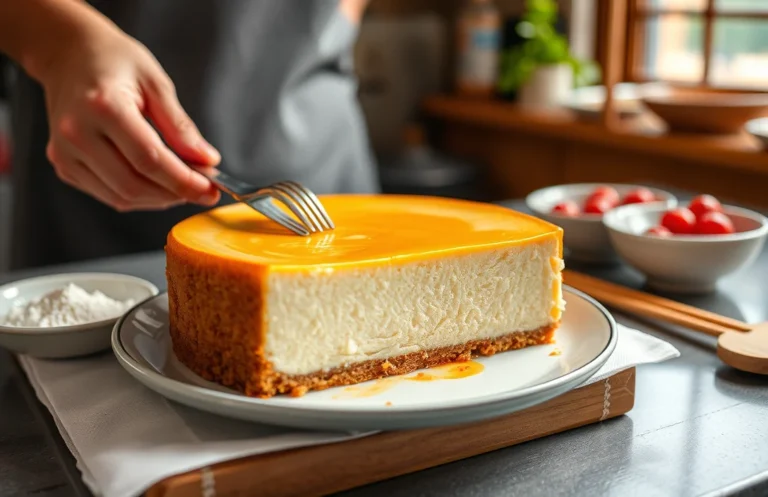
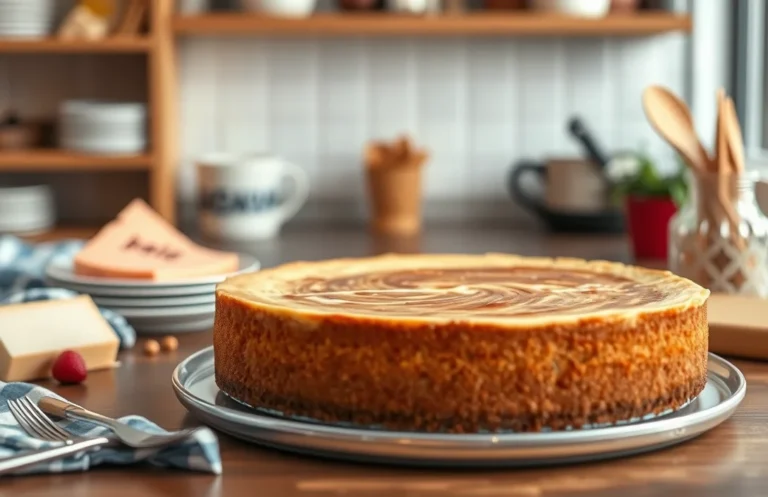
Cheesecake is one of those desserts that can instantly turn a regular day into a special occasion. The creamy texture, rich flavor, and buttery crust make it a classic favorite, whether served at a celebration or enjoyed as a comforting treat after a long week. Just imagining that first bite makes my mouth water!
In this guide, you’ll find nutritional insights on cheesecake, including how one piece fits into your daily intake. We’ll discuss lighter alternatives and offer portion control tips to enjoy dessert responsibly.
| Prep Time | Cook Time | Total Time | Servings | Difficulty |
|---|---|---|---|---|
| 20 minutes | 1 hour | 1 hour 20 minutes | 8 servings | Medium |
Cheesecake Origin Story
Understanding the origin of cheesecake provides insight into its cultural significance and highlights how this beloved dessert has evolved over time. This context is essential when considering its nutritional impact and how, in moderation, cheesecake can be enjoyed without the fear of weight gain.
- Historical Background: Cheesecake dates back to ancient Greece, where it was served to athletes during the first Olympic Games in 776 B.C. The earliest known recipe was made with simple ingredients such as cheese, flour, and honey. The Romans later adopted the cheesecake, modifying it with richer ingredients like eggs and cream, leading to various regional adaptations.
- Cultural Significance: Over the centuries, cheesecake has taken on a variety of forms, from the creamy New York style to the lighter Italian ricotta versions. In many cultures, it is associated with celebrations, symbolizing indulgence and festivity. The dessert often graces tables during holidays and special occasions, reinforcing its status as a beloved treat worldwide.
Nutritional Breakdown of Cheesecake
Understanding the nutritional content of cheesecake is crucial for making informed choices about indulgence and weight management. A standard slice can vary significantly in calories, fat, and sugar depending on the recipe, but knowing these numbers can help you enjoy it without guilt.
| Nutrient | Amount per Slice (1 slice = 1/12 of a 9-inch cheesecake) |
|---|---|
| Calories | 257 kcal |
| Total Fat | 18 g |
| Saturated Fat | 10 g |
| Cholesterol | 78 mg |
| Total Carbohydrates | 20 g |
| Sugar | 14 g |
| Protein | 4 g |
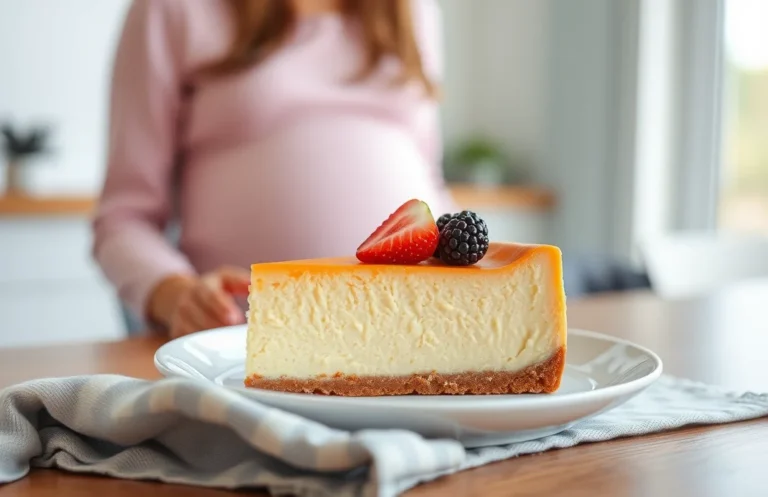
- Calories: At about 257 kcal per slice, cheesecake is a calorie-dense dessert. Consuming it frequently could lead to weight gain if not balanced with physical activity.
- Fat Content: With 18 g of total fat and 10 g of saturated fat, cheesecake is rich in fats. These fats can contribute to a feeling of fullness but should be consumed in moderation.
- Sugar Levels: The 14 g of sugar per slice can spike blood sugar levels, making moderation key, especially for those monitoring their sugar intake.
Chef’s tip: Opt for smaller slices and pair your cheesecake with fresh fruit to balance the richness and add nutrients.
Essential Kitchen Tools
Having the right tools on hand is crucial for successfully making cheesecake and understanding its nutritional impact. This section outlines the essential baking equipment and preparation steps that will ensure your cheesecake turns out perfectly, allowing you to enjoy your slice without guilt.
- Springform Pan: A 9-inch (23 cm) springform pan is essential for baking cheesecake. This allows for easy removal of the cheesecake once it has set, preventing any breakage. Make sure to grease the bottom and sides lightly with butter or cooking spray for smooth release.
- Mixing Bowls: Use at least two mixing bowls—one for the crust and one for the filling. Opt for a large bowl (4-quart) for the filling to provide enough space for mixing without splatter. Glass or stainless steel bowls are ideal as they won’t retain odors or stains.
- Electric Mixer: A stand or handheld electric mixer will save you time and ensure a smooth filling. Mix on medium speed to avoid incorporating too much air, which can lead to cracks in your cheesecake. Aim for a creamy consistency without lumps.
- Spatula: A rubber spatula is perfect for folding in ingredients and scraping down the sides of the mixing bowl. This ensures all ingredients are well combined and helps maintain that rich texture without over-mixing.
- Measuring Tools: Precise measurements are key in baking. Use a digital kitchen scale for dry ingredients and standard measuring cups for liquids. This accuracy helps you stay within nutritional limits and portion control.
Chef’s tip: If you’re concerned about calories, consider using low-fat cream cheese or Greek yogurt as a substitute for a lighter cheesecake option.
Step-by-Step Cheesecake Recipe
This section will guide you through the preparation and baking steps for a delicious cheesecake while discussing how a single piece can fit into a balanced diet. Understanding the timing and cooling process is crucial to achieving a perfect texture and flavor, and I’ll share tips for portion control along the way.
Preparation Time
- Start by gathering all your ingredients. You will need: 1 ½ cups graham cracker crumbs (150g), ½ cup granulated sugar (100g), ½ cup unsalted butter, melted (115g), 4 (8-ounce) packages cream cheese, softened (900g), 1 cup sour cream (240g), 1 cup granulated sugar (200g), 4 large eggs, and 1 teaspoon vanilla extract.
- Preheat your oven to 325°F (163°C). This temperature ensures that the cheesecake cooks evenly without cracking. While the oven heats, prepare your crust by mixing the graham cracker crumbs, ½ cup sugar, and melted butter in a bowl until it resembles wet sand.
Baking Time
- Press the crumb mixture into the bottom of a 9-inch springform pan. Use the bottom of a measuring cup to compact it tightly. Bake the crust for 10 minutes, or until lightly golden, and let it cool while you prepare the filling.
- In a large mixing bowl, beat the softened cream cheese with an electric mixer on medium speed until smooth, about 2-3 minutes. Scrape down the sides of the bowl frequently to ensure even mixing. The mixture should be creamy and free of lumps.
- Gradually add the sour cream and 1 cup sugar, mixing until combined. Then, add the eggs one at a time, mixing on low speed until just blended—this helps prevent overmixing, which can lead to cracks. Finally, stir in the vanilla extract.
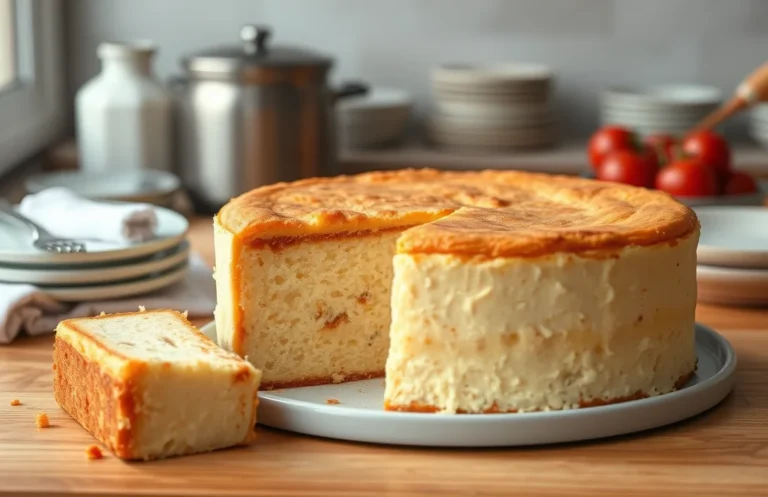
- Pour the filling over the cooled crust and smooth the top. Bake for 60-70 minutes until the edges are set but the center has a slight jiggle. Remember, the cheesecake will continue to set as it cools!
Cooling Instructions
- Once the baking time is up, turn off the oven and crack the door open. Let the cheesecake cool in the oven for about 1 hour. This gradual cooling helps prevent cracks from forming.
- After an hour, remove the cheesecake from the oven and let it cool completely at room temperature for another hour. Then, refrigerate for at least 4 hours, preferably overnight, before serving. The cheesecake should be firm and chilled, with a silky texture.
Chef’s tip: For lighter alternatives, consider using low-fat cream cheese or Greek yogurt in place of sour cream.
Pro Tips for Perfect Cheesecake
This section focuses on essential tips and common mistakes to avoid when enjoying cheesecake, especially regarding its nutritional content and portion control. Understanding these elements can help you savor your dessert without the worry of weight gain.
- Portion Control is Key: A standard slice of cheesecake typically contains about 300-400 calories. If you’re concerned about weight gain, aim for a smaller portion—try cutting your slice in half or sharing with a friend. This way, you can still enjoy the rich flavors without overindulging.
- Choose Quality Ingredients: Opt for high-quality cream cheese and natural sweeteners like honey or maple syrup. This can enhance flavor without needing to consume larger quantities, making each bite more satisfying.
- Balance with Nutrition: Consider pairing a slice of cheesecake with fresh fruit or a small serving of nuts. This adds fiber and healthy fats, which can help you feel full and satisfied, mitigating the temptation to overeat.
- Watch for Hidden Sugars: Be aware of the sugar content in your cheesecake. Some recipes can include up to 50 grams of sugar per slice. Look for recipes that use less sugar or natural alternatives to keep calorie counts lower.
- Healthier Alternatives: If you want to enjoy cheesecake without the guilt, consider making a lighter version using Greek yogurt or cottage cheese. These alternatives provide the creamy texture you love with fewer calories and more protein.
Cheesecake Variations
Exploring cheesecake variations can provide delicious options while still being mindful of dietary preferences and health goals. Modifying a classic cheesecake recipe can help you enjoy this treat while keeping it lighter, sugar-free, or even vegan, making it more accessible for everyone.
Low-Fat Options
To create a low-fat cheesecake, consider using lighter alternatives without sacrificing flavor. Here are some simple substitutions:
- Use 1 cup (240g) of low-fat cream cheese instead of regular cream cheese.
- Replace sour cream with 1 cup (240g) of Greek yogurt for added protein and a creamy texture.
- In your crust, opt for ½ cup (50g) of crushed whole grain graham crackers mixed with 2 tablespoons (30ml) of unsweetened applesauce instead of butter.
Sugar-Free Alternatives
If you’re watching your sugar intake, sugar substitutes can make a significant difference. Try these options:
- Use ¾ cup (150g) of erythritol or your preferred sugar substitute in place of 1 cup (200g) of sugar.
- Ensure any toppings, like fruit, are naturally low in sugar or use a sugar-free fruit preserve.
Vegan Cheesecake
For a vegan cheesecake, swap out dairy products for plant-based alternatives. Here’s a quick reference:
| Ingredient | Traditional | Vegan Alternative |
|---|---|---|
| Cream Cheese | 8 oz (225g) | 1 cup (240g) soaked cashews blended with ½ cup (120ml) coconut cream |
| Sour Cream | ½ cup (120g) | ½ cup (120g) coconut yogurt |
| Eggs | 3 large | 3 tablespoons of ground flaxseed mixed with 9 tablespoons of water |
Chef’s tip: Always taste the filling before baking to adjust sweetness or flavor as needed.
By opting for these variations, you can enjoy cheesecake without worrying about weight gain from one slice. The key is portion control and mindful ingredient choices.
Serving and Pairing Suggestions
When you indulge in a slice of cheesecake, how you serve and pair it can enhance your experience without excessive calories. Thoughtful presentation and complementary beverages can elevate the dessert while keeping portions in check, making it easier to enjoy without guilt.
Plating Ideas
- Use a small dessert plate (6-8 inches) to visually limit the portion size.
- Garnish your cheesecake with a sprinkle of cocoa powder or crushed nuts for texture.
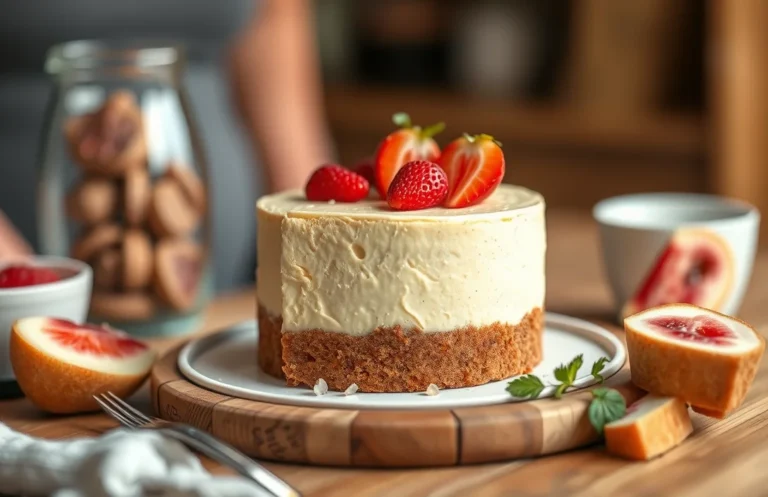
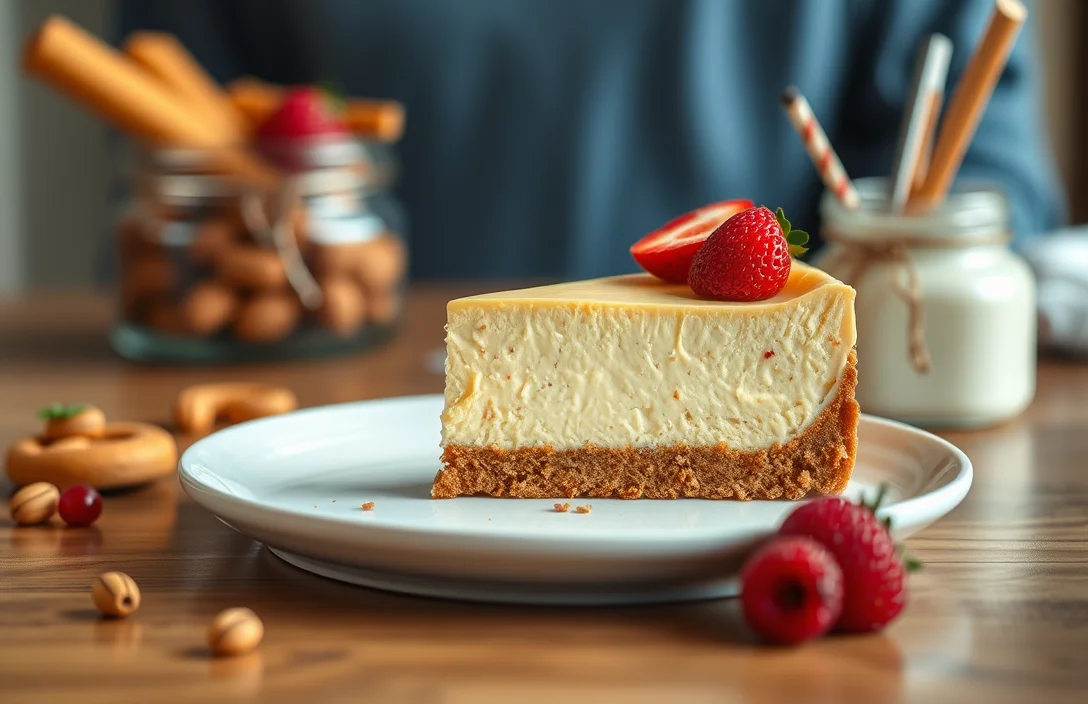
- Add a fresh berry or two, like raspberries or strawberries, to brighten the plate and add a tangy contrast.
- Drizzle a light fruit coulis or chocolate sauce around the cheesecake for an elegant touch.
Beverage Pairings
Choosing the right beverage can complement the rich flavors of cheesecake while balancing sweetness:
- Tea: A cup of Earl Grey or green tea can provide a refreshing contrast.
- Coffee: A well-brewed espresso or cappuccino cuts through the creaminess beautifully.
- Wine: A sweet dessert wine like Moscato pairs well with fruity cheesecakes.
Chef’s tip: Serve cheesecake chilled for the best flavor and texture. Aim for a temperature around 40°F (4°C) before serving.
| Beverage | Flavor Profile |
|---|---|
| Earl Grey Tea | Citrusy with floral notes |
| Espresso | Bold and rich |
| Moscato | Sweet and fruity |
By thoughtfully plating your cheesecake and choosing the right pairings, you can enjoy your dessert mindfully. Remember, it’s not just about the dessert itself, but the entire experience around it!
Quick Summary
| Prep Time | Cook Time | Total Time | Servings |
|---|---|---|---|
| 20 minutes | 45 minutes | 1 hour 5 minutes | 8 |
- Understand portions: One slice of cheesecake typically contains 250-400 calories.
- Balance your diet: Enjoying cheesecake occasionally is key to moderation.
- Homemade vs. store-bought: Homemade can control sugar and fat content.
- Pair wisely: Serve with fresh fruit to add nutrients without excess calories.
- Mind your toppings: Avoid heavy creams or sugary sauces that increase calorie count.
Frequently Asked Questions
Can I make this cheesecake ahead of time? How to store and reheat?
You can absolutely make cheesecake ahead of time; in fact, it tastes better when chilled overnight. Store it in the refrigerator, tightly covered, for up to 5 days, and serve it cold without reheating.
What can I substitute for cream cheese?
If you need a substitute for cream cheese, you can use mascarpone cheese or a blend of cottage cheese and sour cream. Use the same amount, so if the recipe calls for 8 ounces, just swap it out one-for-one.
How do I know when the cheesecake is done?
Your cheesecake is done when the edges are set but the center still has a slight jiggle, typically around 50-60 minutes at 325°F (163°C). It will continue to firm up as it cools, so don’t overbake!
Can I freeze this cheesecake? How long does it last?
Yes, you can freeze cheesecake for up to 3 months, but make sure it’s well-wrapped in plastic and then in foil. Thaw it in the refrigerator overnight before serving for the best texture.
What if I don’t have a springform pan?
If you don’t have a springform pan, you can use a regular round cake pan lined with parchment paper to make it easier to remove. Just be sure to let it cool completely before attempting to take it out to avoid cracking.

- 10 Best Knife For Imperial Plaid Gloves 2026 - September 12, 2026
- 10 Best Knife For Home Defense 2026 - September 12, 2026
- 10 Best Knife For Home Cooks 2026 - September 12, 2026