Can You Freeze Cheesecake? Tips for Perfect Texture and Flavor
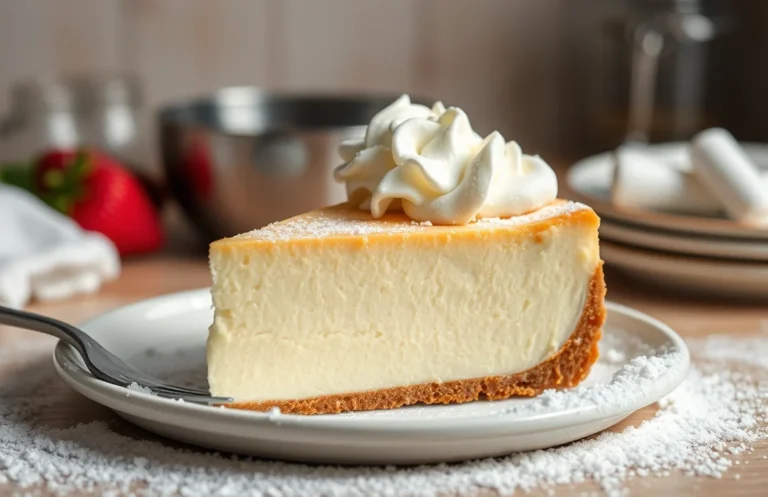
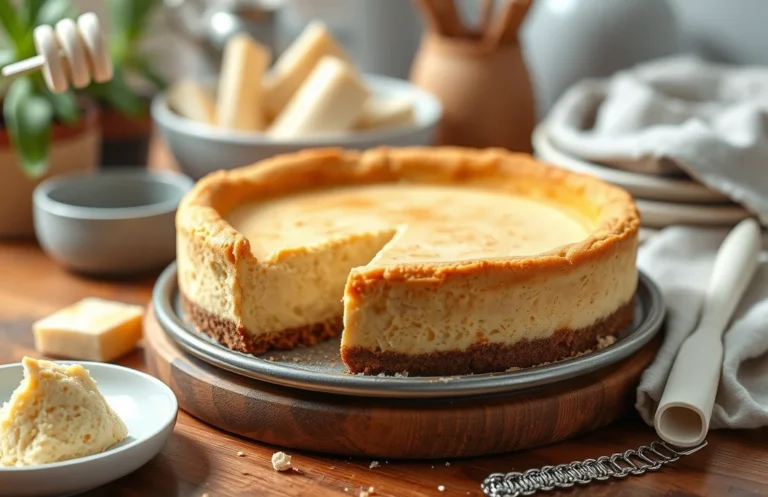
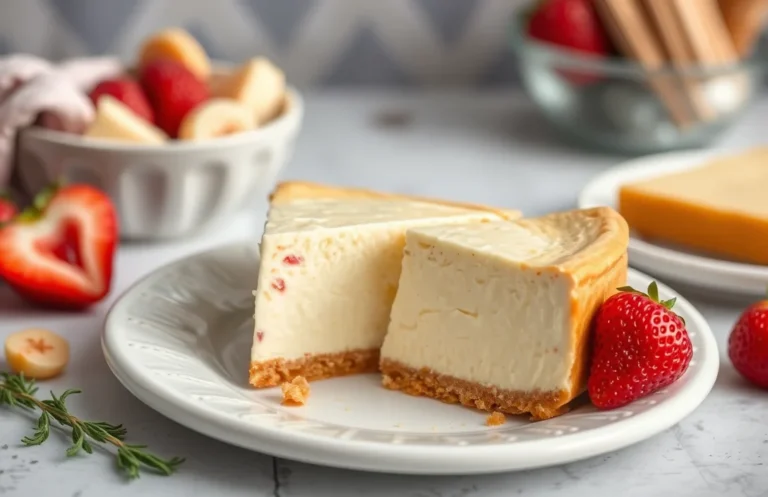
Cheesecake is the ultimate dessert that brings smiles to every table, whether it’s a special occasion or just a cozy weeknight treat. Its creamy texture and rich flavor make it a crowd-pleaser that everyone loves. Imagine slicing into a perfectly chilled cheesecake, the sweet aroma wafting through the air, and the richness melting in your mouth—pure bliss!
Can you freeze cheesecake? Absolutely! In this guide, I’ll provide you with step-by-step instructions on how to freeze cheesecake properly, plus tips on thawing and what to expect in terms of texture and flavor after freezing. You’ll be ready to enjoy cheesecake whenever you crave it!
| Prep Time | Cook Time | Total Time | Servings | Difficulty |
|---|---|---|---|---|
| 20 minutes | 60 minutes | 80 minutes + chilling | 8 servings | Intermediate |
Cheesecake History and Significance
Understanding the rich history and cultural significance of cheesecake helps us appreciate its place in our kitchens today, especially when considering whether to freeze it. Cheesecake has evolved through centuries and varies widely in preparation, showcasing local ingredients and traditions.
Origins of Cheesecake
- Ancient beginnings: The earliest known cheesecake dates back to ancient Greece around 2000 B.C. It was made with simple ingredients like cheese, honey, and flour, often served to athletes during the Olympic Games.
- Roman influence: The Romans adopted and adapted Greek cheesecake, adding ingredients like eggs and cream. They would bake it on a pastry base, setting the stage for the modern versions we enjoy today.
Cultural Variations
- Regional favorites: Different cultures have their own spins on cheesecake. For instance, the Italian ricotta cheesecake is lighter and fluffier, while the New York-style cheesecake is dense and rich, made with cream cheese and sour cream.
- Festive significance: Cheesecake often plays a central role in celebrations and holidays, from birthdays to weddings, making it a beloved dessert across many cultures.
Special Occasions for Cheesecake
- Celebratory treats: Cheesecake is commonly served at special occasions, symbolizing indulgence and joy. Whether it’s a birthday or a holiday gathering, its creamy texture and varied flavors make it a crowd-pleaser.
- Seasonal variations: Many opt for seasonal ingredients, like pumpkin in the fall or fresh berries in the summer, allowing cheesecakes to be a versatile dessert for any time of year.
Ingredients for Freezing Cheesecake
To successfully freeze a cheesecake, it’s essential to choose the right ingredients that maintain their texture and flavor. Using high-quality components ensures that your cheesecake remains delicious even after thawing, making your efforts worthwhile. Below, you’ll find a detailed list of the necessary ingredients and their specifications for a cheesecake suitable for freezing.
| Item | Amount/Specification | Notes |
|---|---|---|
| Cream Cheese | 16 ounces (450g) | Full-fat for best texture; softened to room temperature |
| Sugar | 1 cup (200g) | Granulated sugar works best; adjust to taste |
| Sour Cream | ½ cup (120g) | Adds creaminess; use full-fat for optimal flavor |
| Vanilla Extract | 1 teaspoon | Pure vanilla extract enhances flavor |
| Eggs | 3 large | At room temperature; helps with texture |
| Graham Cracker Crumbs | 1 ½ cups (150g) | For the crust; ensure they are finely crushed |
| Butter | ½ cup (115g) | Melted; binds crust together |
- For a gluten-free option, substitute graham cracker crumbs with gluten-free cookies.
- Ensure all dairy products are fresh for the best taste; expired ingredients can affect flavor.
- When mixing ingredients, avoid overmixing to prevent a dense texture.
Essential Kitchen Equipment
When preparing to freeze cheesecake, having the right kitchen equipment can make all the difference. The following tools will help you create a perfect cheesecake and ensure it freezes well, maintaining its creamy texture and delicious flavor.
| Item | Amount/Specification | Notes |
|---|---|---|
| Mixing Bowls | 2 medium-sized | One for the crust, one for the filling |
| Springform Pan | 9-inch | Allows easy removal of the cheesecake after baking |
| Freezer-safe Containers | 1 or more, airtight | Used for storing cheesecake post-freezing |
- Choose the Right Springform Pan: A quality springform pan with a tight seal is crucial to prevent leaks during baking.
- Mixing Bowls: Use glass or stainless steel bowls for mixing; they are easy to clean and won’t absorb odors.
- Freezer-safe Containers: Ensure containers are labeled and date your cheesecake to keep track of freshness. Use plastic wrap in addition to containers to prevent freezer burn.
- Check for Proper Seal: Always check that your containers are airtight before placing them in the freezer to preserve texture.
Freezing Cheesecake Step-by-Step
Freezing cheesecake is a fantastic way to preserve your delicious creation for later enjoyment. By following these detailed steps, you can ensure that your cheesecake maintains its quality, flavor, and texture when frozen. Let’s dive into how to do this properly!
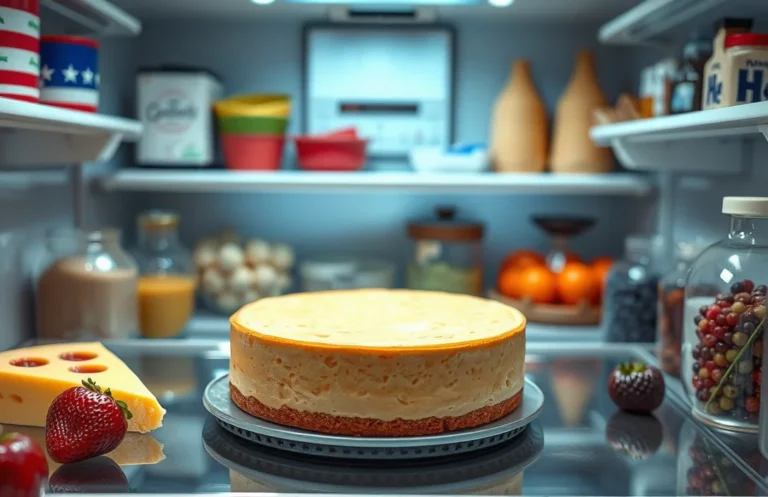
- Cooling the Cheesecake: After baking, allow your cheesecake to cool at room temperature for about 1 hour. This prevents condensation from forming, which can affect the texture. Once it’s cool, refrigerate it for at least 4 hours, or overnight if possible, until it is completely set and firm to the touch.
- Wrapping Techniques: To wrap your cheesecake, first, remove it from the springform pan. Use a large piece of plastic wrap (about 18 inches long) and tightly wrap it around the cheesecake, ensuring no air pockets remain. For added protection, wrap it again in aluminum foil, which helps prevent freezer burn. Alternatively, you can place it in an airtight freezer-safe container.
- Freezing Duration: Properly wrapped, your cheesecake can be frozen for up to 3 months without noticeable loss in quality. For best results, consume it within this timeframe. When you’re ready to enjoy it, move the cheesecake from the freezer to the refrigerator and let it thaw overnight. This gradual thawing helps maintain its creamy texture.
Common Mistakes When Freezing
Freezing cheesecake can be a great way to preserve its deliciousness, but there are some common pitfalls that can lead to disappointing results. By being aware of these mistakes and knowing how to avoid them, you can ensure that your cheesecake maintains its flavor and texture when thawed.
- Overpacking the Freezer: When freezing cheesecake, it’s essential not to overcrowd your freezer. This can prevent proper air circulation, leading to uneven freezing. Make sure you leave space around the cheesecake for air to circulate, which helps it freeze evenly and preserves its texture.
- Inadequate Wrapping: Skipping proper wrapping can cause freezer burn, which affects the taste and texture of your cheesecake. Wrap your cheesecake tightly in plastic wrap, ensuring there are no exposed areas. For added protection, place it in an airtight container or a heavy-duty freezer bag. This double-layer approach keeps moisture out and flavor in.
- Freezing for Too Long: While cheesecake can be frozen for up to three months, keeping it in the freezer for longer can compromise its quality. After three months, the texture may become grainy, and the flavor can dull. Label your cheesecake with the date you freeze it so you can enjoy it at its best within that timeframe.
Thawing Frozen Cheesecake
Knowing how to properly thaw frozen cheesecake is crucial for maintaining its delectable texture and flavor. This section will guide you through the best methods to ensure your cheesecake tastes just as delightful as when it was freshly baked.
Refrigerator Thawing
The most reliable method to thaw cheesecake is in the refrigerator. This slow process helps retain its creamy texture.
- Remove the cheesecake from the freezer and keep it in its original wrapping or container to prevent moisture loss.
- Place the cheesecake on a plate or in a shallow dish to catch any condensation that may form.
- Refrigerate for 6-8 hours or overnight. The cheesecake should feel soft to the touch but still firm once fully thawed.
Quick Thawing Methods
If you’re short on time, you can use faster thawing methods, but be cautious to avoid compromising the cheesecake’s texture:
- Room Temperature: Unwrap the cheesecake and let it sit at room temperature for about 1-2 hours. Check periodically; it should feel soft but not warm.
- Microwave: If you’re really pressed for time, place the cheesecake on a microwave-safe plate. Use the defrost setting for 15-30 seconds at a time, checking frequently to avoid melting the edges.
Serving After Thawing
Once your cheesecake has thawed, it’s time to serve! Here are some tips:
Chef’s tip: For the best flavor, allow your cheesecake to sit at room temperature for about 15-20 minutes before serving. This enhances the taste and texture.
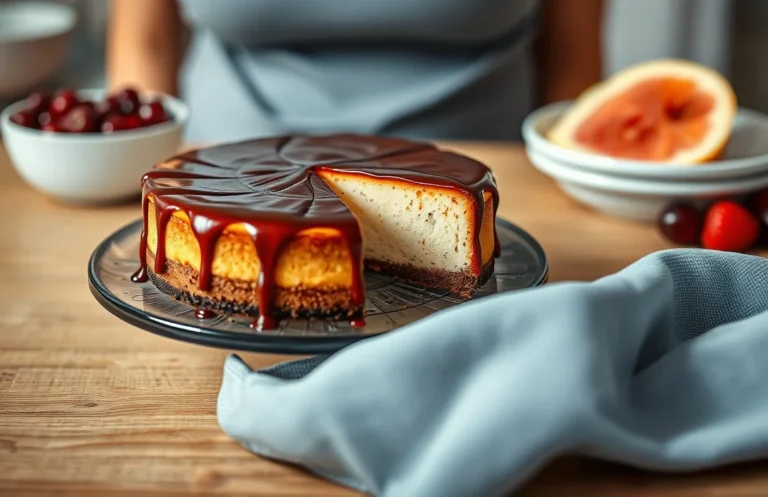
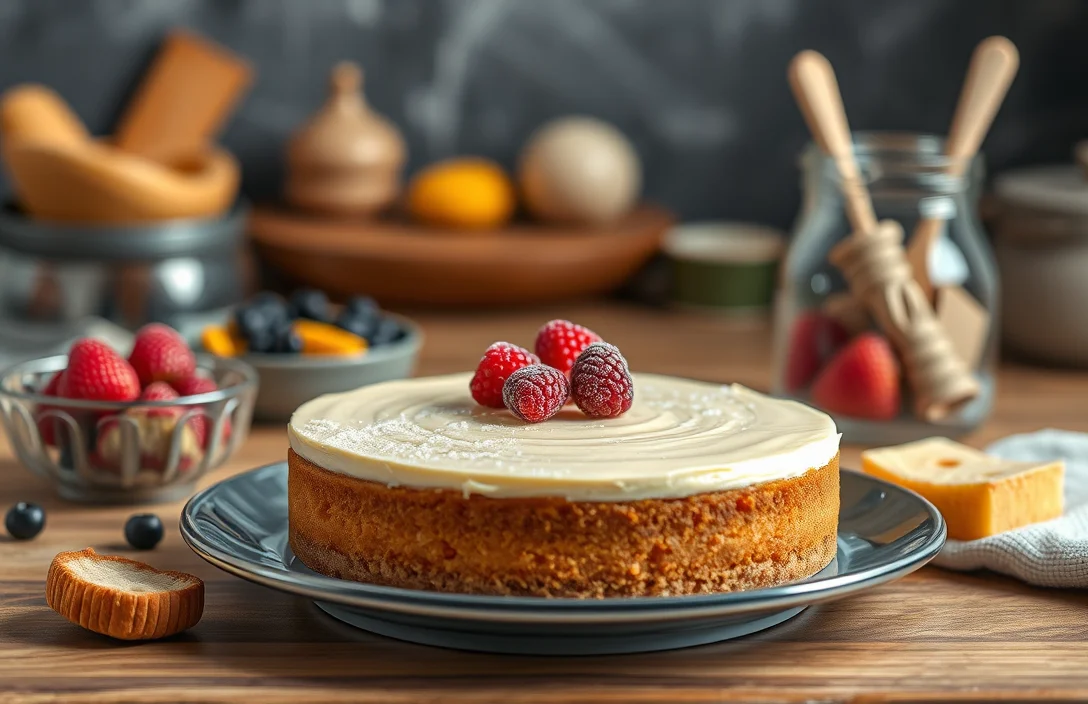
Garnish with fresh fruits, chocolate drizzle, or whipped cream for a delightful presentation. Enjoy your perfectly thawed cheesecake!
Texture and Flavor Changes
Freezing cheesecake can be a convenient way to preserve this delicious dessert, but it does come with some changes in texture and flavor. Understanding these changes is essential for ensuring your cheesecake remains enjoyable after thawing.
- Texture Changes: When cheesecake is frozen, the water content within can form ice crystals, which may alter its smooth and creamy texture. After thawing, you might notice a slight graininess or a softer consistency. To minimize this, ensure the cheesecake is wrapped tightly in plastic wrap, followed by aluminum foil, before freezing.
- Flavor Retention: Freezing can affect the flavor of your cheesecake, particularly if it’s stored for an extended period. While most flavors will remain intact, any delicate flavors, such as citrus or fresh fruit, may diminish over time. For the best flavor retention, consume your frozen cheesecake within 1-2 months.
- Best Practices for Quality: To maintain the best possible quality, freeze your cheesecake as soon as it has cooled completely after baking. Cut the cheesecake into individual slices for easier thawing and storage. Using an airtight container or vacuum-sealing can also help preserve its flavor and texture while frozen.
- Common Mistakes: One mistake to avoid is not allowing the cheesecake to cool completely before freezing. Freezing a warm cheesecake can lead to excess moisture, resulting in a soggy texture. Also, don’t forget to label your cheesecake with the freezing date to keep track of its freshness.
Serving Frozen Cheesecake
Once you’ve successfully frozen and thawed your cheesecake, it’s time to serve it up in style! This section will provide you with some delightful plating tips, topping ideas, and drink pairings that will elevate your cheesecake experience.
- Plating Tips: Start by slicing your thawed cheesecake into even pieces—aim for about 8 slices for a standard 9-inch cheesecake. Use a hot, dry knife for cleaner cuts; simply dip the knife in hot water and wipe it dry before slicing. This helps prevent the creamy filling from being squished out.
- Toppings and Sauces: Consider adding a rich chocolate ganache (1 cup heavy cream and 8 ounces of dark chocolate, melted together) or a fresh fruit compote (2 cups mixed berries, simmered with ¼ cup sugar until thickened) for a pop of flavor. You can also sprinkle some crushed nuts or a dusting of powdered sugar for texture and visual appeal.
- Best Drink Pairings: Pair your cheesecake with a dessert wine like a late-harvest Riesling or a creamy cappuccino for a comforting touch. If you prefer something non-alcoholic, a sweetened iced tea with lemon or a rich hot chocolate can also complement the flavors beautifully.
Chef’s tip: Serve the cheesecake slightly chilled, allowing the flavors to come alive without being too cold or frozen.
Quick Summary
| Prep Time | 20 minutes |
|---|---|
| Cook Time | 1 hour |
| Total Time | 1 hour 20 minutes |
| Servings | 8 |
- Cool Completely: Allow cheesecake to cool in the pan for at least 1 hour before freezing.
- Wrap Properly: Use plastic wrap followed by aluminum foil to prevent freezer burn.
- Freeze Flat: Place the cheesecake on a flat surface to maintain its shape while freezing.
- Thaw Slowly: Move to the fridge for 6-8 hours to thaw before serving.
- Check for Freshness: Consume frozen cheesecake within 3 months for best quality.
Frequently Asked Questions
Can I make this ahead of time? How to store and reheat?
You can absolutely make cheesecake ahead of time! Store it in the refrigerator for up to 5 days or freeze it for longer storage; just wrap it tightly in plastic wrap and aluminum foil.
What can I substitute for cream cheese?
You can substitute Greek yogurt for a lighter option, using about 8 ounces of yogurt for every 8 ounces of cream cheese. Just keep in mind that it may alter the texture slightly, making it a bit less creamy.
How do I know when it’s done?
Your cheesecake is done when the edges are set and the center has a slight jiggle, typically around 60-70 minutes at 325°F. It will firm up as it cools, so don’t worry if it looks a bit underbaked!
Can I freeze this? How long does it last?
Yes, you can freeze cheesecake! It will last up to 3 months in the freezer if wrapped properly, so make sure to use plastic wrap and foil to prevent freezer burn.
What if I don’t have a springform pan?
If you don’t have a springform pan, you can use a regular cake pan lined with parchment paper. Just be sure to let it cool completely before trying to remove it, as it may be more challenging to take out without the springform feature.

- Decadent Peanut Butter No-Bake Cheesecake: Easy Recipe to Indulge - April 3, 2026
- Delicious Mango No-Bake Cheesecake: Step-by-Step Recipe - April 3, 2026
- Decadent Raspberry No-Bake Cheesecake: Easy Step-by-Step Recipe - April 3, 2026